Bangkok, Thailand
After our time in Laos, we were all looking forward to spending some time in a bigger city again, and we also needed to make sure to have good and relatively cheap connections to Seoul, as we had to catch our flight to Mexico from there. Bangkok seemed to tick all the boxes: a direct flight from Luang Prabang, a direct flight to Seoul, and a more than lively city center to keep us entertained for a couple of weeks. Unfortunately, the Airbnb we had booked for Bangkok was cancelled the night before we were supposed to arrive, but we managed to find a decent, centrally located alternative at short notice. Sarah and I had been to Bangkok before during the time I lived in Singapore, and I had visited several times with my dad when I was younger, yet having a full two weeks to really explore the city was something we were genuinely looking forward to. Yes, it’s loud, yes, it’s packed, yes, it isn’t the cleanest place on earth, and still I’ve always felt that Bangkok has a special vibe worth lingering in and discovering in a little more detail.
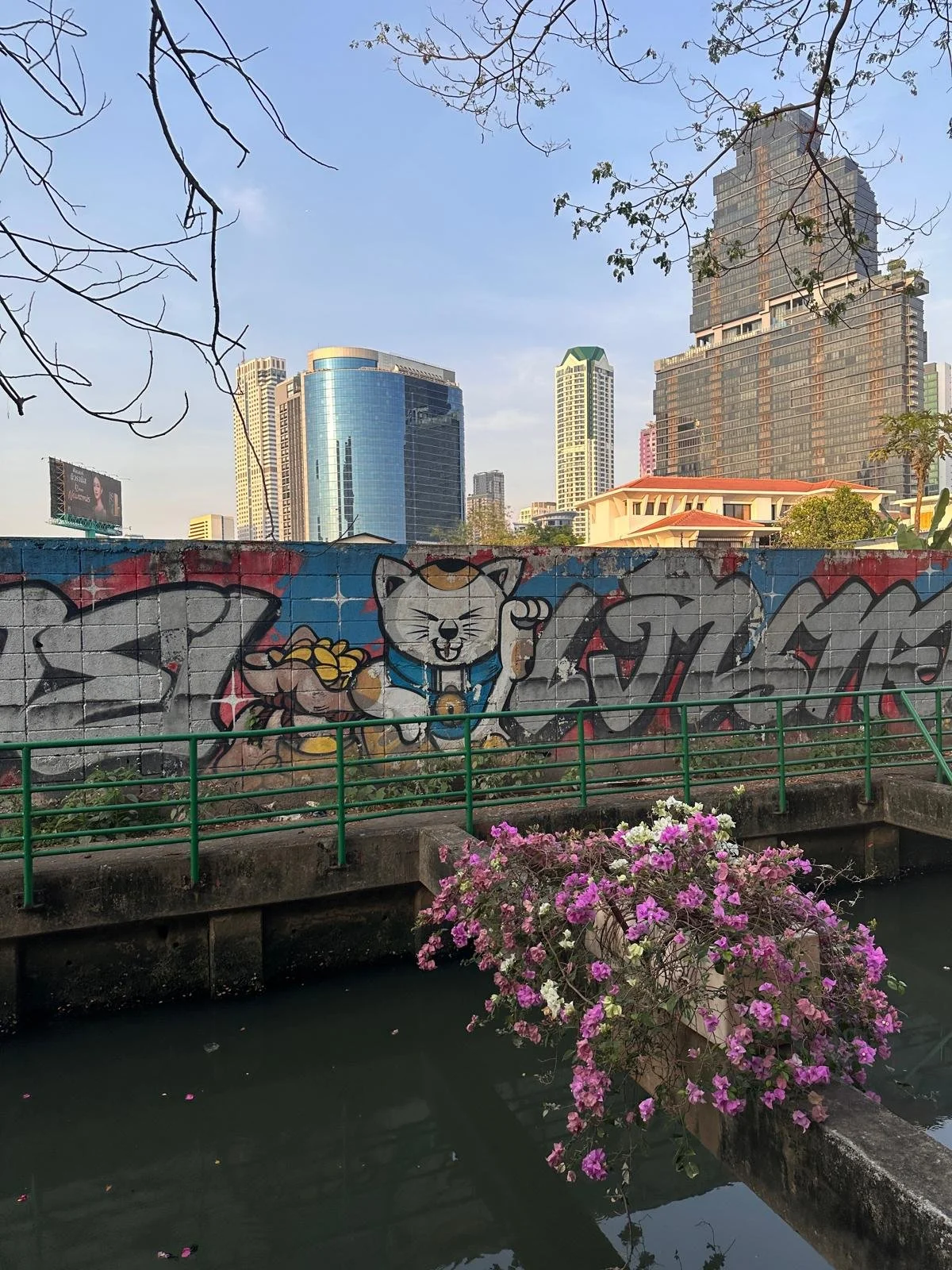
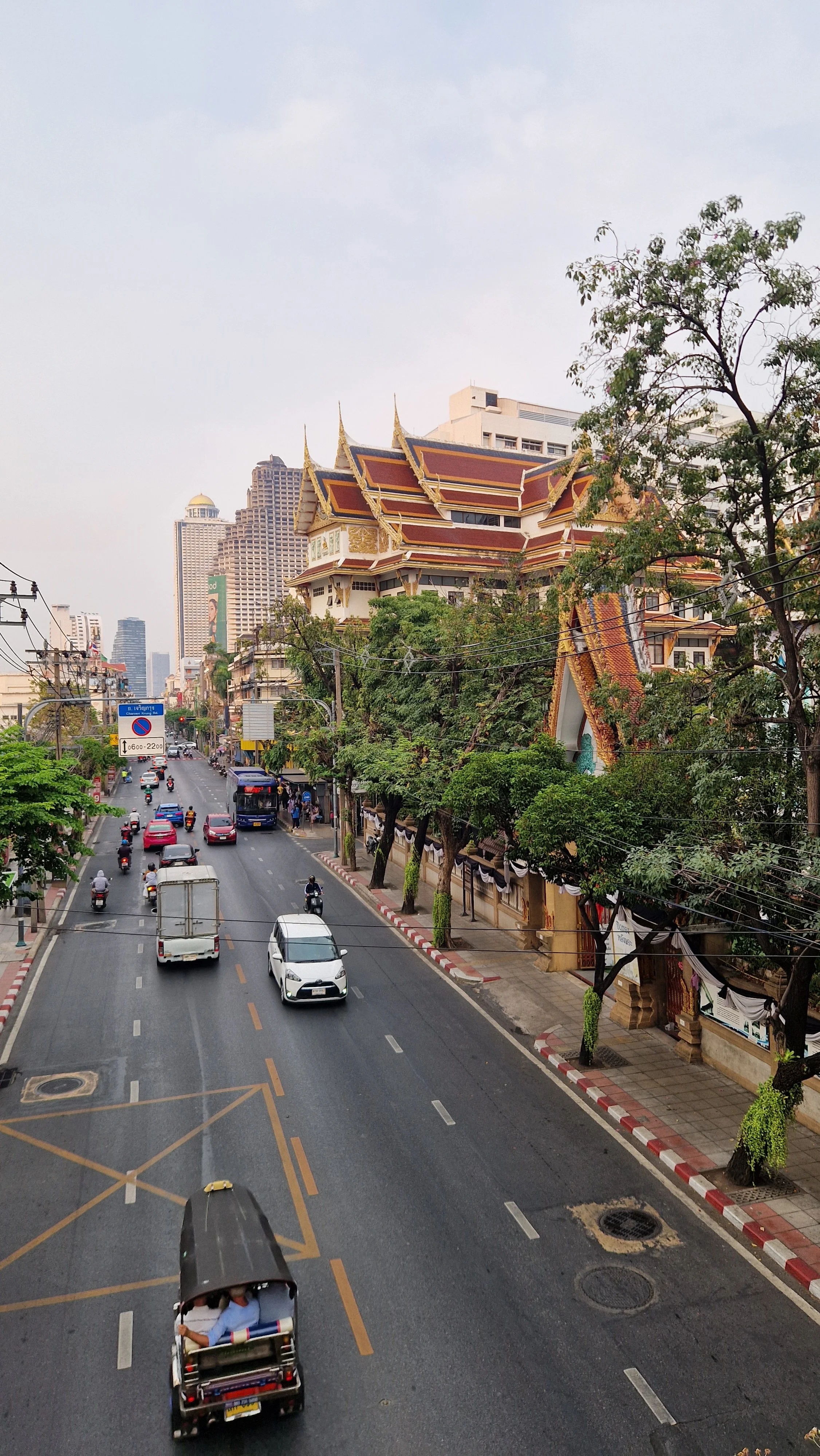
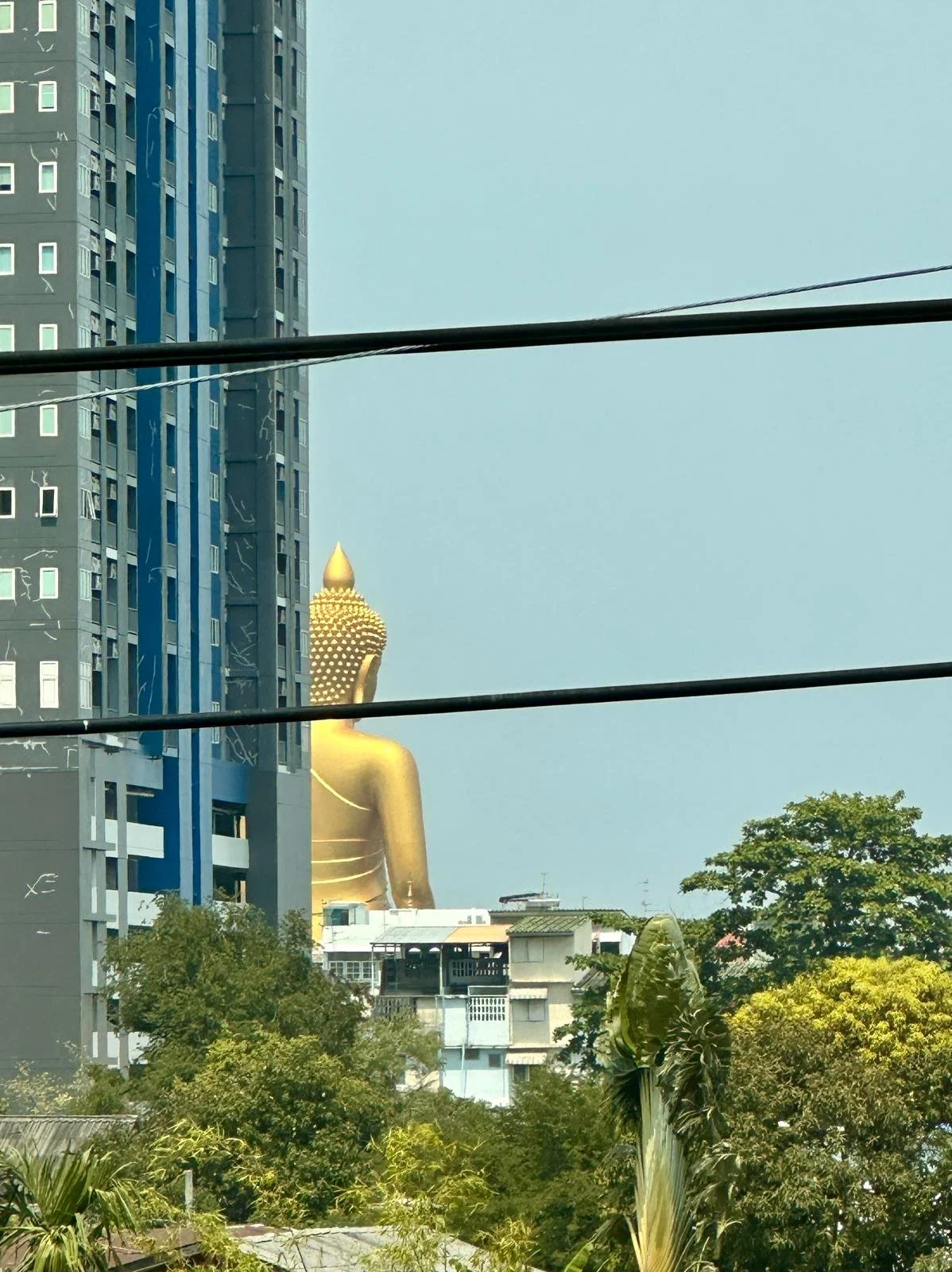
Bangkok is a city of striking contrasts. Home to 11.5 million people! It is deeply traditional, yet unmistakably hyper-modern. The orange-robed monks still collect their alms at dusk, while the sleek skytrain whistles you efficiently from one district to another. It’s spiritually centered, and at the same time intensely commercial. Among the many soaring high-rises you will still find numerous small shrines honoring Hindu deities and local spirits. Bangkok often feels wildly chaotic, yet remarkably functional. Crossing its busy streets can be an exhilarating adventure, but the bus network, which we tested extensively during our two-week stay, delivers you smoothly to most destinations across the city.
Long before modern Bangkok emerged, a small riverside settlement grew along the Chao Phraya River and formed part of the powerful Kingdom of Ayutthaya, which thrived from 1350 to 1767. After the Burmese sacked Ayutthaya in 1767, General Taksin established a new capital across the river in Thonburi. Chinese settlers were encouraged to relocate here, building on established ties with Chinese merchants, and over time their influence grew; today an estimated 40% to 50% of Bangkok’s inhabitants have some Chinese ancestry. In 1782 King Rama I founded the Rattanakosin Kingdom and moved the capital to the river’s east bank, laying the groundwork for the modern city. The Grand Palace was built as the royal and administrative heart, and a network of canals was dug, earning Bangkok the nickname “Venice of the East.”
Significant modernization came under King Rama IV and Rama V during the 19th and early 20th centuries. Western-style roads replaced many canals, slavery was abolished, and railways, postal services, and modern education systems were introduced. A constitutional monarchy was established in 1932. After the Japanese occupation during World War II, Bangkok experienced rapid urban growth and industrialization from the 1960s through the 1980s. Today, the Bangkok metropolitan area is home to roughly 11 million people and remains one of the most visited cities on Earth.
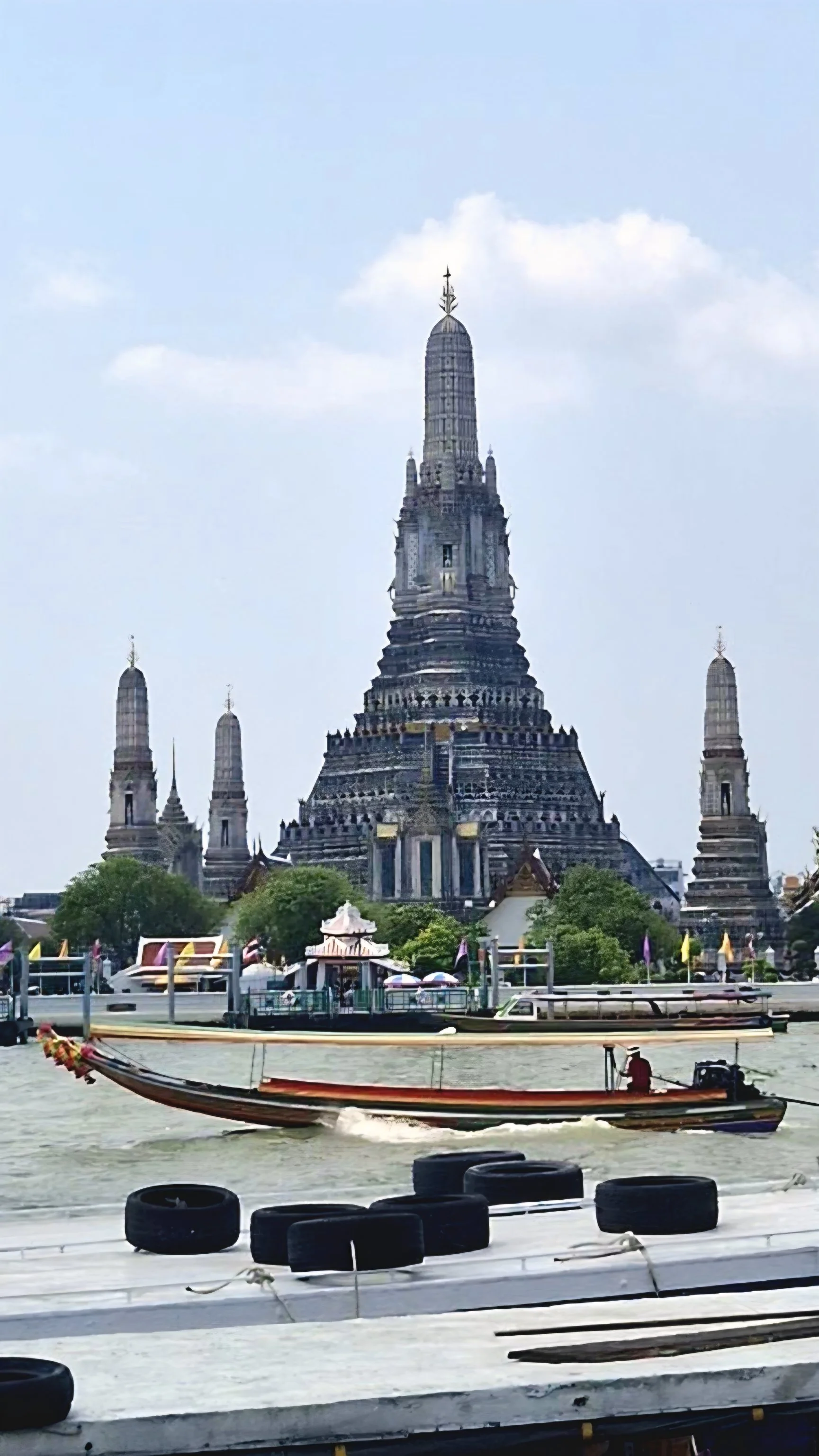
So… What did we do? At the beginning of our stay we wanted to explore the neighbourhood where our Airbnb was located. We quickly realized that Grab was far more expensive in Bangkok than it had been in Chiang Mai, or in any of the other Asian countries where we’d used it before, so our first efforts went into checking nearby public transport options. There was a bus stop very close to our place and the Skytrain station was within easy walking distance. We used the Skytrain a few times, but the buses soon became our primary way of getting around. They were cheap, most of the vehicles were fairly new, and with six or seven routes departing right in front of our apartment, they covered large parts of the city. Because we were situated near the Chao Phraya River, we also took the public riverboats a few times to travel between points. Not only did they offer pleasant views of the city, but being out on the water made it a few degrees cooler than the sticky urban heat. Temperatures often climbed to 35°C or more and, combined with high humidity, felt like 40°C plus.
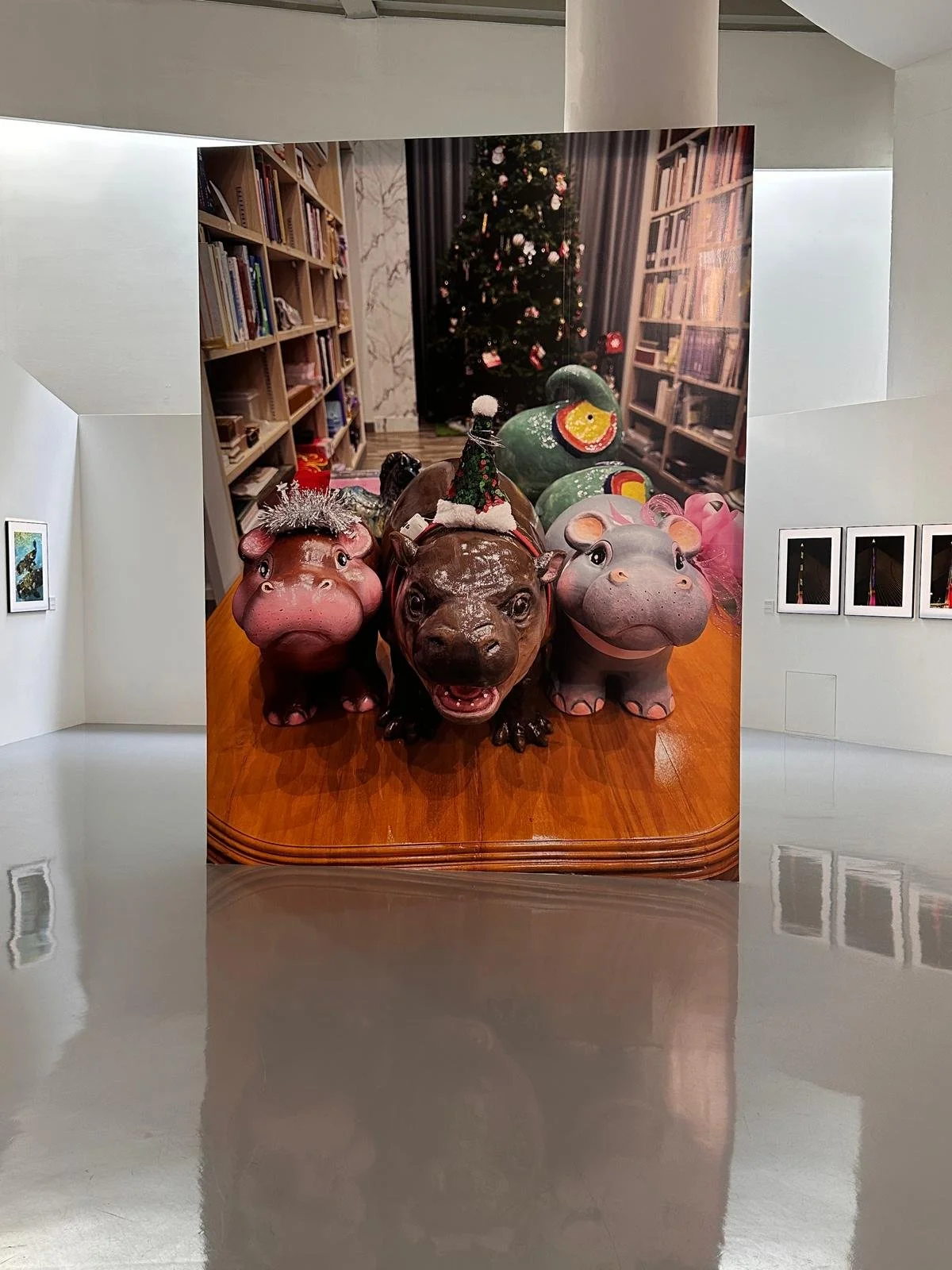
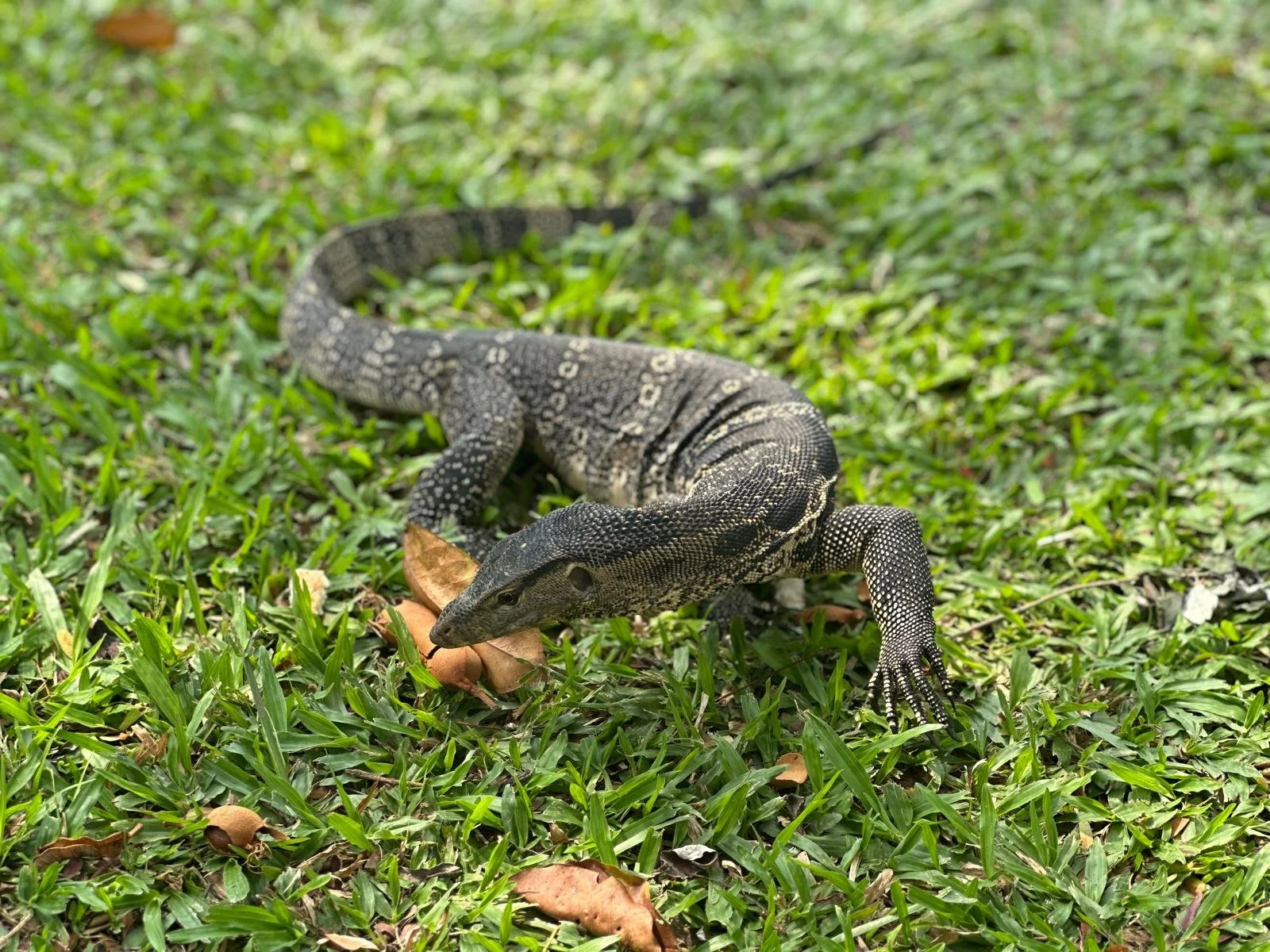
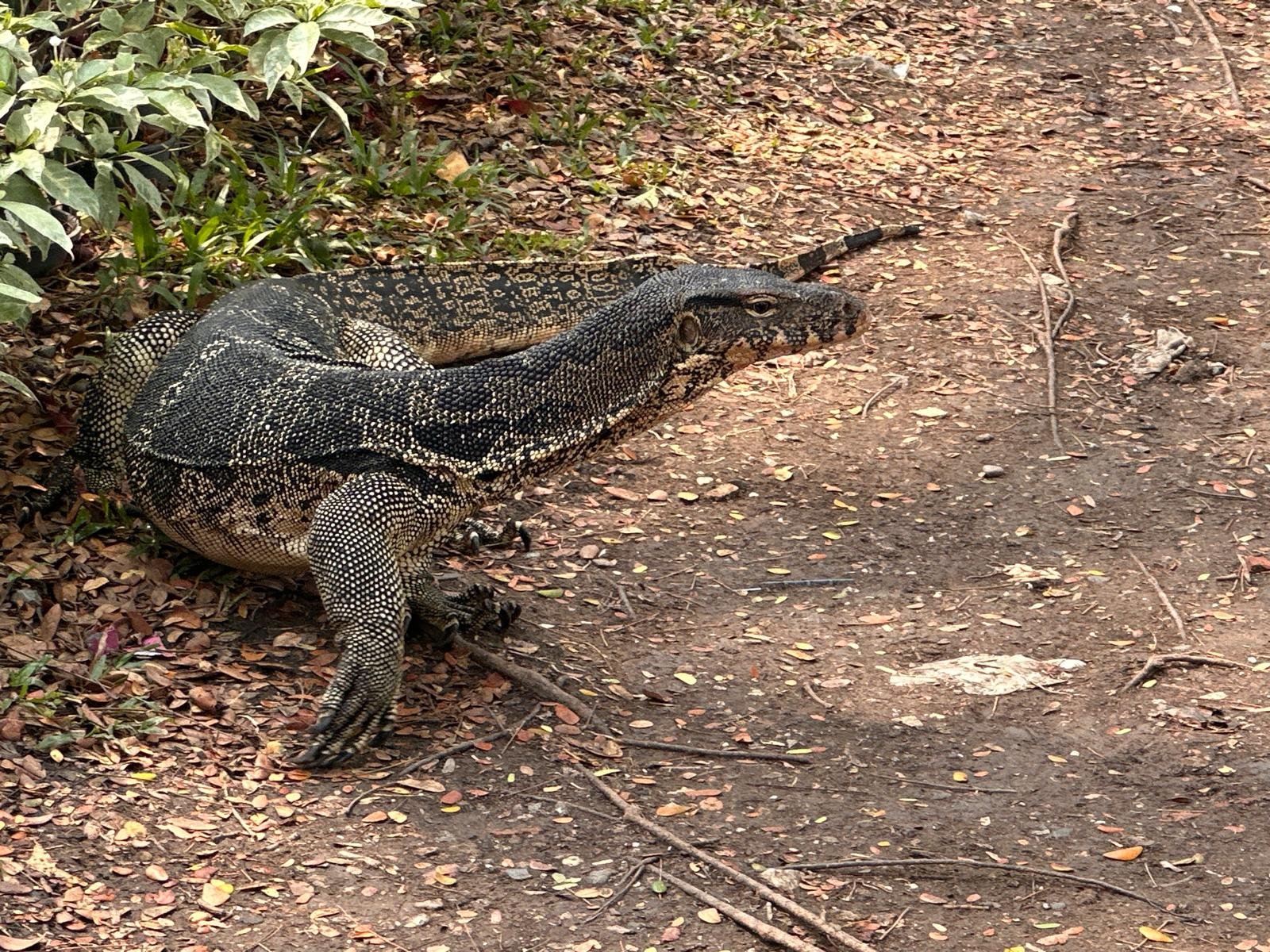
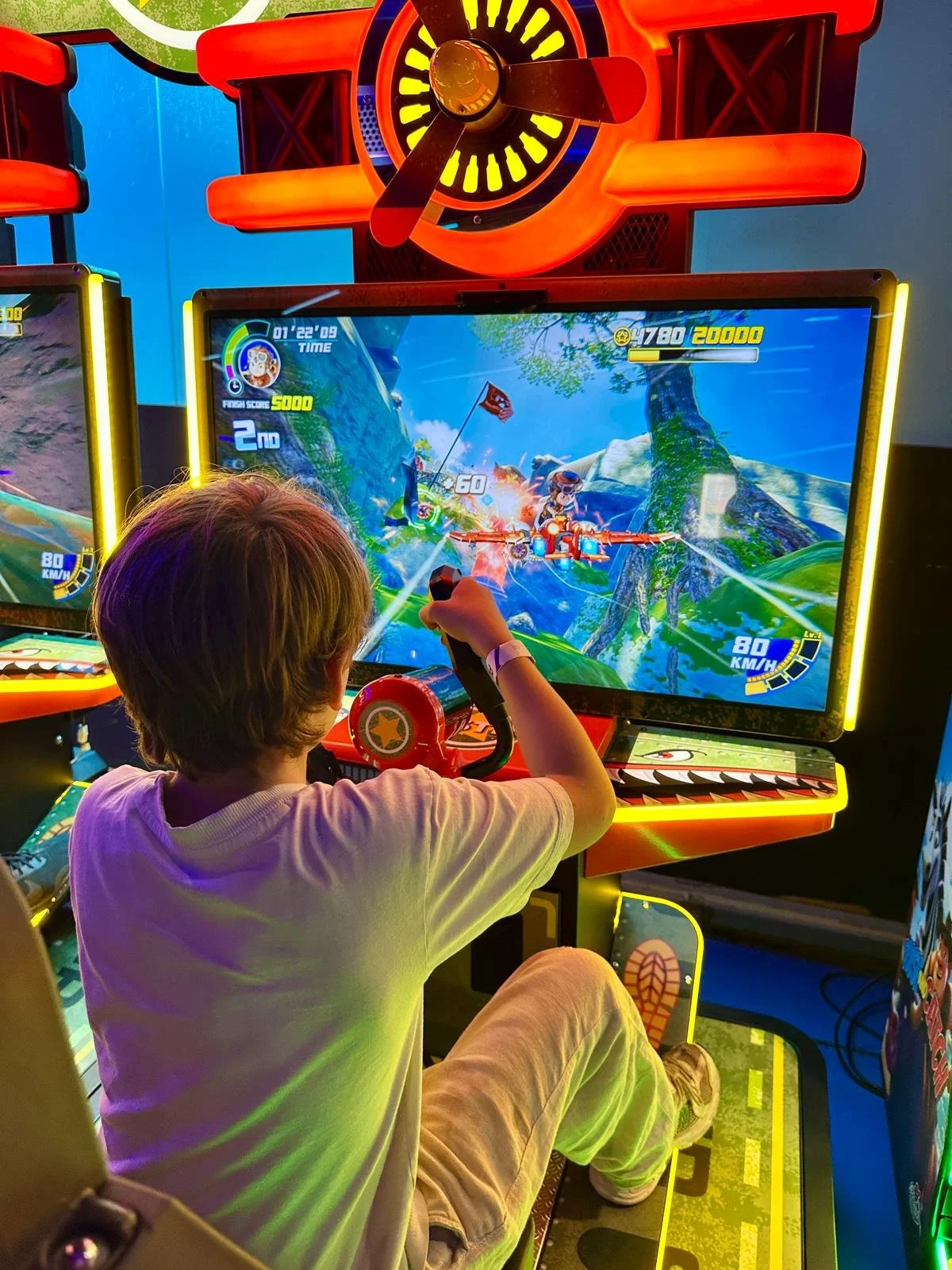
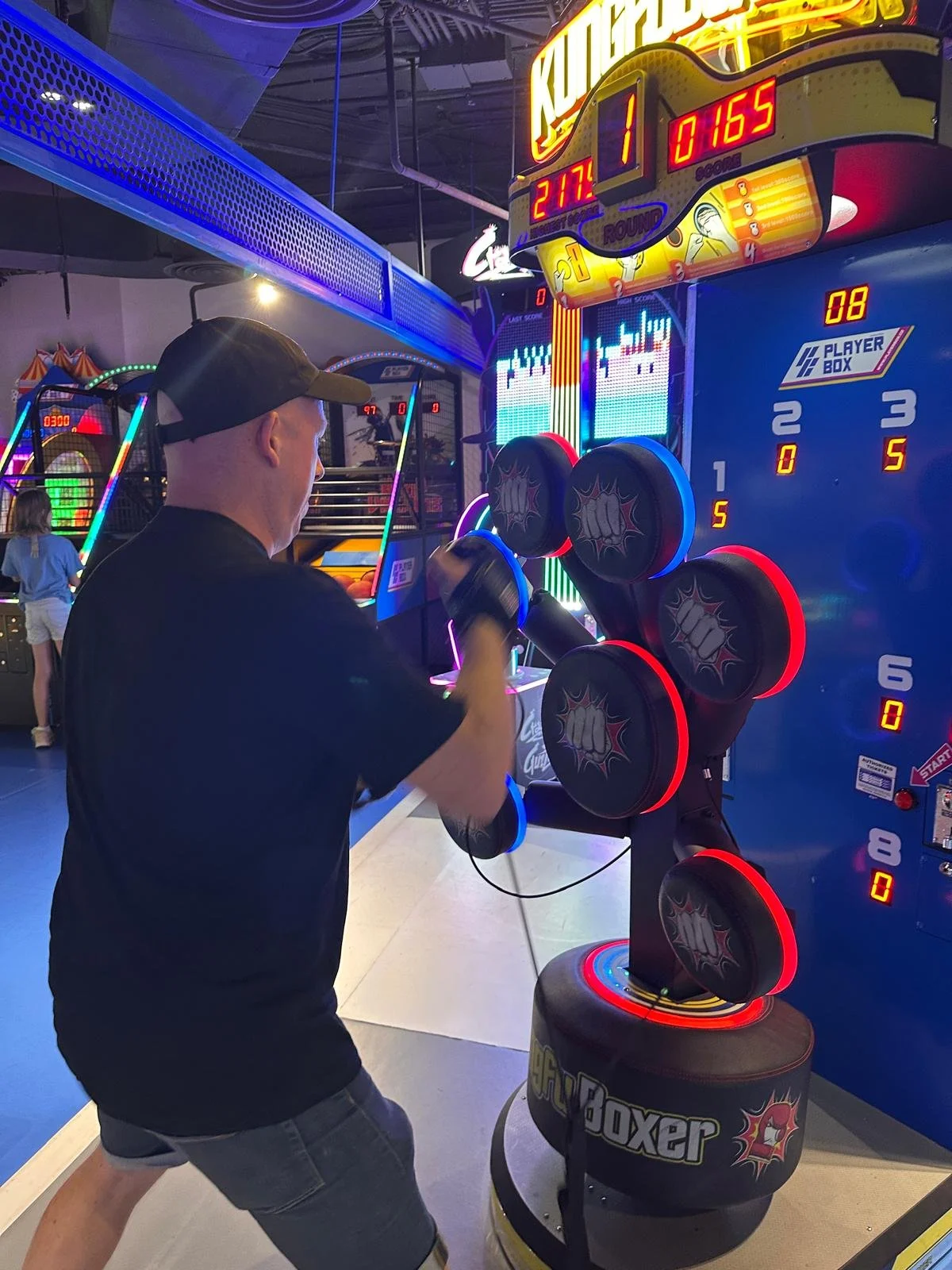
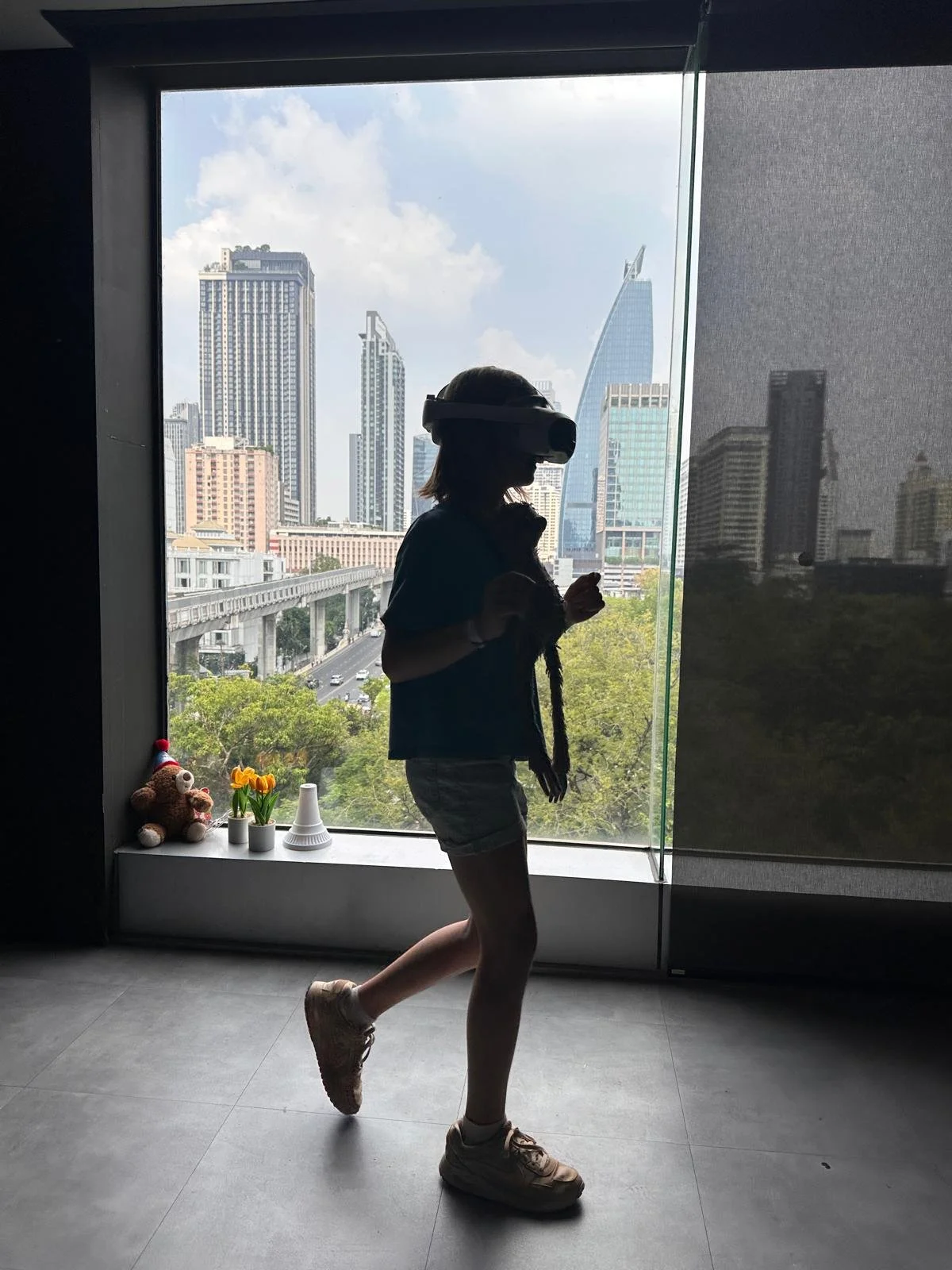
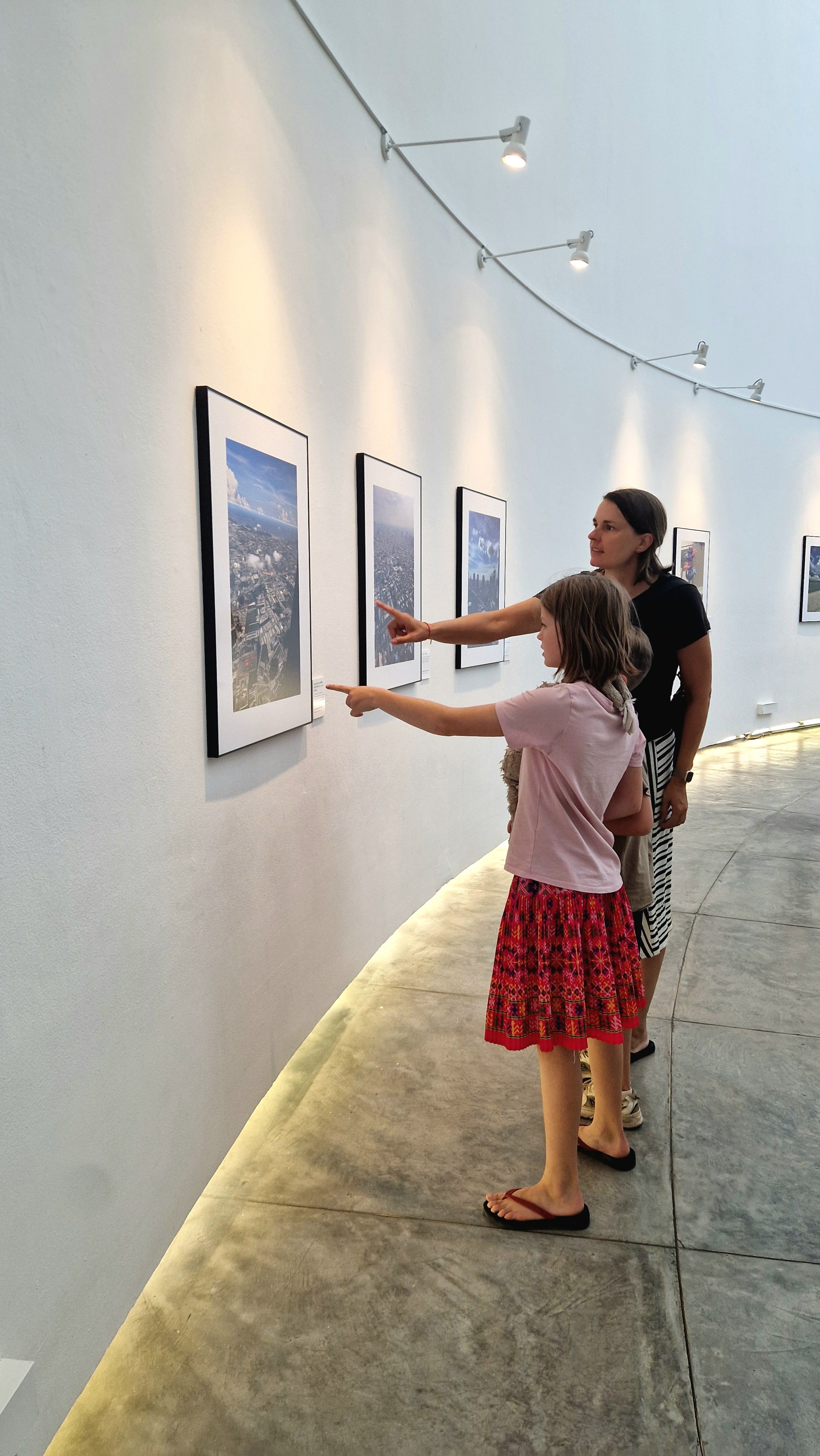
Generally speaking, we kept up our relaxed pace… after eight months on the road, we’re perfectly comfortable leaving a city without having seen every possible sight. One activity per day is more than enough for us, though we still wanted to make the most of our time in Bangkok. We strolled through Lumphini Park, watching the monitor lizards and other wildlife that crossed our path. We also stopped by Siam Discovery Center and spent an afternoon at an arcade, which our son had been eagerly anticipating. Close by was the Bangkok Arts and Culture Center where we also stopped and look at the current exhibitions.
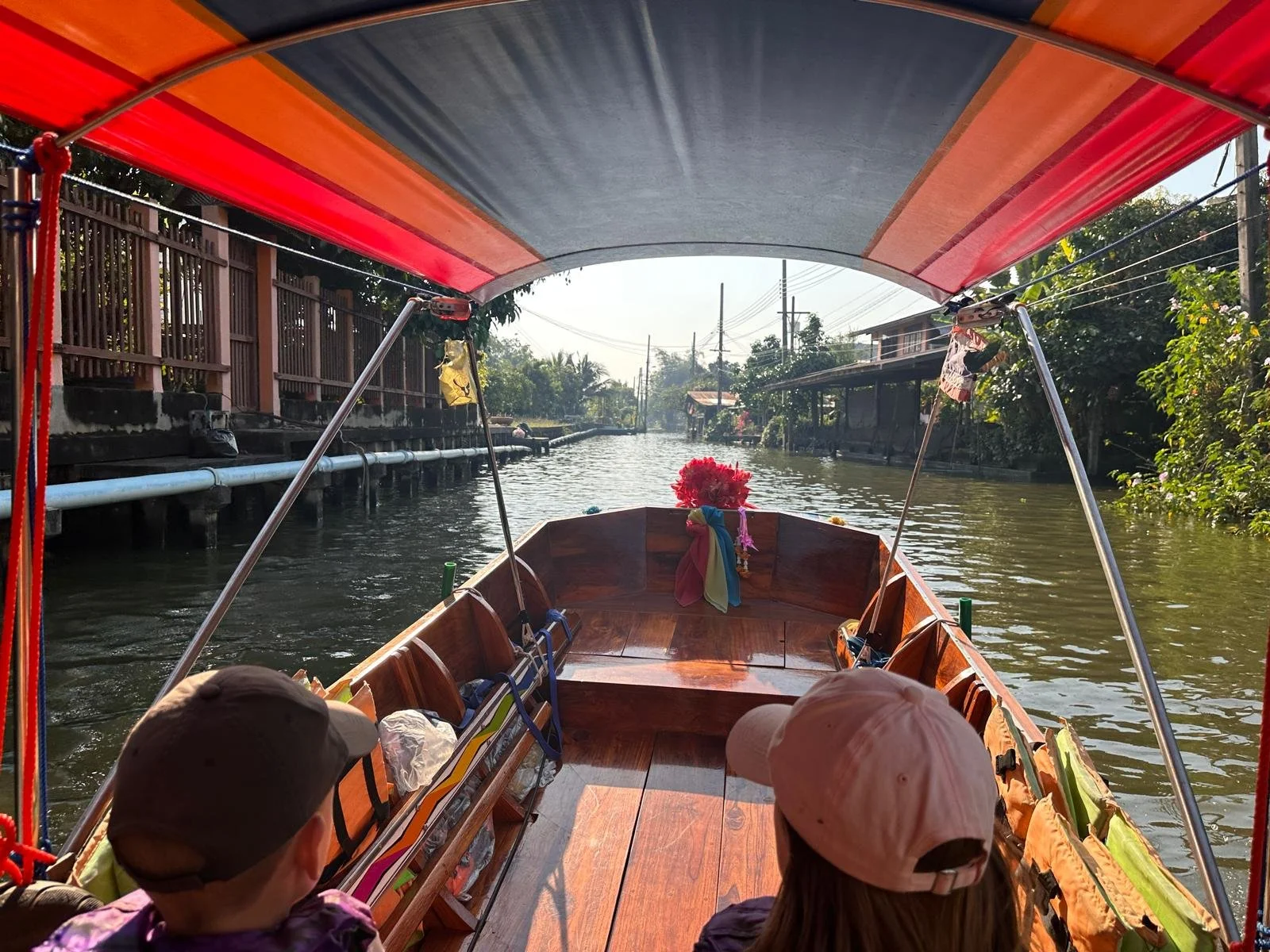
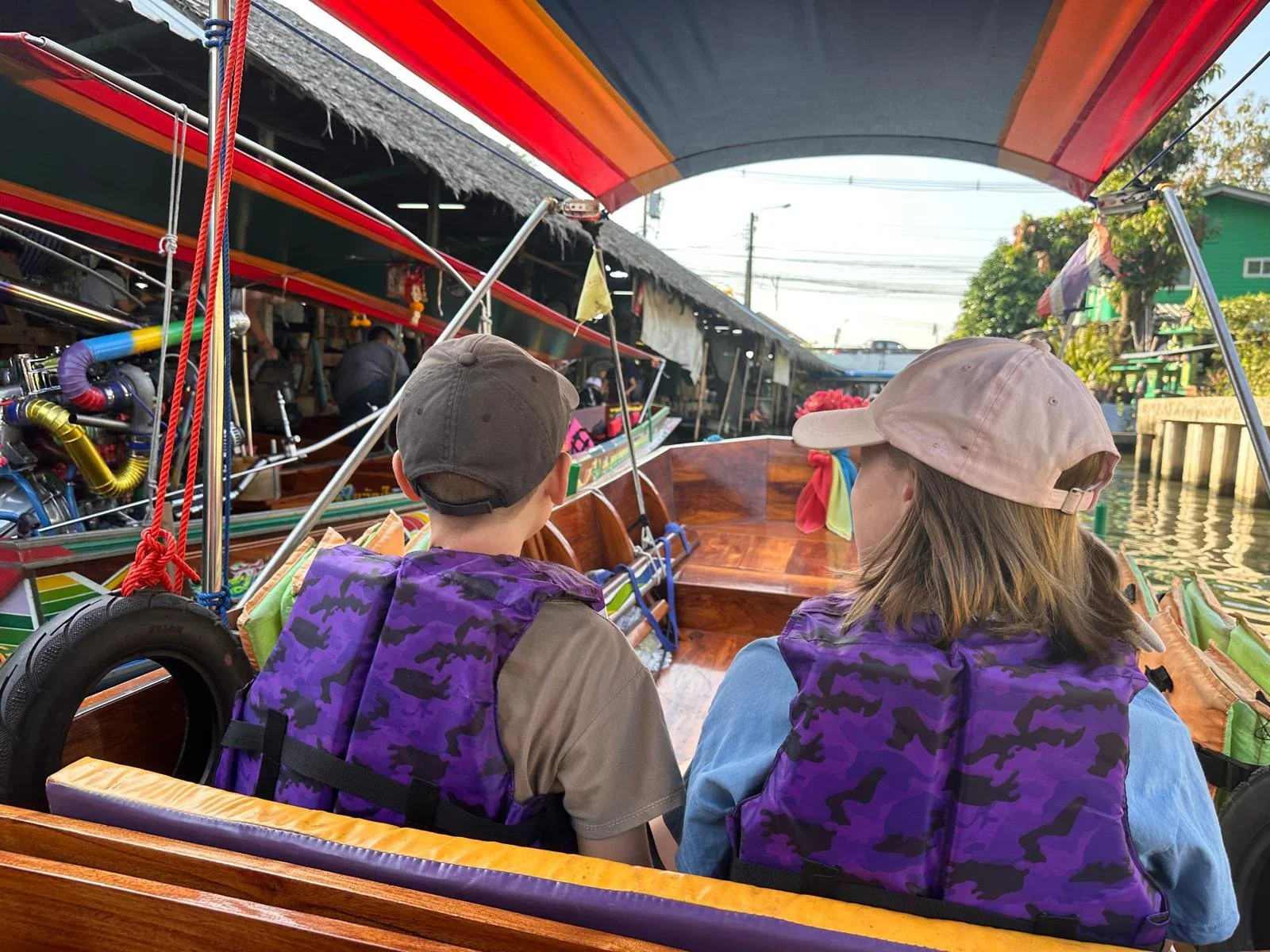
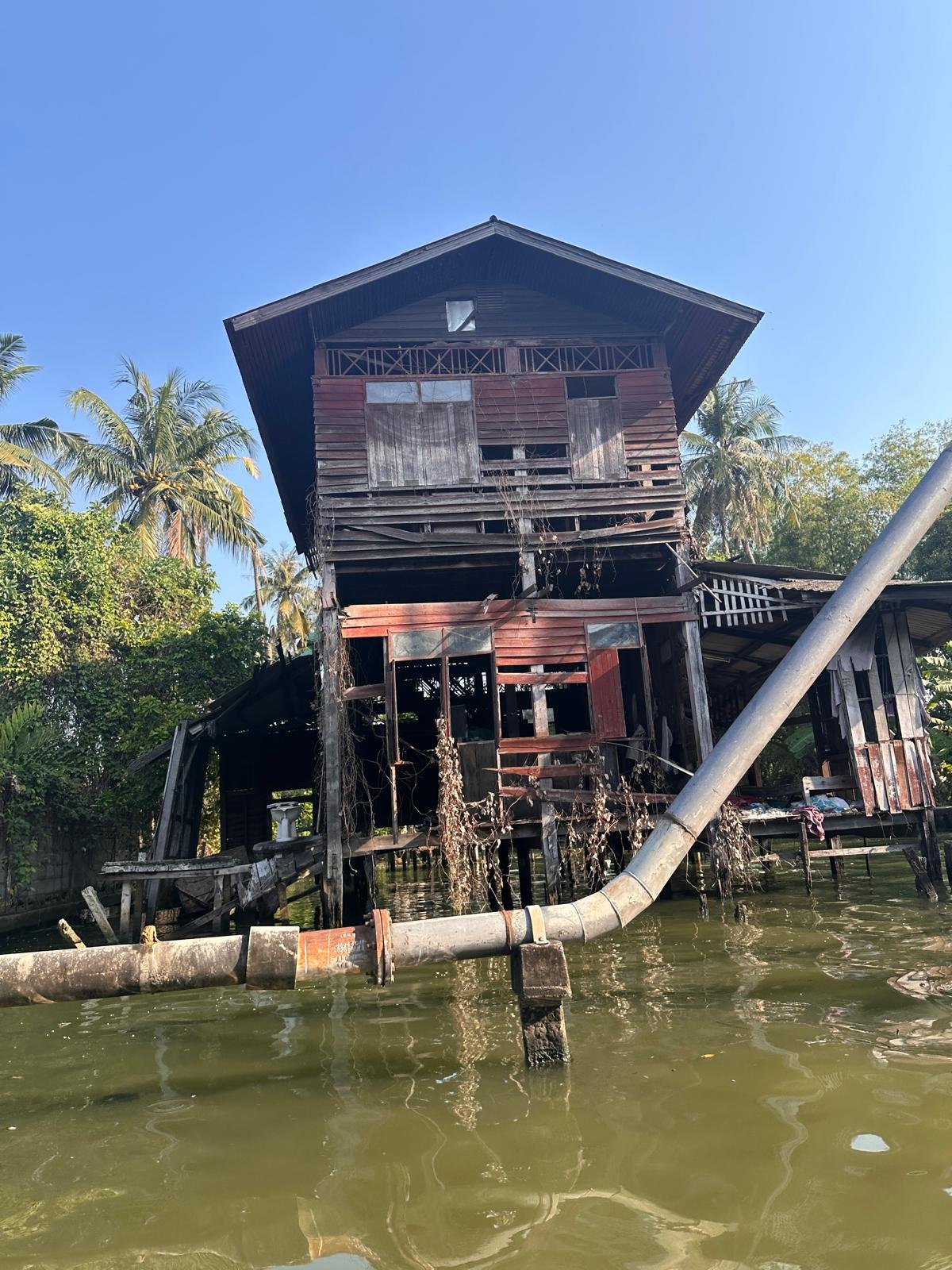
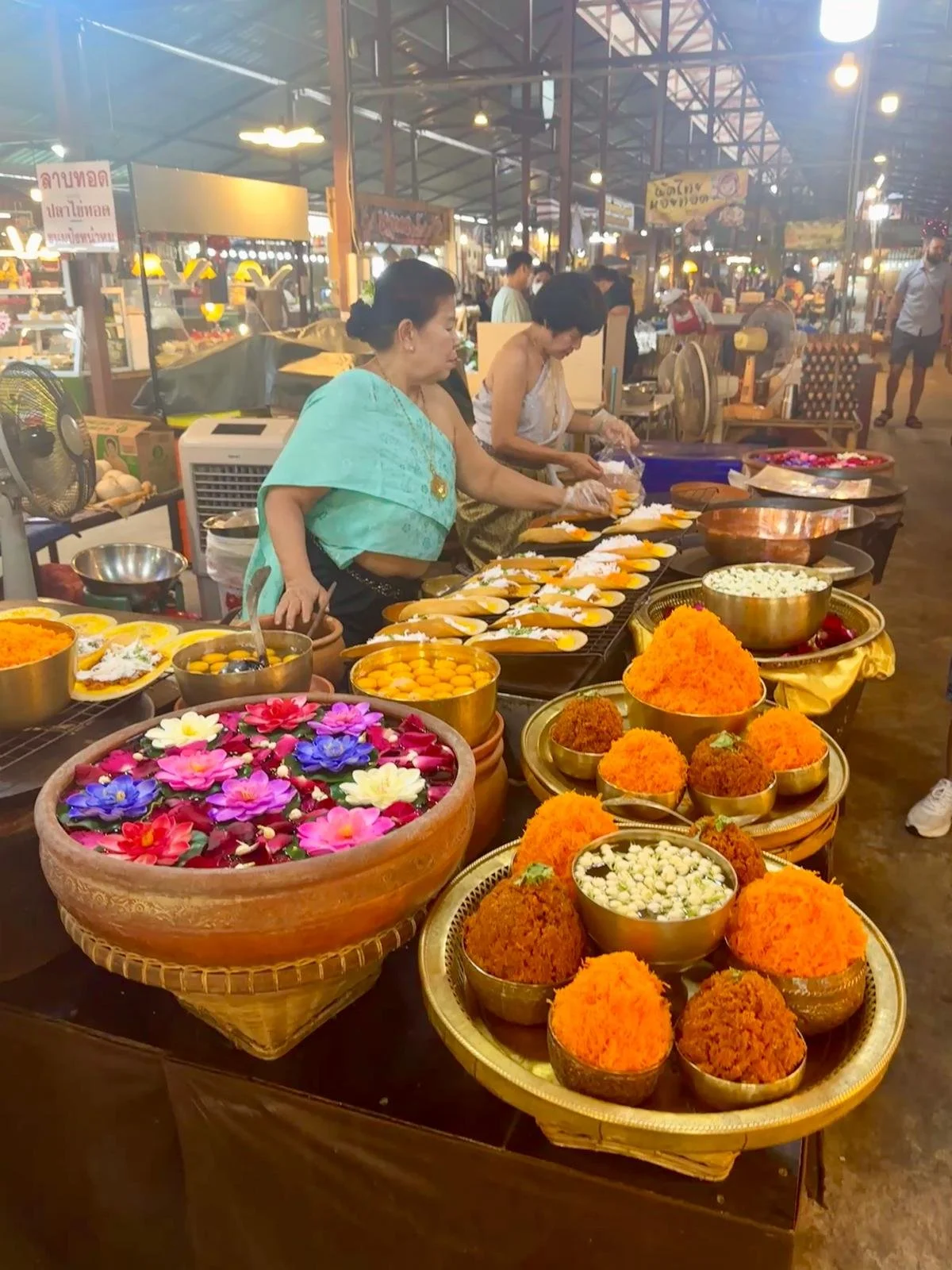
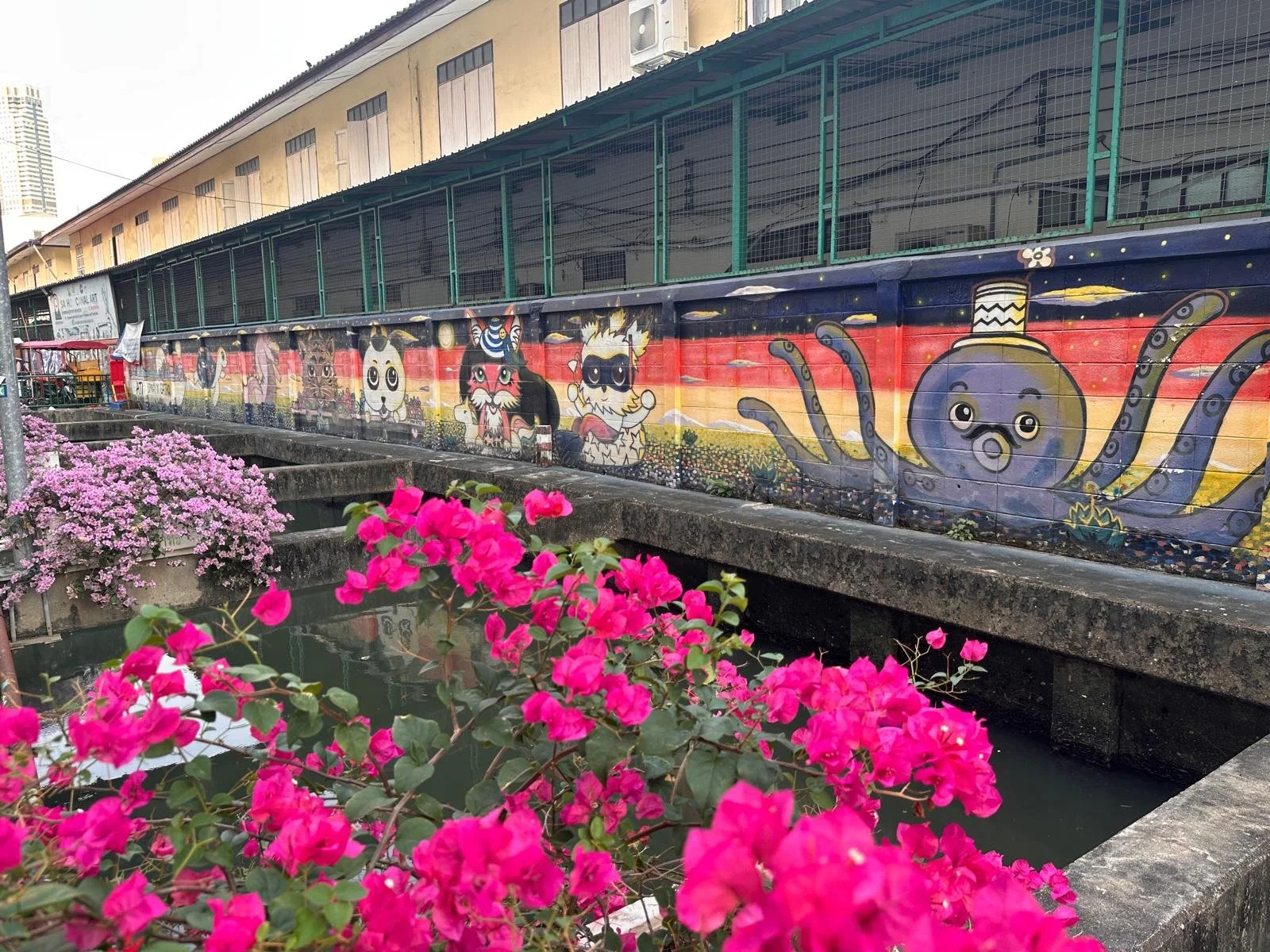
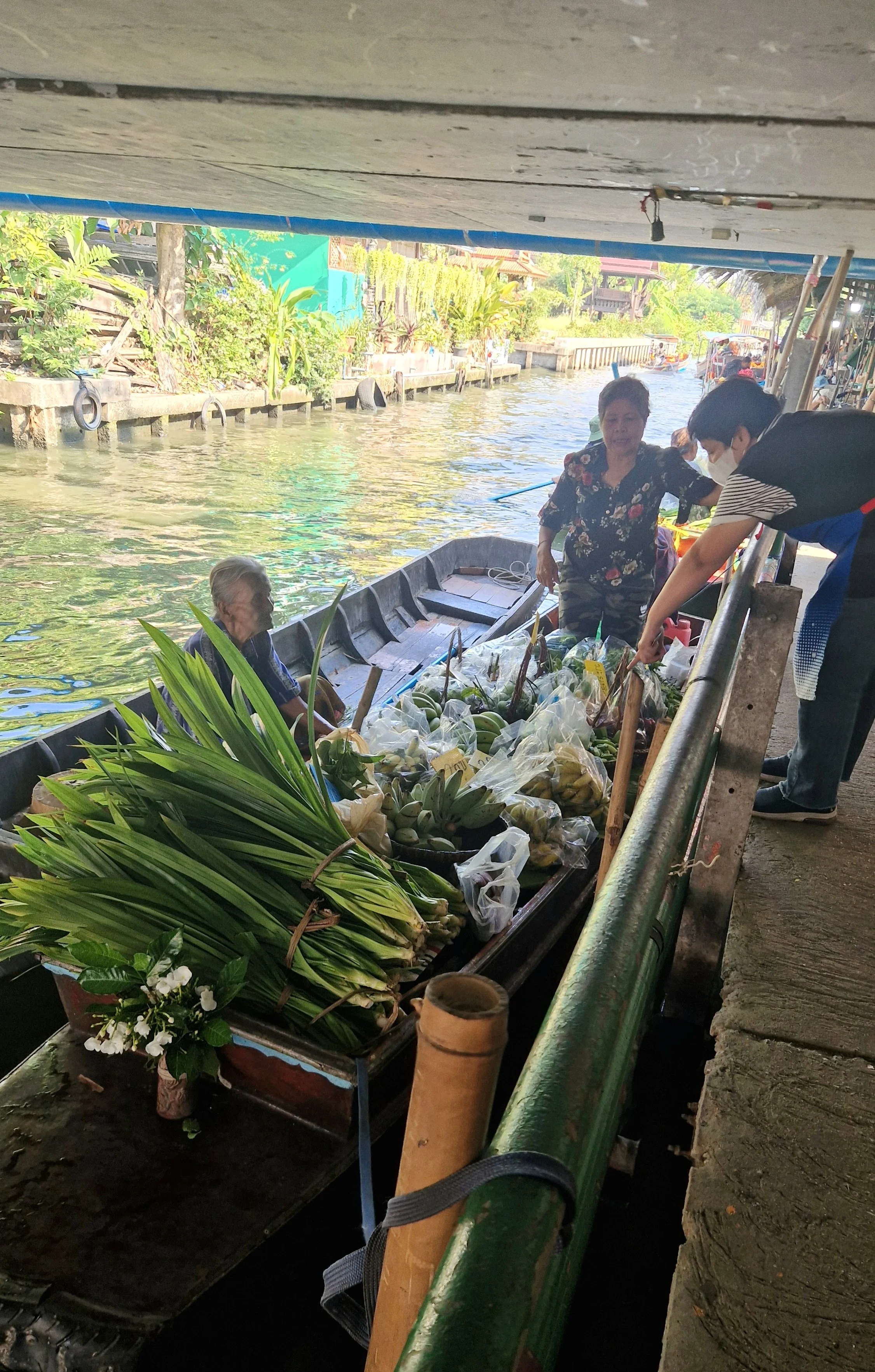
Bangkok wouldn’t be Bangkok without its floating markets. We went to the Khlong Lat Mayom market, rather than the bigger but more touristy Damnoen Saduak Market, which is located an hour outside of the city center. We really enjoyed the Khlong Lat Market and spent more than half a day wondering around. We also hired a boat and did a 45 minute tour through the sorrounding canals. Since we arrived fairly early, ahead of the other tourists, we managed to get a boat for ourselves and after negotiations we only paid 500 baht, which seemed very reasonable for a private 45 minute tour.
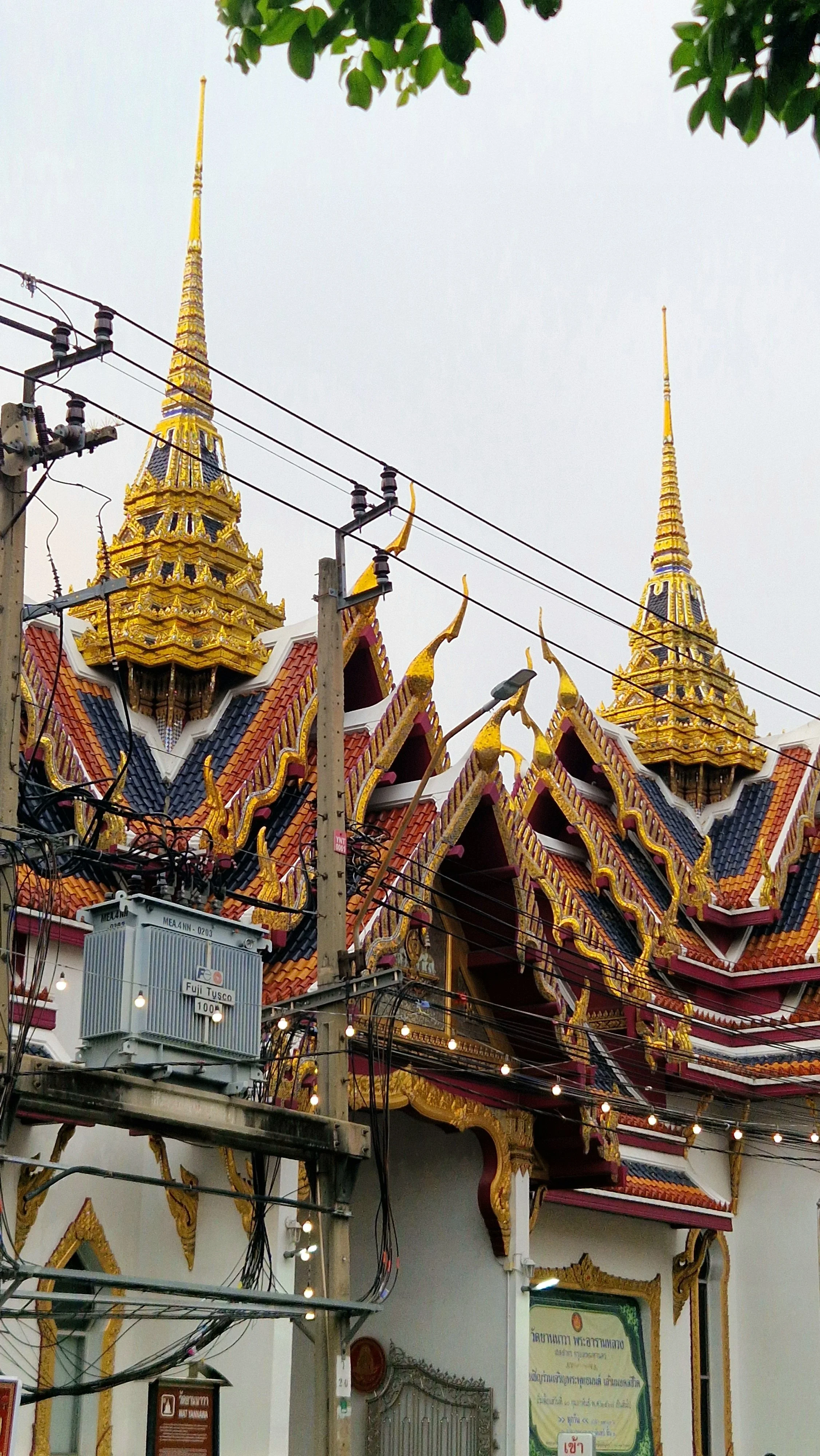
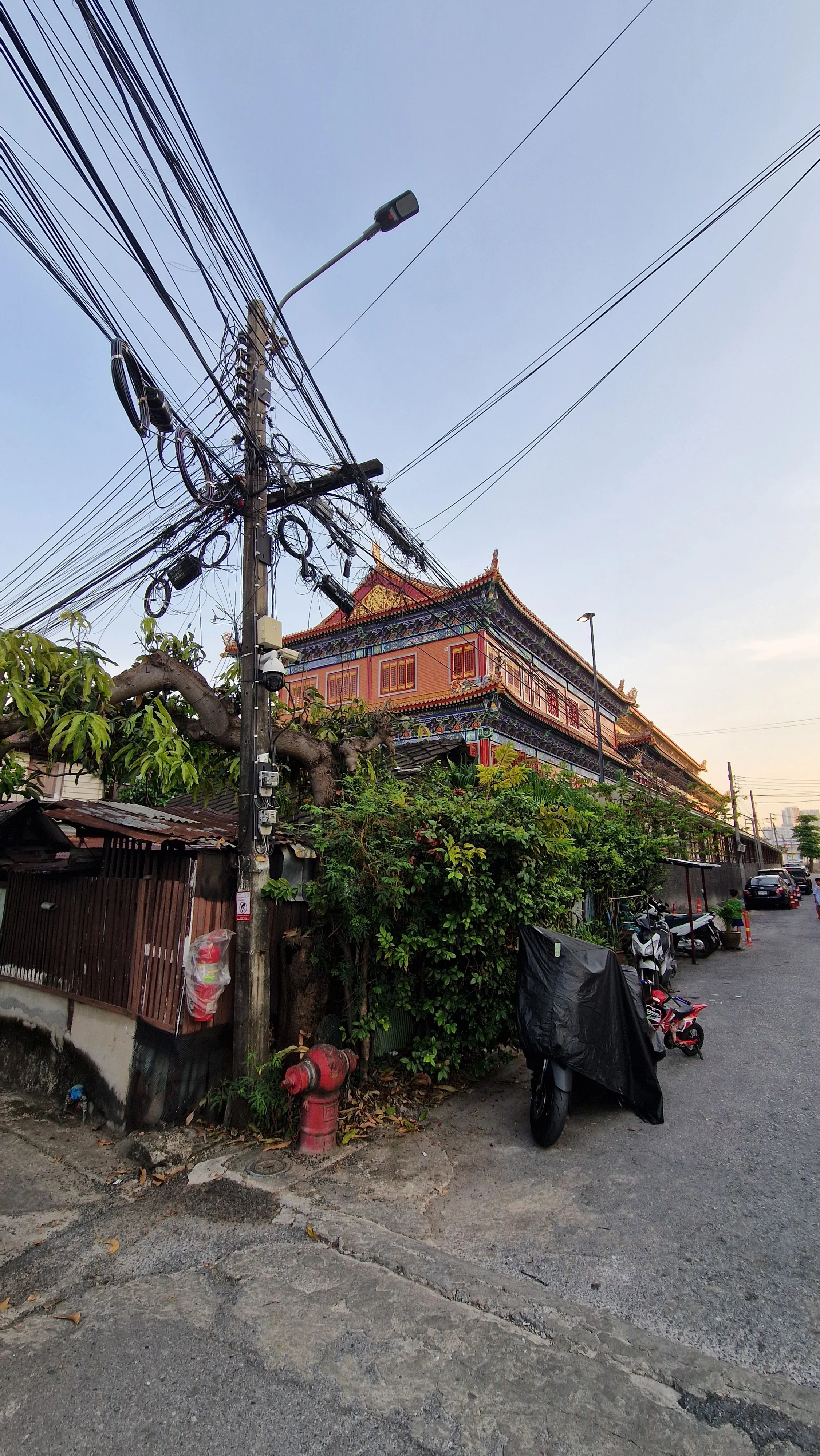
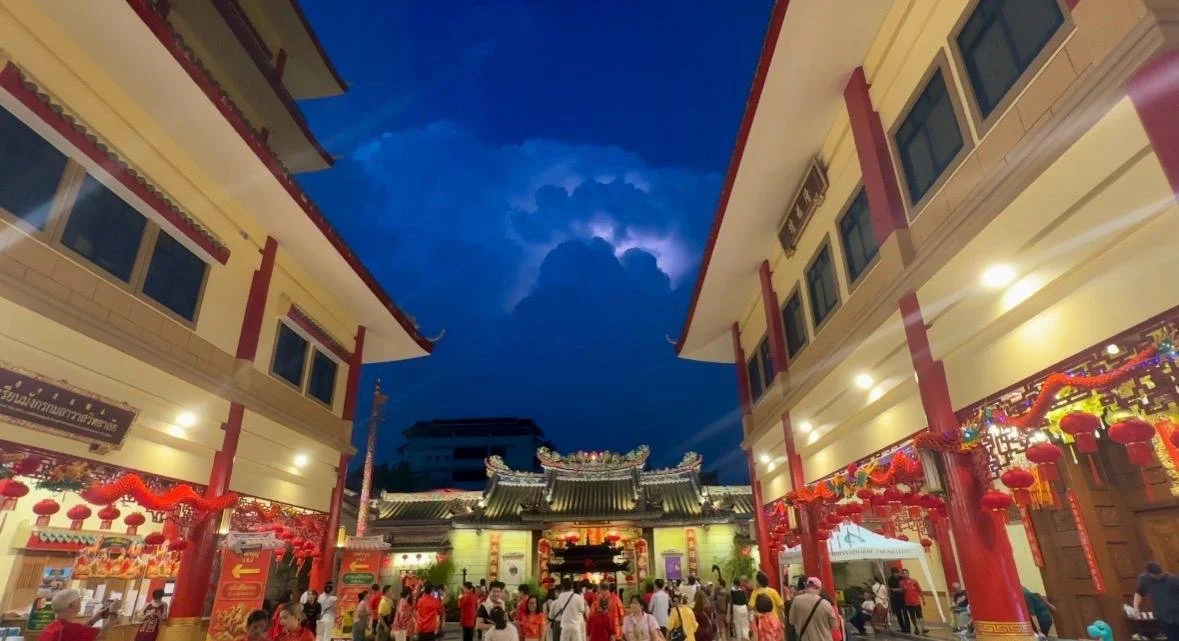
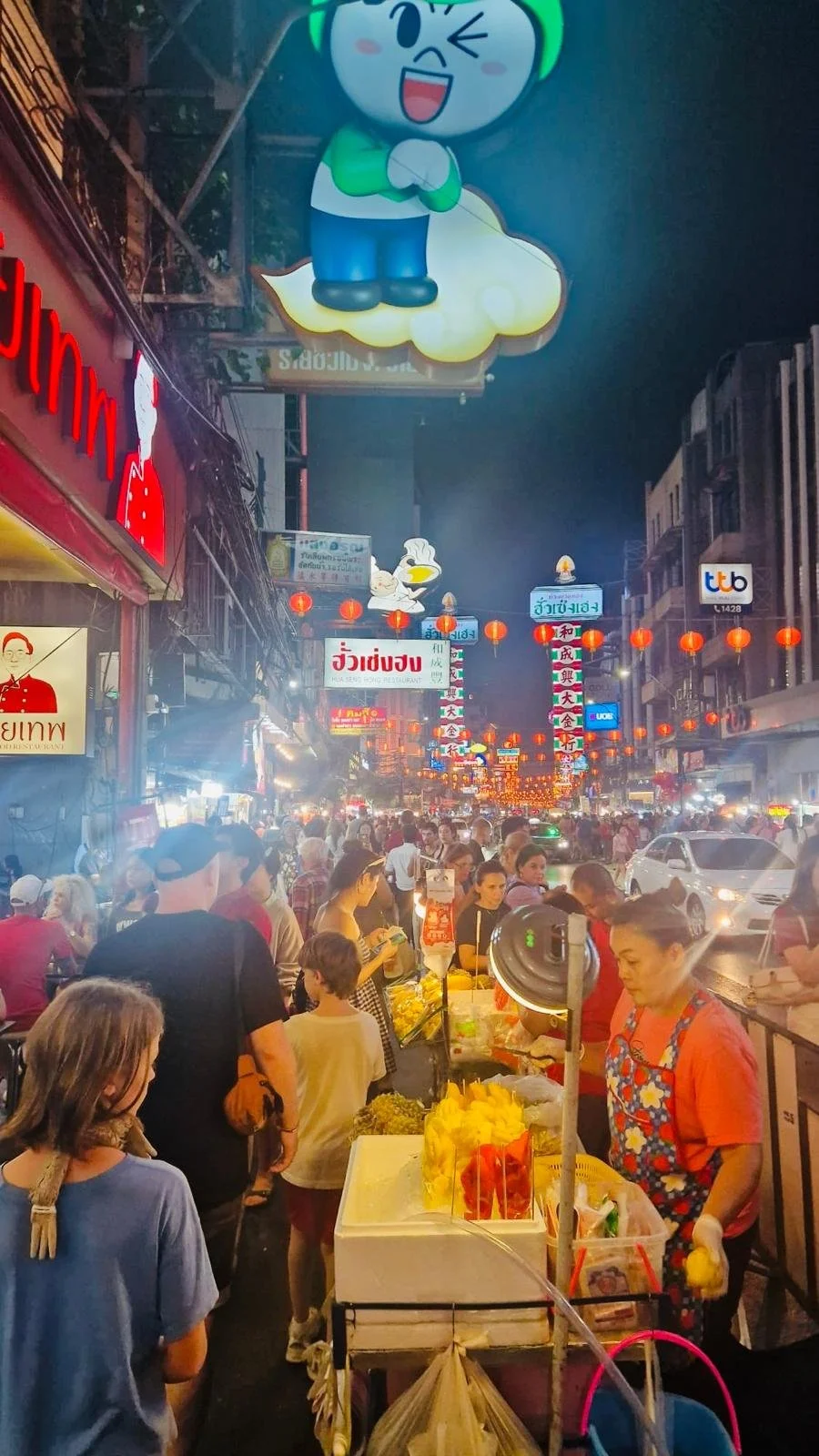
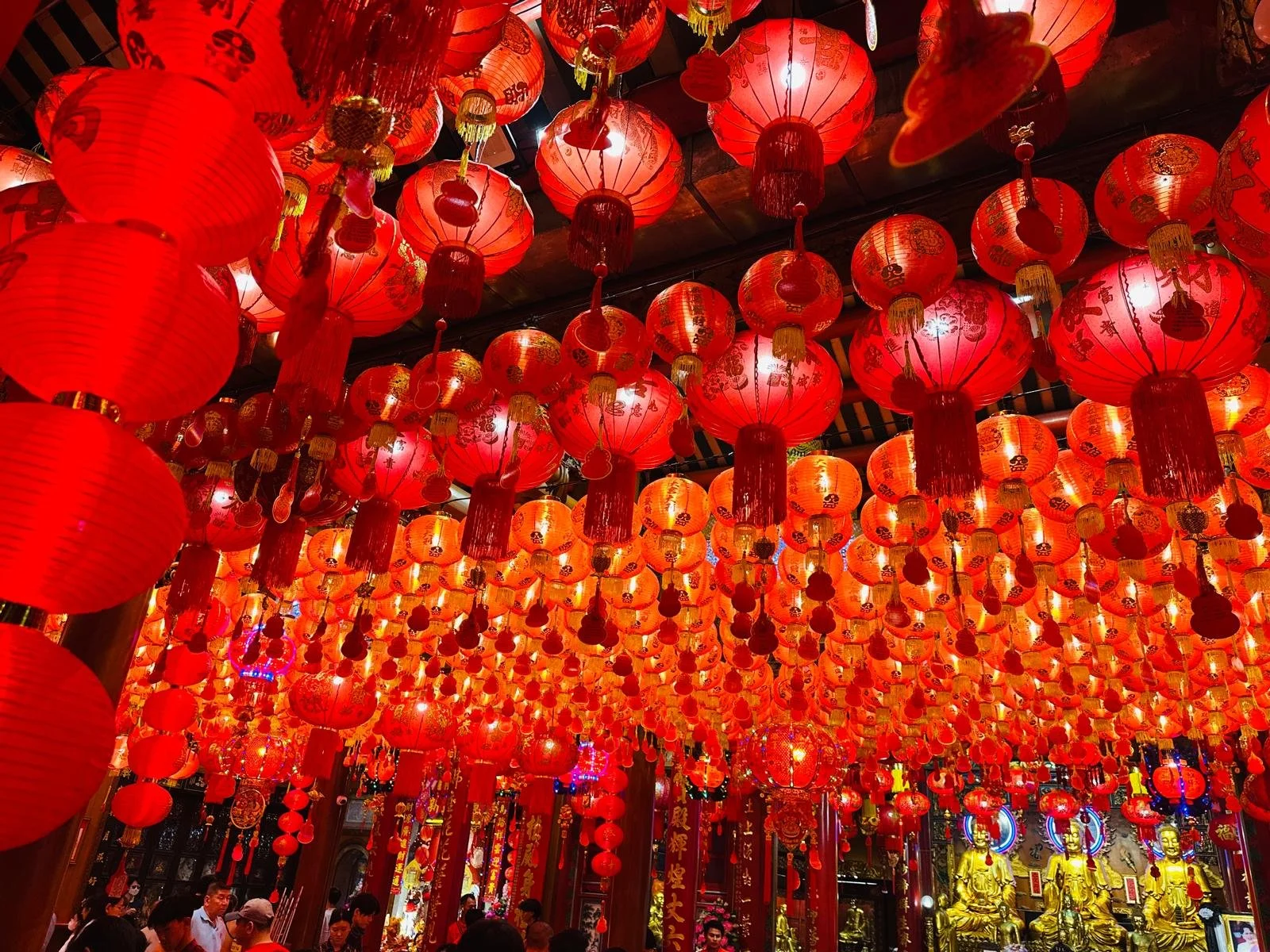
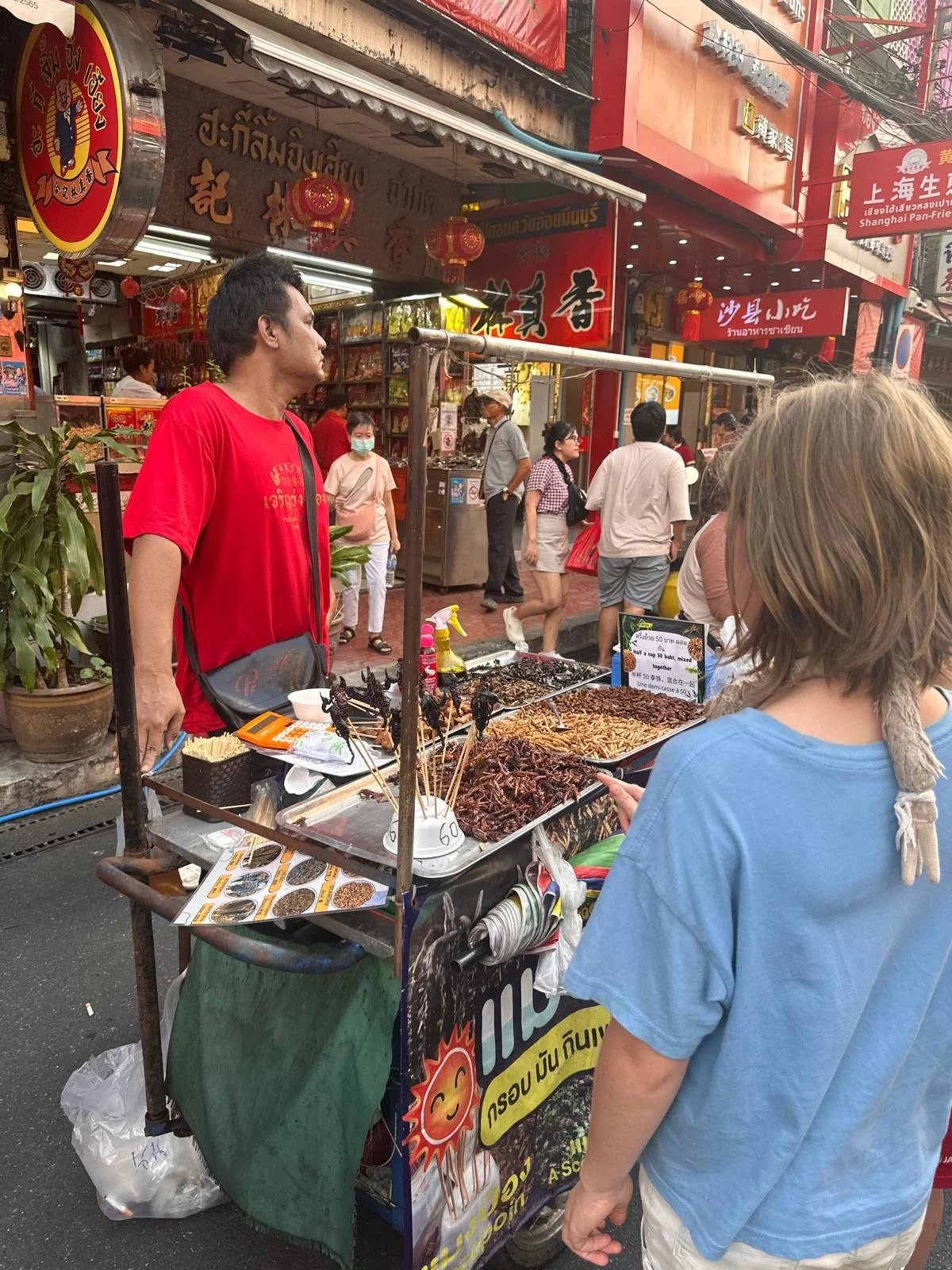
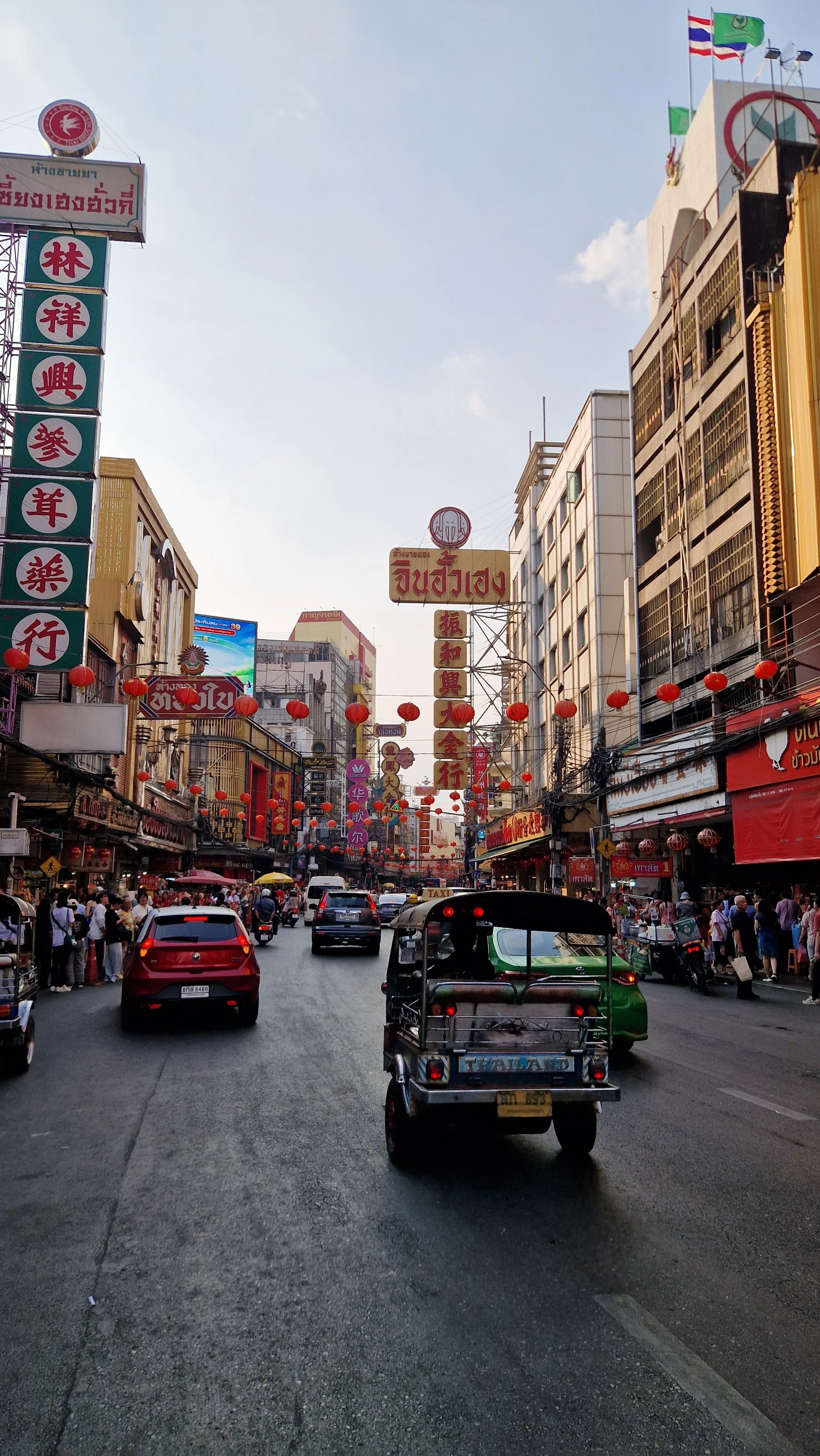
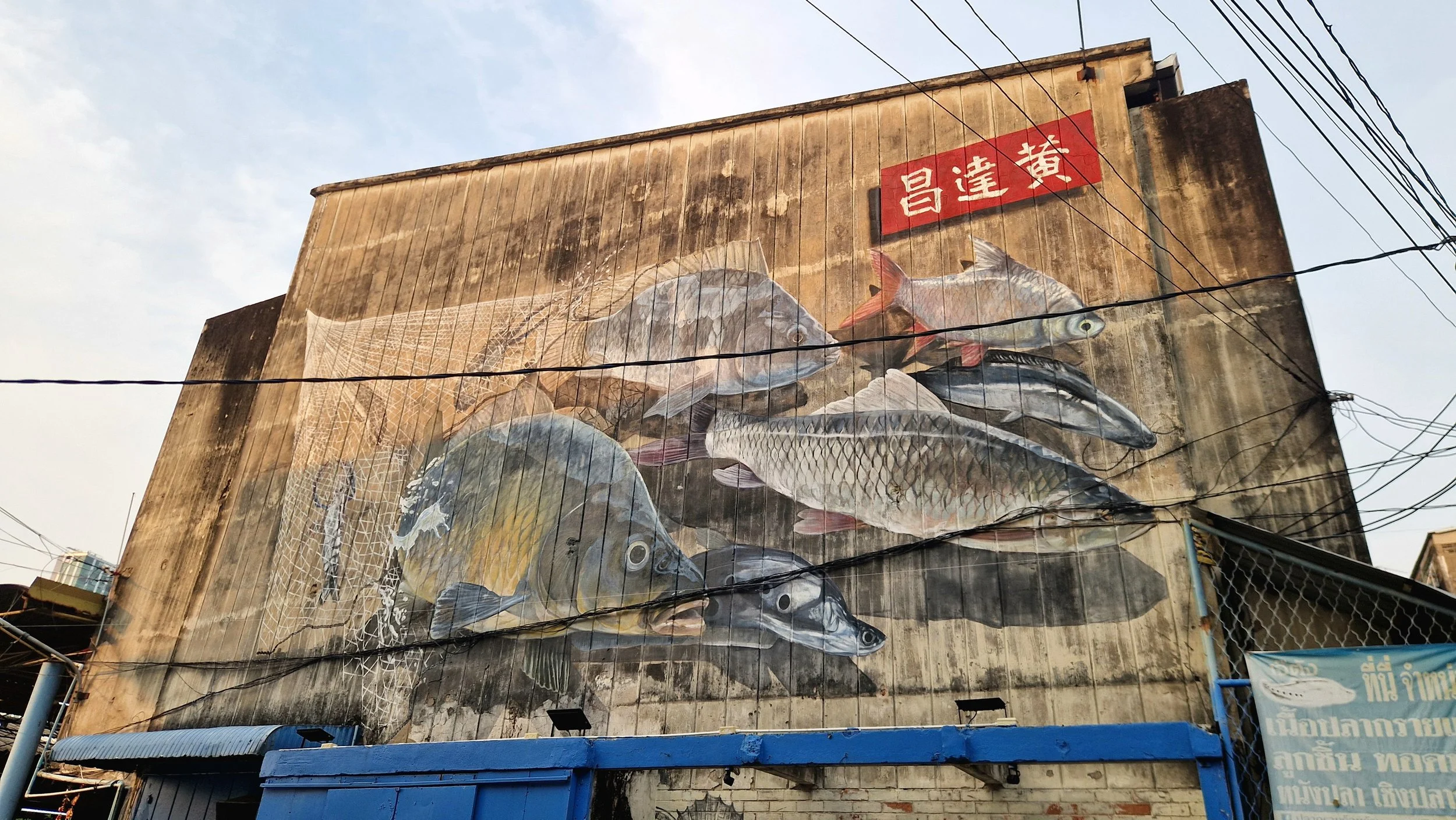
17th February marked the beginning of Chinese New Year, and what could be a better place to celebrate than Chinatown? We went to Yaowarat Road, the vibrant heart of Chinatown, in the early afternoon and it was already lively, though not overly packed. As mentioned, large parts of Bangkok’s population have Chinese ancestry, so we had expected crowds during this festival in Chinatown. Even though Thailand was still observing a period of mourning after the death of Queen Sirikit in October 2025 and all New Year parades had been cancelled, there remained a warm, festive vibe in Chinatown and at the many Chinese temples along the roads. We took long walks through some of the less crowded side streets, grabbed a flavorful dinner, visited a few temples and thoroughly enjoyed the atmosphere as evening settled in.
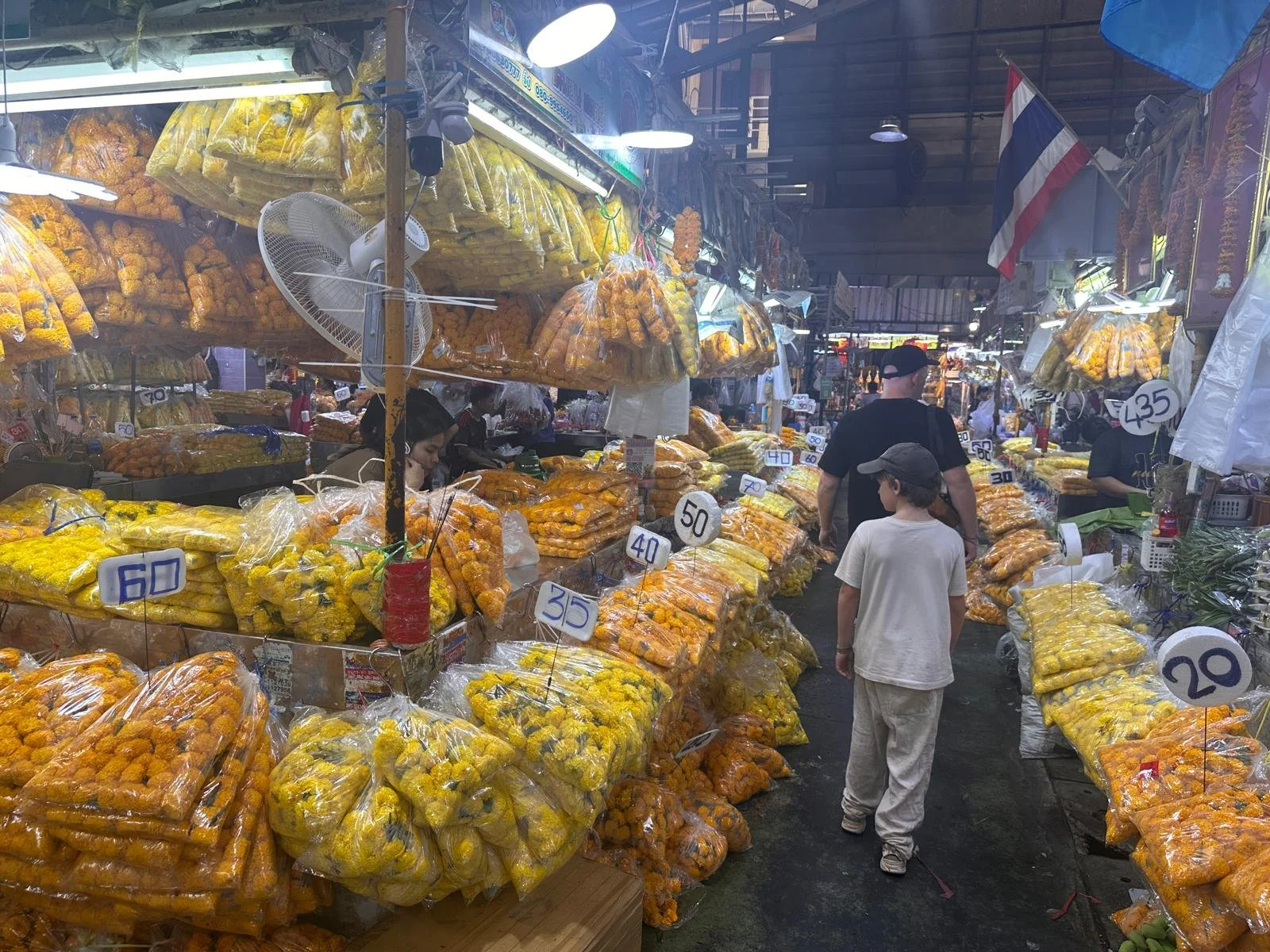
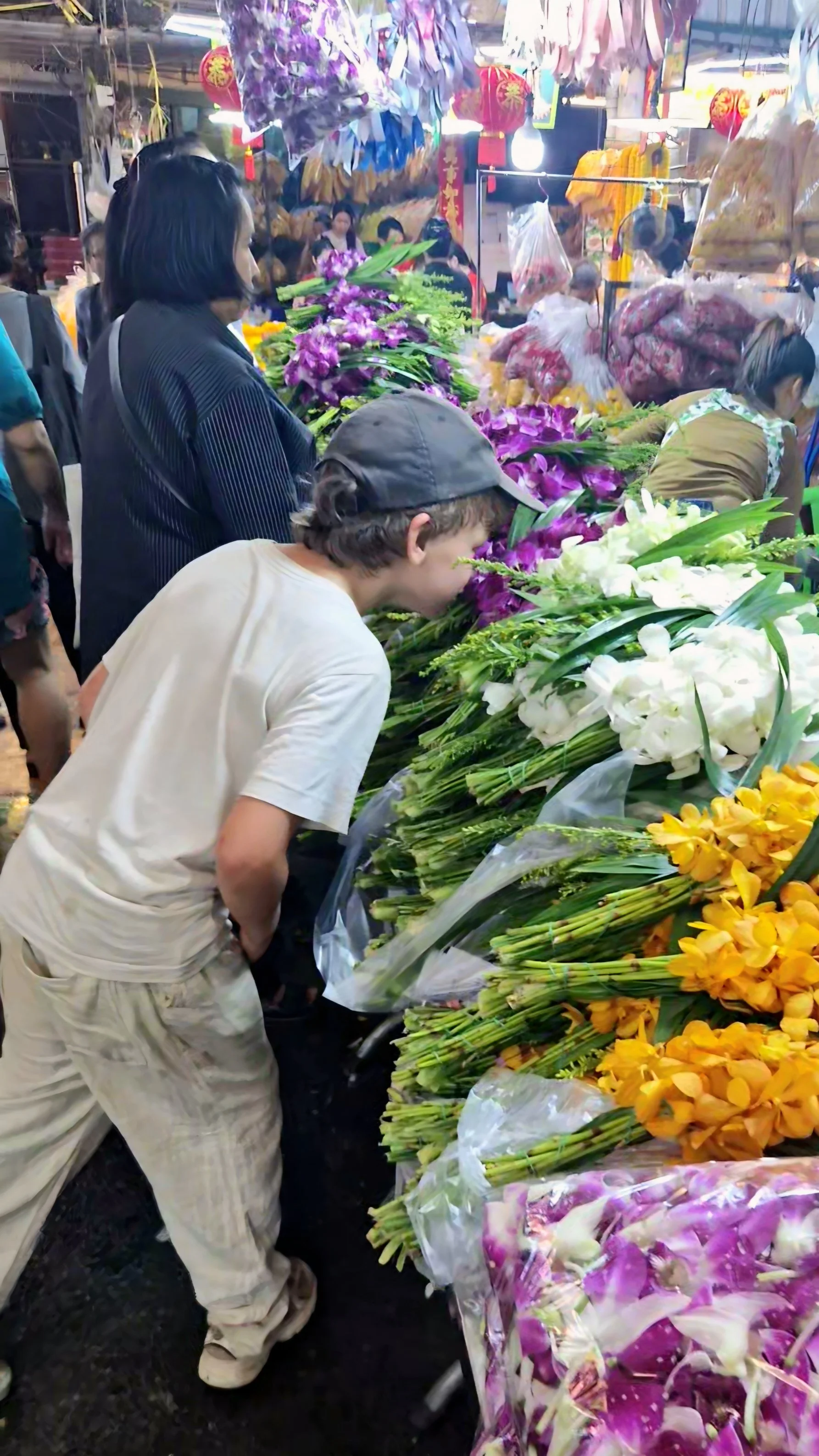
Another must-see in Bangkok is the Chatuchak Weekend Market. As the name suggests, the market only opens on Saturdays and Sundays, and it’s world-famous for being the largest weekend market in the world. With around 17,000 stalls it’s impossible to see everything in one visit, yet it’s incredibly inviting to simply stroll through, stop for a bite to eat, and discover the astonishing variety of goods on offer. Amid the many stalls selling knockoff clothing you’ll also find genuine highlights , small local fashion labels, artisanal craftsmanship, and unique pieces you won’t spot elsewhere. Another market worth visiting is the Flower Market, Pat Khlong Talat, which is less touristy but no less compelling. We took a boat to get there and were thoroughly captivated by the sights and the intense fragrance of fresh flowers, many of which are made into phuang malai (flower garlands) used to decorate temples as symbols of devotion, respect, and good luck.
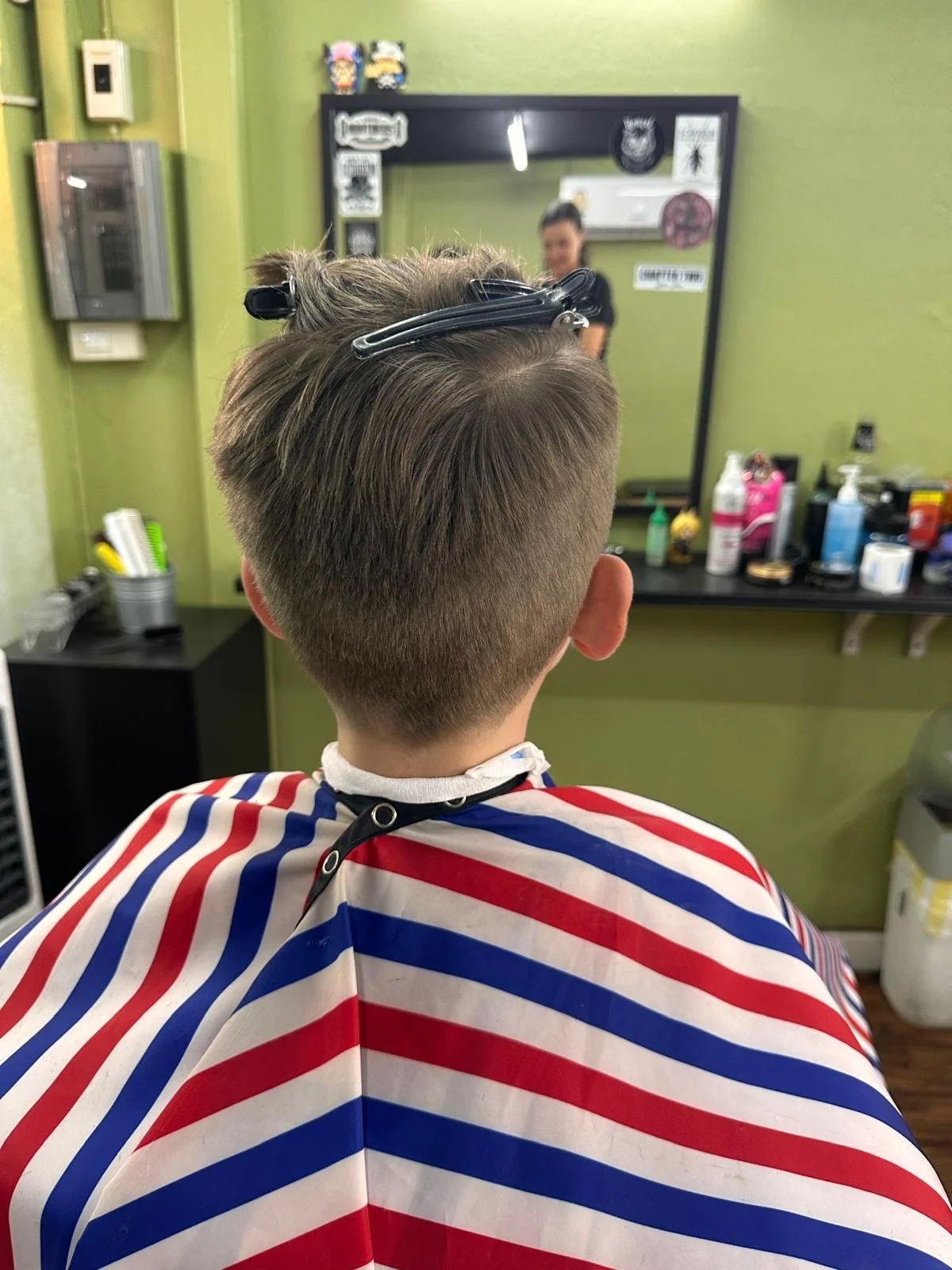
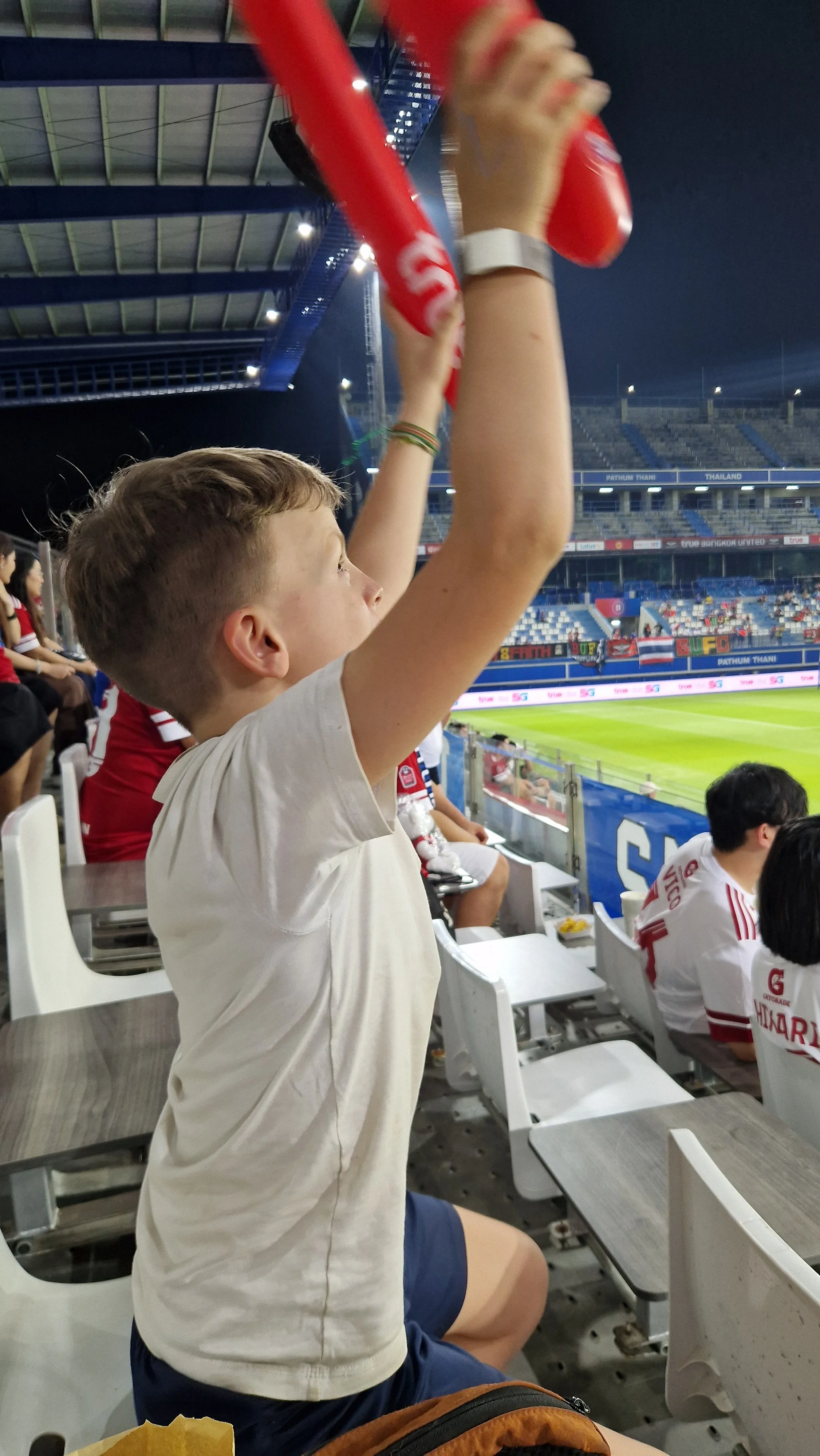
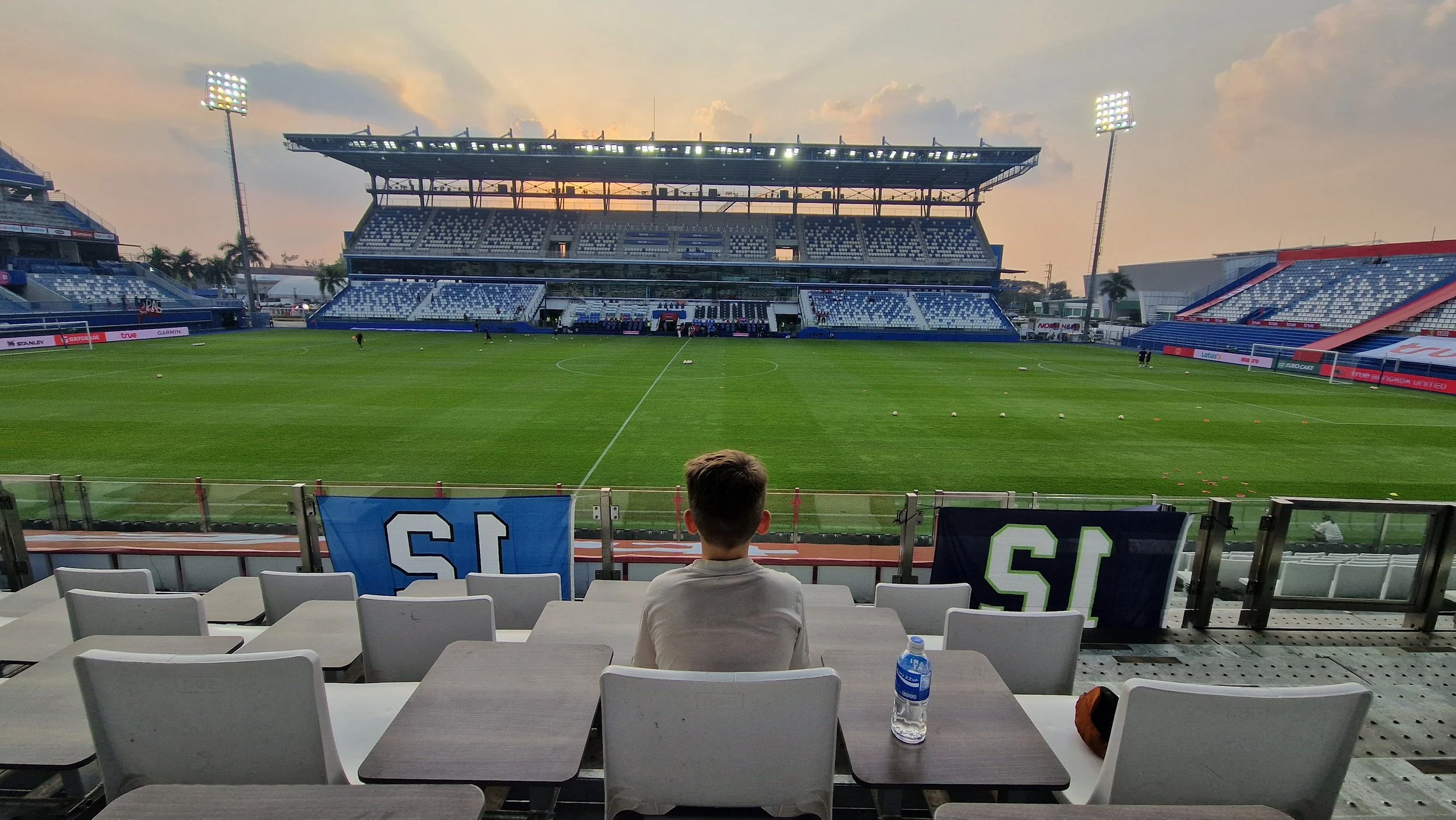
While Sarah and Leni enjoyed a relaxed spa afternoon that included a visit to a local hairdresser and a soothing massage parlour, Oskar and I headed to a local football match, an experience that had been on our bucket list long before we set out on this journey. Bangkok United FC faced fellow Bangkok side Muangthong FC, and we truly enjoyed our time at the True BG Stadium. With tickets reasonably affordable, we splurged on VIP seats that included food and drinks, and were pleasantly surprised not only by the quality of the football but also by the passionate support shown by both home and away fans.
Another pleasant surprise was that a close friend of mine happened to visit Thailand at the same time, and we actually managed to meet up in Bangkok and spend a few leisurely afternoons together in the city. We took another relaxed boat trip along the Chao Phraya River and later visited Ko Kret island north of Bangkok. The island is perfectly sized for renting bicycles and slowly exploring the many little streets on wheels, and the small cafés along the water are especially inviting for an occasional refreshing drink or snack.
We had a wonderful time in Bangkok and truly enjoyed our stay, but yesterday, on the 26th of February, we waved goodbye to this vibrant, impressive city and headed to the airport early in the morning to catch yet another flight to yet another country. One that hadn’t really been on our list until now: South Korea! Country number 20 on our journey. We hadn’t originally planned to visit, but the cheapest flights from Asia to Mexico, our next stop, depart from Seoul, so the decision was quickly made to add Seoul to our itinerary. I’ll share more about Seoul in my next update. Until then, take care and be well!