Luang Prabang, Laos
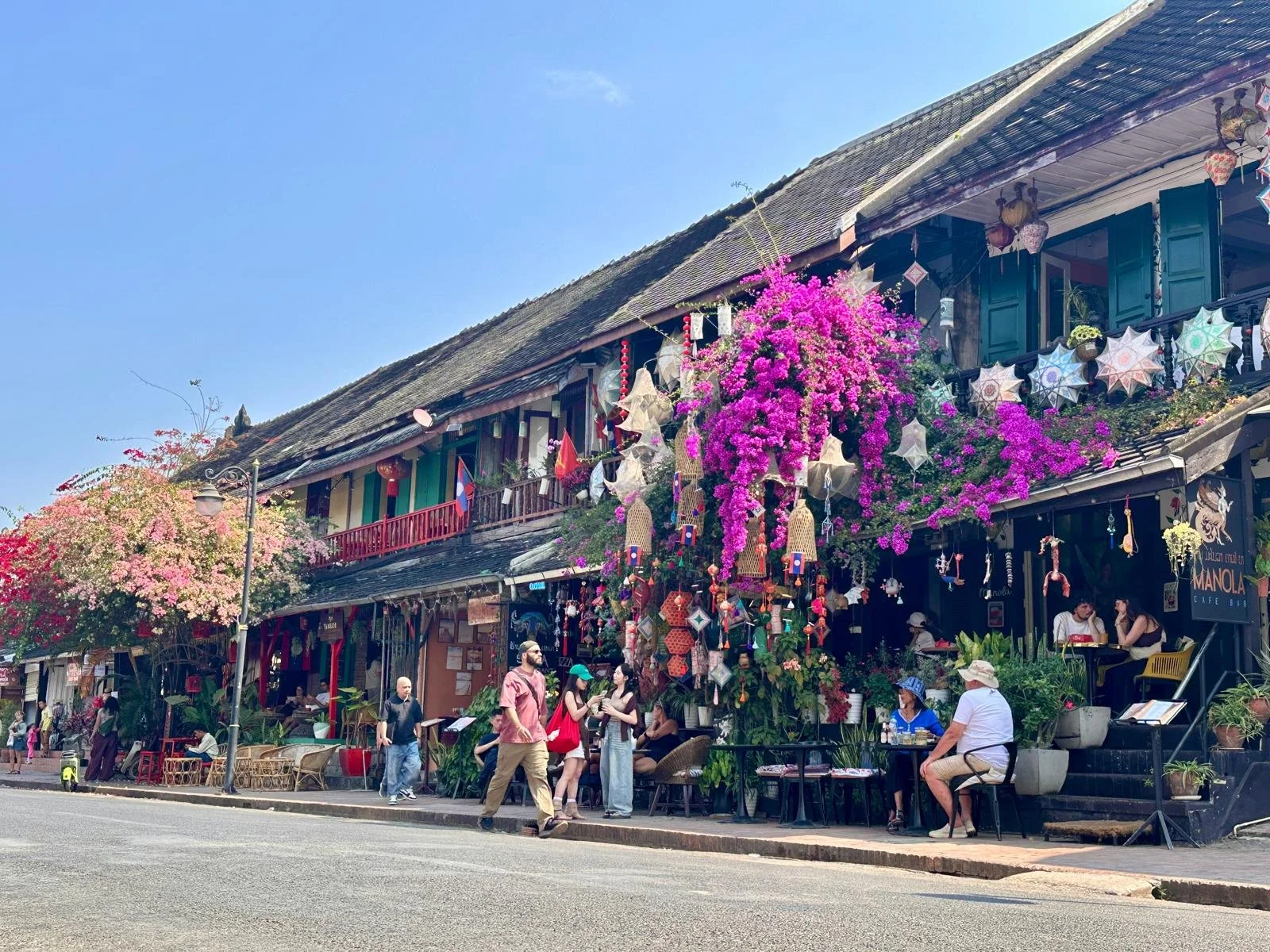
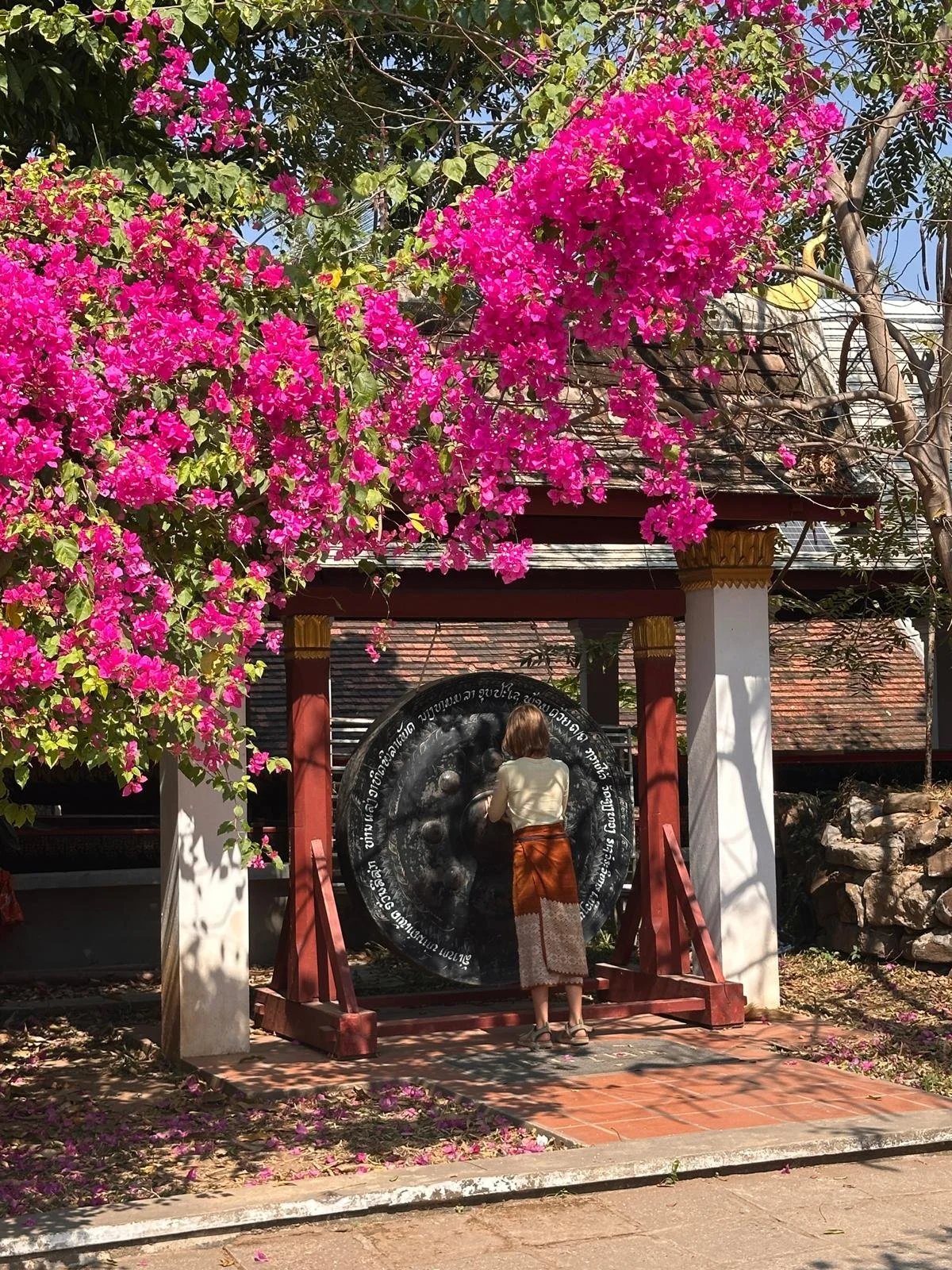
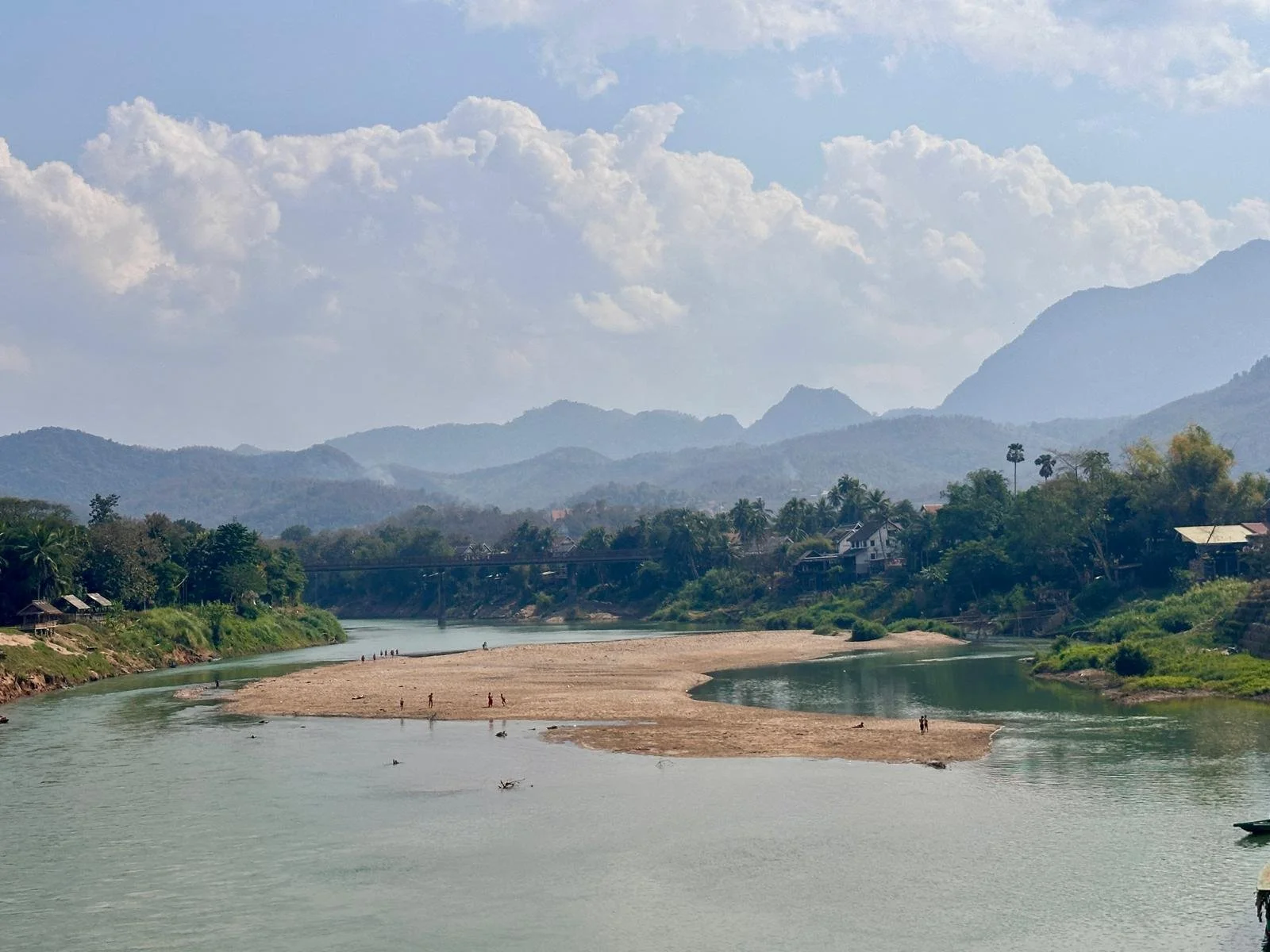
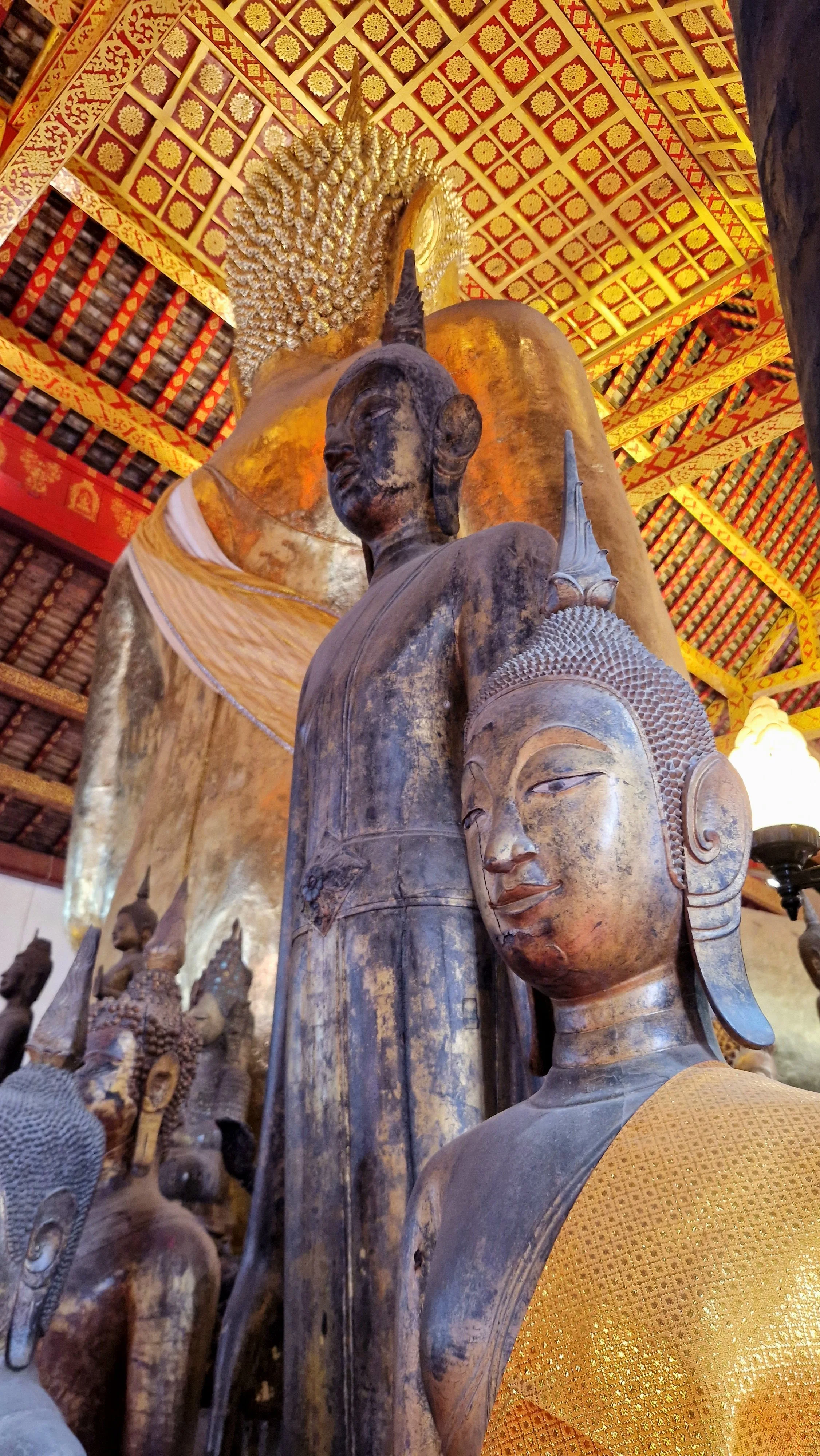
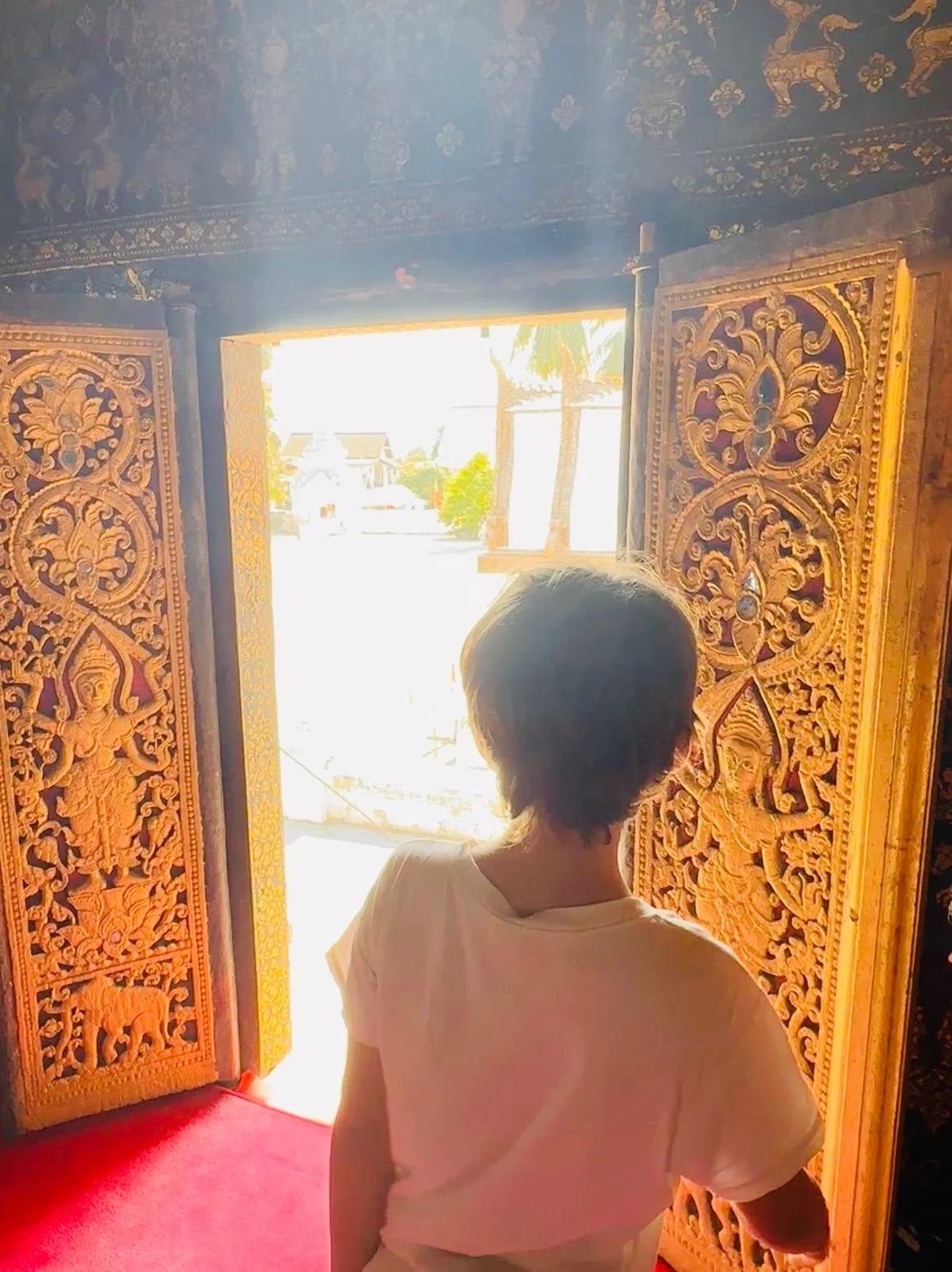
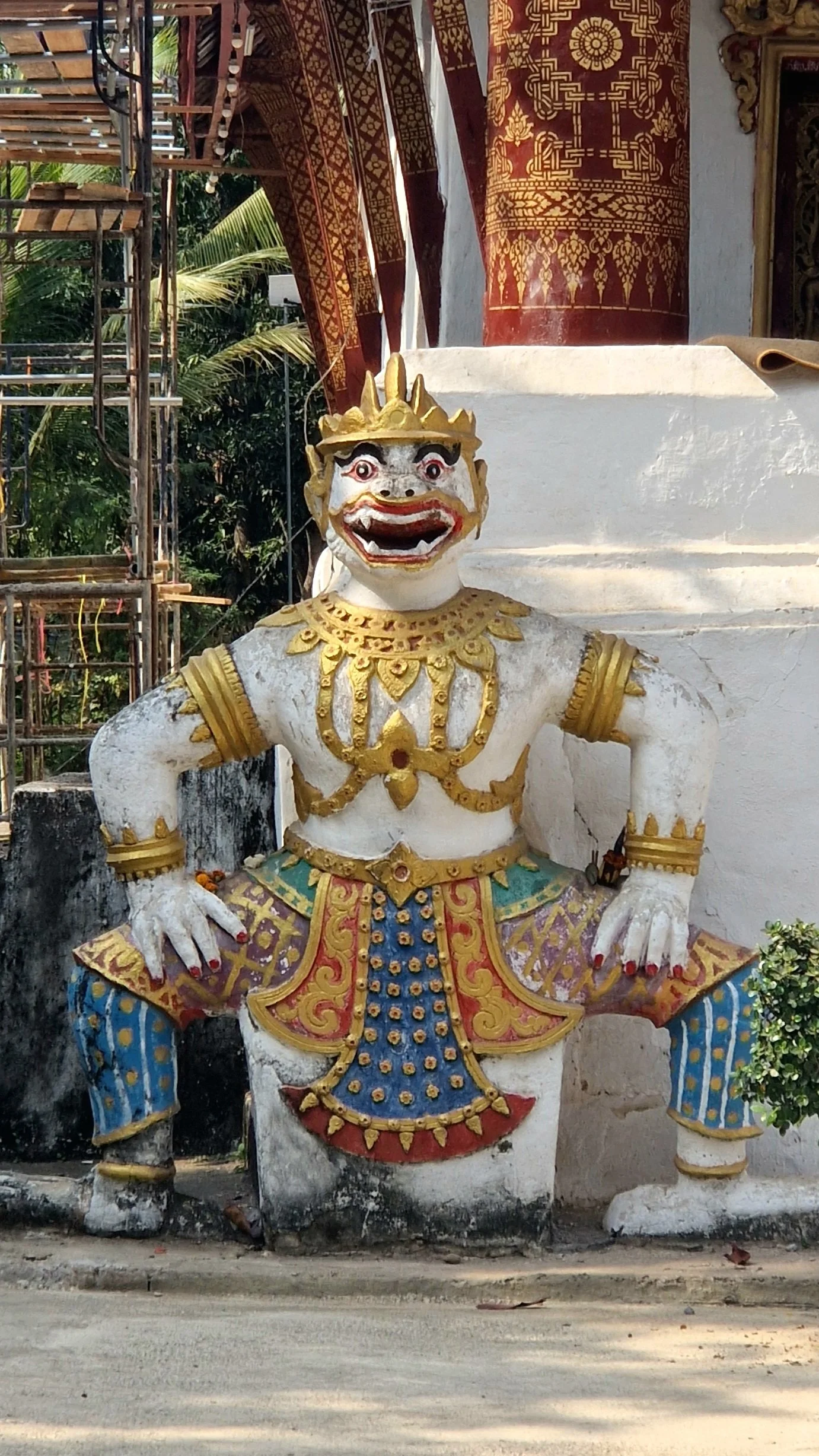
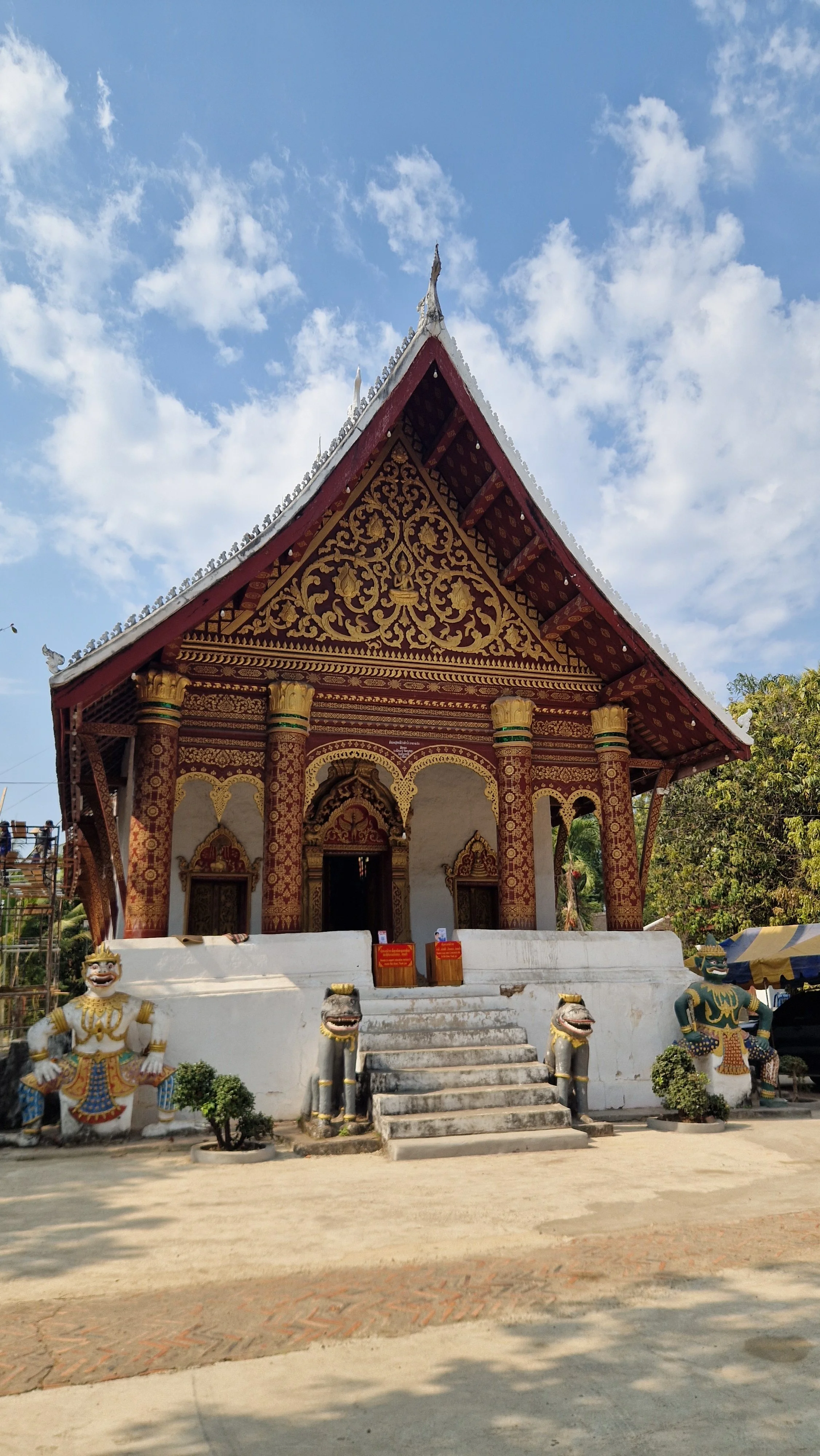
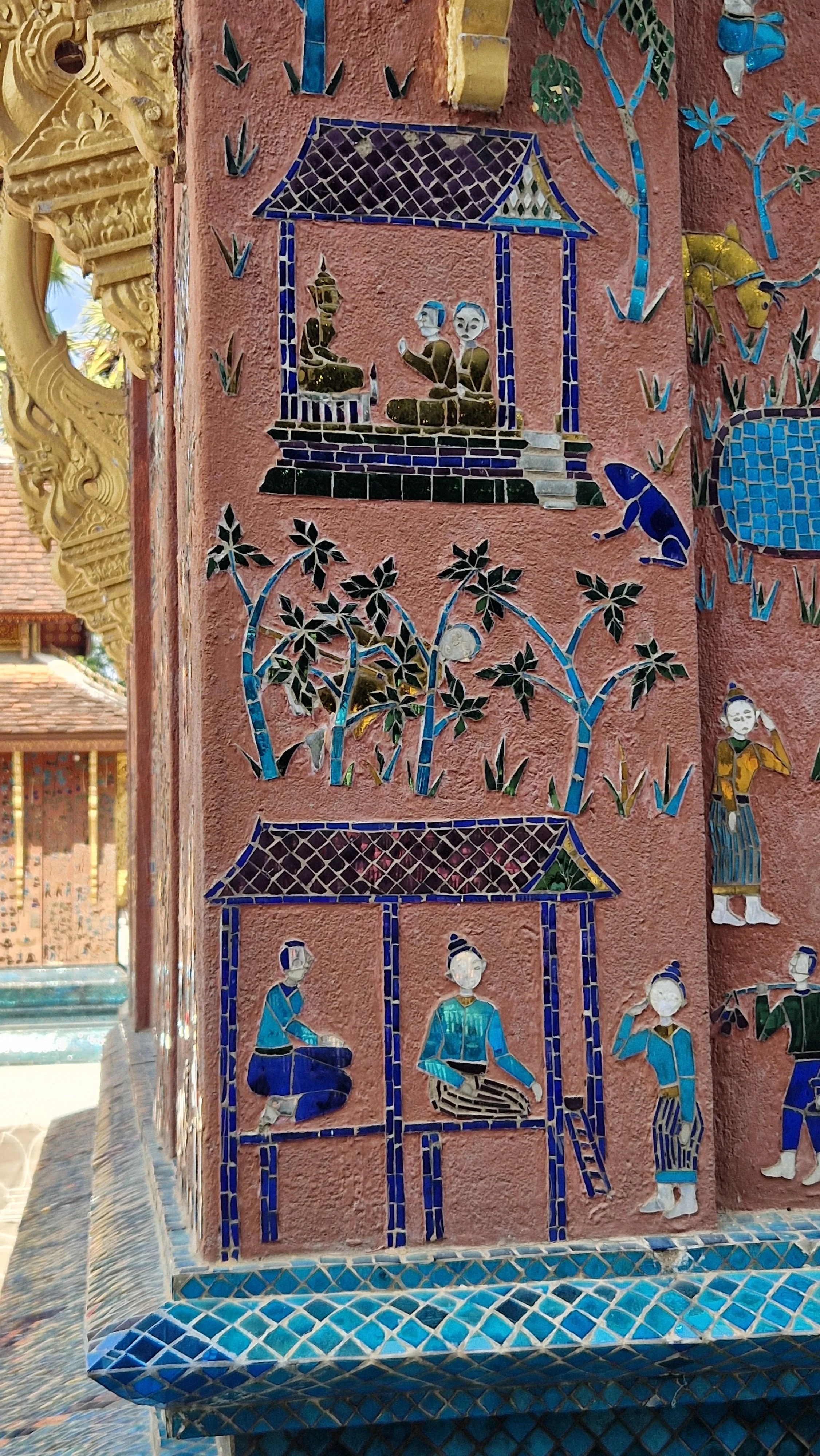
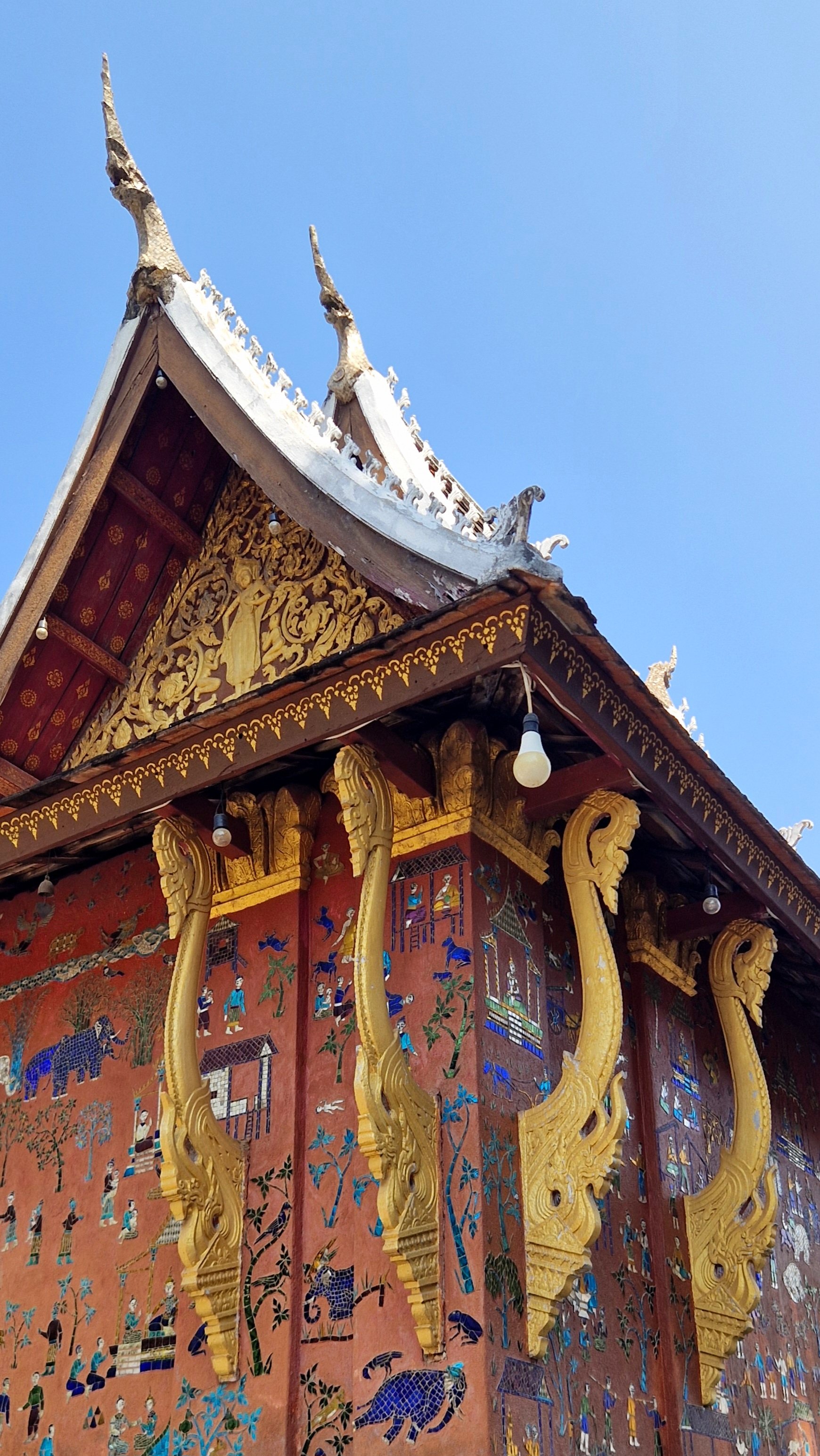
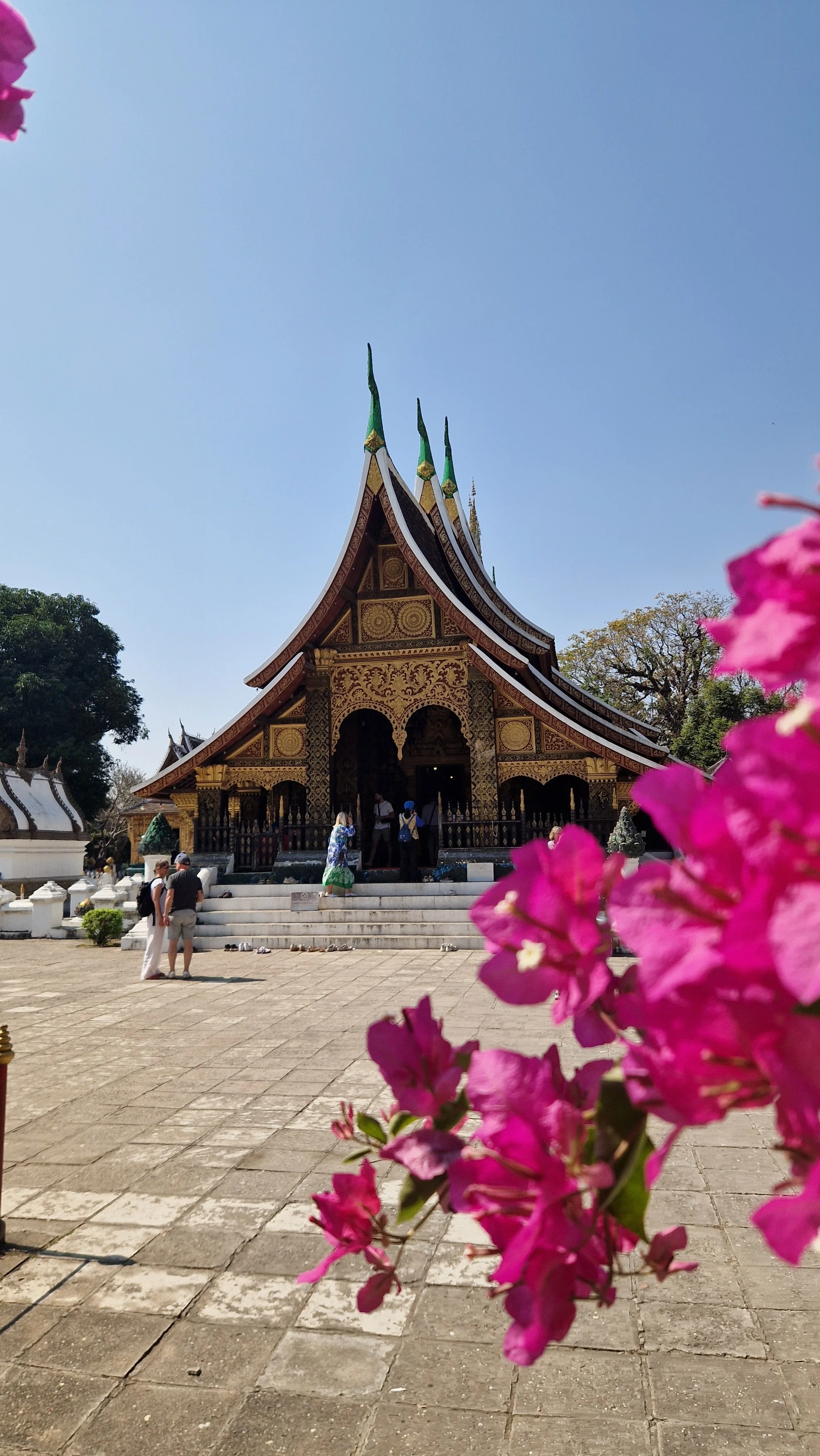
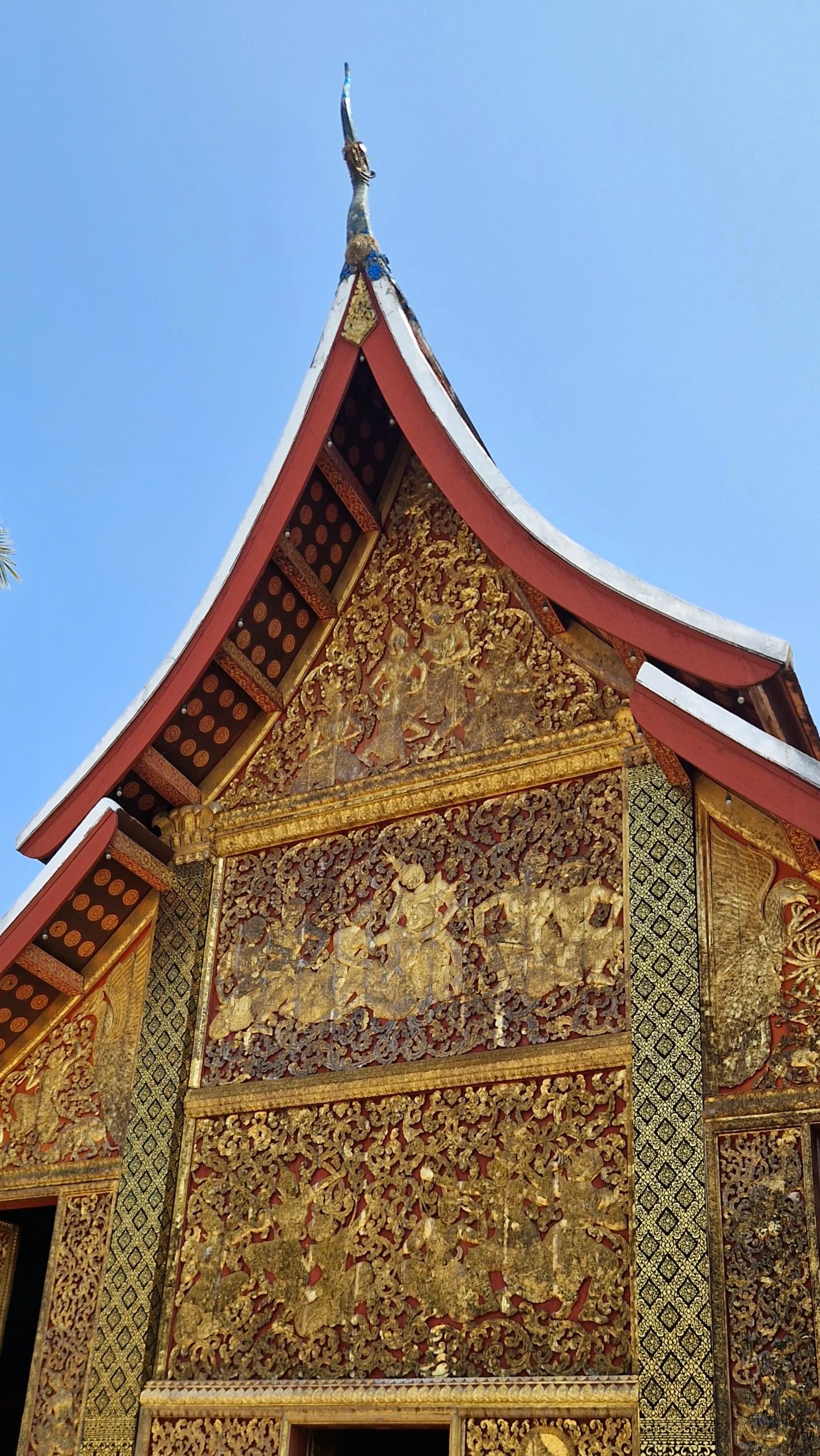
After 10 days outside of Luang Prabang, we moved closer to the city in order to explore the cultural capital of Laos in more detail. Luang Prabang has been around for almost 1,200 years. The city’s history begins as “Muang Sawa”, a small riverside settlement at the confluence of the Mekong and Nam Kan rivers, a trading post long before the modern state of Laos existed. Things changed in the 14th century, when King Fa Ngum founded the Kingdom of Lan Xang, “the Land of a Million Elephants”. He made Luang Prabang his capital and renamed it Xieng Don Xieng Thong. The name Luang Prabang later came from a golden, sacred Buddha statue brought to the city from the Khmer Empire. The statue, called Phra Bang, symbolised legitimate kingship so strongly that whoever held the Phra Bang was regarded as the rightful ruler of Laos. That statue still resides in the Royal Palace Museum today. One of the most important temples in Luang Prabang, Wat Xieng Thong, dates from a period between the 16th and 18th centuries, when the capital was moved to Vientiane, yet Luang Prabang remained the cultural heart of the country. Lan Xang eventually fractured and Luang Prabang became the capital of its own small kingdom, frequently caught between its more powerful neighbours - Siam, Vietnam and China. Toward the end of the 19th century the French arrived and incorporated the city into French Indochina. Colonial villas were added to the city’s architectural palette, but the old town was largely preserved and still feels remarkably intact. We spent quite a bit of time wandering the old town, admiring Wat Xieng Thong and the other temples, browsing a public library in search of literature, or simply enjoying a slow afternoon in one of the many French bakeries dotted around the city. Luang Prabang has a very laid-back atmosphere; it almost compels you to slow your pace and relax.
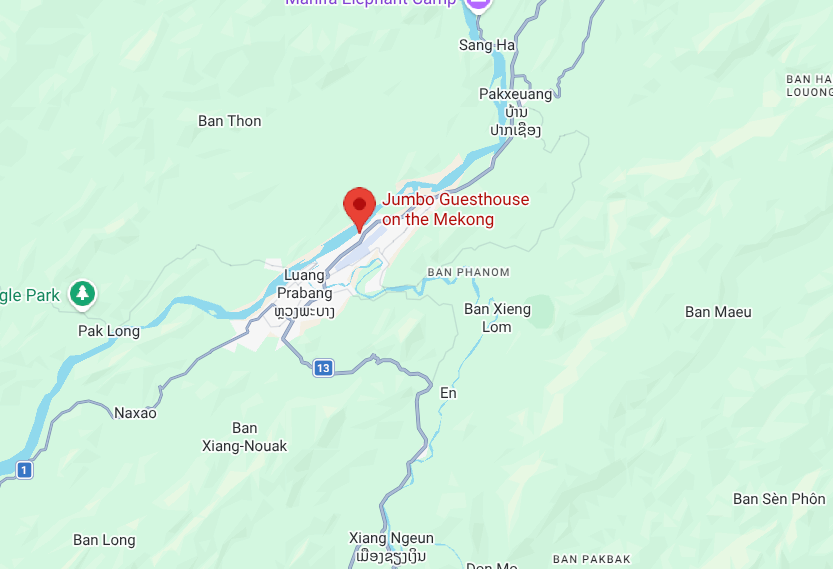
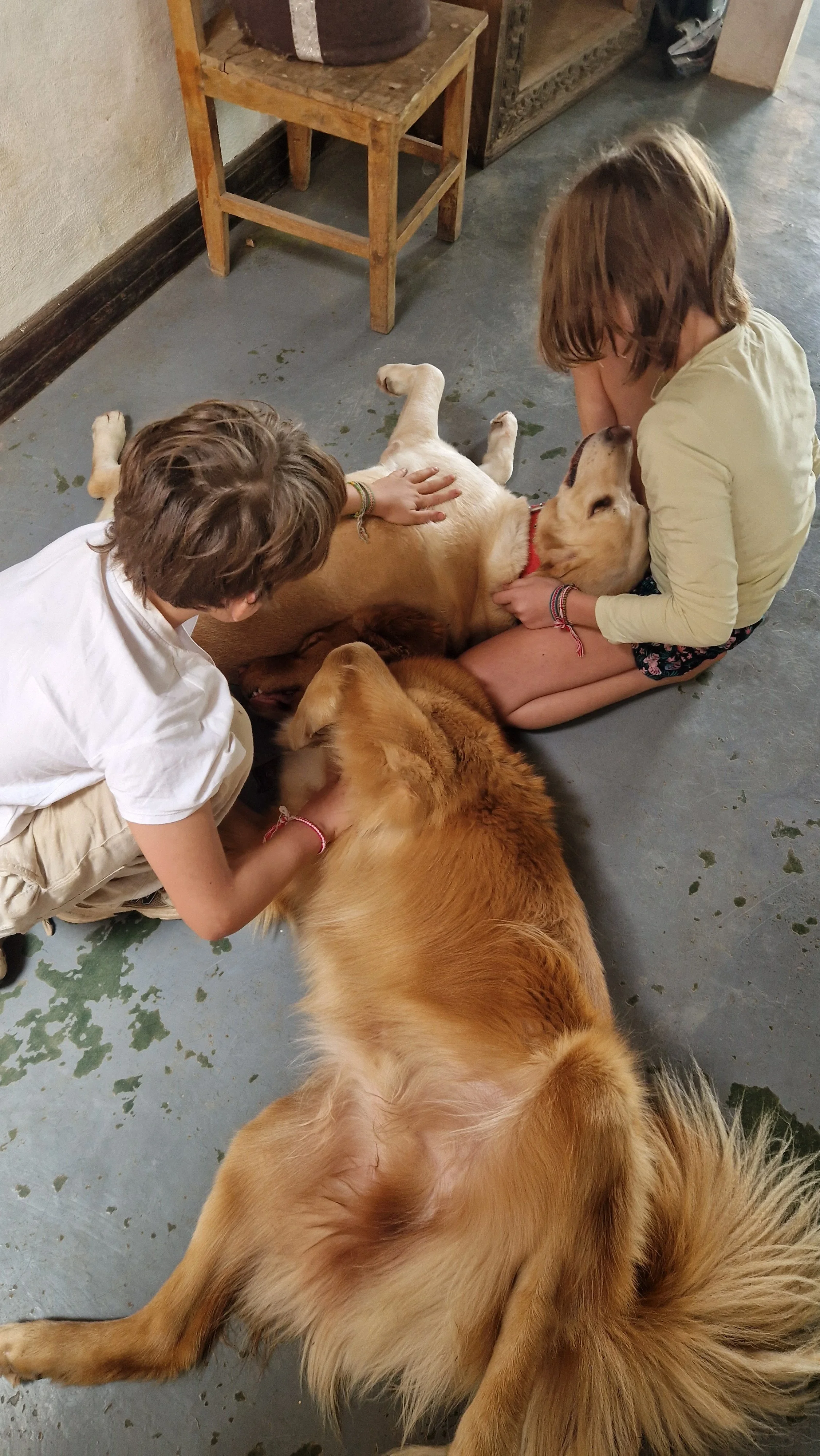
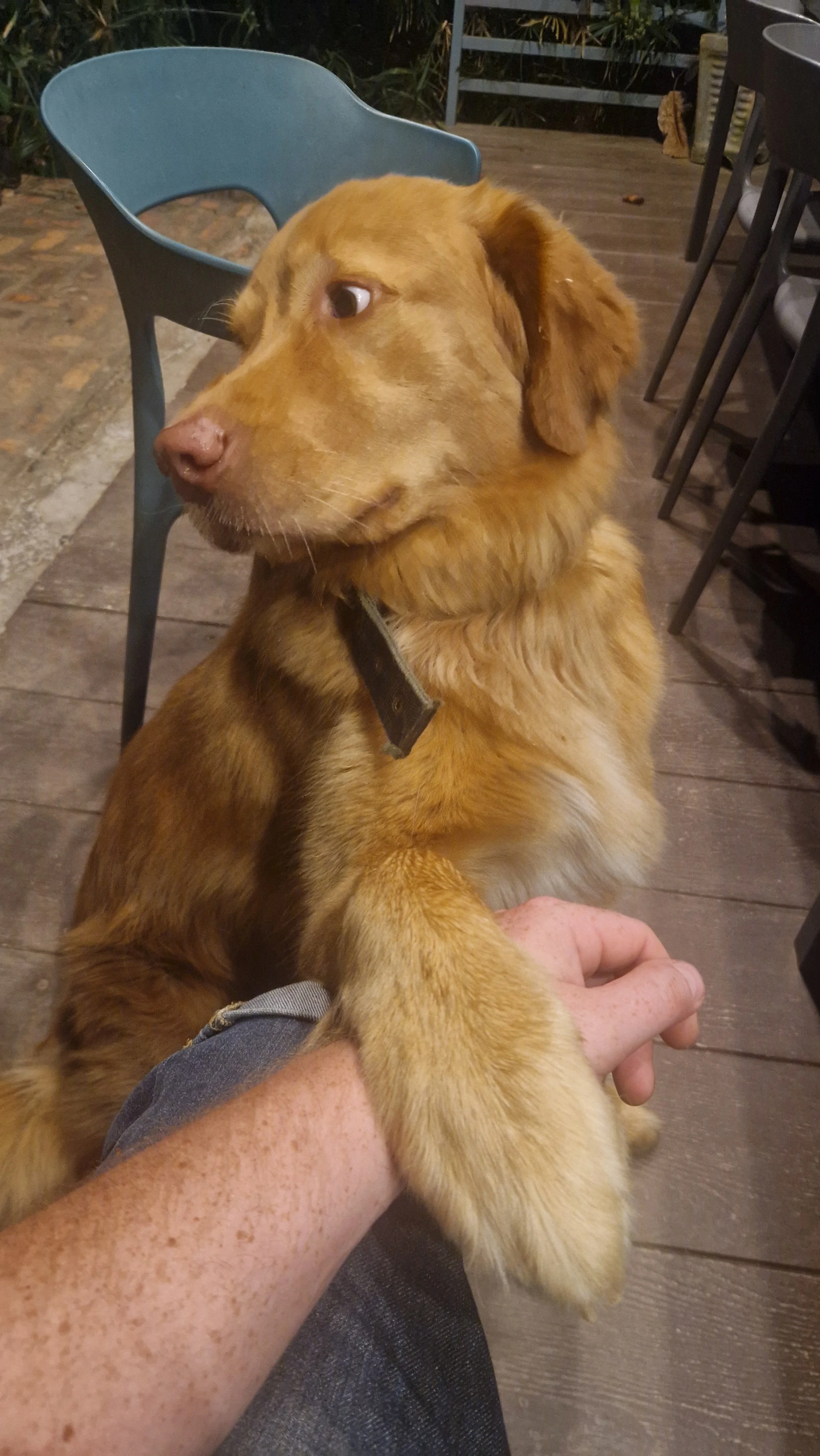
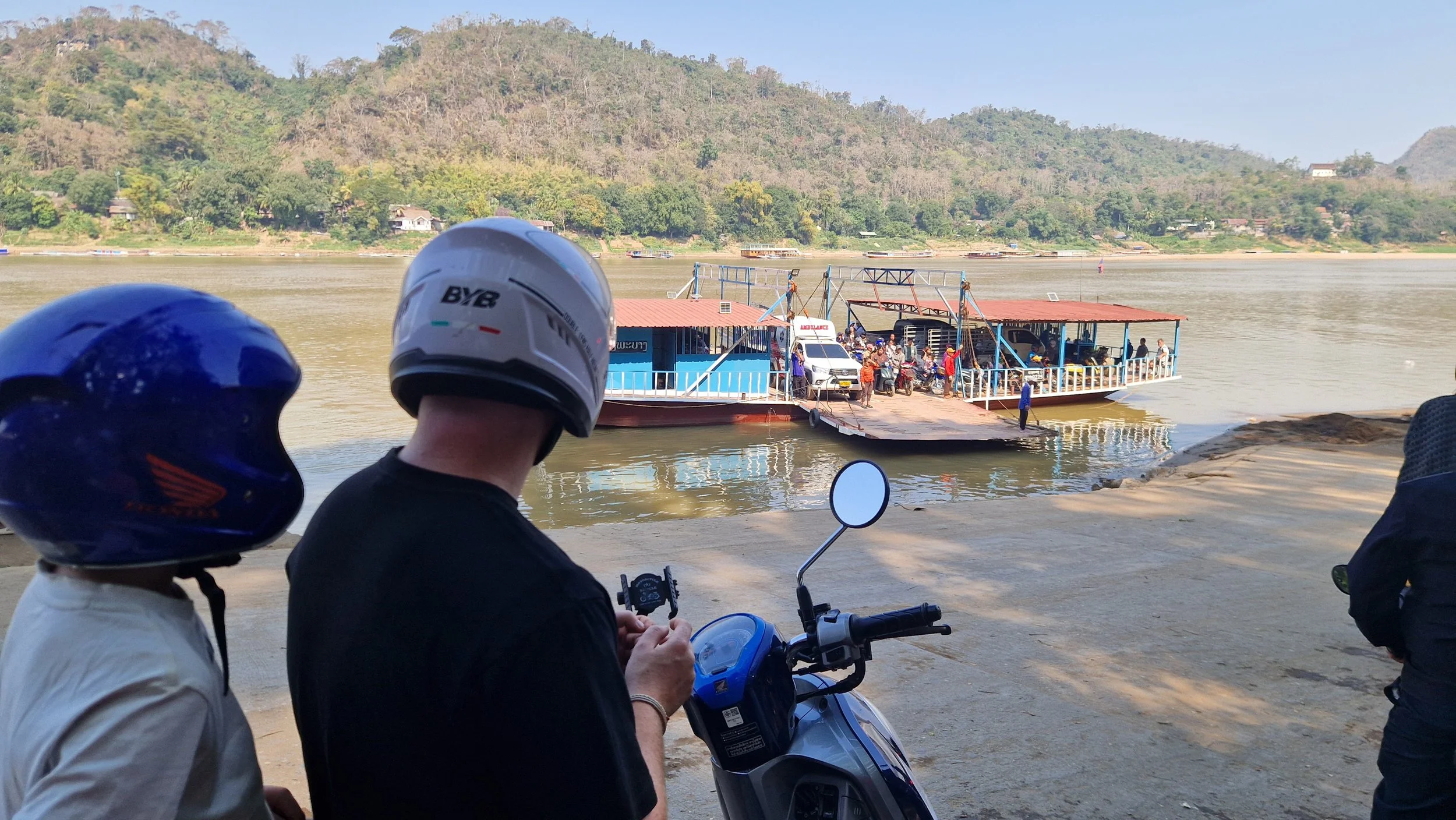
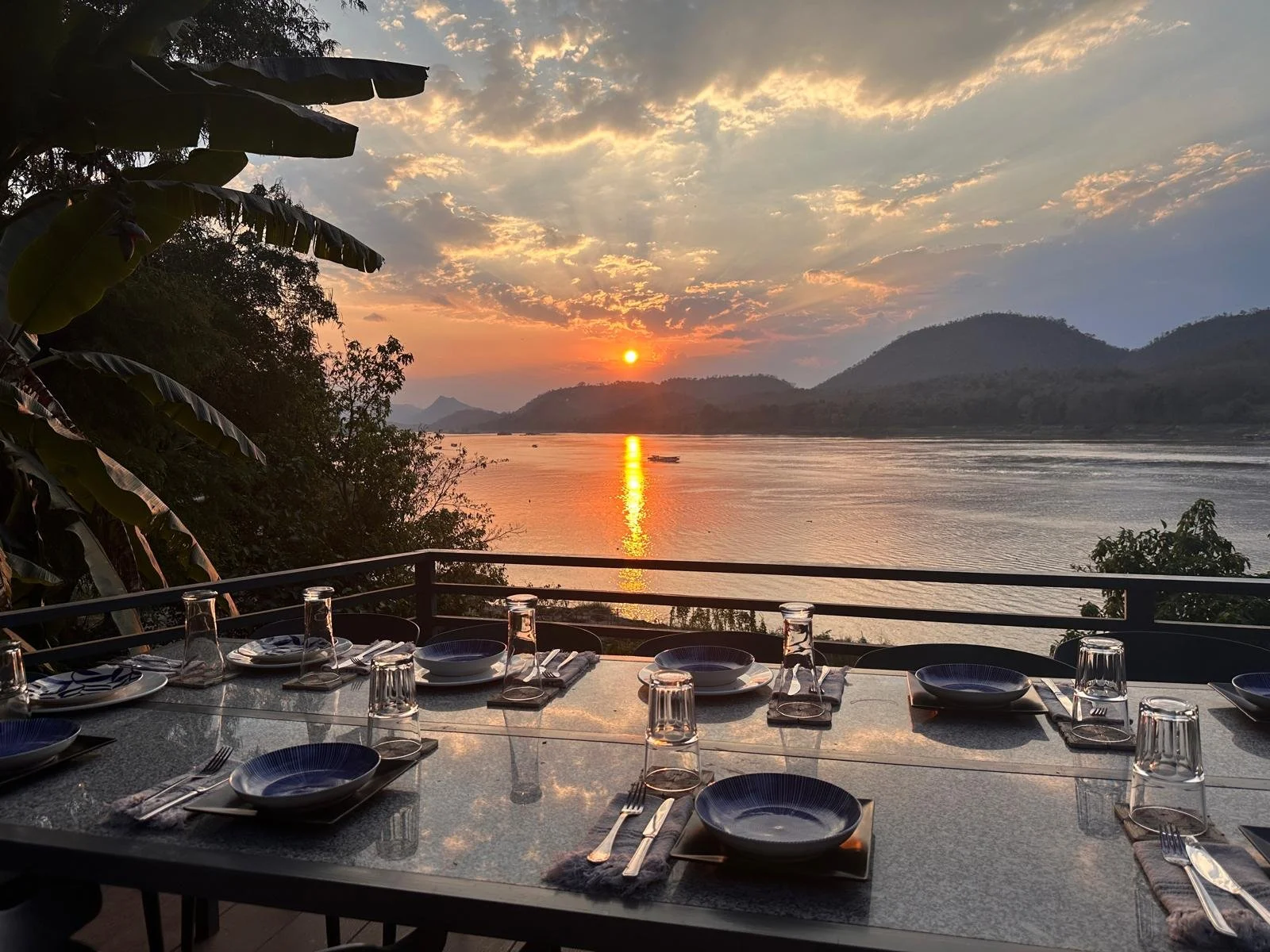
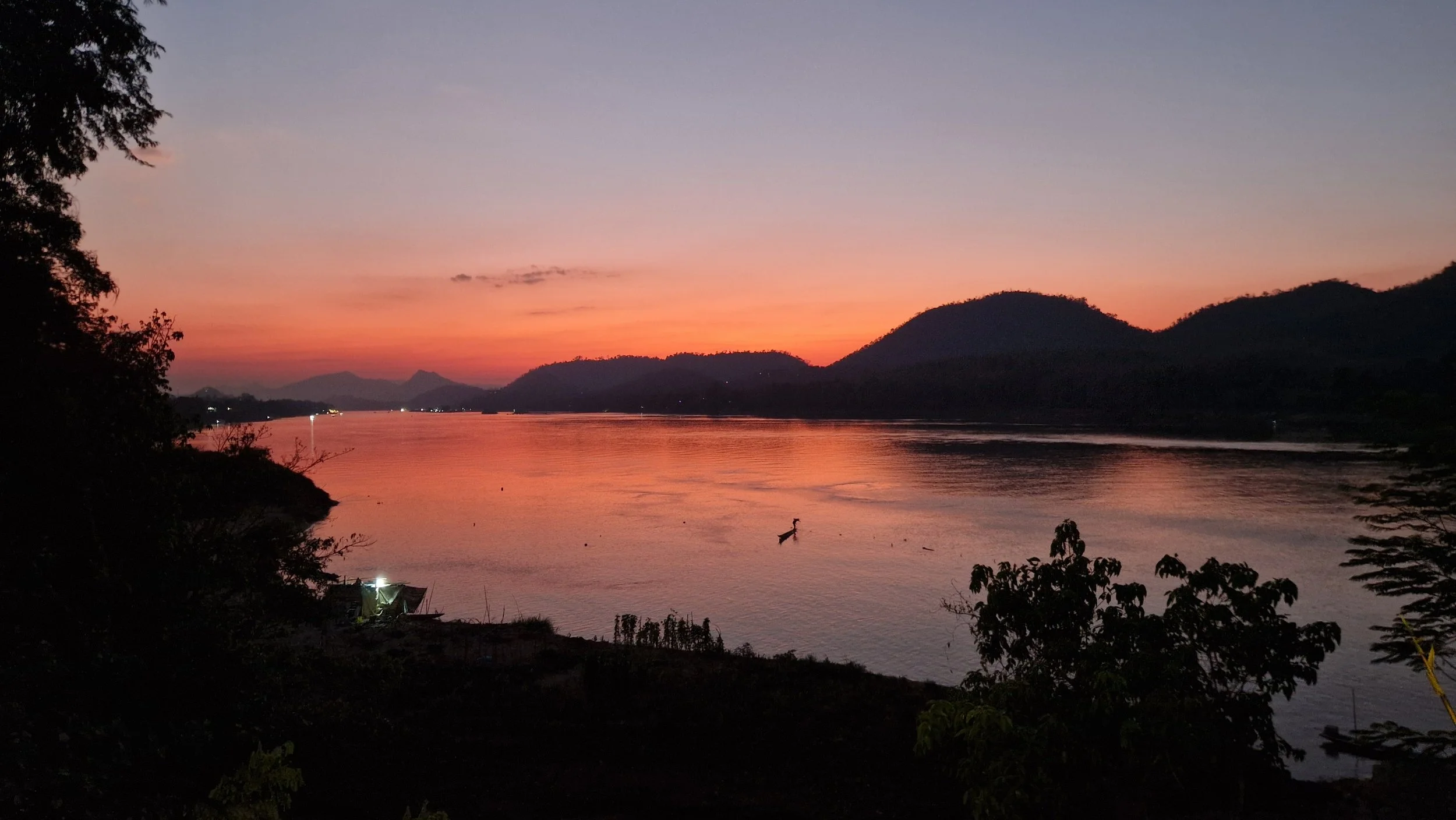
We stayed at the “Jumbo Guesthouse”, run by an Austrian lady that Sarah had been in touch with via one of the active Facebook groups we had already used during our travels, which once again proved to be an excellent tool for planning and connecting. Monika has lived in Laos for 20 years, and we truly enjoyed our time at her little oasis, complete with a magnificent terrace overlooking the Mekong. Her two friendly dogs and four mischievous cats kept the kids happily entertained, and every animal received plenty of daily cuddles. Because the guesthouse is on the outskirts of town, we rented scooters to stay flexible - another good decision, as we made full use of them throughout our stay.
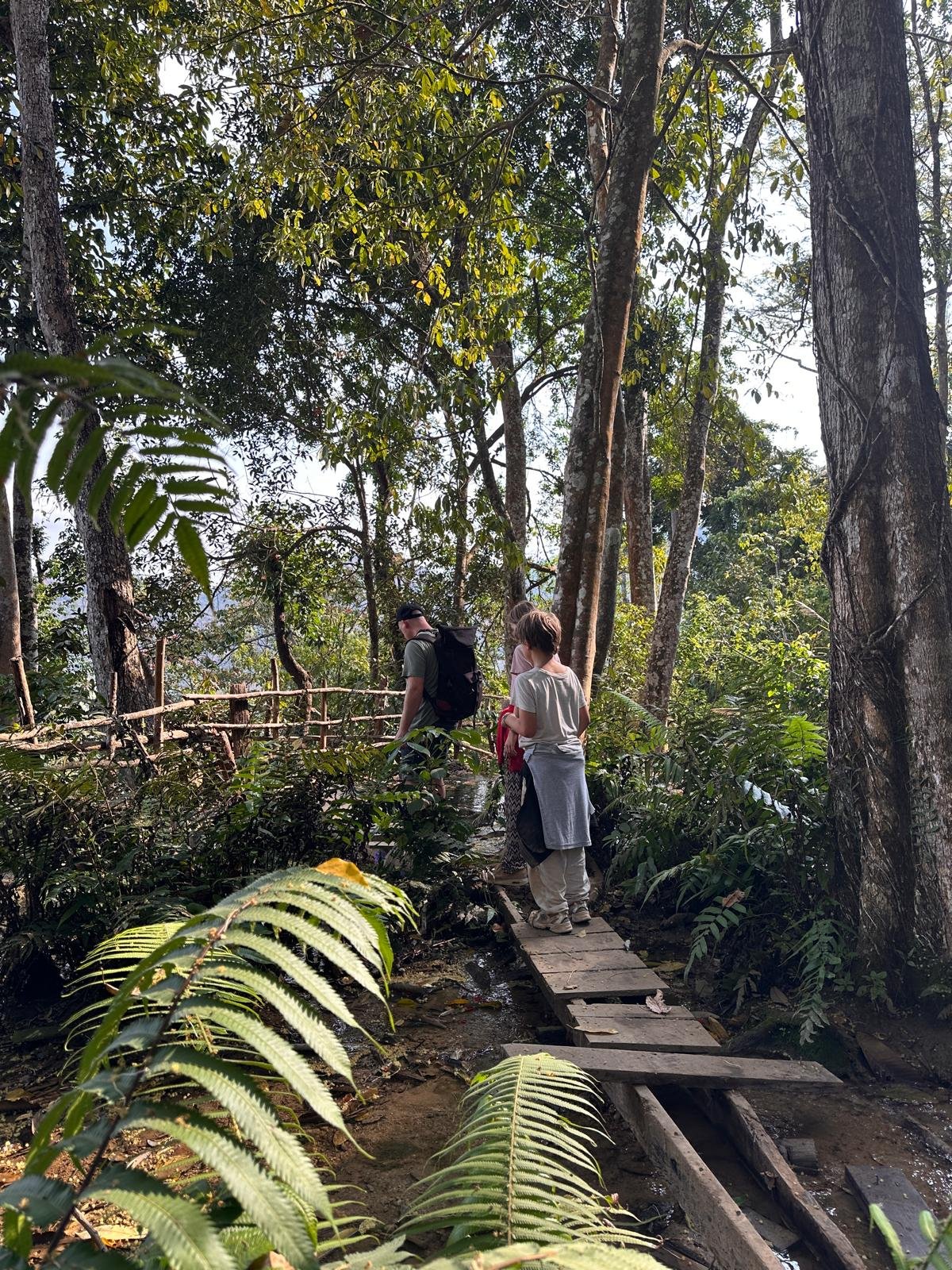
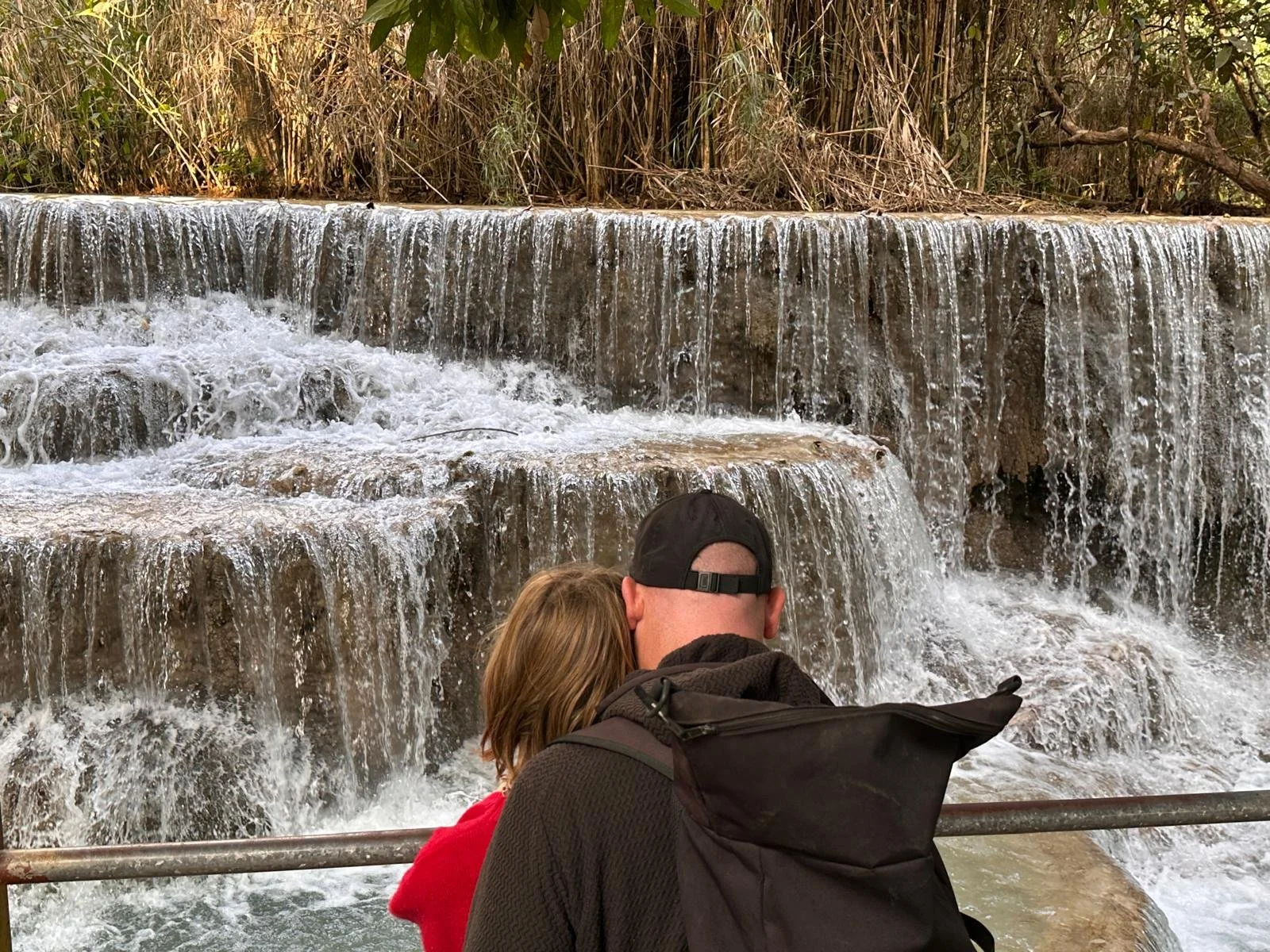
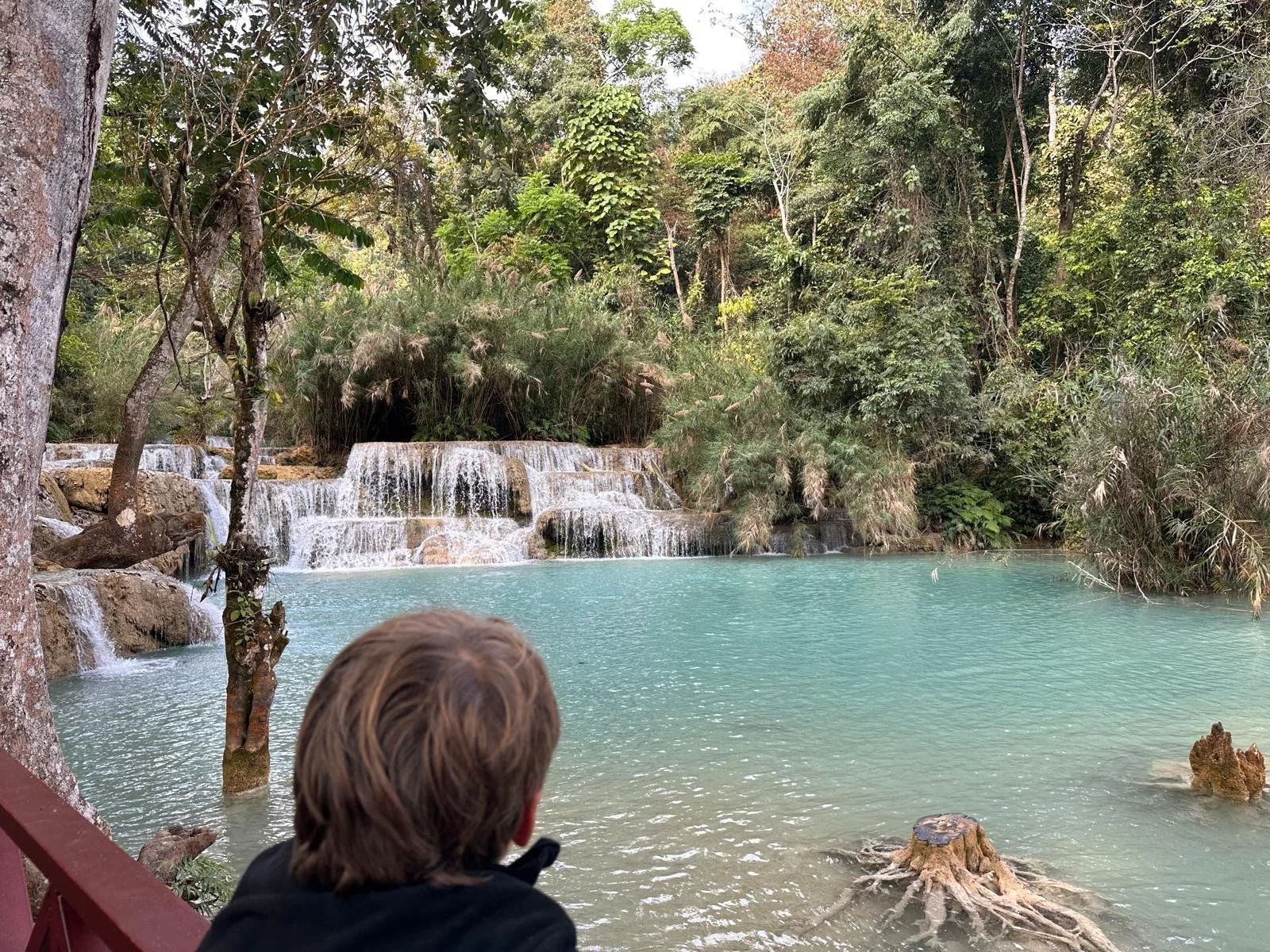
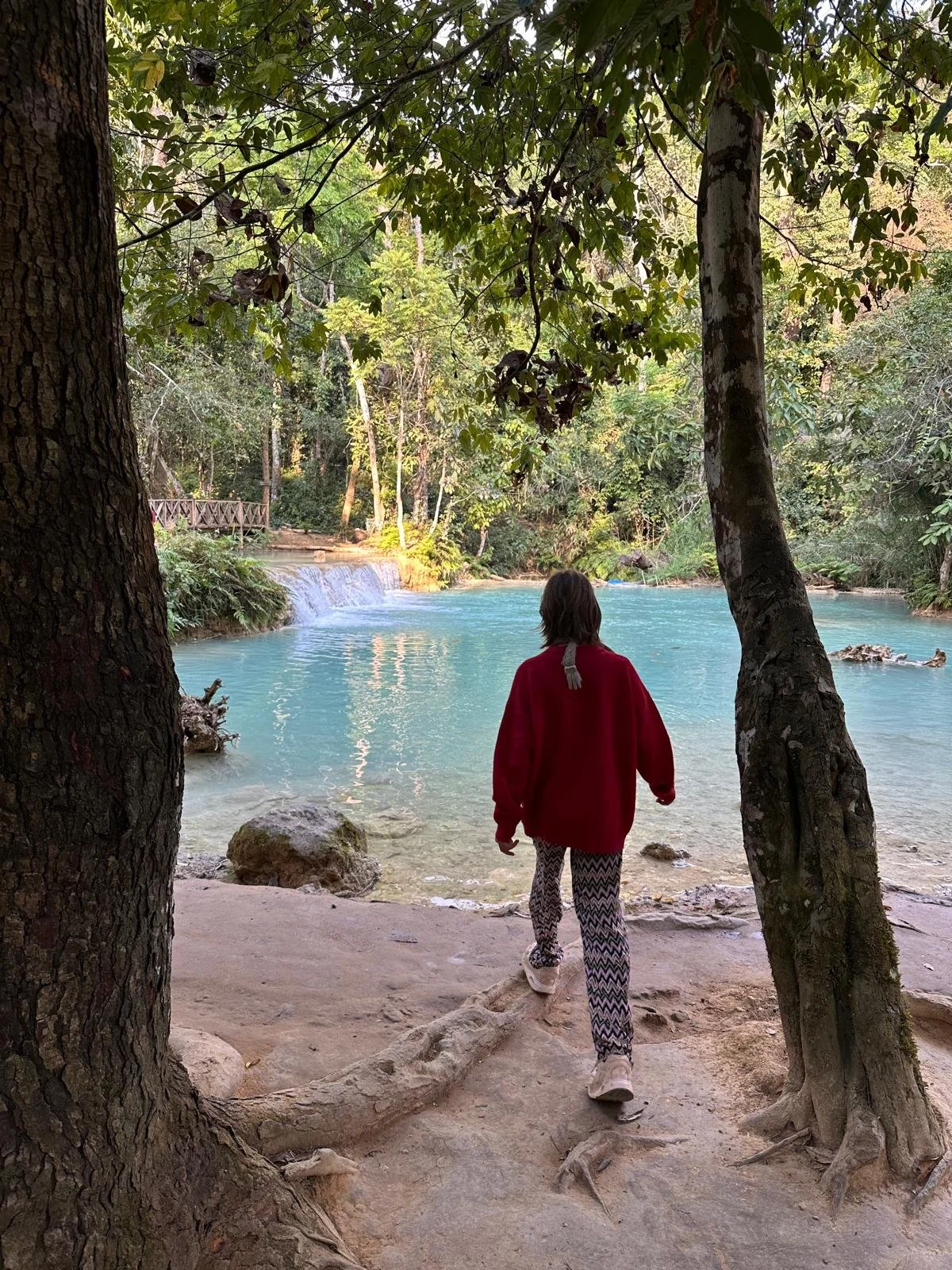
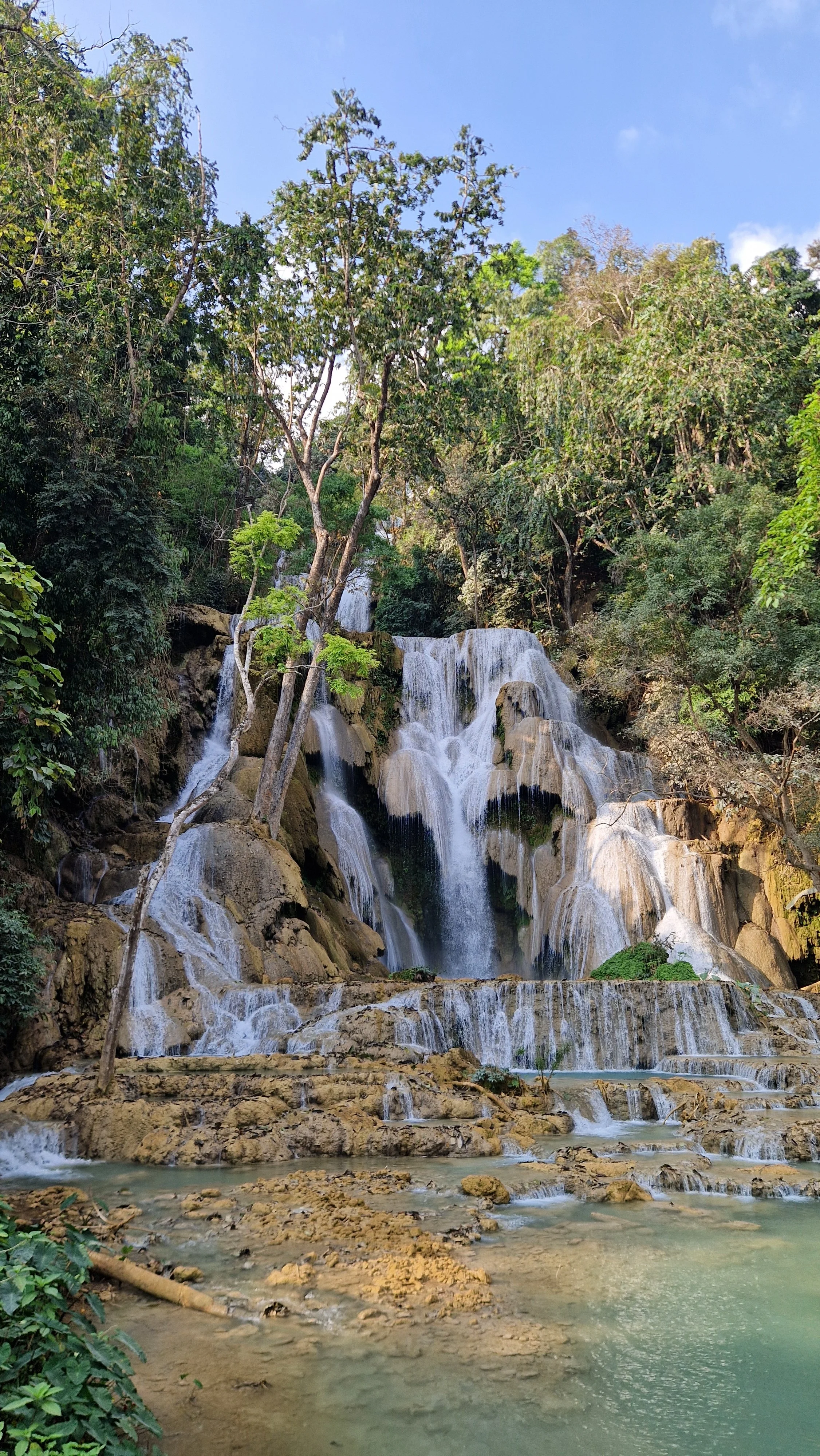
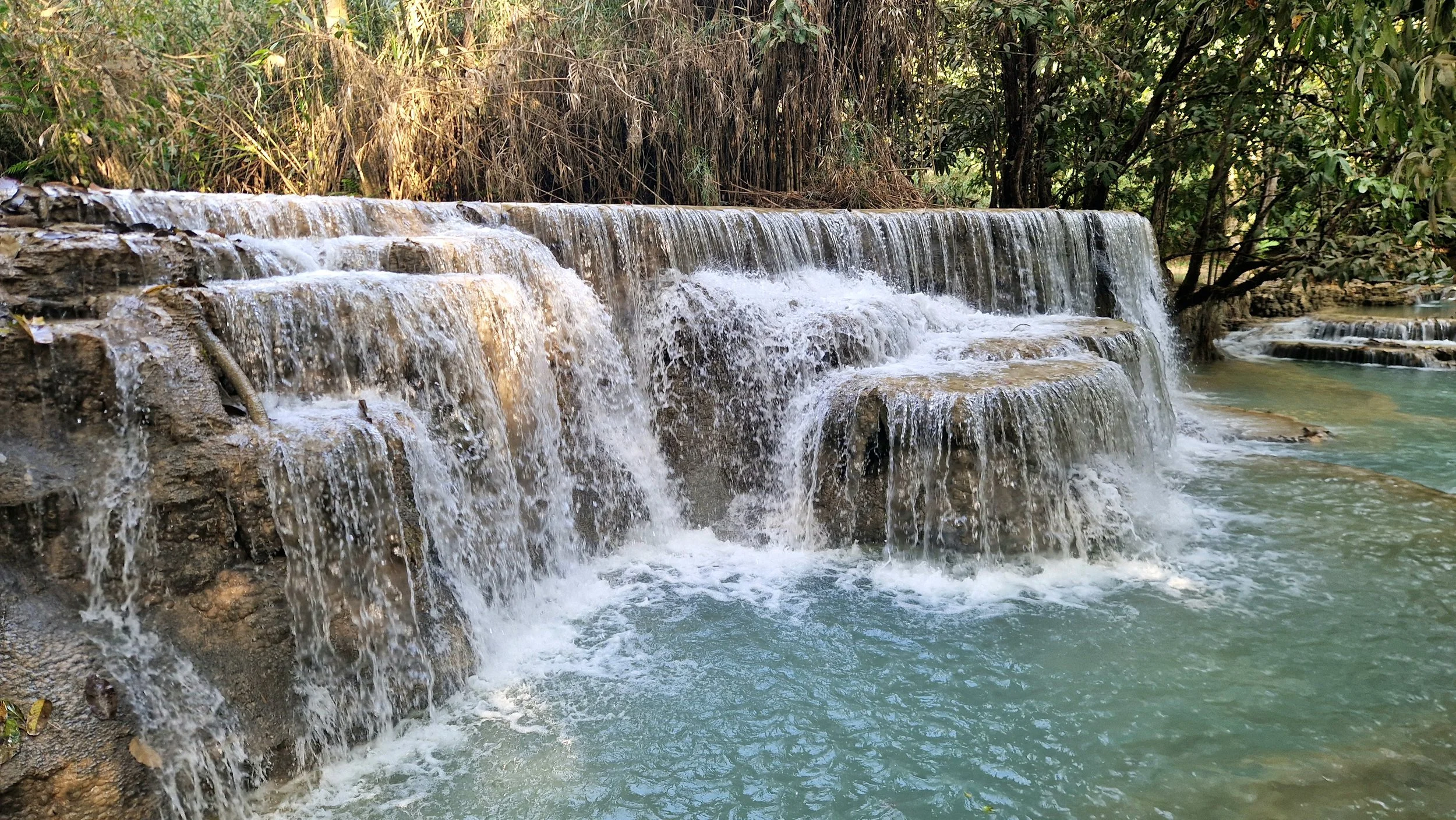
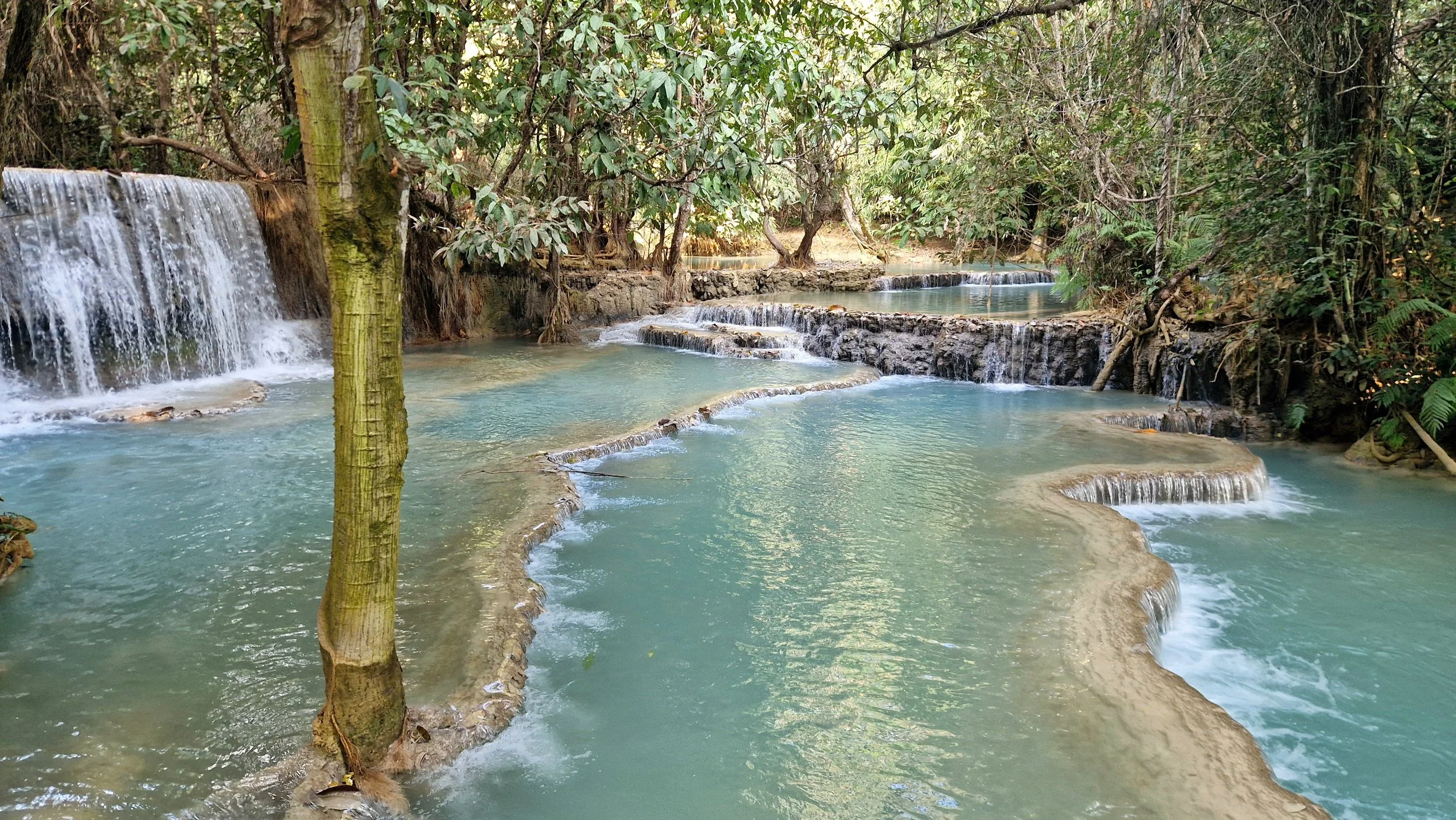
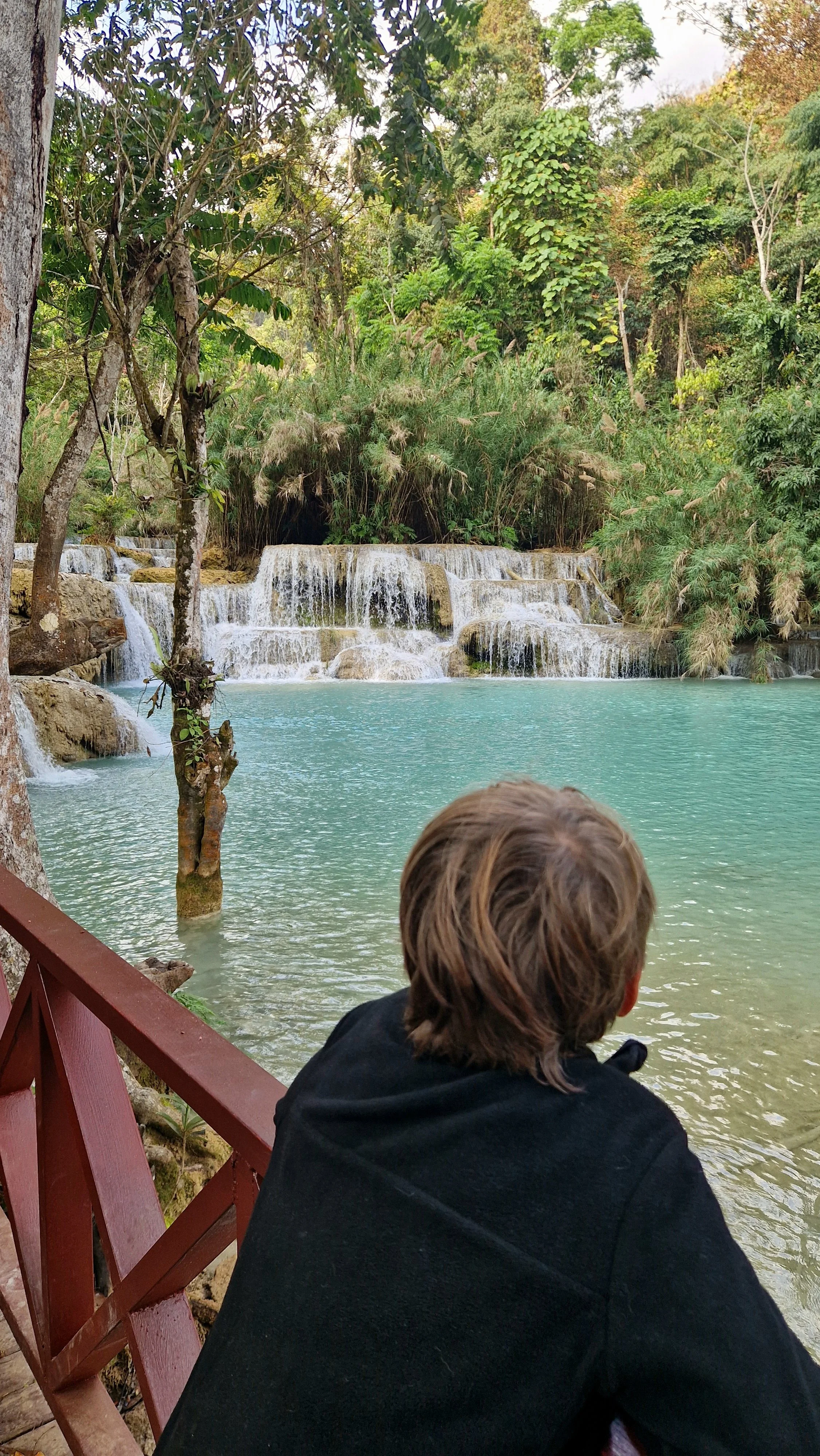
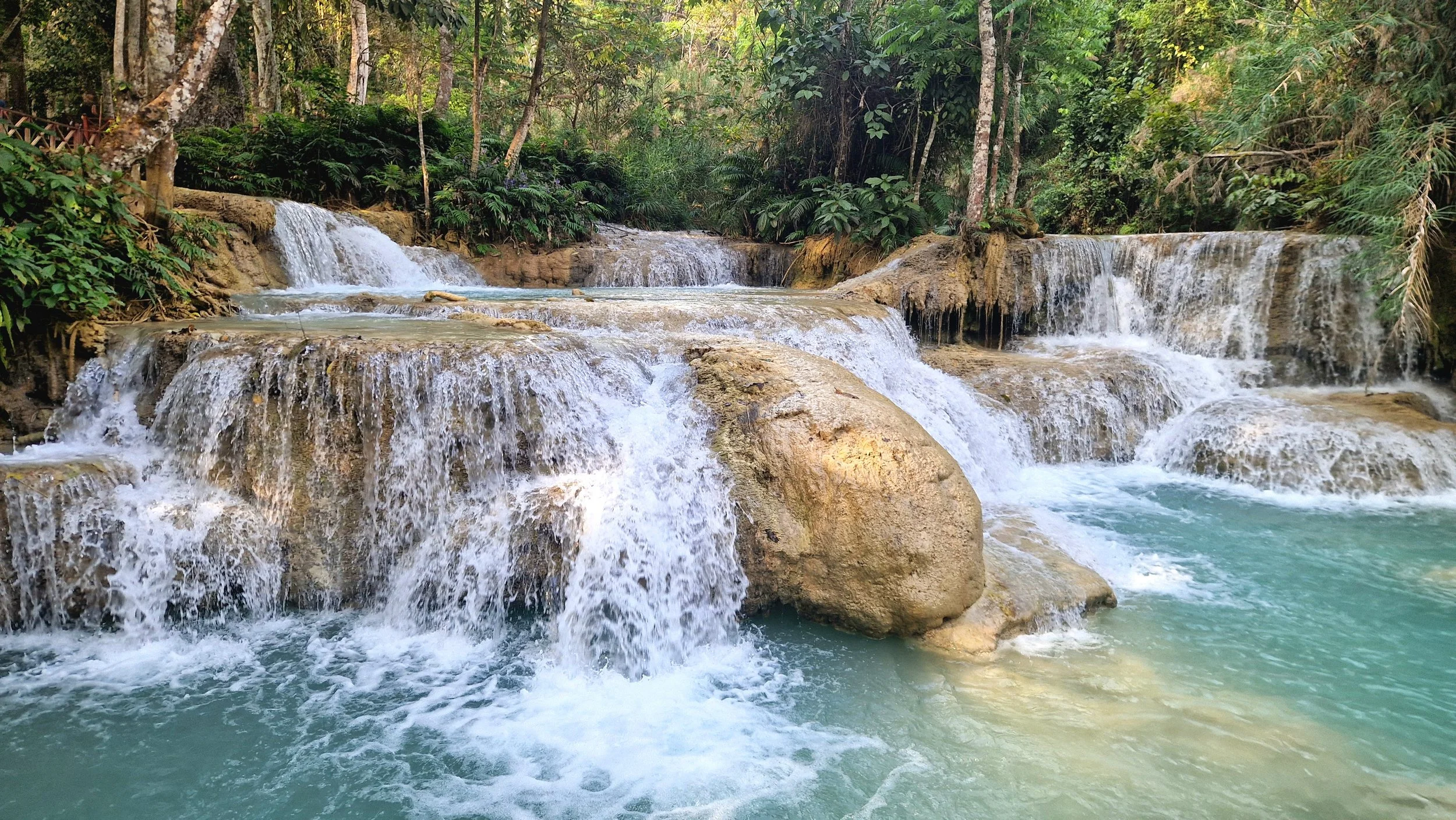
One of the highlights of our stay in Luang Prabang was a trip to the Kuang Si waterfalls, located about 30 kilometres outside the city centre. It took us a good hour on our scooters to get there, since the roads are quite adventurous and you need to be on constant lookout for massive potholes that could easily throw you off your bike. Eventually the road becomes unpaved and even more bumpy, so we had to take it easy and pick our lines carefully, watching for loose gravel and sudden dips. However, once we arrived we immediately felt rewarded. We left our guesthouse at around 7 in the morning to reach the falls before the buses bringing tourists from Luang Prabang, and that proved to be an excellent decision. We were almost alone for the first hour or so, and the waterfalls are so incredibly picturesque that it’s hard to believe they aren’t man-made. The main drop is around 60 metres, after which the water flows over three cascade falls across limestone into aquamarine pools, surrounded by lush tropical trees - a very impressive sight that invites you to pause and soak it all in. We climbed a fairly steep path on the right-hand side of the main waterfall (and discovered on our way back that there was a stairset on the other side of the waterfall…) and continued along a roughly 3-kilometre track to reach the spring of the Nam Si River. Once we reached the source, the kids enjoyed a well-deserved splash in the crystal-clear water, laughing and exploring the small riffles and rocks. Once we walked the track back to the main drop of the waterfall, we had already walked around 8 kilometres, so we eventually reached our scooters, well knackered and ready to return to our homestay. There was one important stop on our way back, though: a buffalo farm that sold ice cream made from fresh buffalo milk - a delicious and unexpectedly local treat that rounded off the day perfectly.
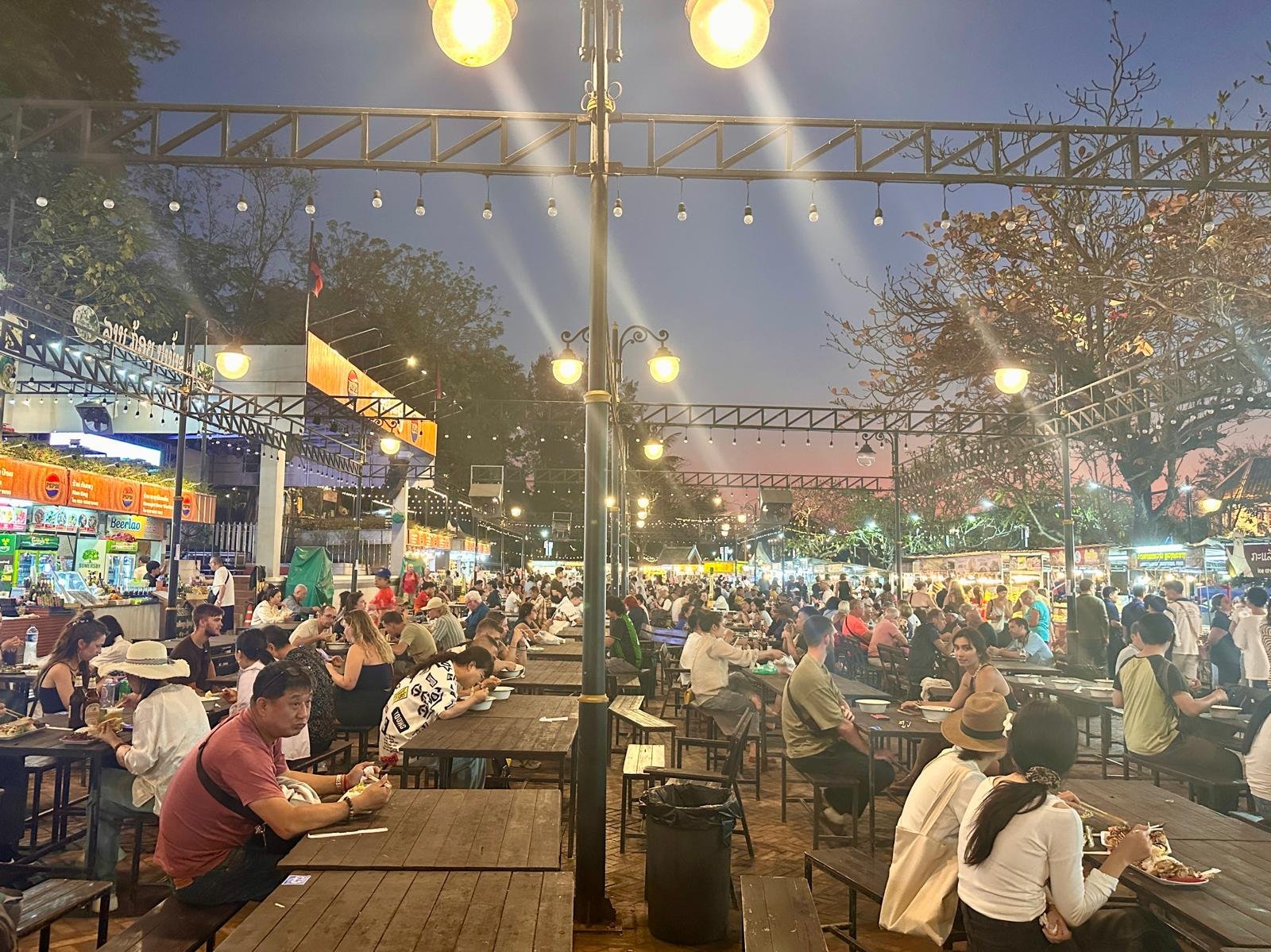
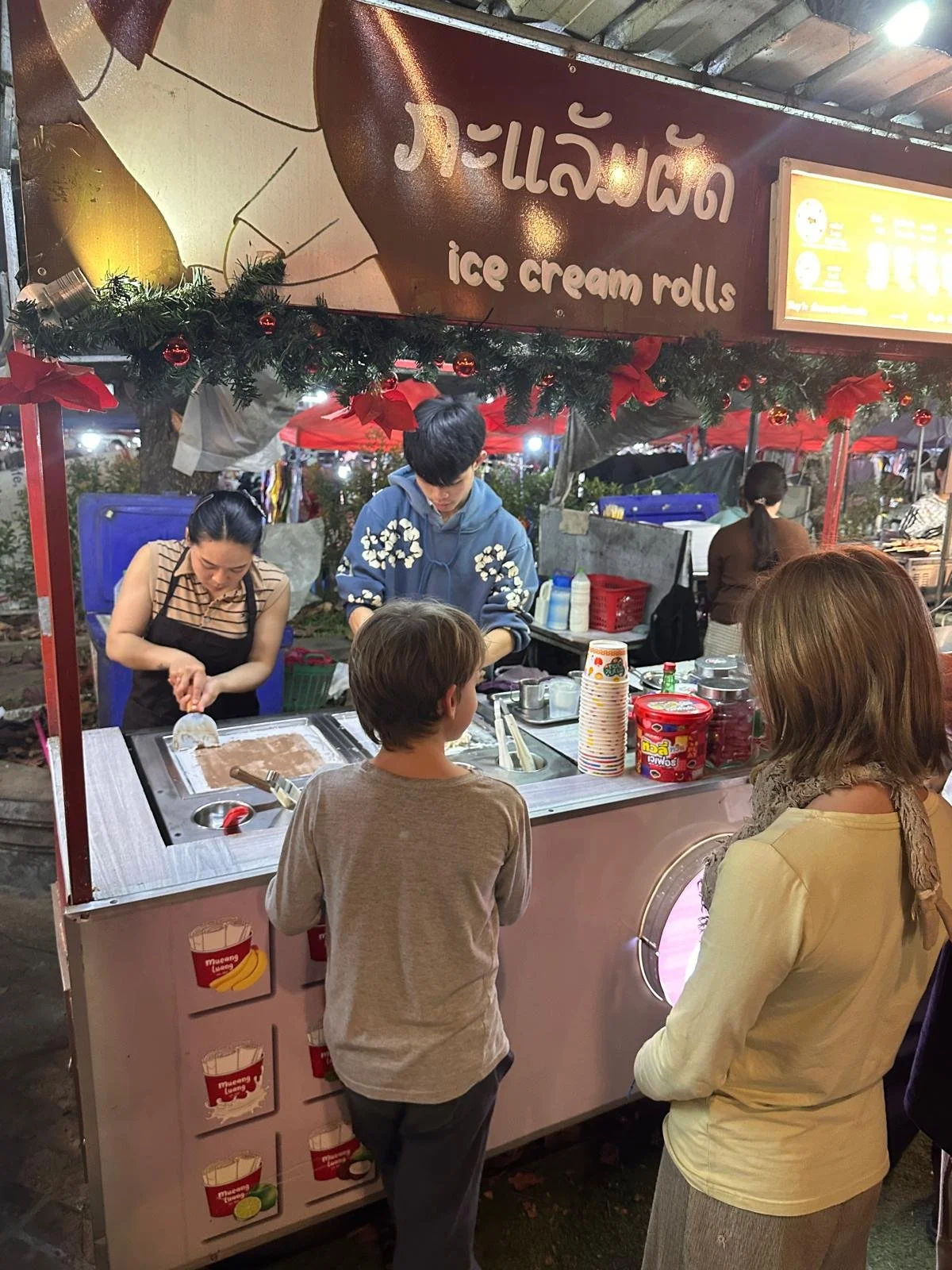
Of course, we also had to visit the night market of Luang Prabang! We went there early, since it becomes fairly packed later in the evening, and really enjoyed our time wandering through it. We first made our way through the various food stalls, sampling a range of local delicacies, and then continued to roam the lively market where all kinds of handmade crafts were sold. From colourful fabrics and carved wooden decorations to jewellery crafted from found ammunition and remnants of landmines. Unfortunately, and somewhat similar to Cambodia, Laos suffered immensely during the so-called US secret war. As Laos was drawn into the Vietnam War because the Viet Cong used Lao territory for their supply routes, and despite Laos’ official neutrality, the country was heavily bombed in the late 1960s. Landmines and other unexploded ordnance remain a grave issue in remote parts of Laos, and seeing those objects transformed into jewellery served as a stark, tangible reminder of the country’s violent past. On a much lighter note, the kids also discovered colorful juggling balls at the market! During our homestay we met a German–Welsh couple, and Chris - who, among many other occupations, was a professional juggler - gave the children one-on-one juggling lessons. It was a wonderful activity that once again proved how these travels teach the kids a wide range of skills and experiences they likely wouldn’t have picked up amid the everyday hustle and bustle at home. Another incredible encounter happened during our stay at the Jumbo Guesthouse: we met Itzel, an incredibly warm and friendly girl from Mexico. We started chatting about our travel plans and the fact that Mexico would be our first stop in Central America, and it turned out she’s actually from Guadalajara, which happens to be our second stop after Mexico City. As if that weren’t coincidence enough, she mentioned she owns a flat in Guadalajara and generously invited us to stay there during our time in Mexico’s second-biggest city. Honestly, it’s precisely those unexpected encounters that make traveling so special - what are the chances of meeting a Mexican in Laos who offers you a place to stay in a city on the opposite side of the globe that you’re coincidentally visiting?
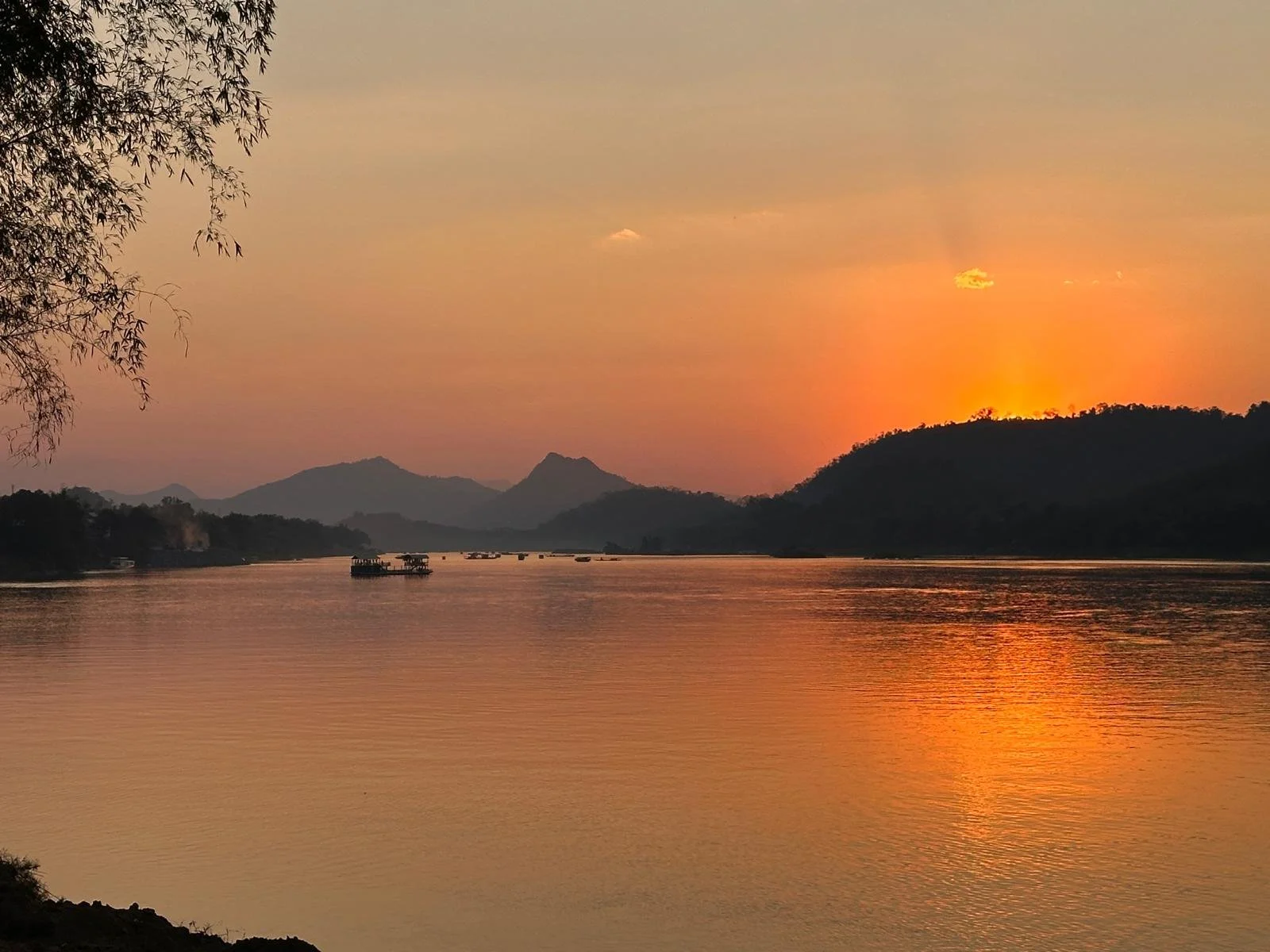
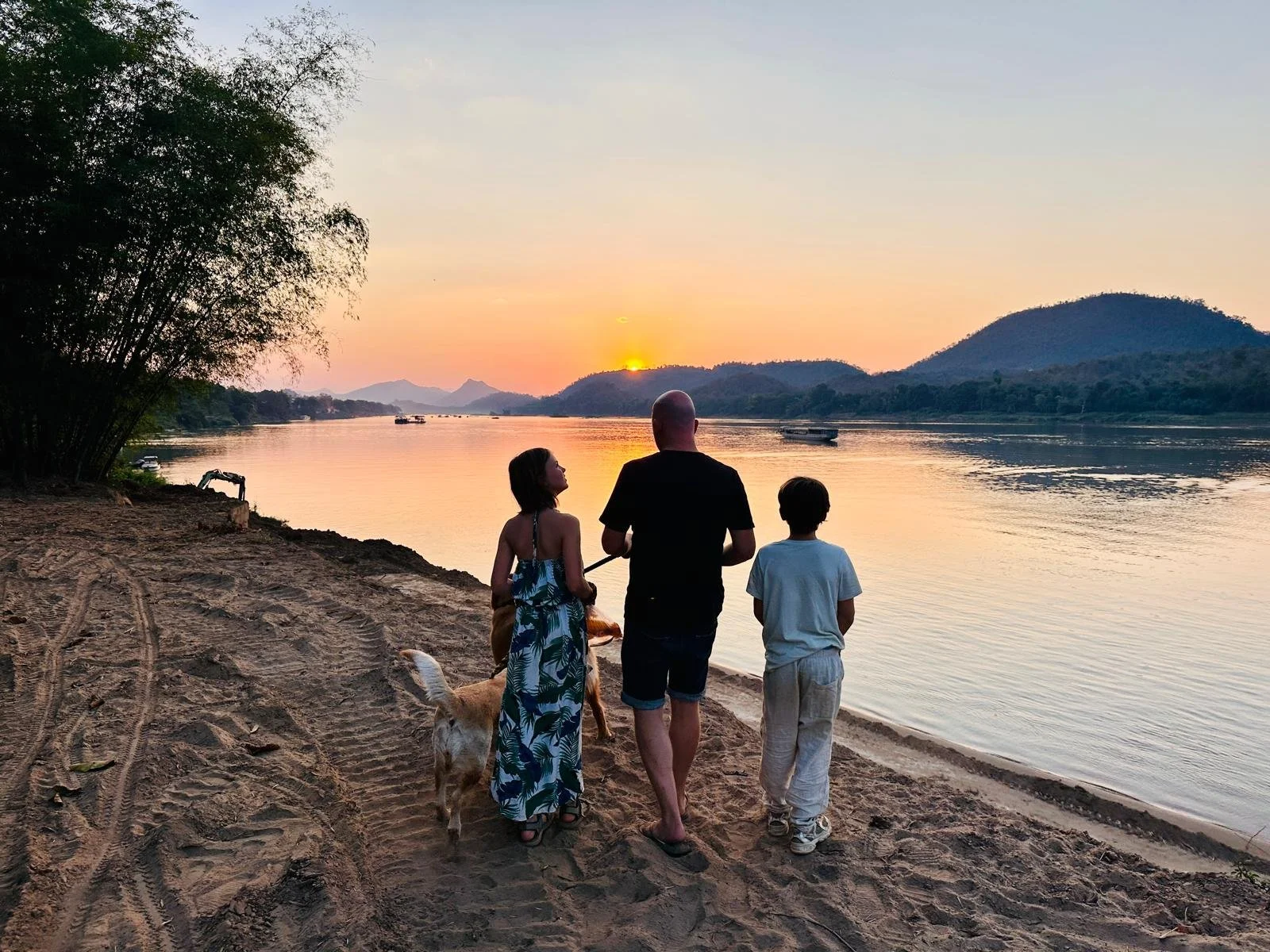
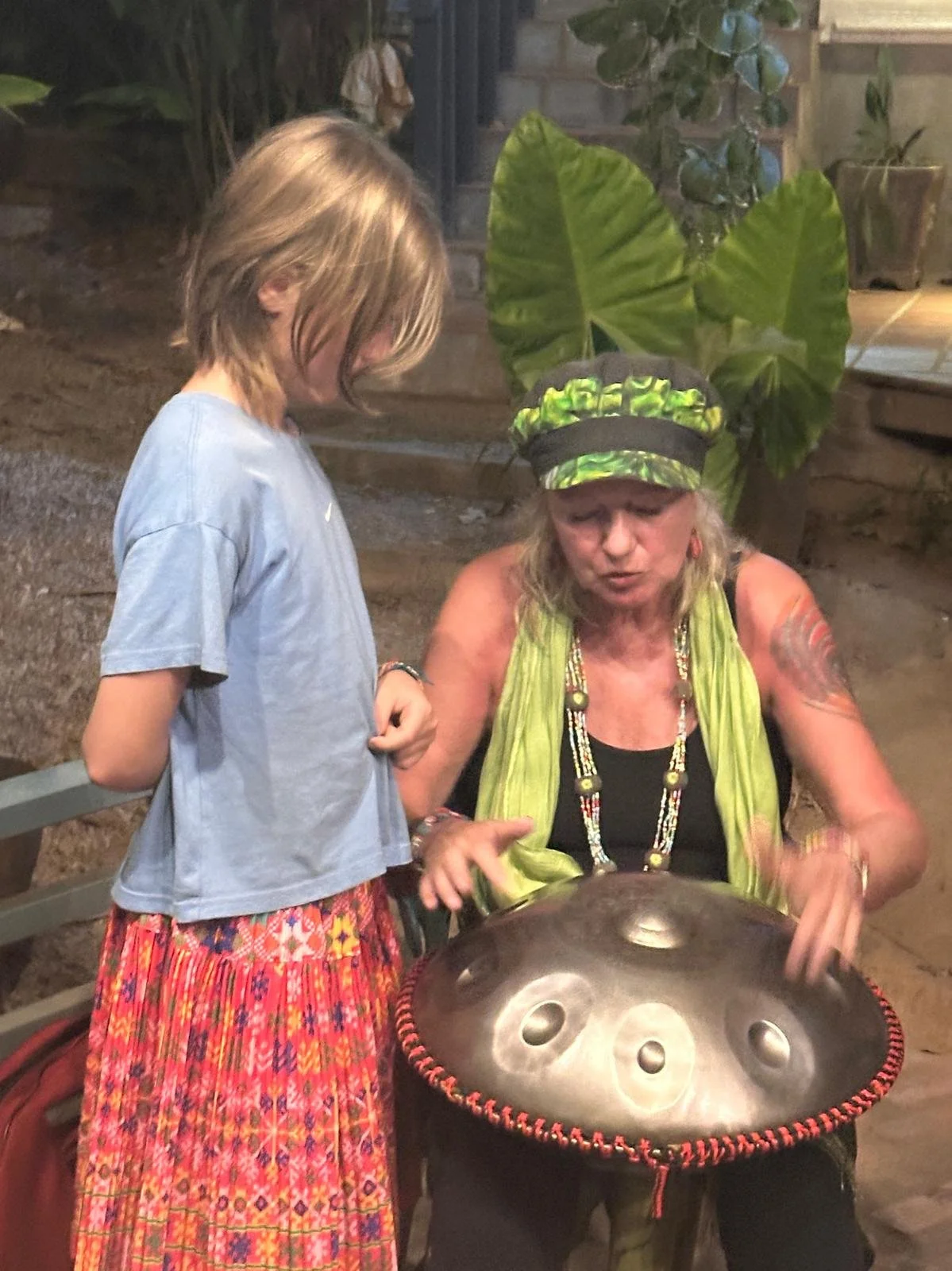
Another highlight was the “La Mama” Dinner that our host Monika organizes every Wednesday, where she invites friends and acquaintances from her broad network to spend the evening together enjoying good food and plenty of laughter on her terrace, overlooking the Mekong and the magnificent sundown that is rich in colours and creates a wonderfully relaxed atmosphere. Seventeen people joined the dinner, coming from various countries and diverse backgrounds, and the gathering felt warm, lively and very joyful. Since this was our final evening in Laos, it served as a brilliant, memorable end to our stay in yet another country that welcomed us with open arms. Khop chai lai lai, Laos!
We left Laos on February 12th and took a flight to Thailand’s capital, Bangkok, from where I am currently writing these lines. Although the Airbnb we had originally booked sent us a cancellation the evening before our arrival, we quickly managed to find a pleasant alternative - a centrally located spot in yet another bustling capital city we feel privileged to visit on our journey. An update on our stay in Bangkok will follow soon. Until then, be well!