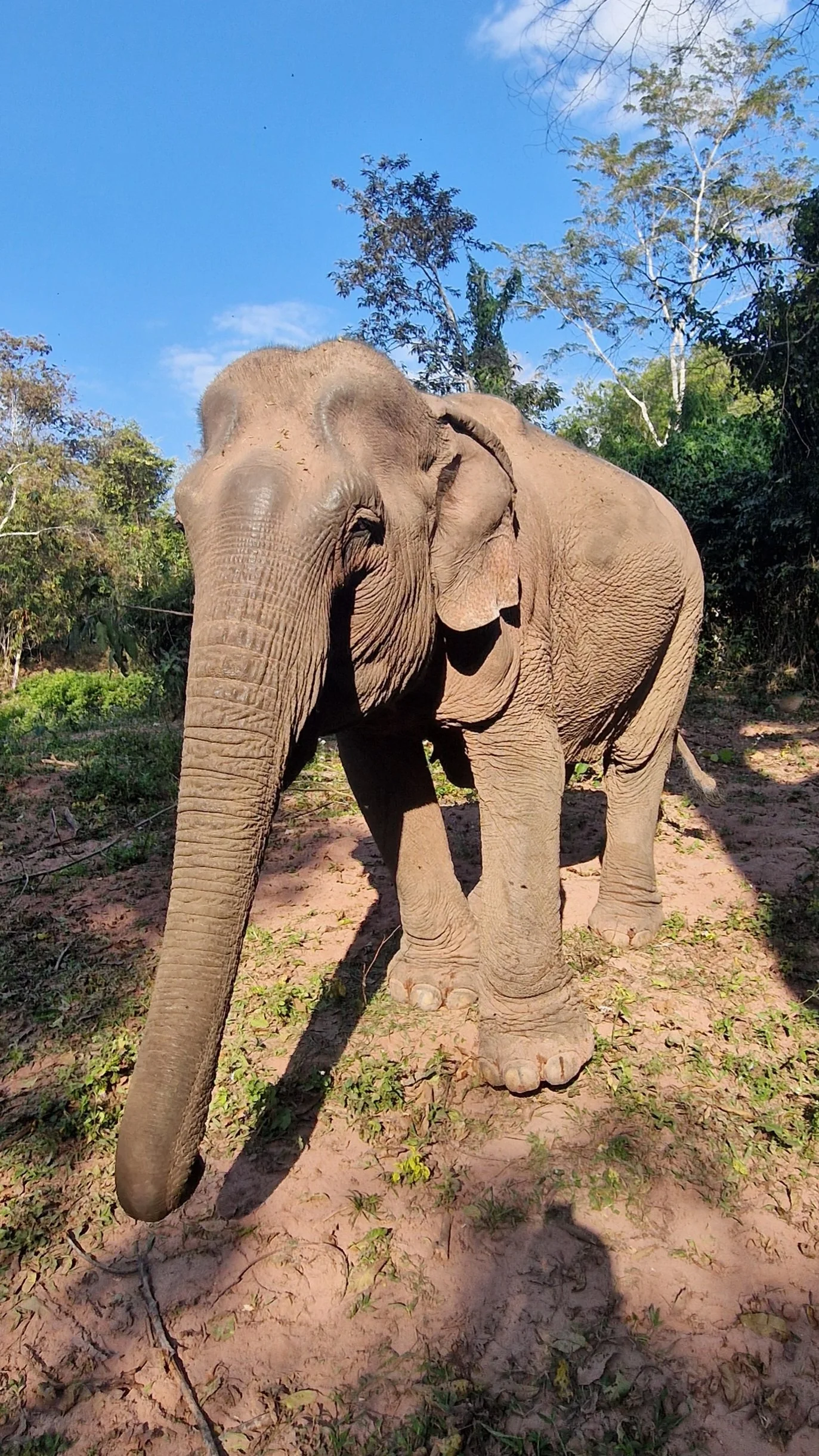
Vientiane & Lao Elephant Home, Nampouy National Park, Laos
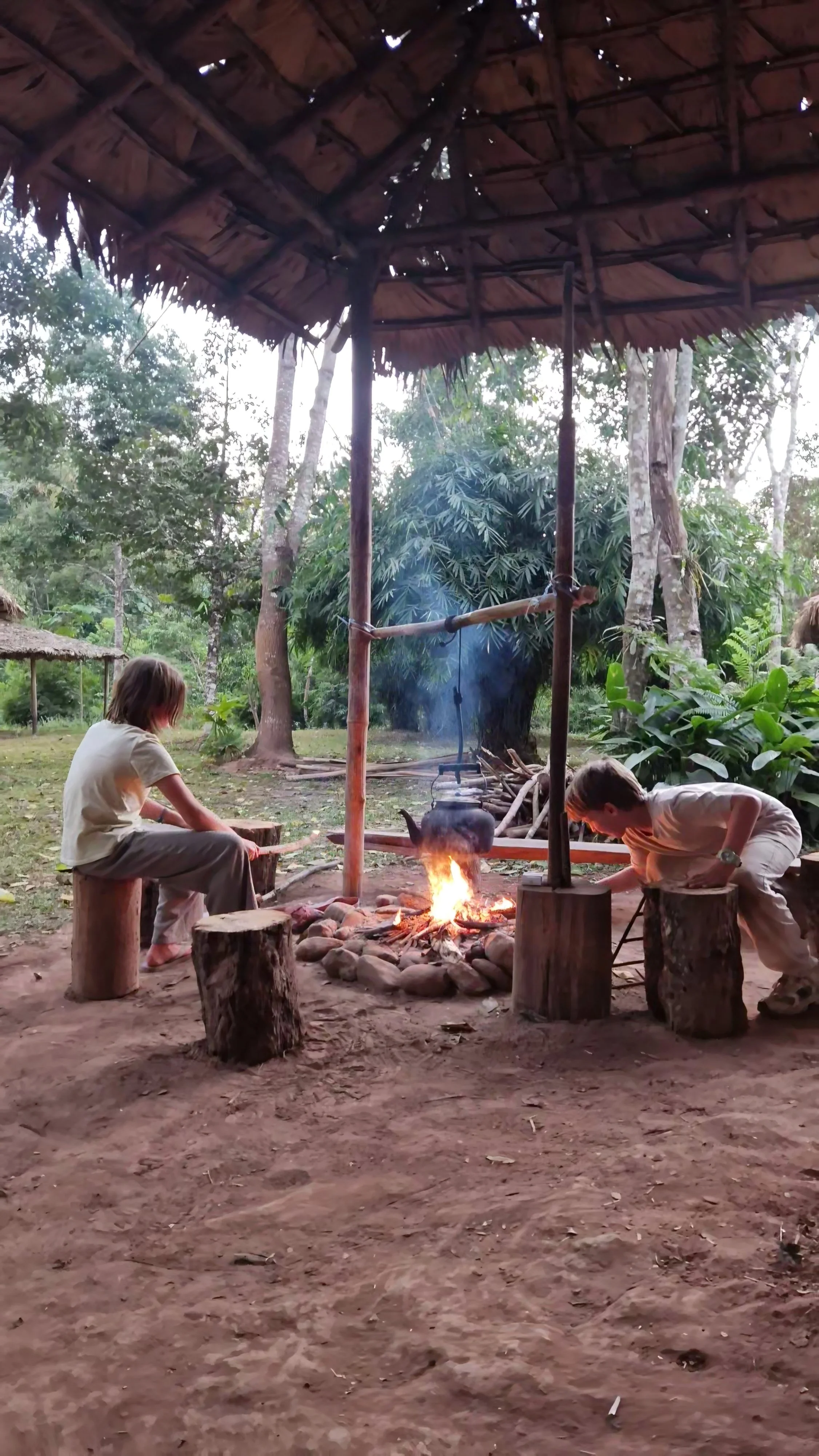
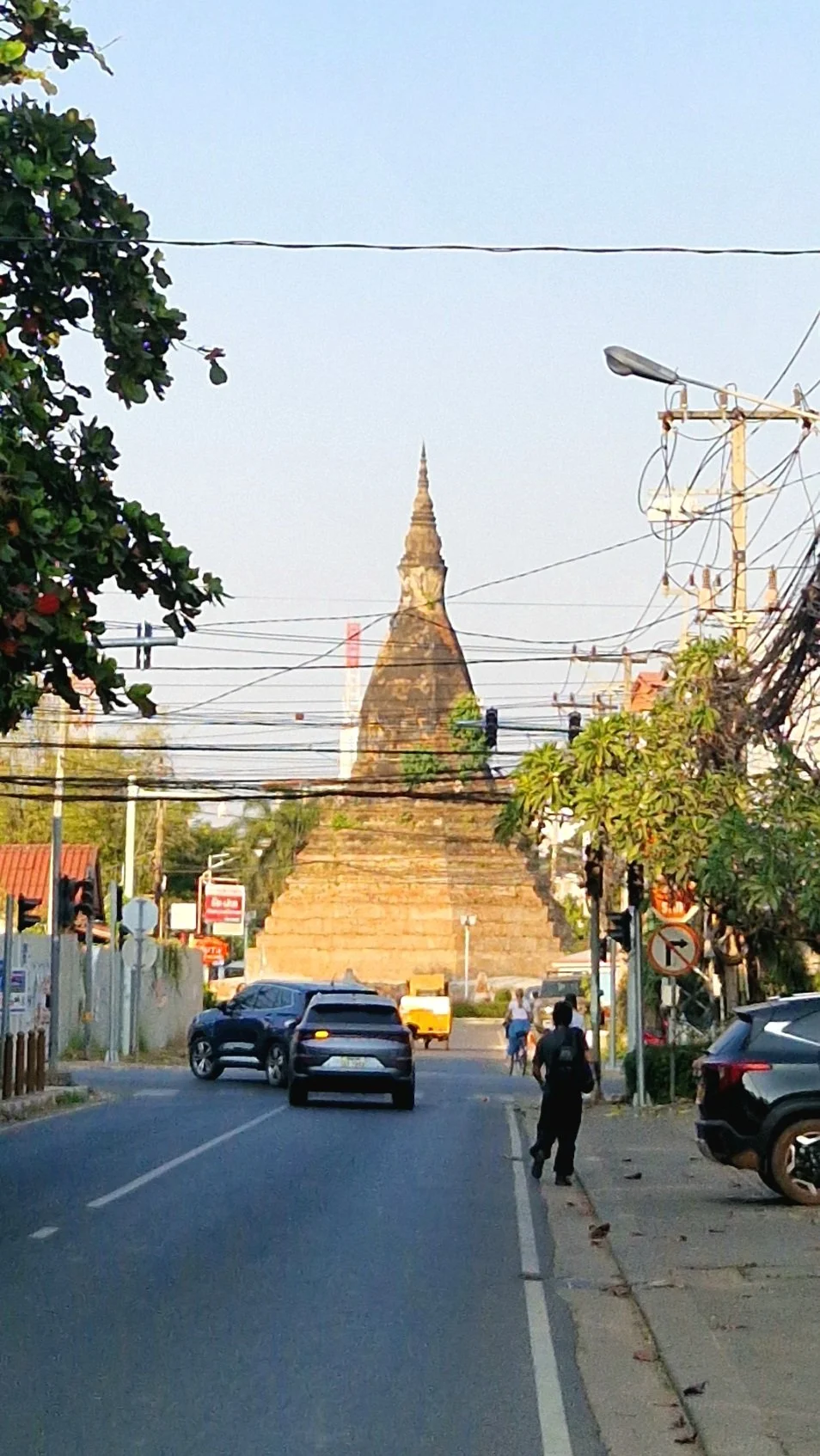
We just returned to Vientiane, the capital of Laos, after spending one week in the jungle at the wonderful “Lao Elephant Home” in Nampouy National Park. We left Chiang Mai and took a flight to the Thai city Udon Thani, which is about a 60-minute car drive south of the Thai–Laos border. From the airport we took a Grab that brought us to the Thai–Lao Friendship Bridge, one of the more popular border crossings between Thailand and Laos. Once we cleared immigration, we hopped on a bus bound for Vientiane, where we spent just one night before being taken onward to the Lao Elephant Home. After a bumpy, six-hour car ride into the jungle we reached our next temporary home for the following week. Never before has a home on our journey been so basic: no electricity, cold water bucket showers, and cooking over an open fire with the local community meant a complete change of scenery. It was a raw, hands-on experience that left us with lasting impressions. Simple life can be hard, but it can also be very rewarding.
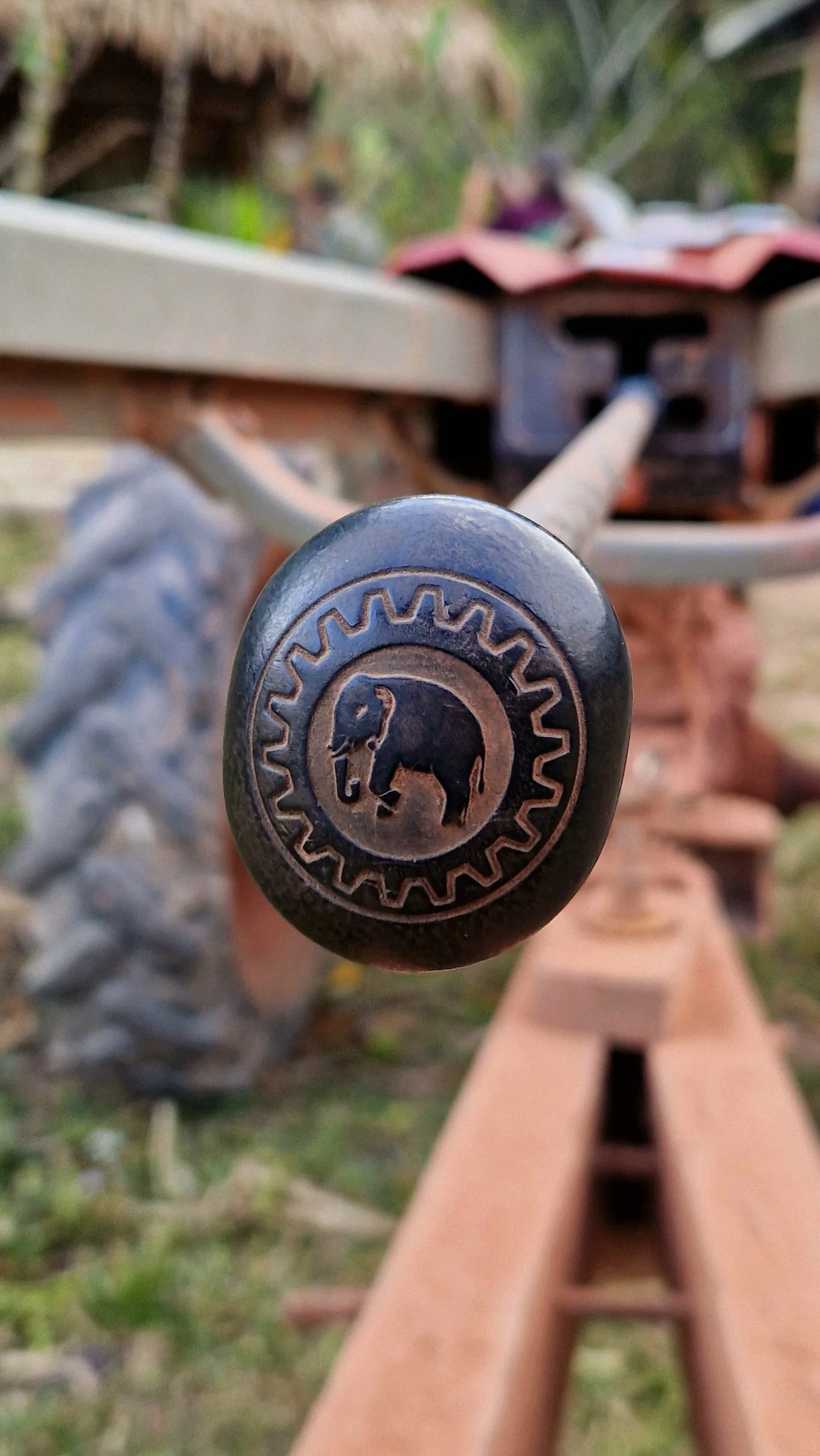
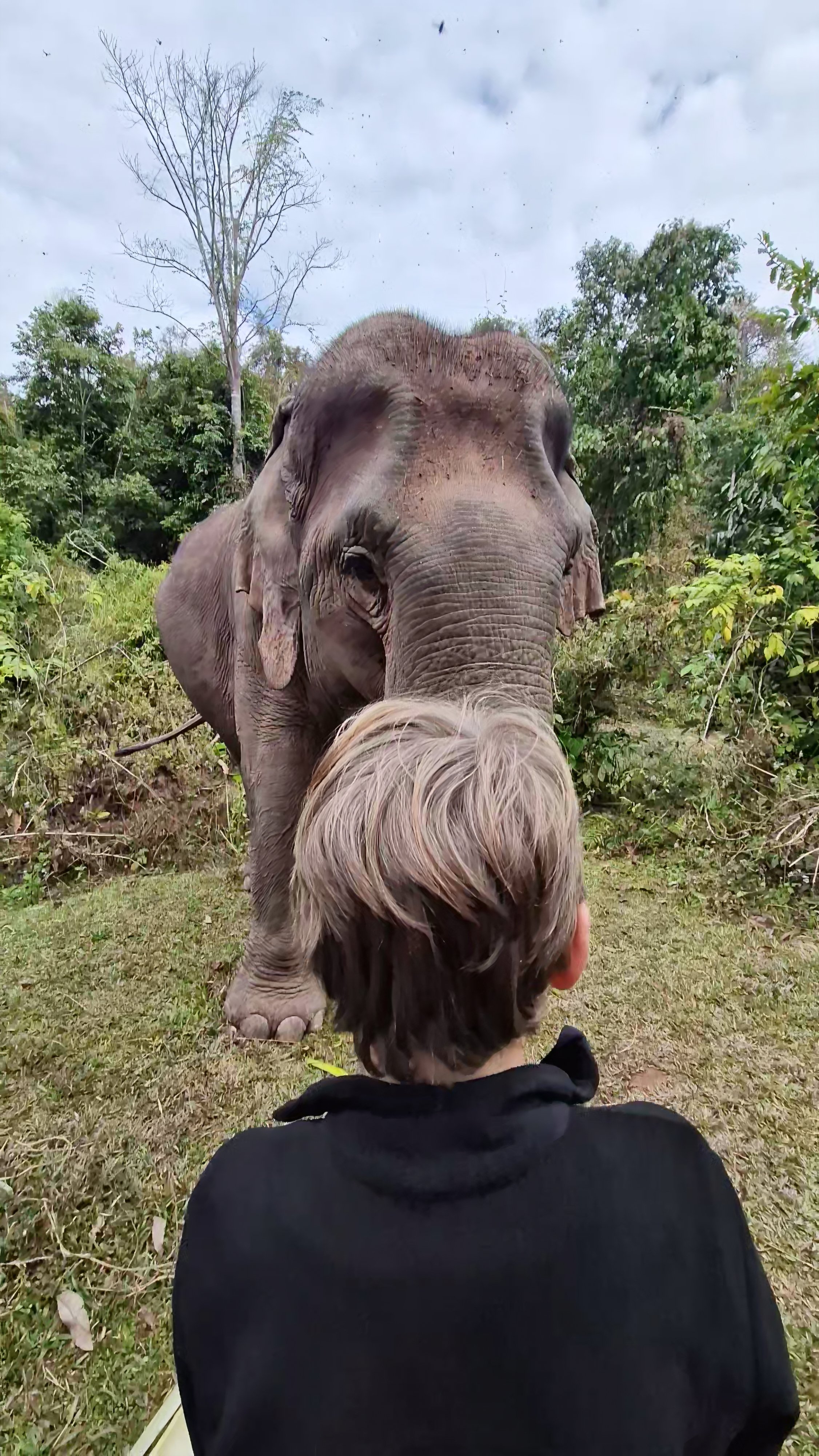
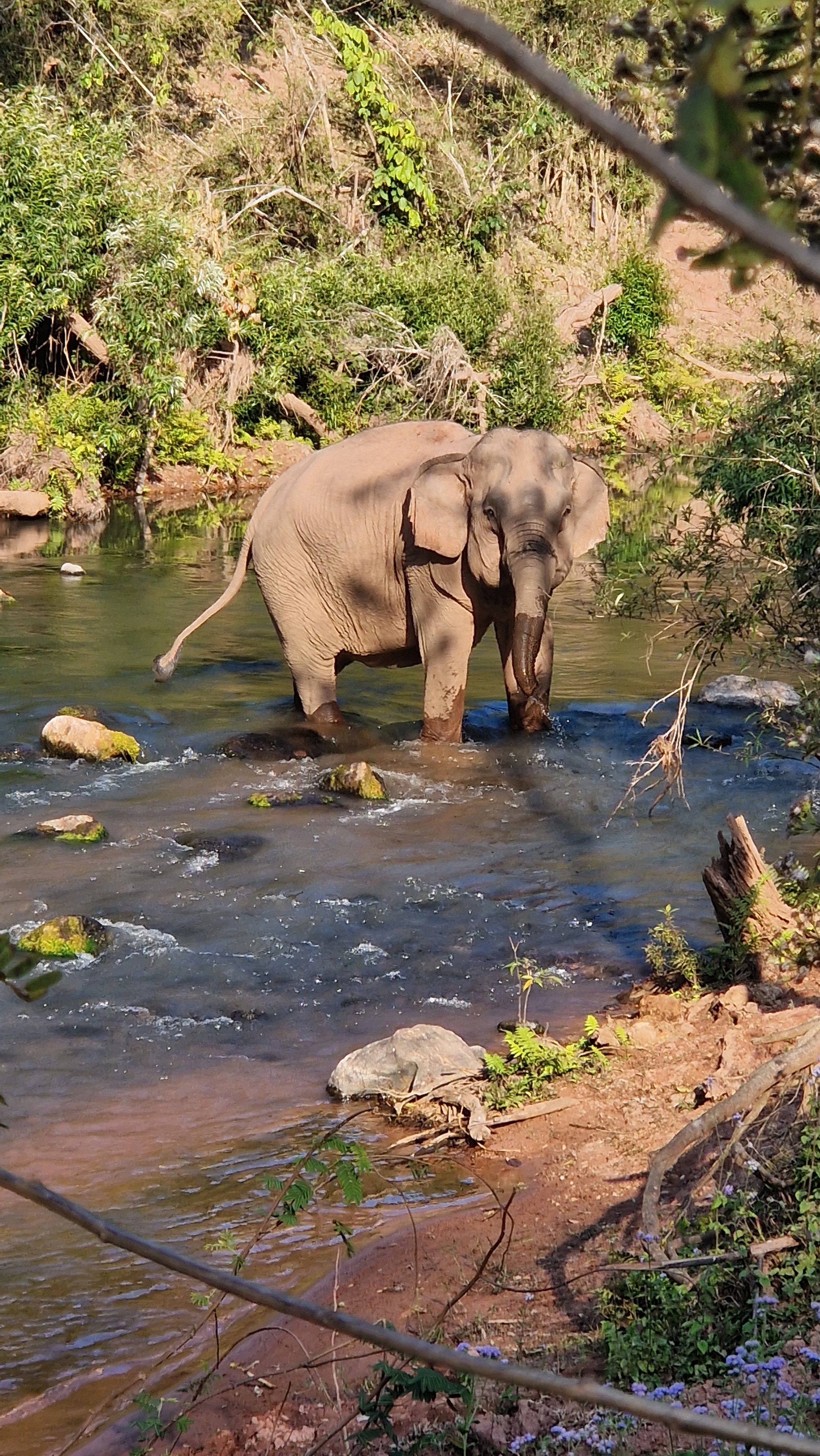
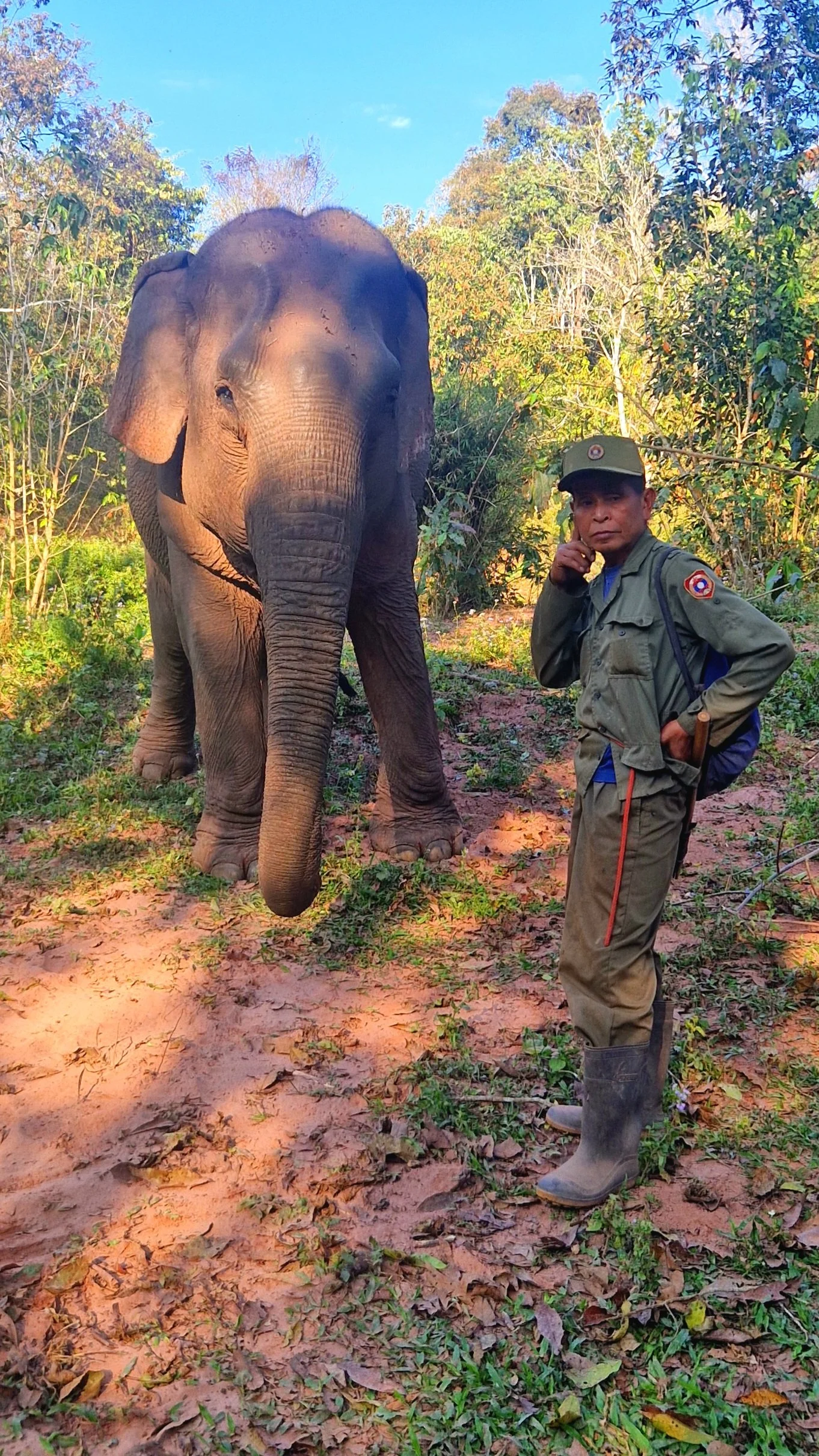
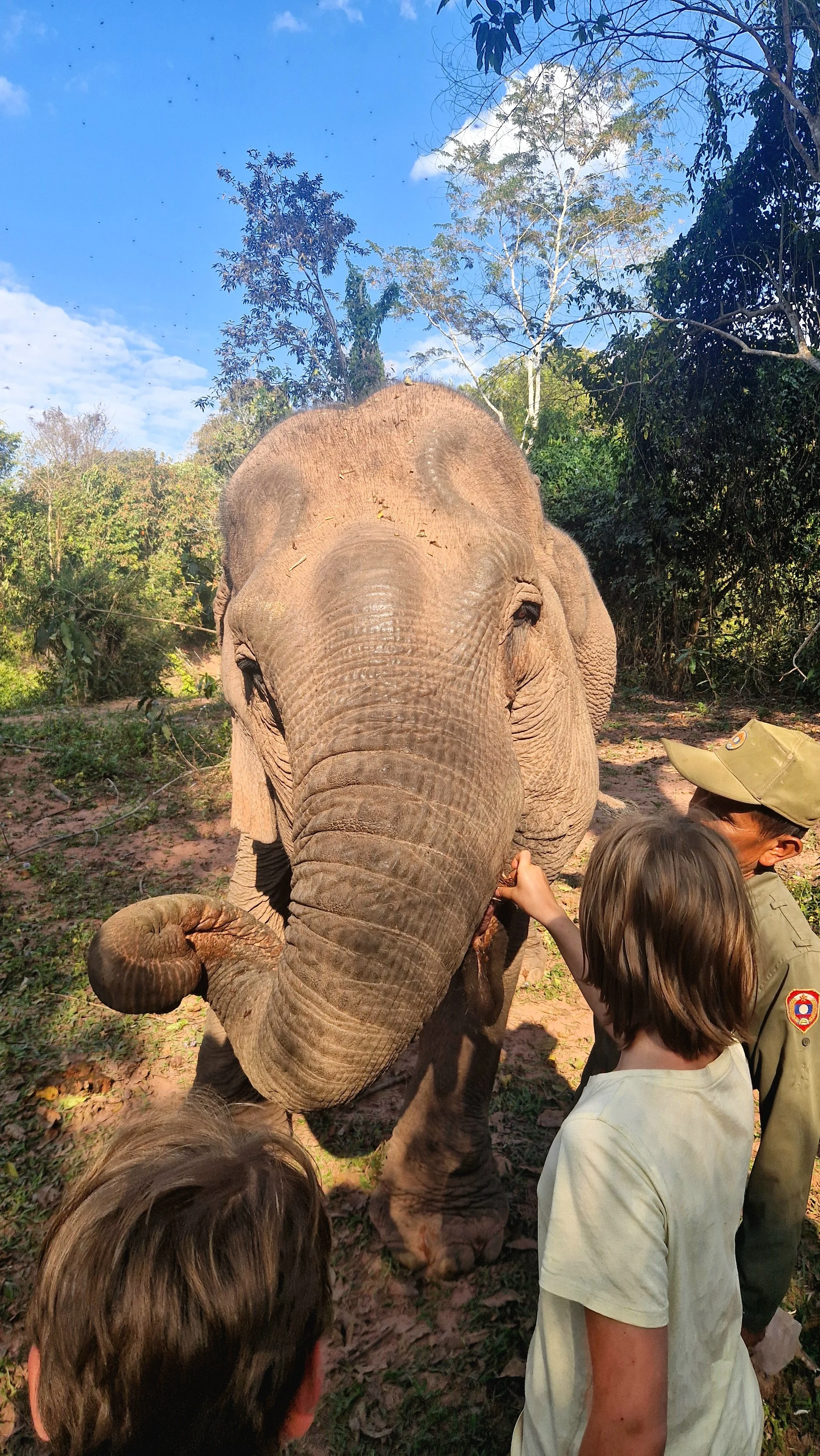
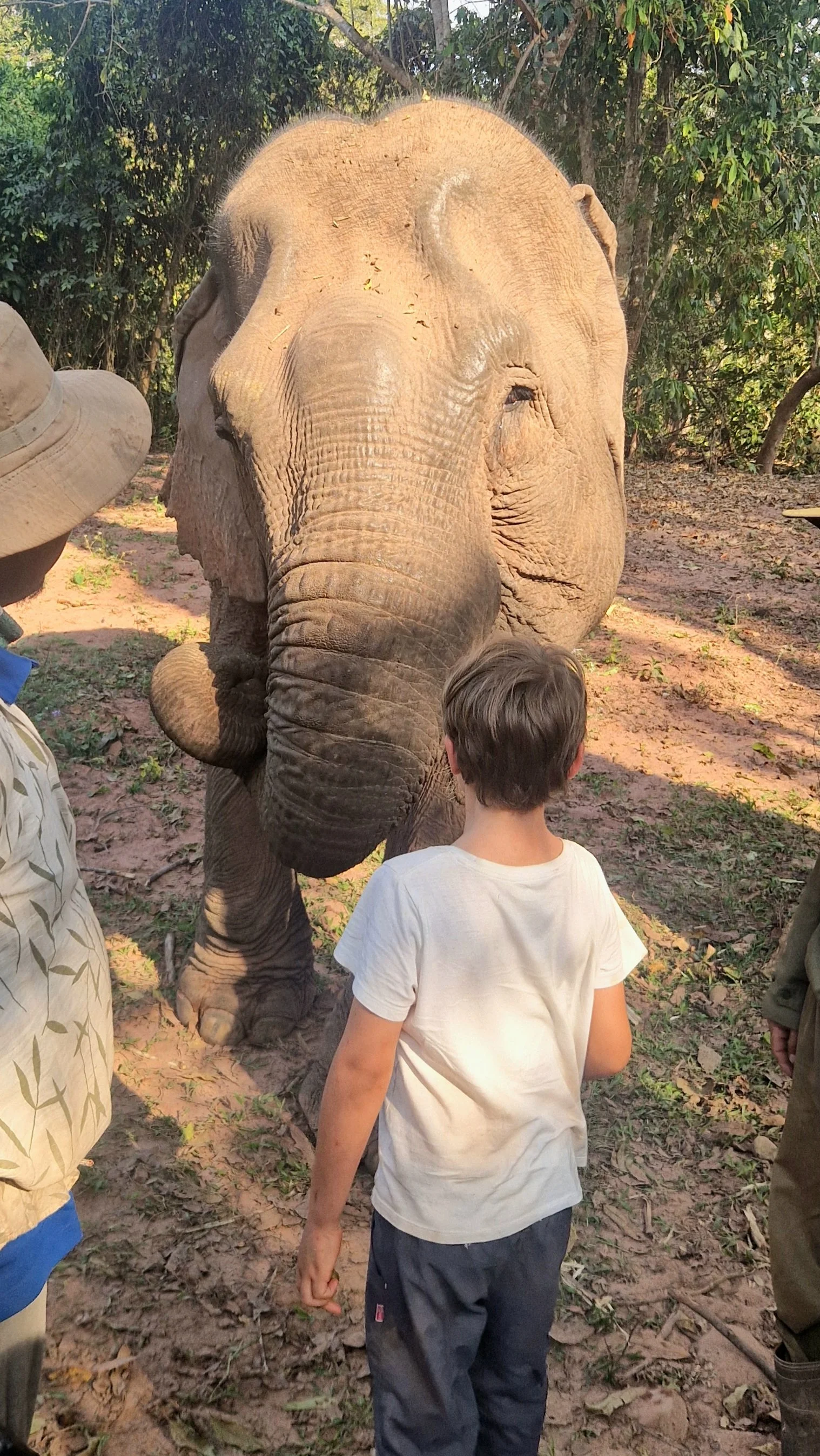
The Lao Elephant Home and Sanctuary is located in the Nampouy National Park in Muang Thong, Laos. Getting there is tricky. We initially thought we could cross the border via Nan, Thailand, to Pak Lay in Laos, but this proved to be impossible, as this particular border crossing doesn’t issue visas on arrival. That’s why we ended up flying to Udon Thani and then crossing the border into Laos at Vientiane. Saying that the road into the jungle is bumpy is a bit of an understatement. The first kilometres out of Vientiane were passable, but soon afterwards it turned into a navigation around massive potholes, and eventually the road consisted of more potholes than actual surface. Anyway, once we reached our destination we were welcomed by a genuinely heartwarming community. The Lao Elephant Home is a close-knit combination of local mahouts, their families, and visiting guests, led by a camp manager who acts as the bridge between the two groups. The mahouts have committed themselves to the ethical treatment of their elephants, which means these animals no longer have to undertake physical labour, carry tourists, or perform any other species-inappropriate tasks; the resulting loss of income is compensated by visitors’ fees for visiting and staying at the camp. The elephants live freely in the surrounding jungle. It was important to us that when we visit an “elephant camp,” and there are plenty in Thailand and Laos, we make sure to choose one that is ethically responsible - and that requirement drastically limits the available options.
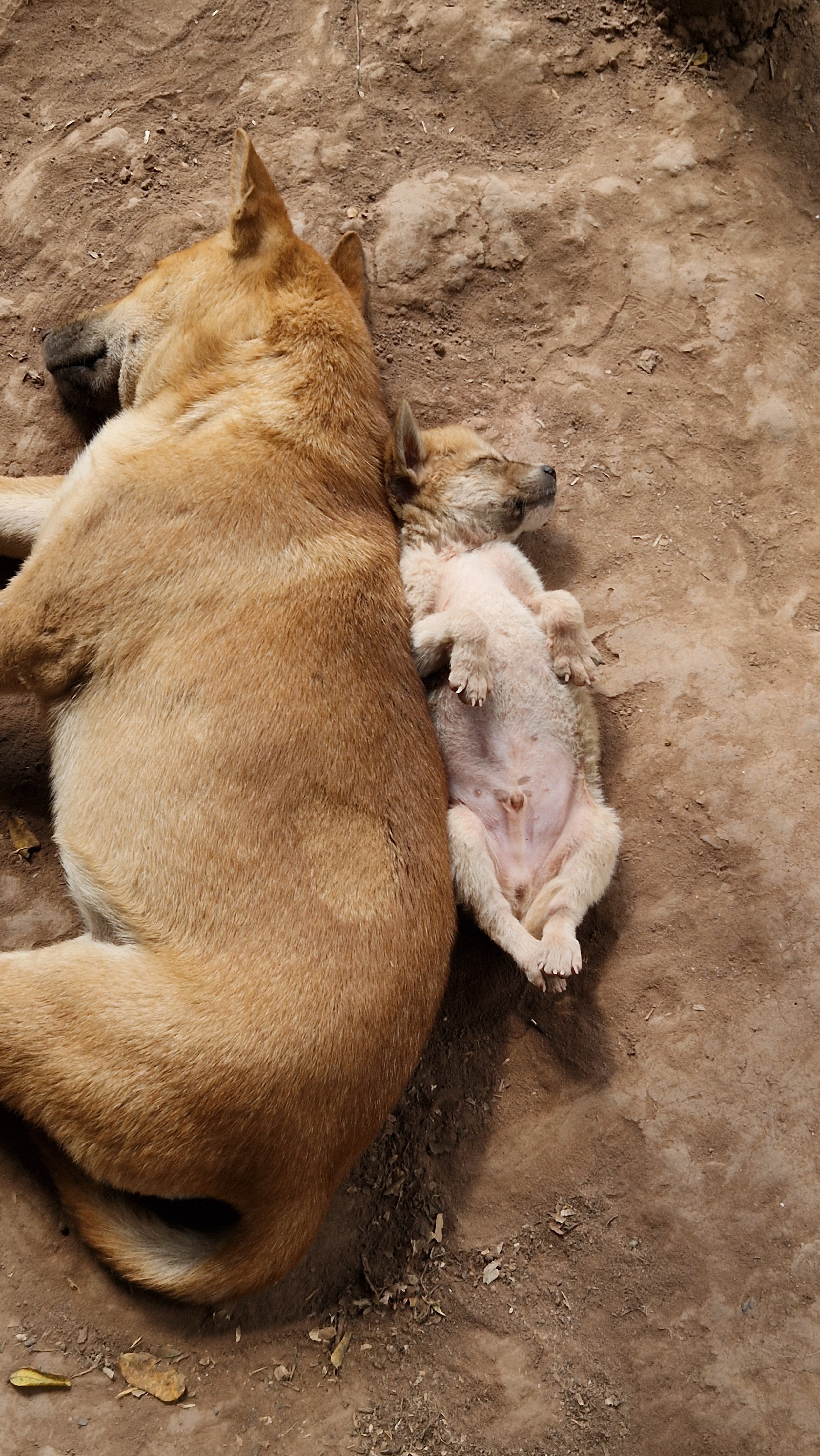
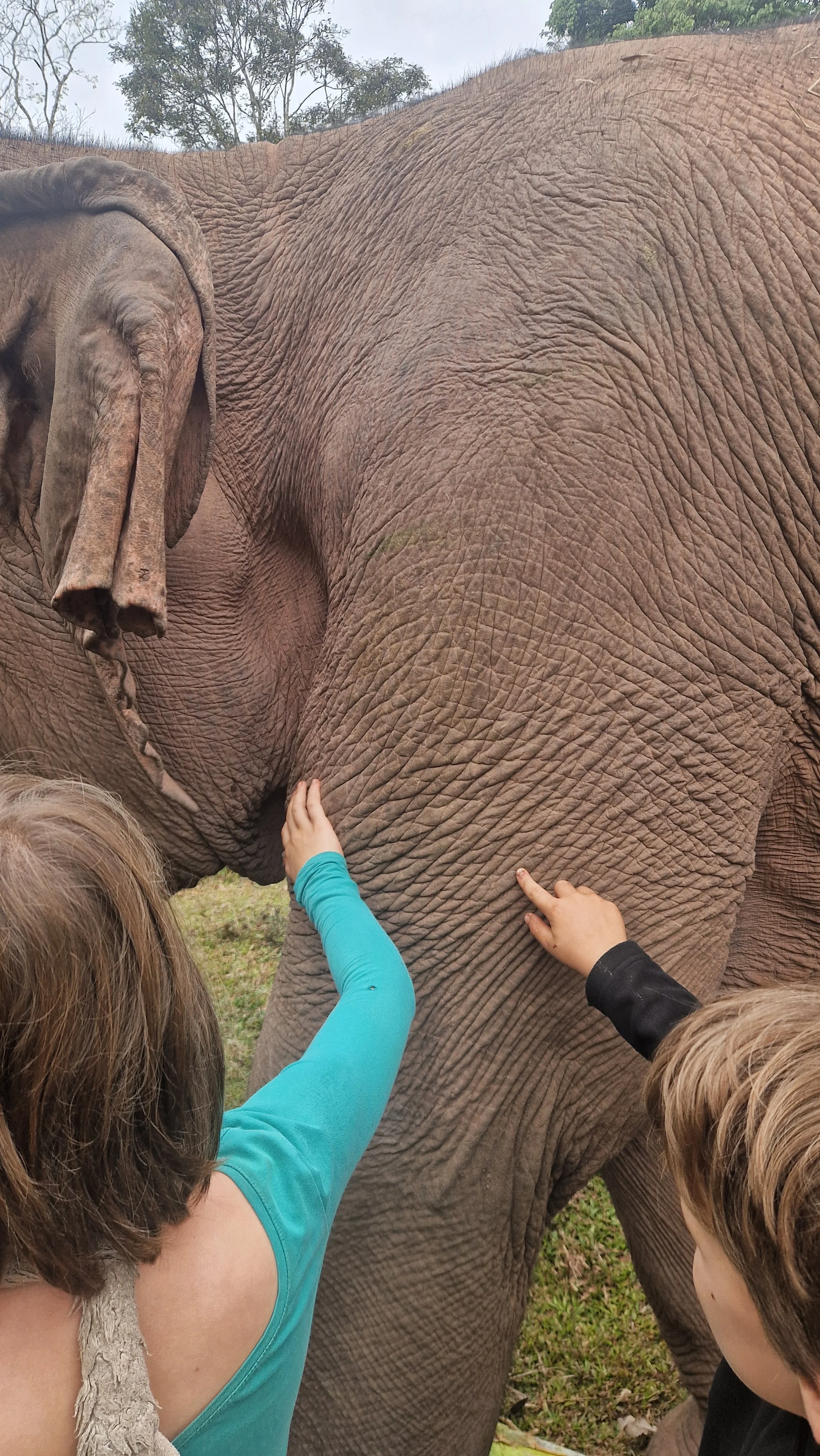
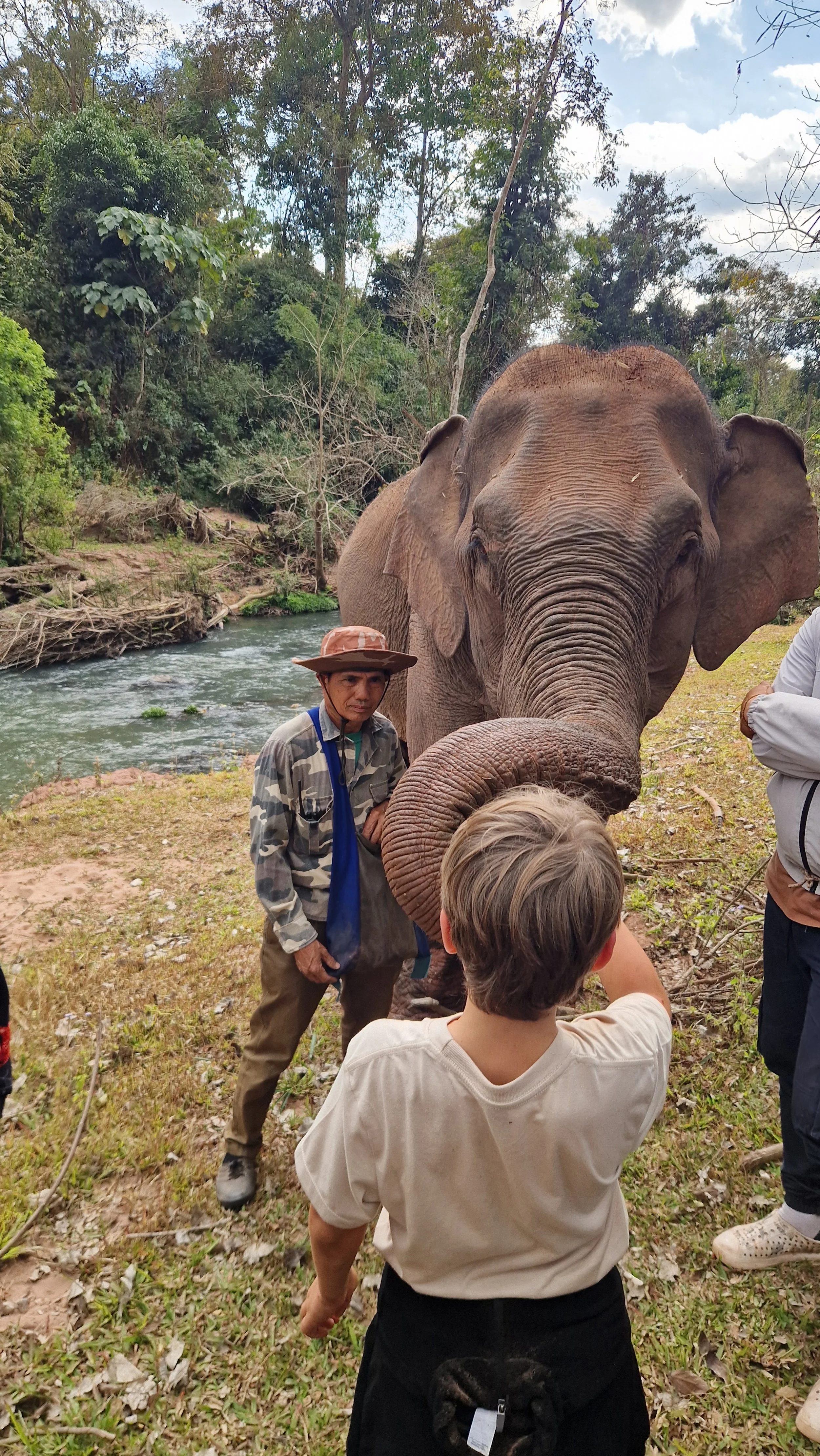
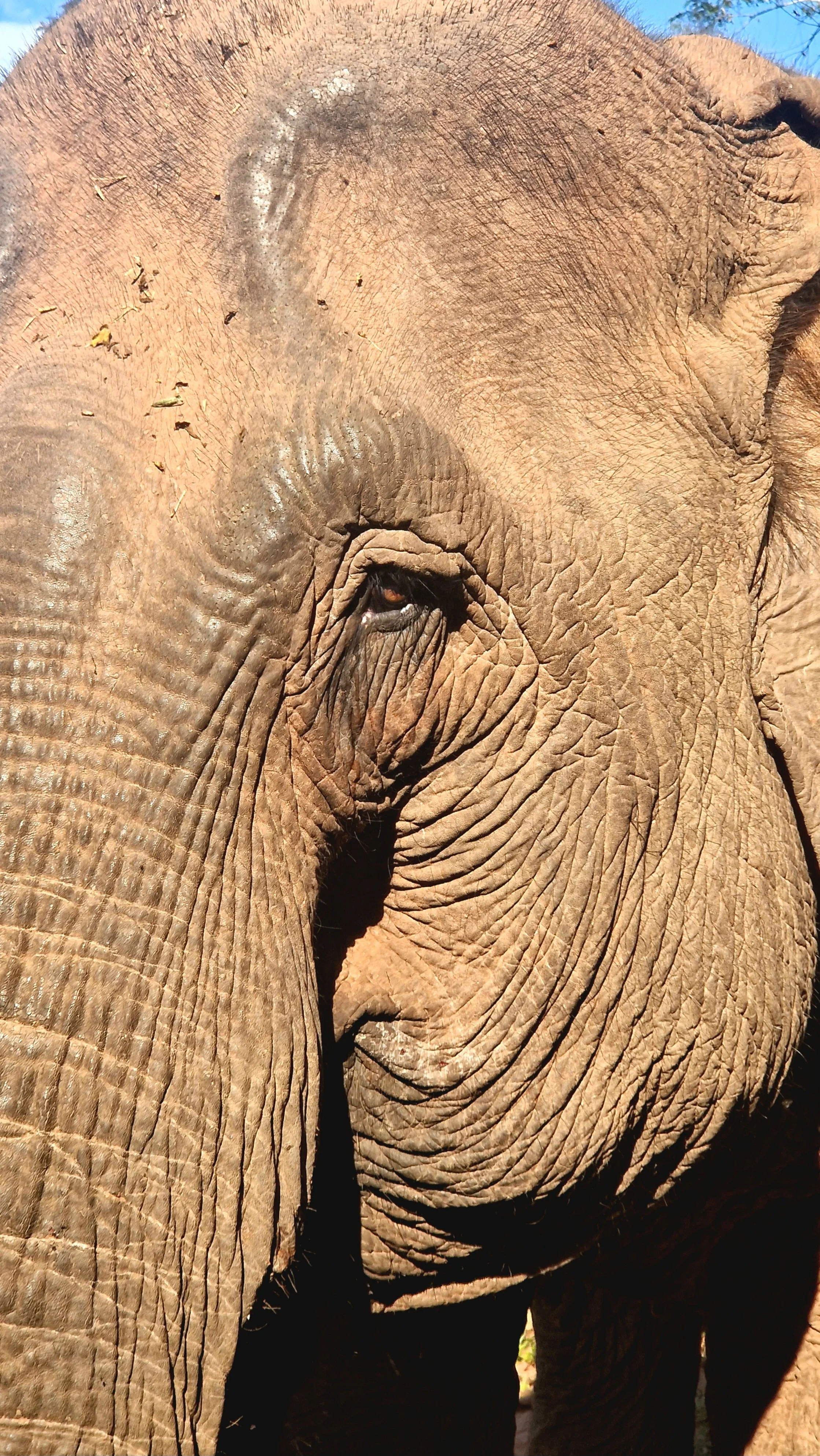
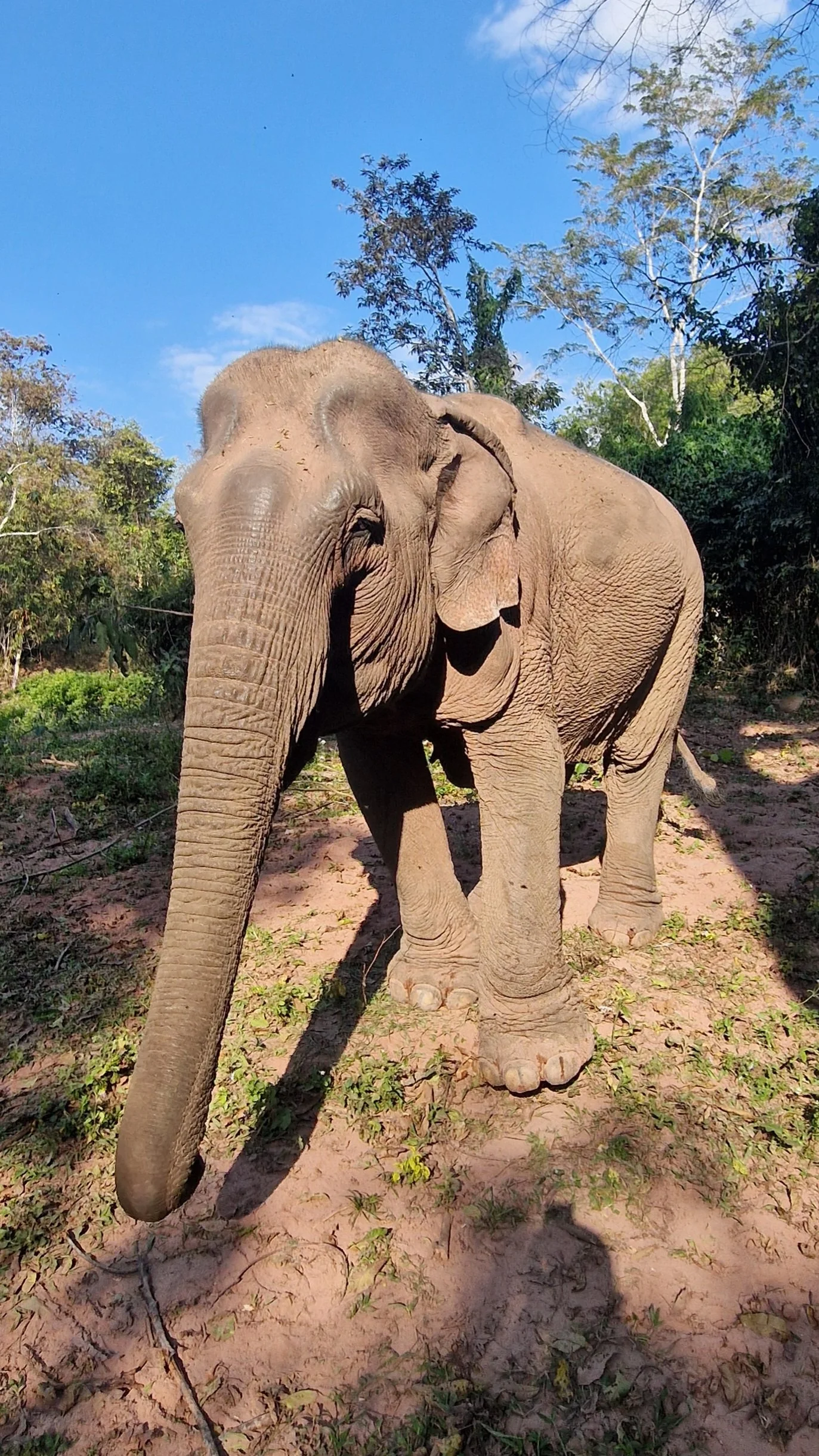
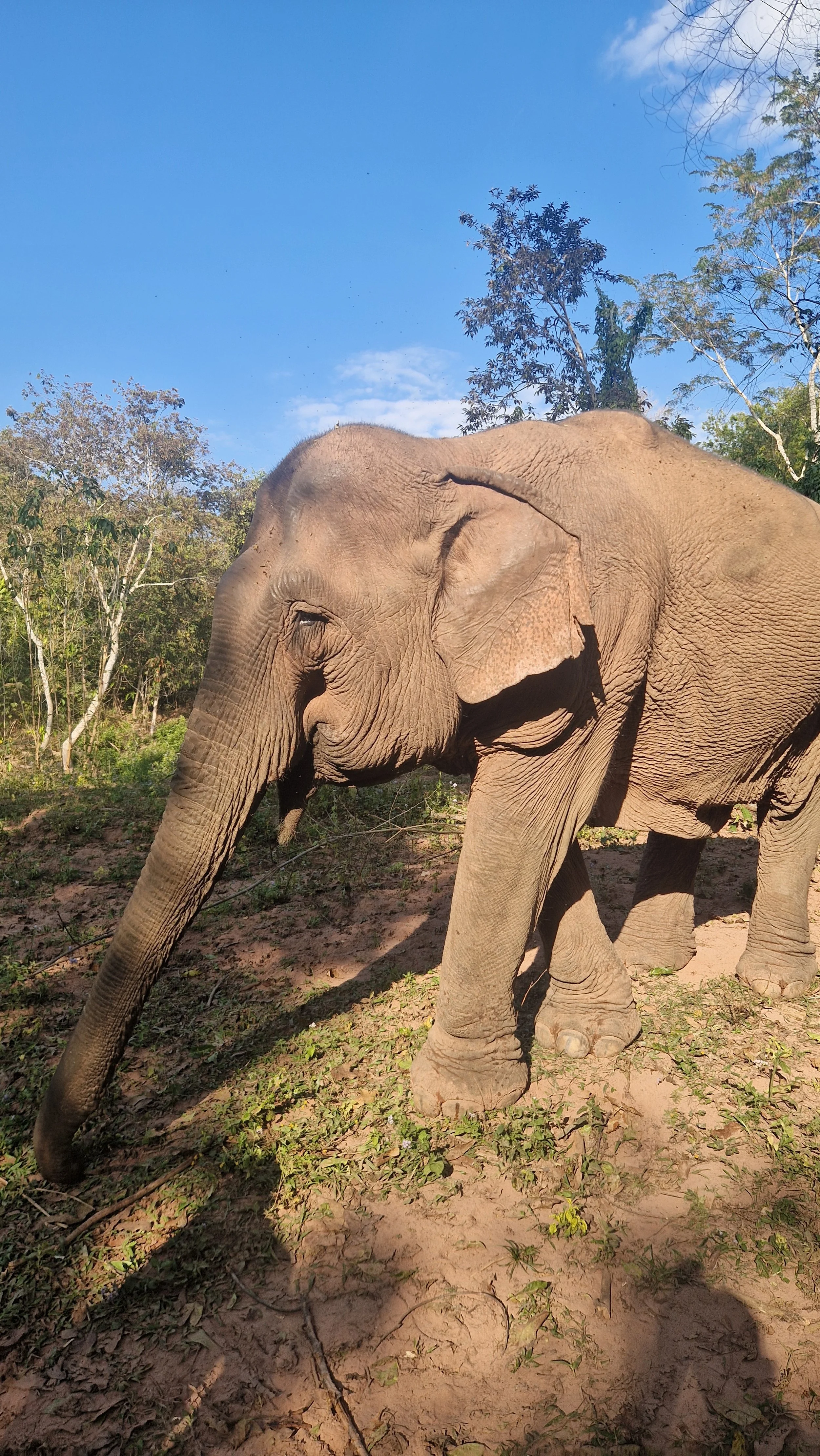
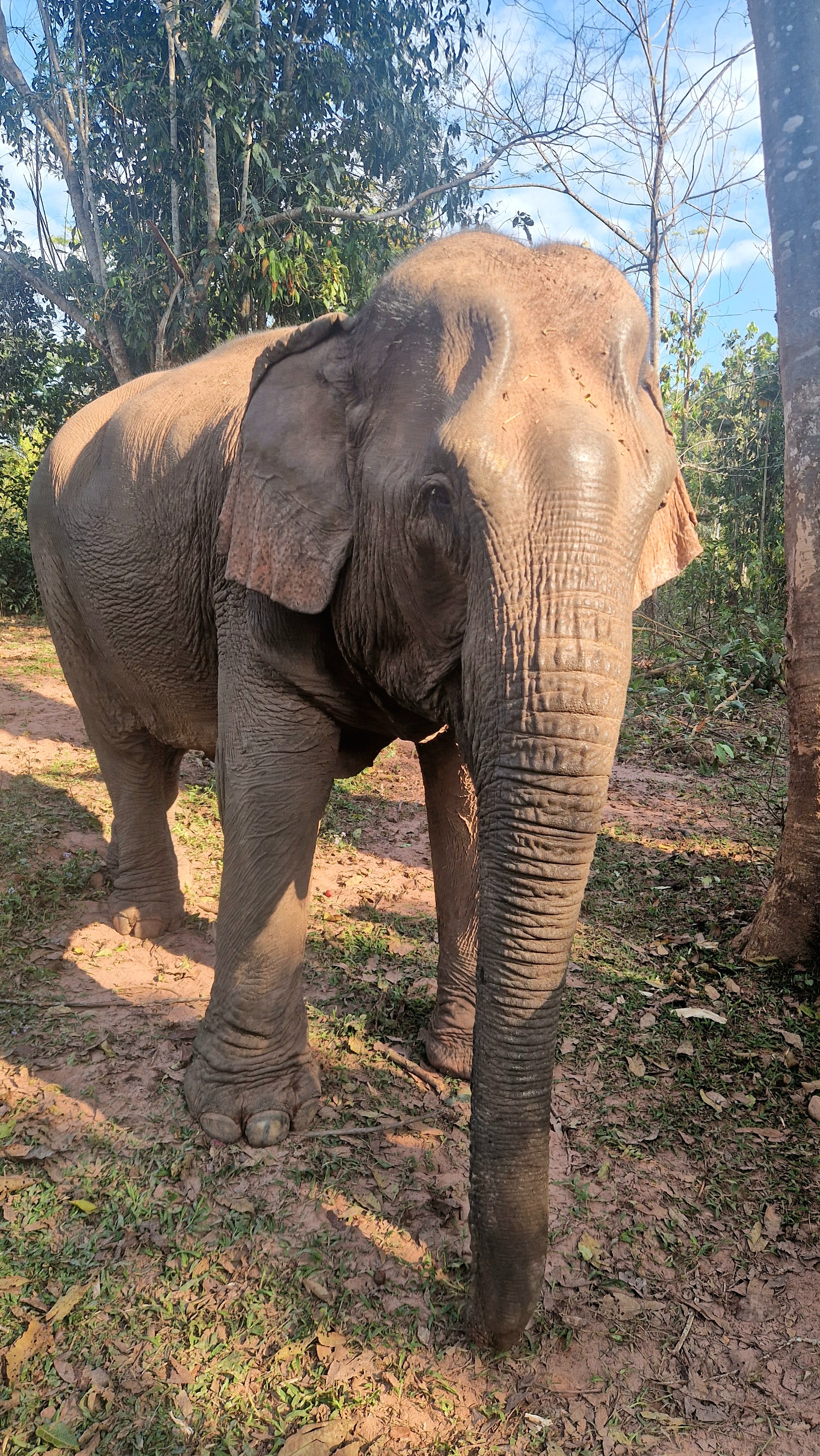
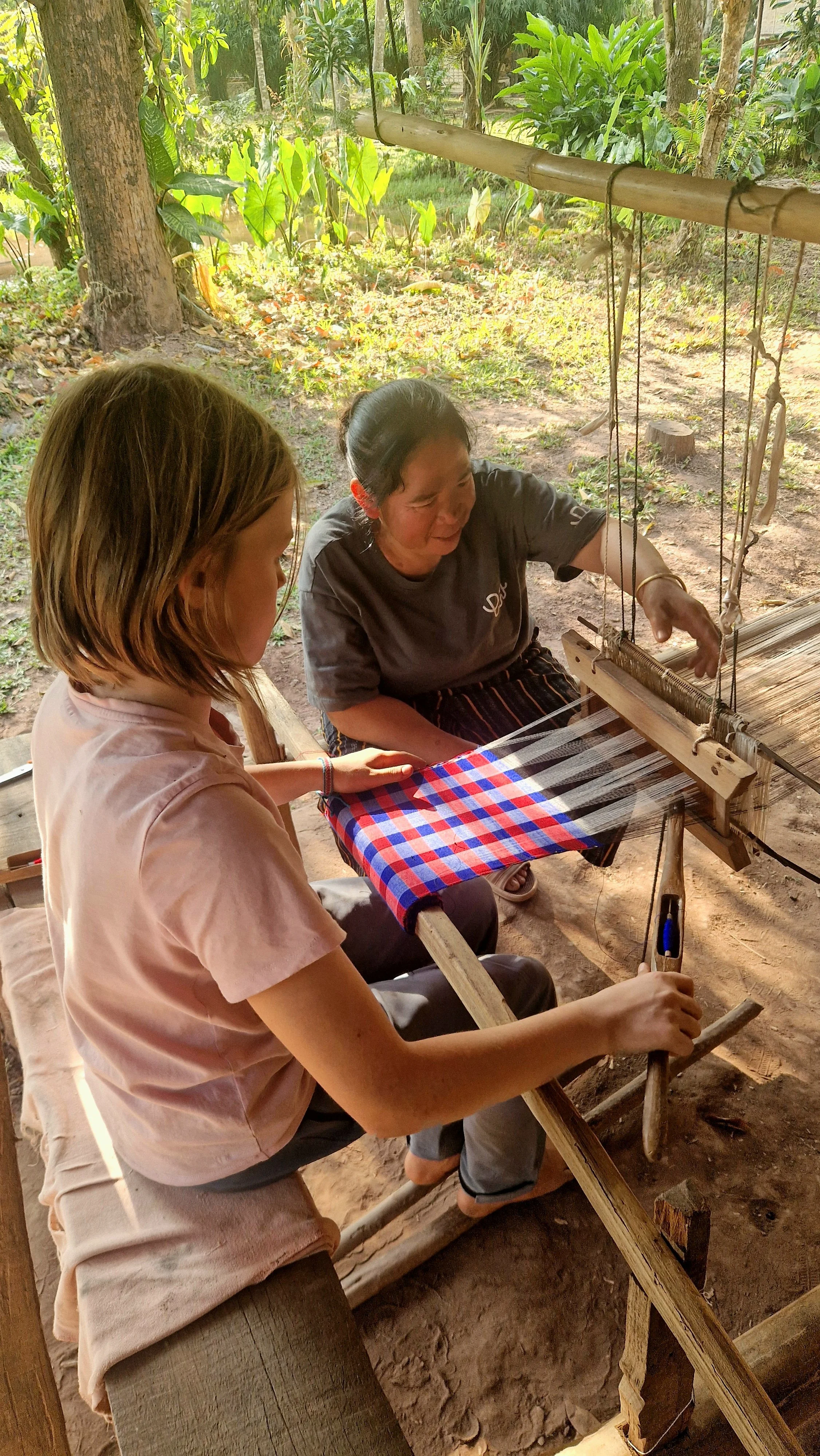
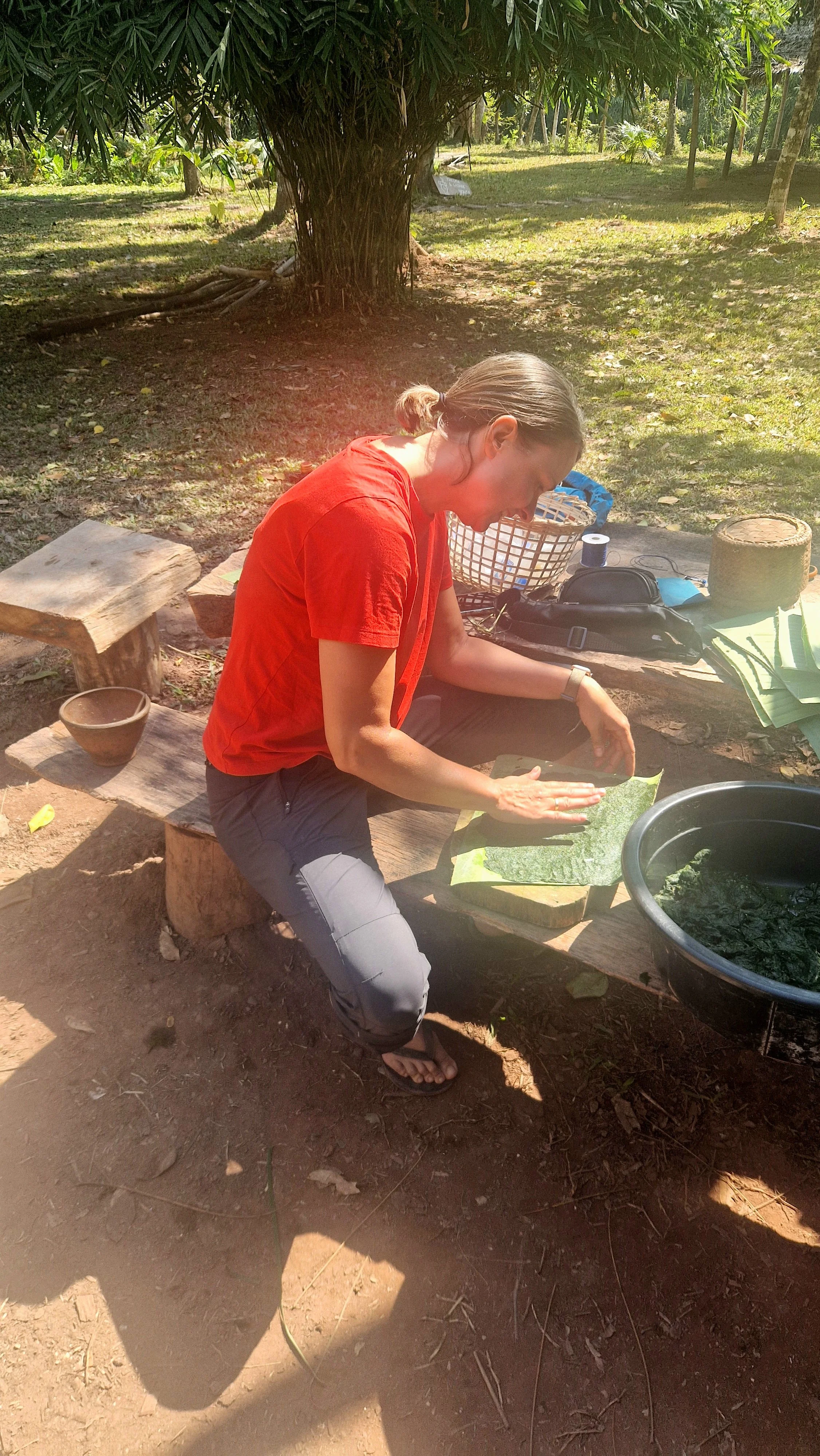
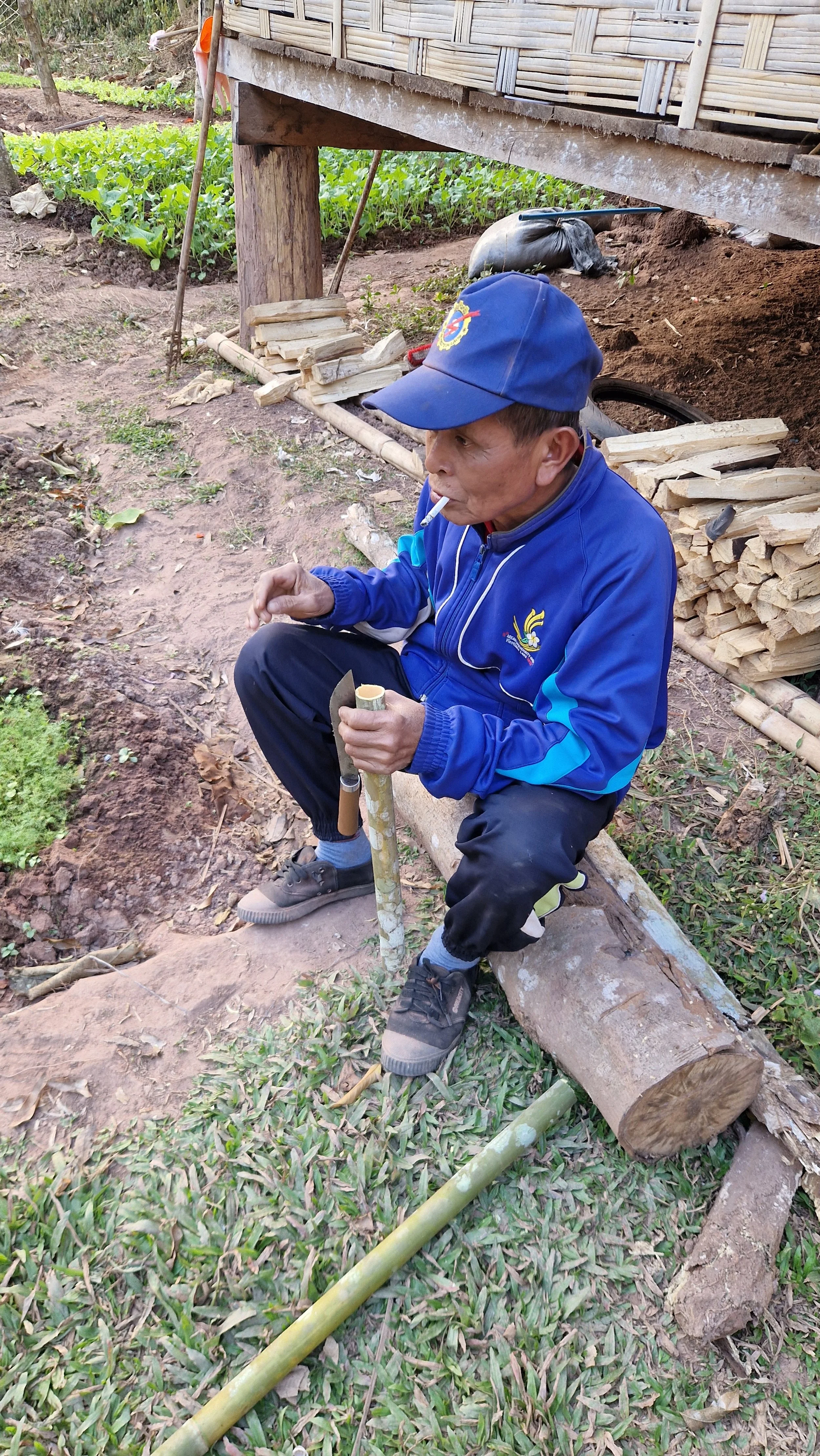
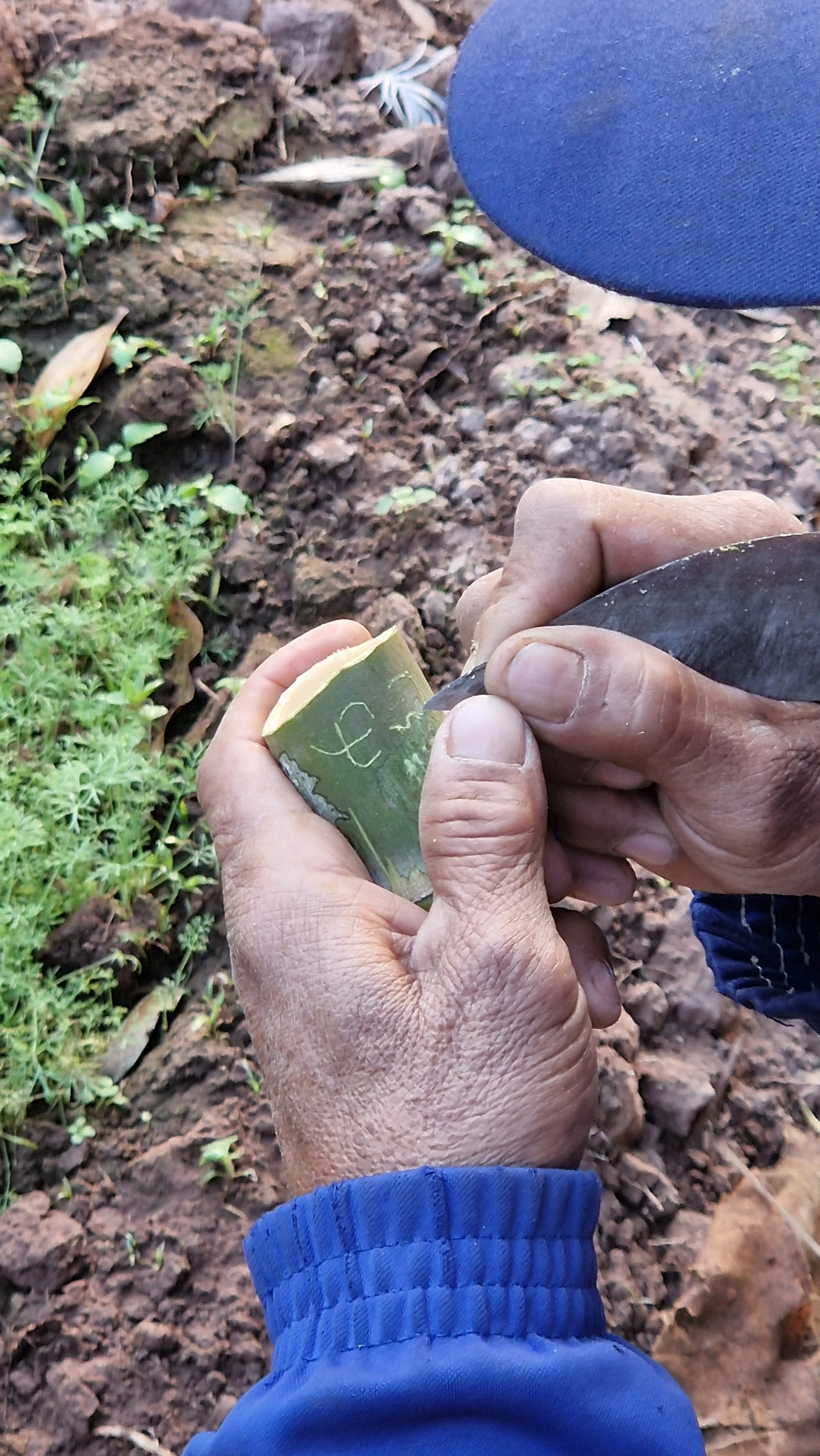
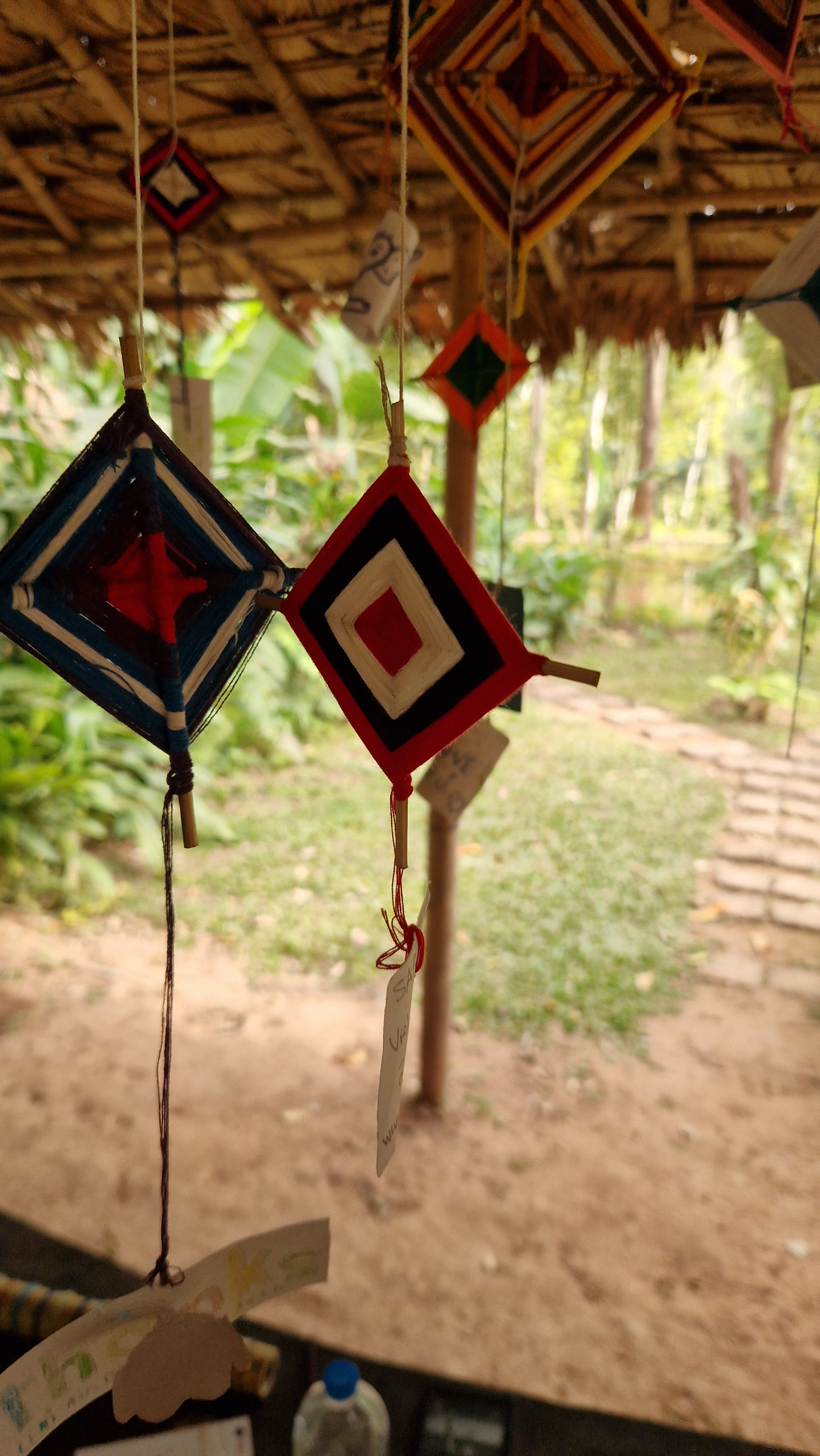
Over the course of the week, we visited three different elephants on four separate occasions and were thoroughly fascinated to learn about their distinct character traits and individual habits. The camp doesn’t have electricity; cooking is done over an open fire, and we were also introduced to the basics of crafting useful items from bamboo and of weaving with cotton harvested directly from the trees. The various cats and dogs on the property, each with their own roles - such as keeping unwanted animals off the grounds - were very welcome additions to our stay and provided extra entertainment for the kids. We also visited the “Whiskey House”. Distelled whiskey from rice appears to be the local alcohol of choice. Given the lack of resources, this simple process generates relativels strong alcohol with 35% - 40% in minutes. I proofed worthy of the rice whiskey. At leasst I have to assume so, as one of the local Maahouts crafted me my own shot glass from bamboo. A nice souvenir from the jungle!
We slept in a little bamboo bungalow and the nights in the jungle were actually quite cold; thankfully, we had been given additional blankets, as our thin sleeping bags weren’t quite ready for the task. We also helped prepare some of the local foods, predominantly cooked by the community, and the meals were genuinely delicious. Even unfamiliar dishes, like fried algae from the nearby river, proved to be surprisingly tasty and certainly enriched our culinary horizons. The week finished with a local “Baci Ceremony.” This important ceremony in Lao culture is used to celebrate meaningful occasions—such as births, marriages, and also to welcome or bid farewell to honoured guests. Over time it has become a national custom, involving the tying of cotton strings around the wrists of guests to preserve and share good luck. The tradition is based on the belief that each person is born with an intangible asset called “kwahn,” which safeguards life and accompanies its owner. The aim of the ceremony is to invite kwahn that may have strayed to return, thus strengthening the person’s spirit and morale. It finished with songs sung by the village shaman, and the guests were given boiled eggs and rice for their good health. (https://en.wikipedia.org/wiki/Baci)
We left after six nights in the jungle, exchanging heartfelt goodbyes with the village and carrying a bag full of memories that we will cherish not only for the remainder of our journey, but long after. The simple life there proved deeply rewarding - a refreshing contrast to the travel that came before. Back on the bumpy road, we reached Vientiane about five to six hours later and treated ourselves to a long, warm shower - probably one of the best I’ve ever had. Afterwards we went out for dinner; although we had all loved the local cuisine in the jungle village, none of us could resist the familiar comfort of a few western dishes that night.
We took the train from Vientiane to Luang Prabang the following day. A Chinese-built high speed train made us reach Luang Prabang, the cultural capital of Laos, just some good two hours later. Over here in Luang Prabang, we staying 10 nights outside of town in a homestay that is run by a Swiss-Lao couple and afterwards, we will spent another week in Luang Prabang to discover the town. More on that in the next update. Until then: Be well!