Chiang Mai, Thailand
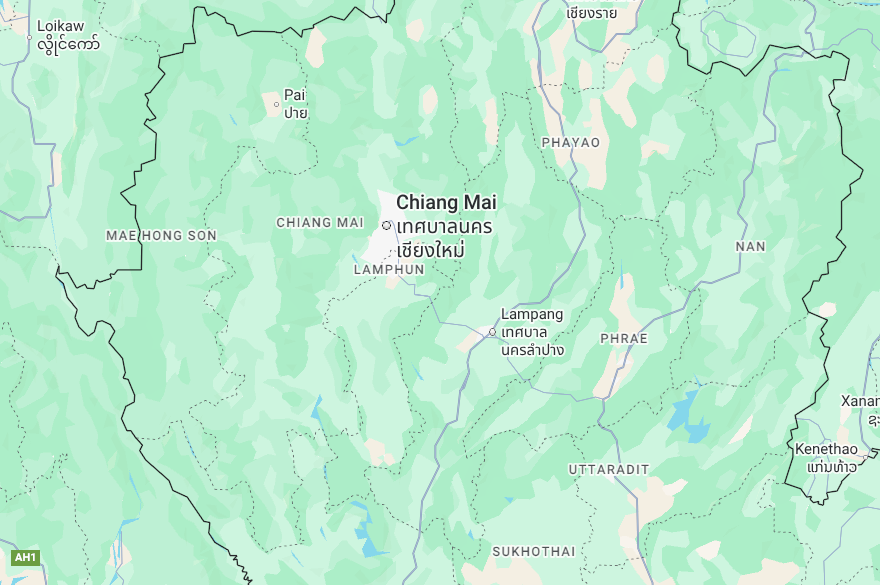
Thailand! Country #18 on our journey and, in contrast to our previous destinations, a place we had visited before. I’d been to Bangkok a few times as a child, and Sarah and I had holidayed in Krabi, but this trip we chose to head further north to a region we hadn’t explored together: Chiang Mai. Often called the unofficial capital of northern Thailand, it’s the principal hub for administration, education, healthcare and transportation across the country’s upper provinces. Chiang Mai was founded in 1296 by King Mangrai and became the capital of the so‑called Lanna Kingdom. The Lanna Kingdom - “The Land of a Million Rice Fields” - was a powerful, independent Tai polity that endured for several centuries, encompassing much of present‑day northern Thailand and extending into areas of today’s Myanmar and Laos. Although it was fully incorporated into the modern Thai nation‑state in the early 1900s, the Lanna identity still strongly influences northern Thai culture, dialects and traditional practices. The Lanna civilization reached its cultural height in the 15th and 16th centuries, and many of the temples and historic sites you can visit in Chiang Mai today date from that flourishing era.
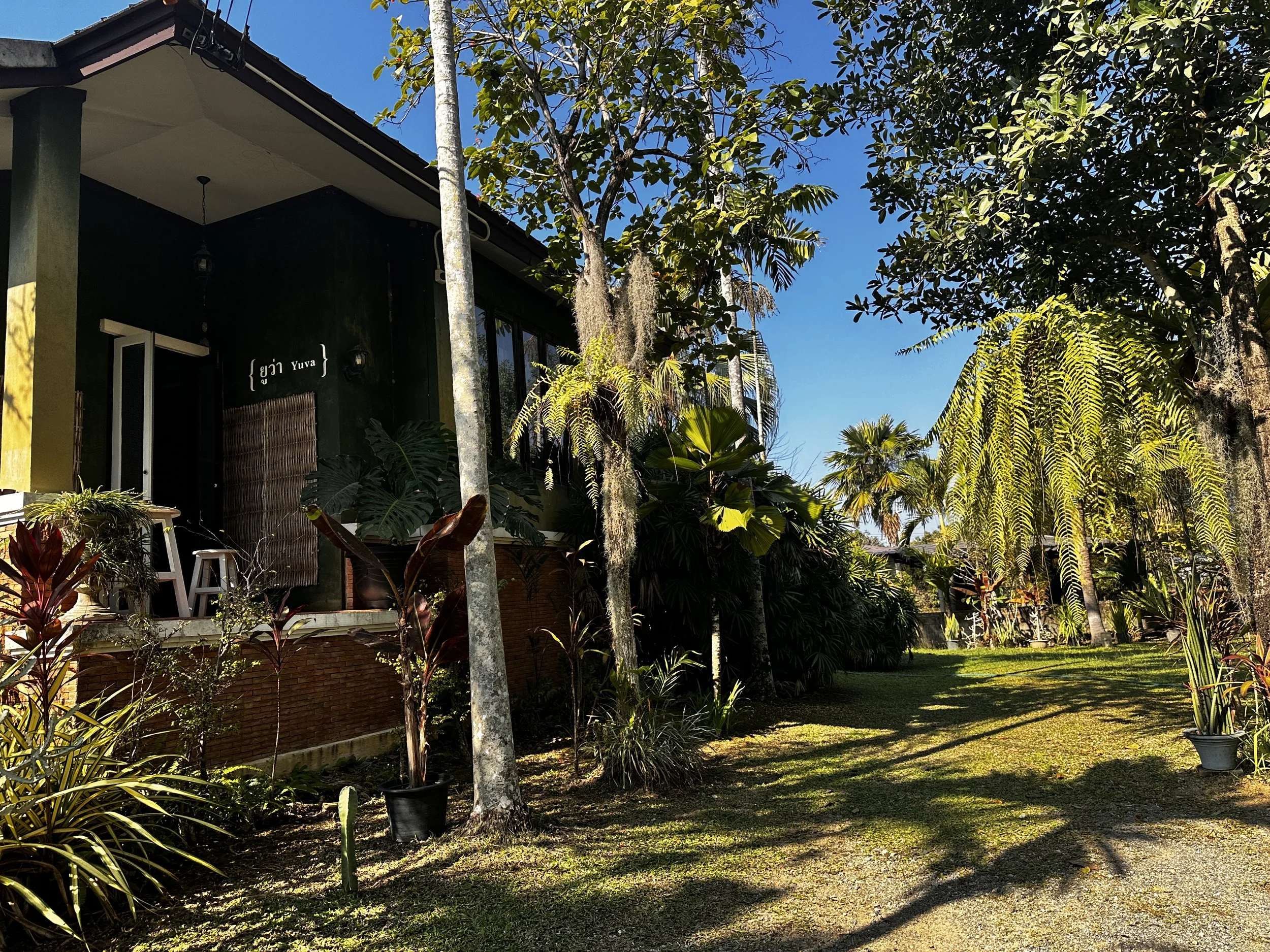
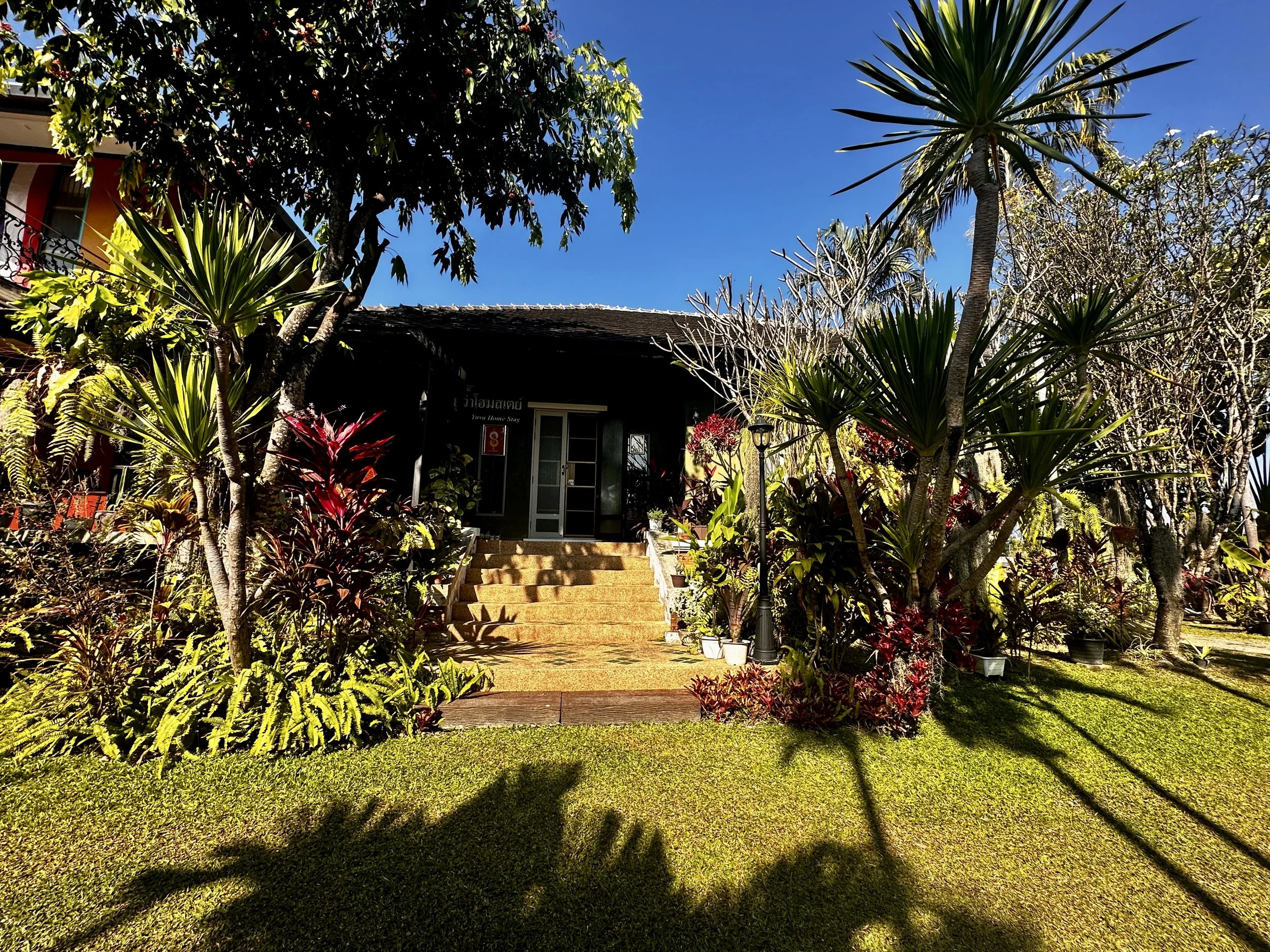
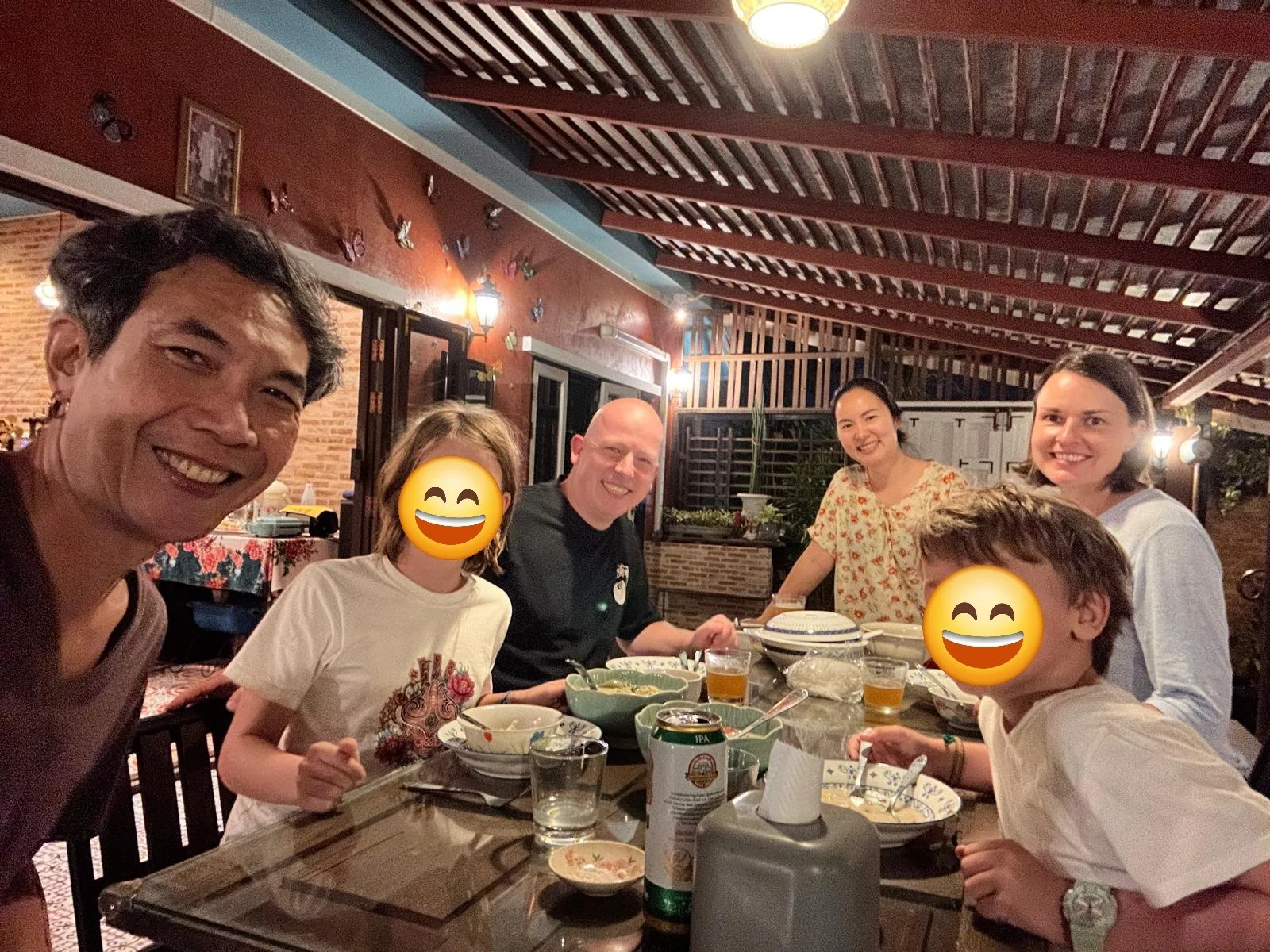
We found a beautiful homestay in the Hang Dong district, just 20 minutes south of the Old Town of Chiang Mai. Ae and Yu, our hosts, were absolutely wonderful, and we consider ourselves incredibly lucky to have met them and stayed at their lovely Yuva Homestay (https://yuvahomestay.com/). We arrived as their guests almost two weeks ago, and when we leave on the 18th of January, we will be leaving as friends. Two weeks is a perfect length of time to relax, explore Chiang Mai and its atmospheric Old Town, and visit the many stunning temples that lie beyond the city center, such as Doi Suthep and the peaceful Wat Pha Lat. It also gave us the chance to spend numerous afternoons with my aunt and uncle, Daggi and Rolf, who happened to be traveling through Thailand in January and stopped in Chiang Mai at the same time. We had already shared wonderful moments with them during our journey in Vienna, and it was a joy to meet up with them again on the other side of the globe.
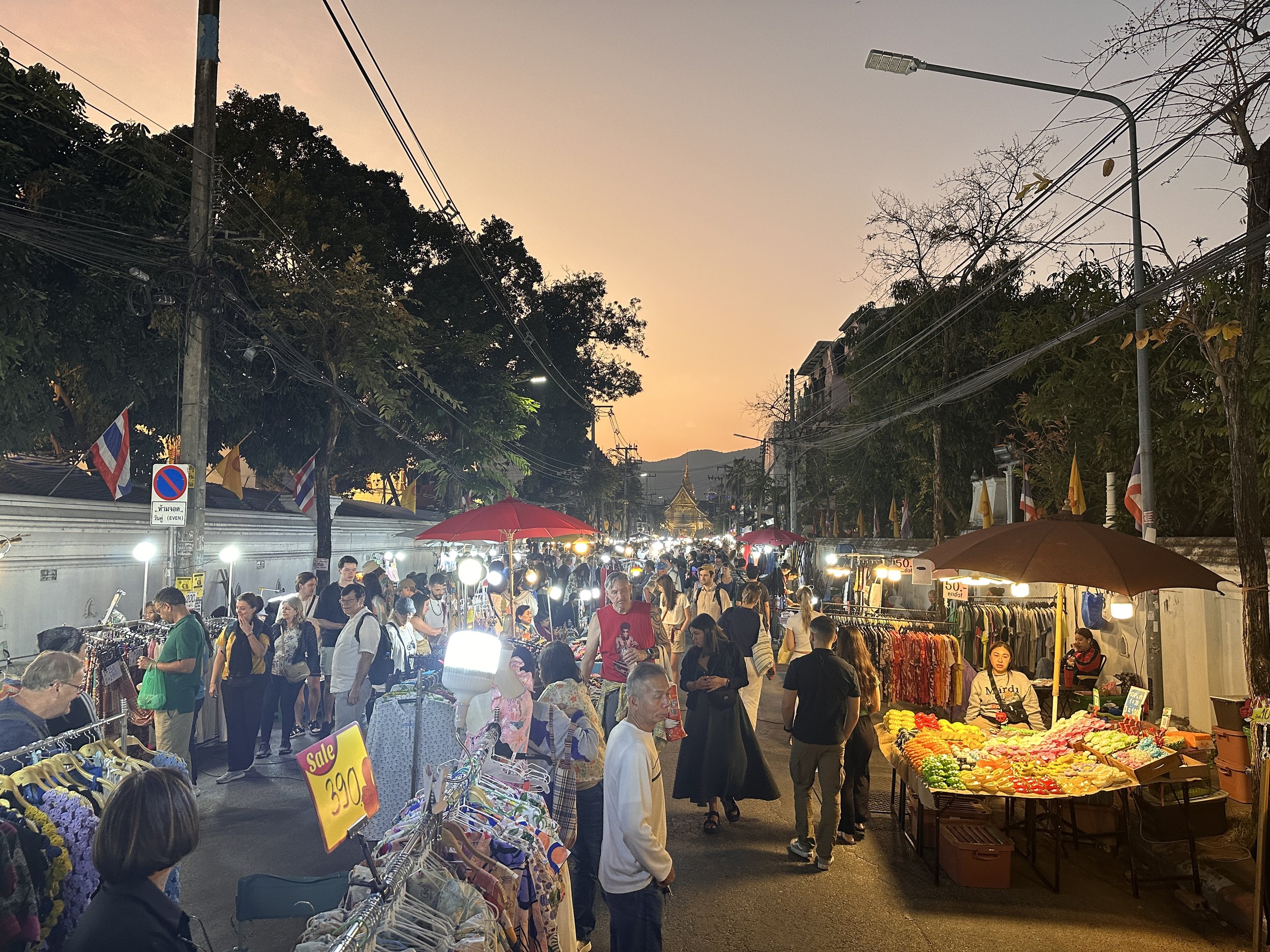
Once again though, we also took it easy in Chiang Mai, continuing our theme of slow travelling and not packing our days with sightseeing activities. The stunning garden of our homestay was likewise very inviting, a peaceful little jungle perfect for taking a morning or afternoon off and enjoying the gentle quiet. We decided to rent scooters to stay flexible, which once more proved the perfect mode of transport: a lovely route along the Mae Nam Ping river carried us into town with minimal fuss. The scooters were a bit pricier than in the countries we’d visited before, and rides with Grab were more expensive too, but overall it still felt like good value for money and spared us the wait for a driver when we were on the outskirts. Traffic was something to get used to, though. Not only do the Thais drive on the left-hand side, they also generally follow the rules. After the relative anarchy of Cambodia, Vietnam and Indonesia, it took a little time to adjust to traffic lights and stricter regulations, but once we did, getting around felt much more relaxed.
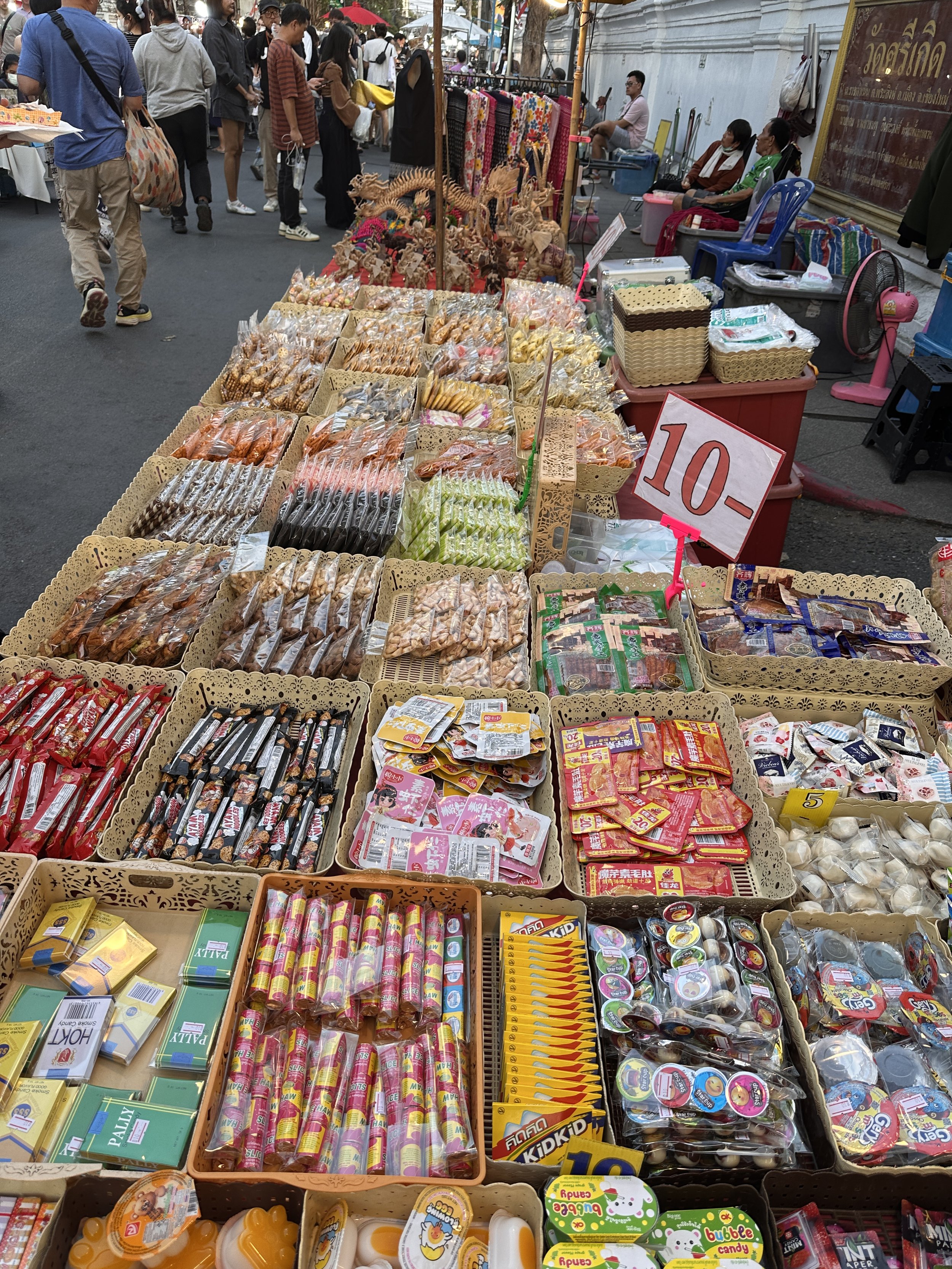
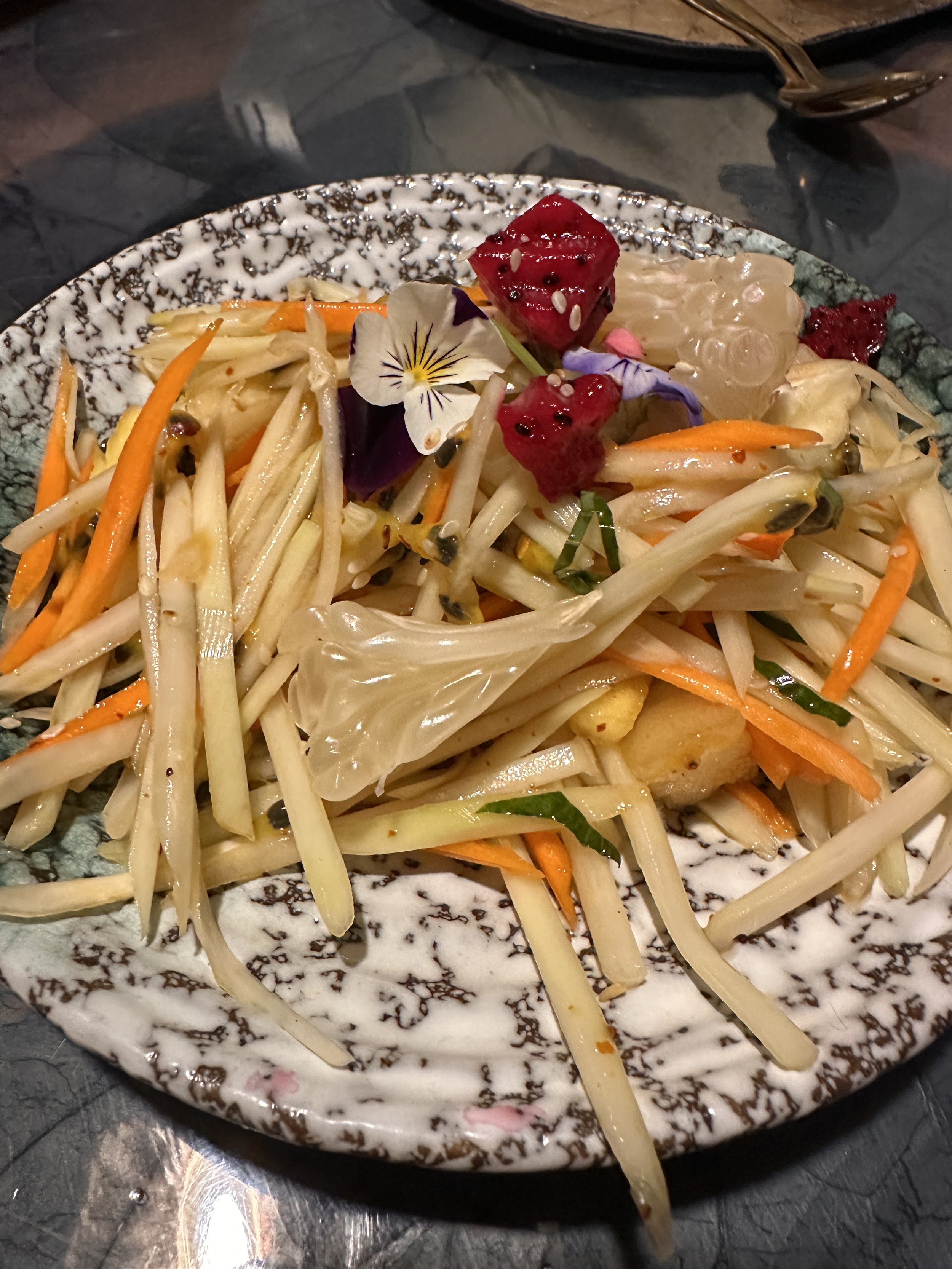
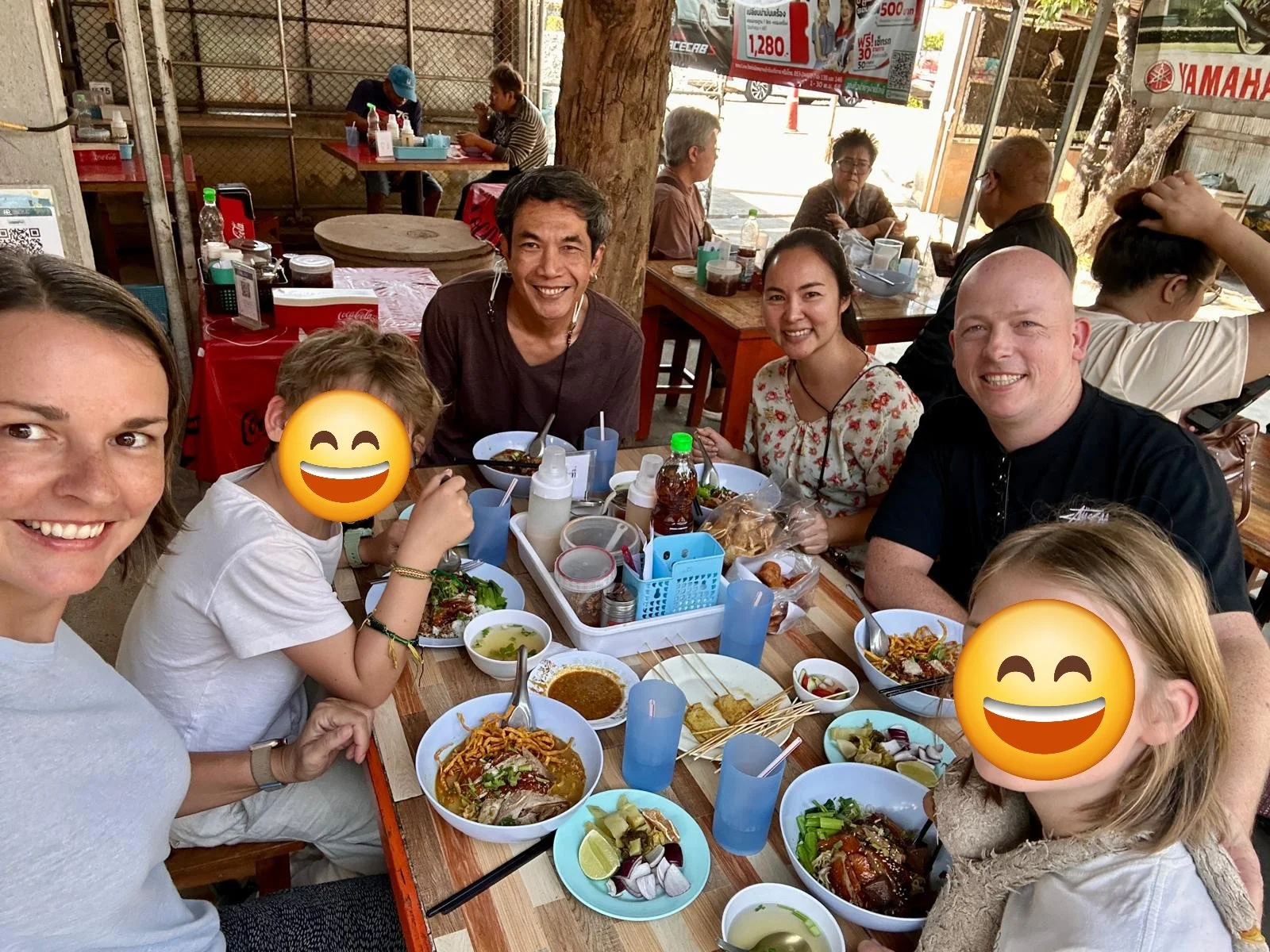
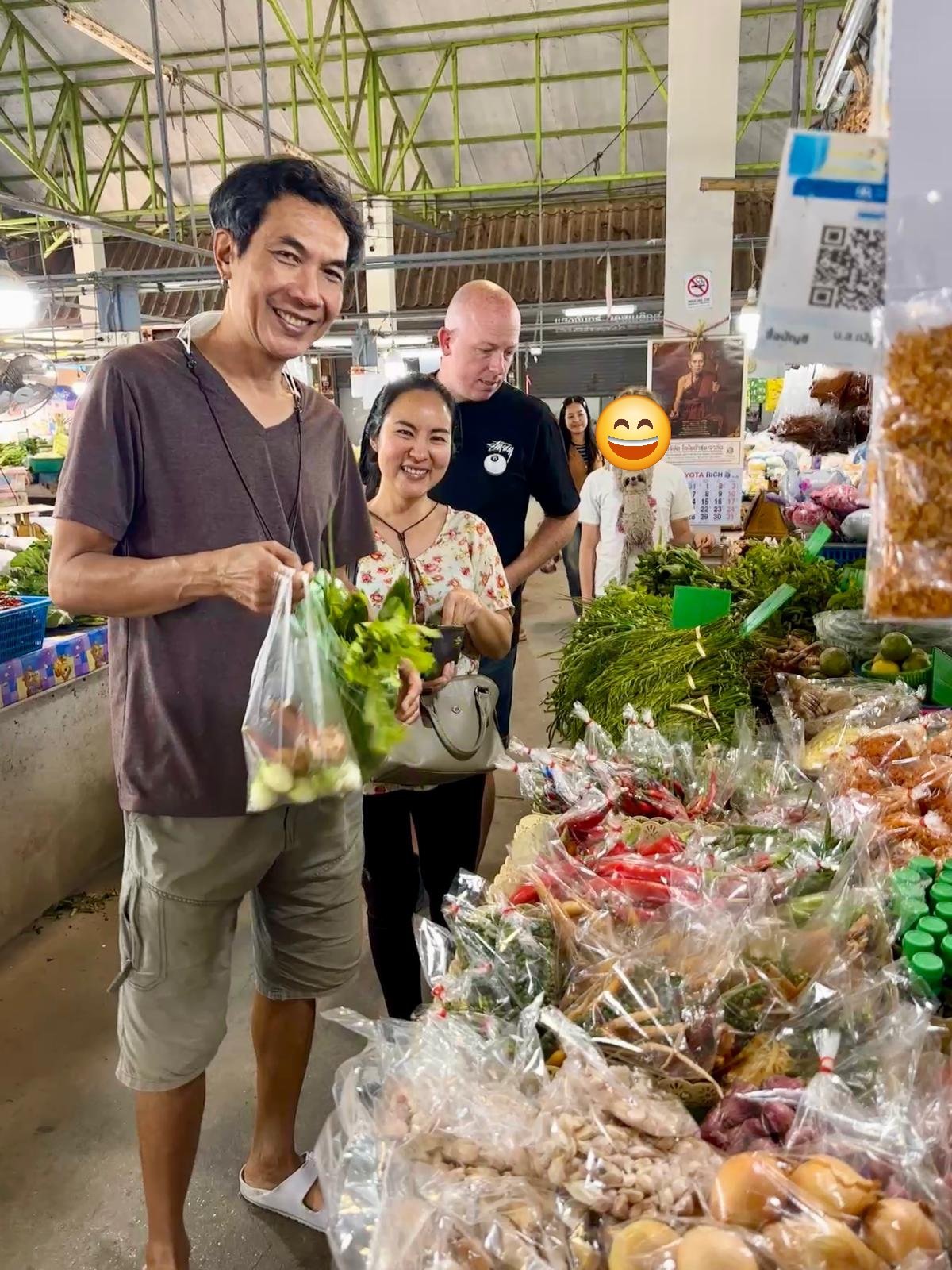
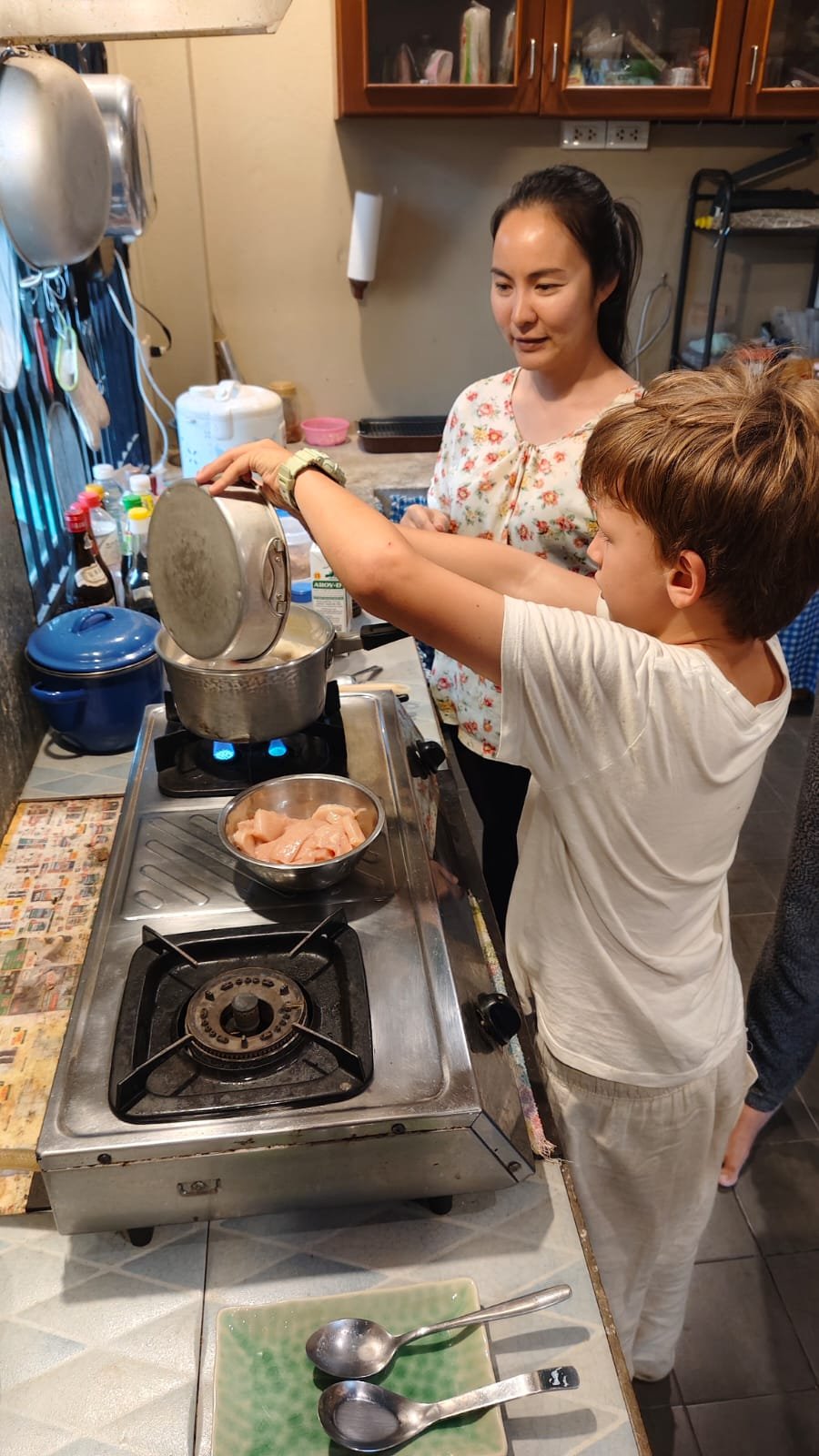
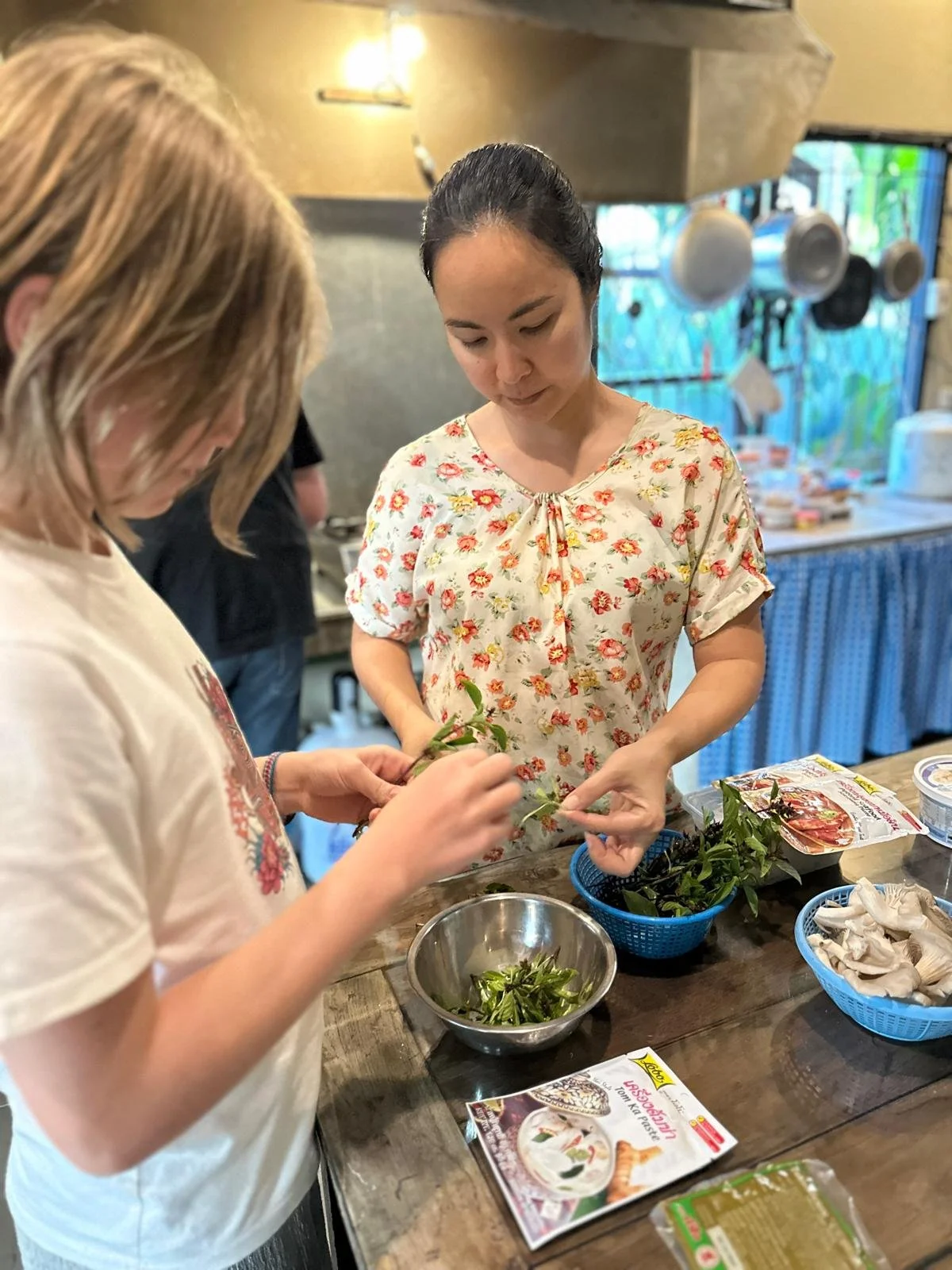
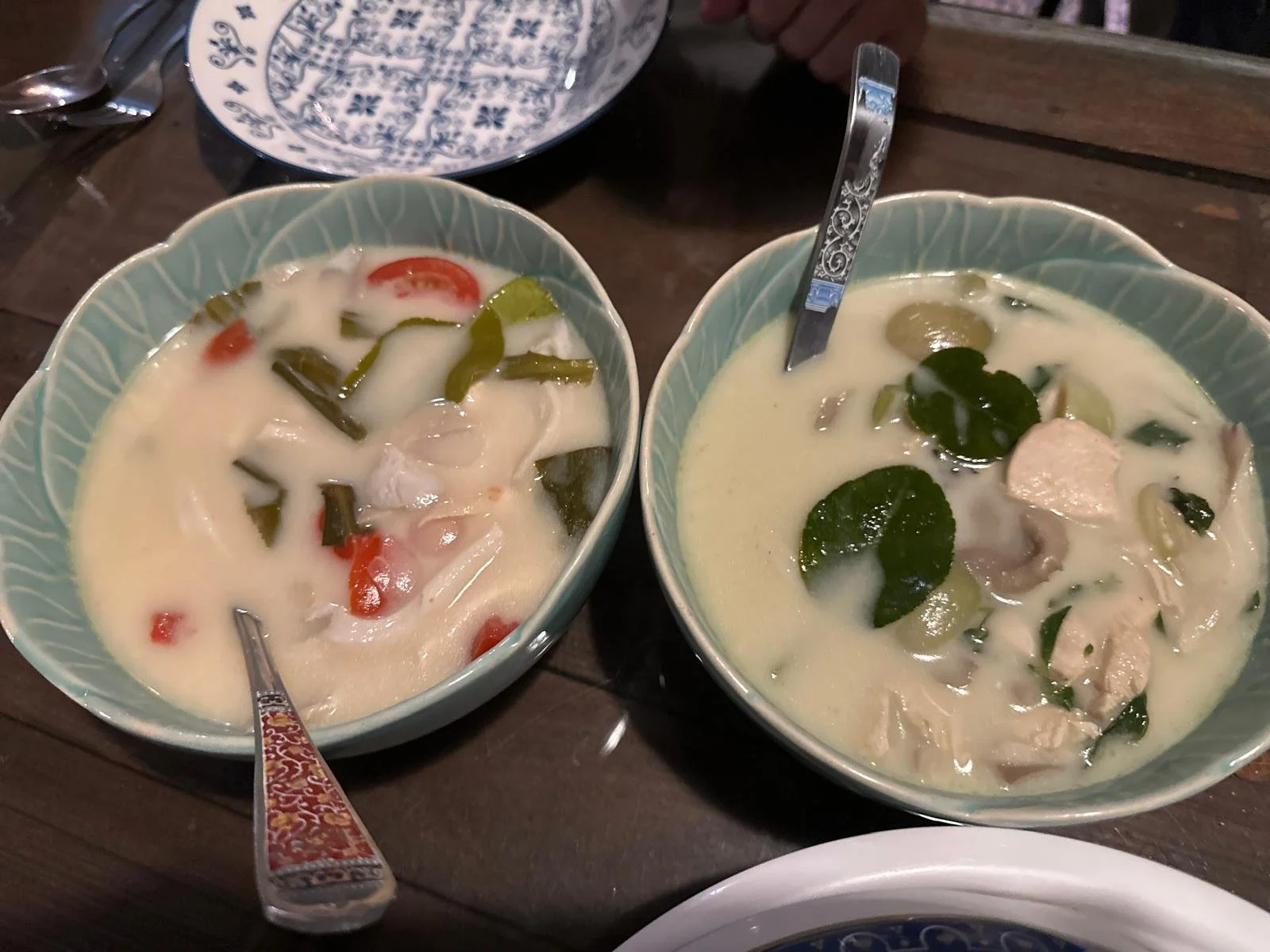
And then there is Thai food! We’ve always been big admirers of Thai cuisine, so coming to Thailand was something we were eagerly looking forward to for that reason as well. The variety and quality of food in the city is extraordinary. Even the hidden little street stalls serve mouthwatering dishes, and the fantastic aroma of Thai cooking drifts around every corner. Our hosts, Ae and Yu, were kind enough to spend a day with us, bringing us to one of their favourite lunch spots. Afterwards we went together to the market, bought fresh ingredients, and spent the afternoon in their kitchen preparing Tom Ka Gai soup, a green Thai curry, and a seafood noodle dish. It was a lovely, hands-on experience that brought Thai cuisine even closer to our hearts.
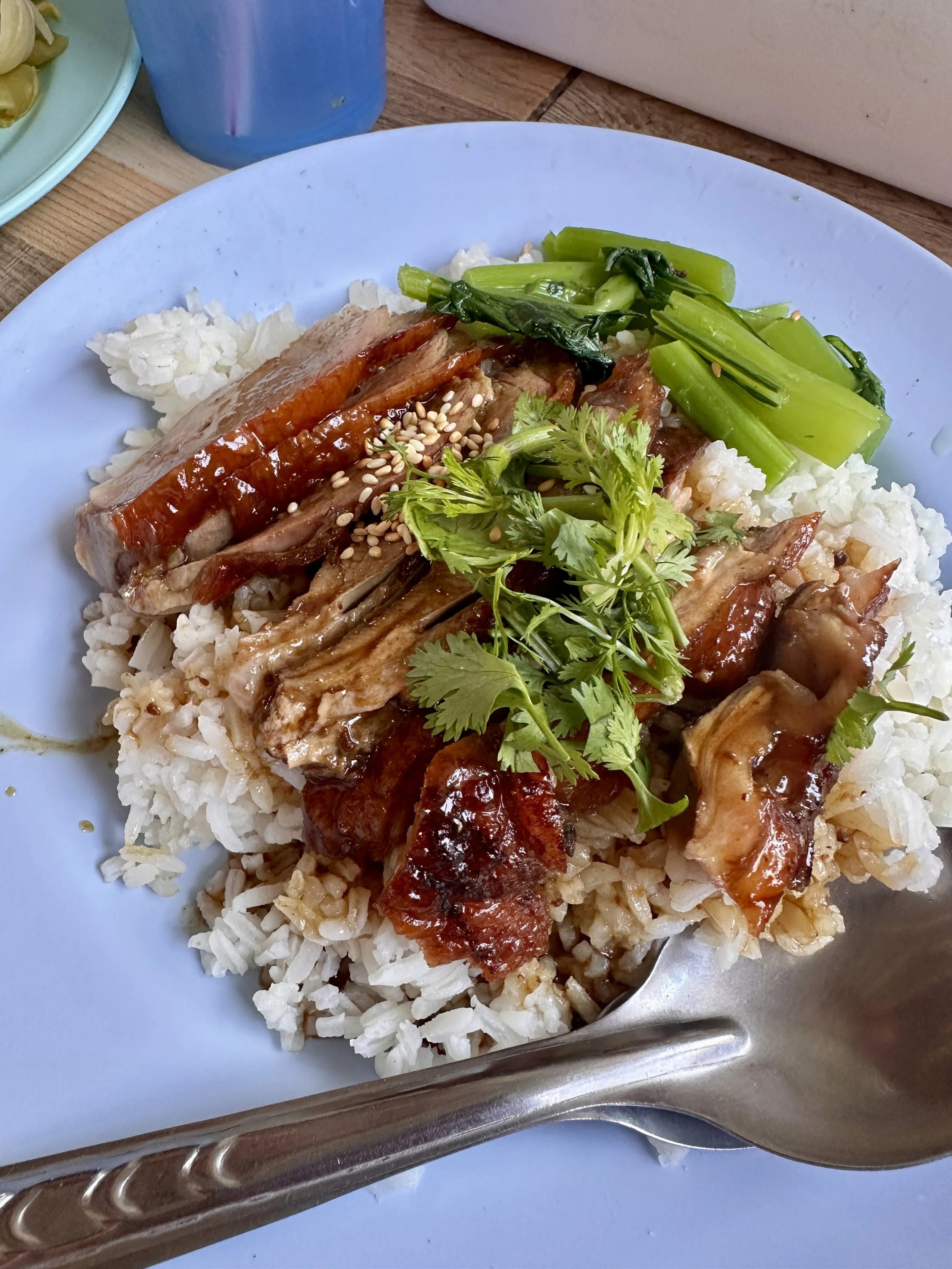
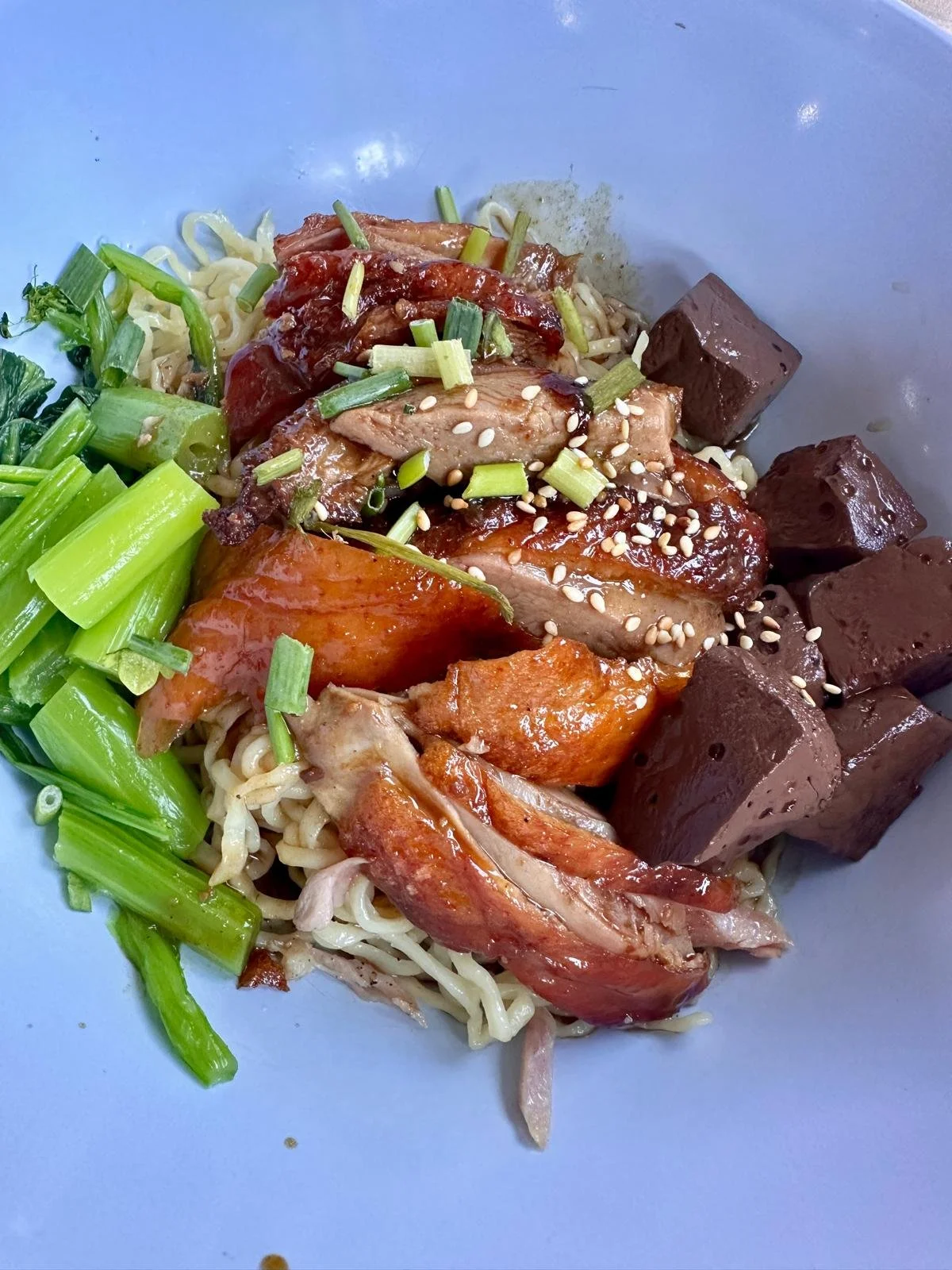
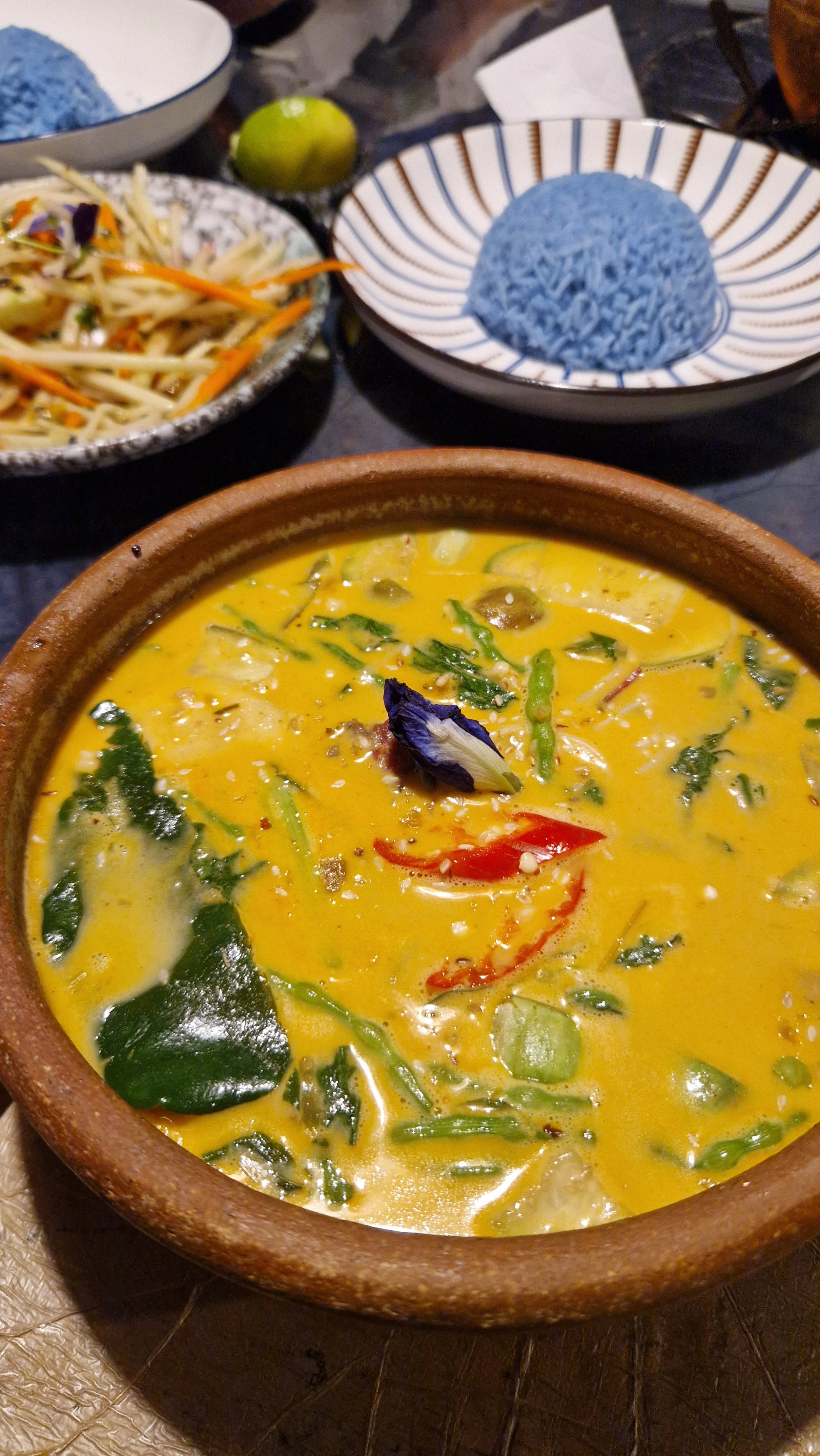
There were many restaurants and food stalls we visited during our time in Chiang Mai. “Garden to Table” was excellent as well. They served a superb Khao Soi, a traditional northern Thai dish. “Guay Tiew Pet Tun Saraphi” (https://guide.michelin.com/en/chiang-mai-region/chiang-mai/restaurant/guay-tiew-pet-tun-saraphi) was the place Ae and Yu took us to, and if you ever find yourself in Chiang Mai you should make the effort to have lunch there. From the outside you wouldn’t even recognize it; it sits beside a road and nothing indicates that Michelin Guide–listed food awaits behind a modest fence. The roasted duck noodles cost 55 baht - barely over 1.50 euros - and left us pretty speechless. It was a wonderfully local experience. There are far too many other great places to list here, but you’ll find outstanding food on practically every corner of this city.
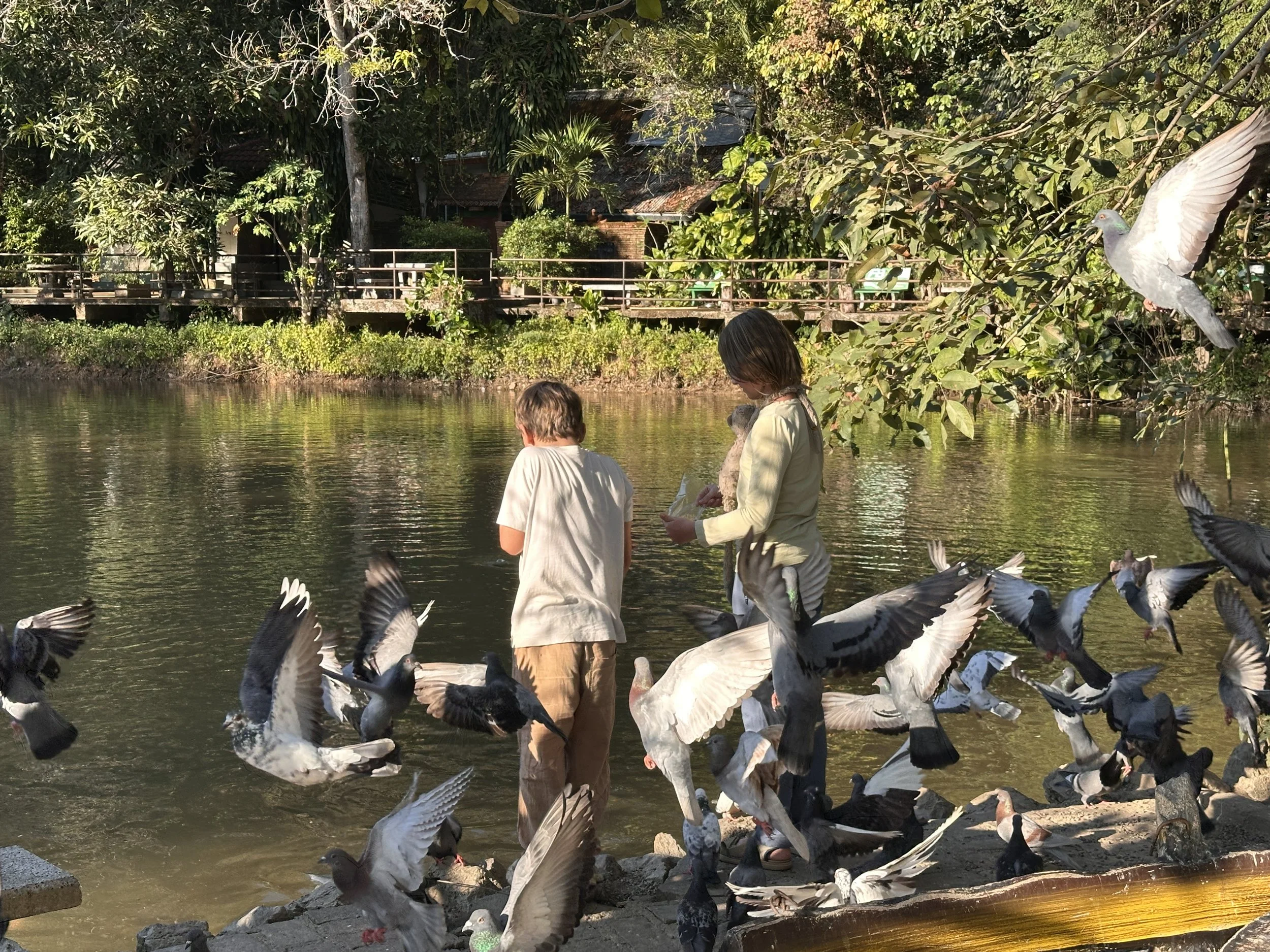
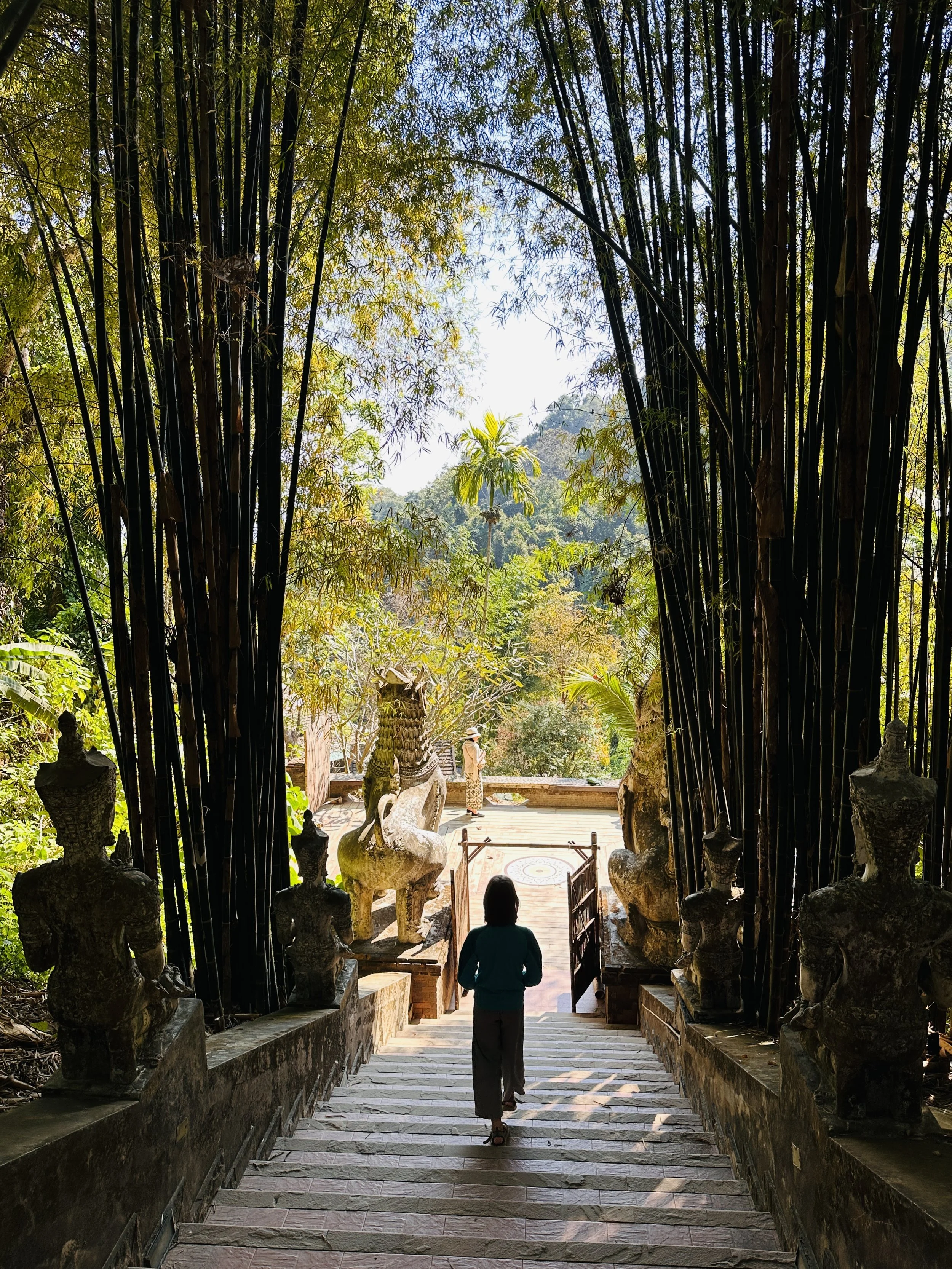
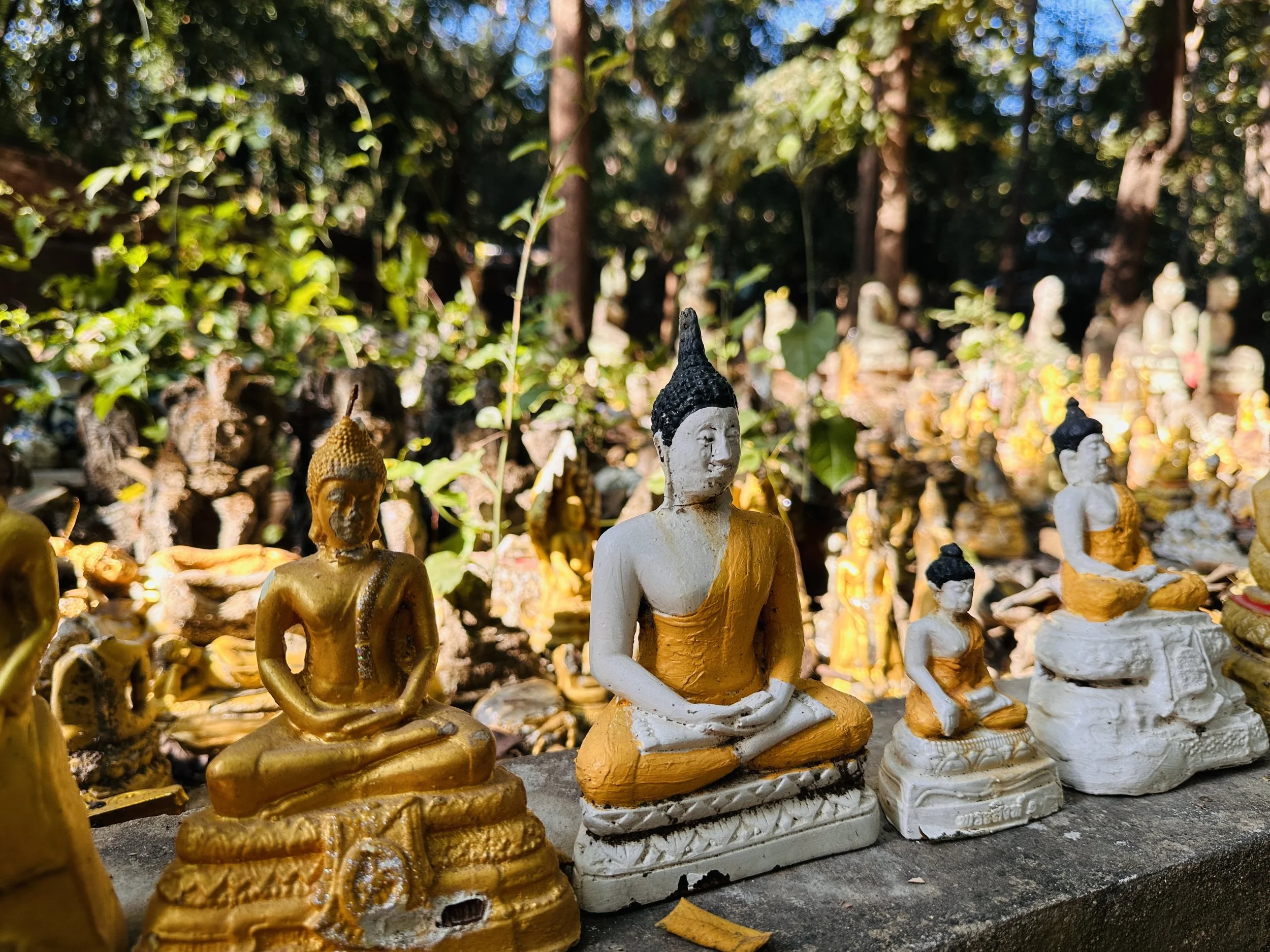
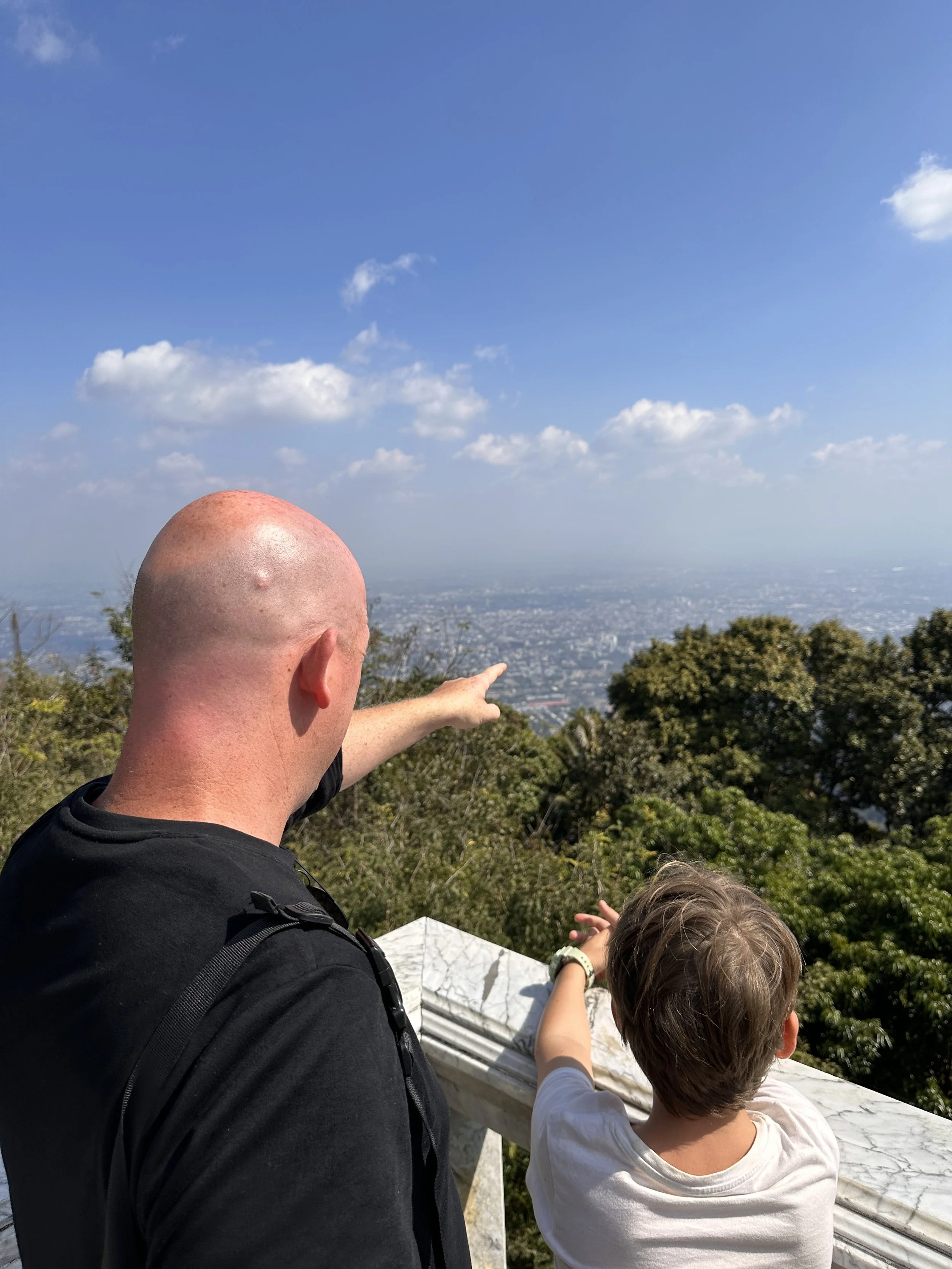
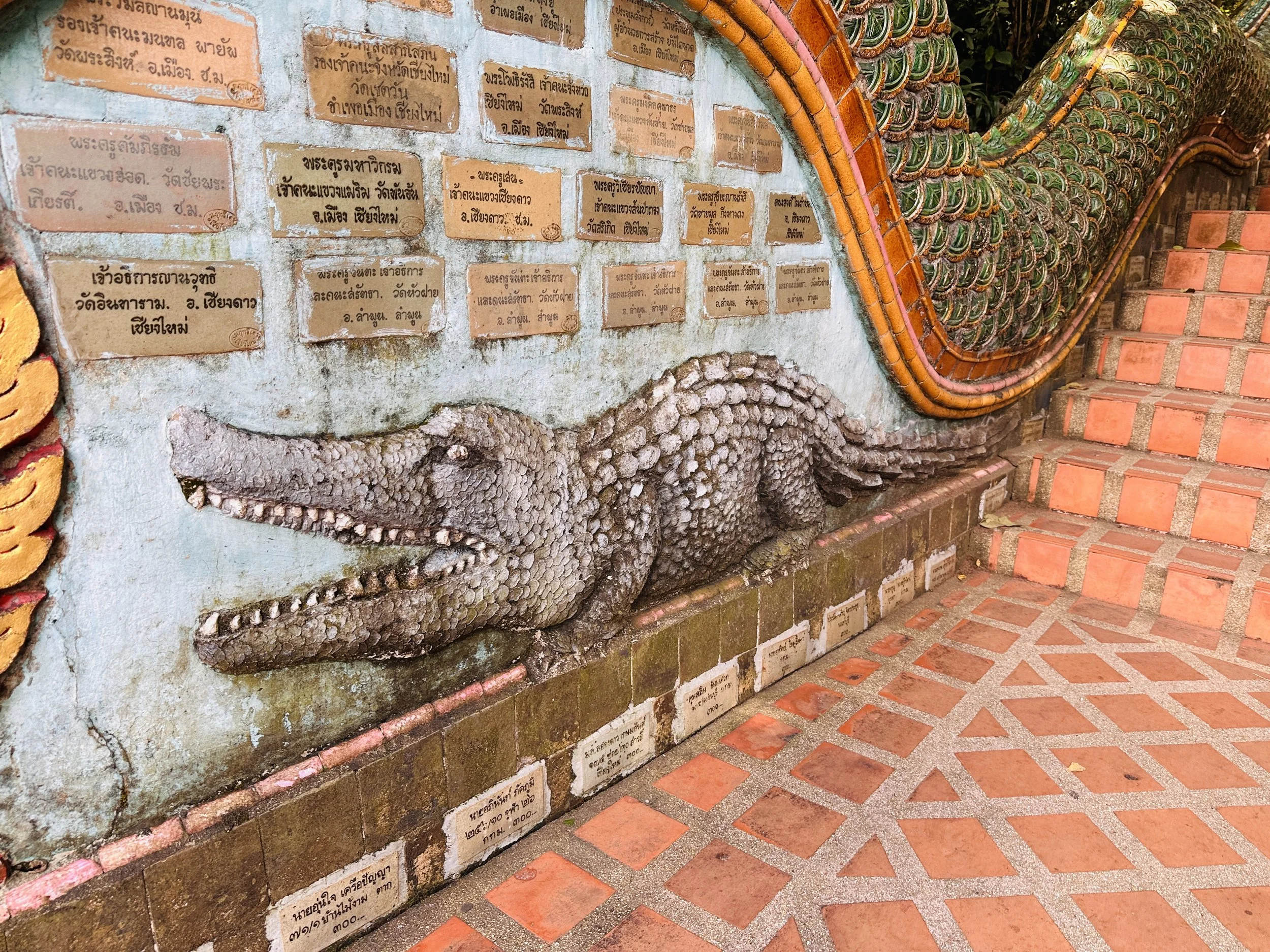
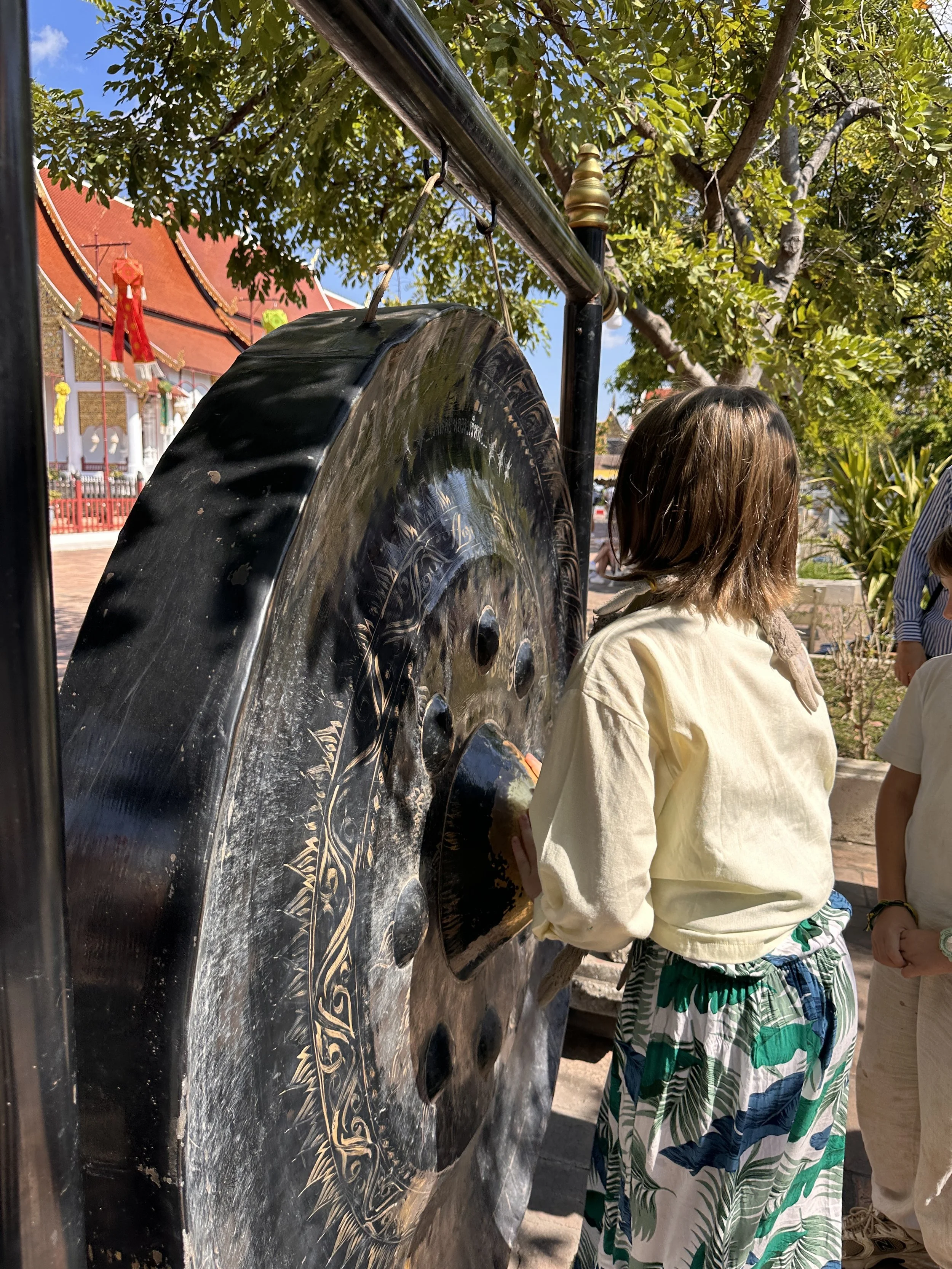
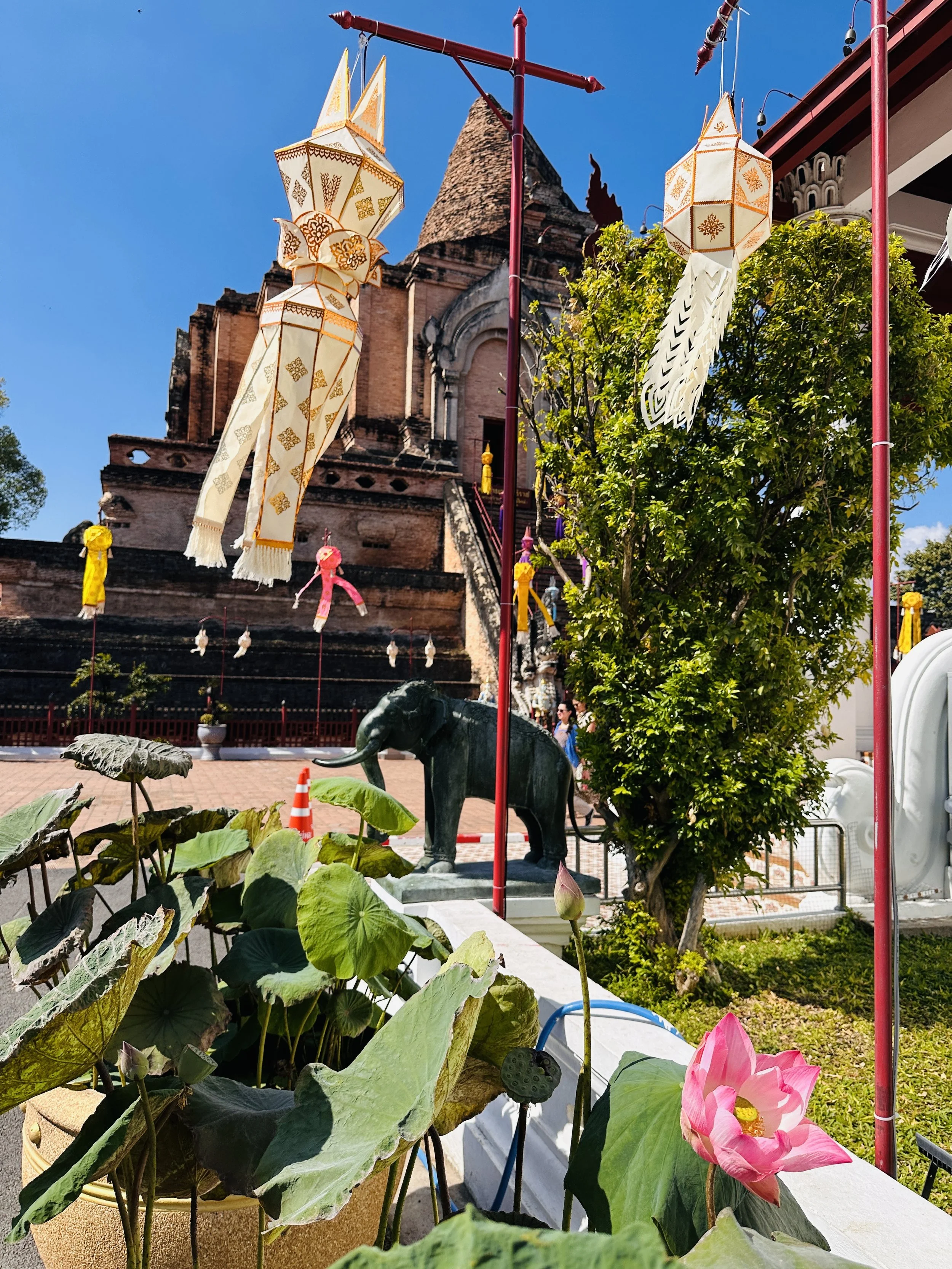
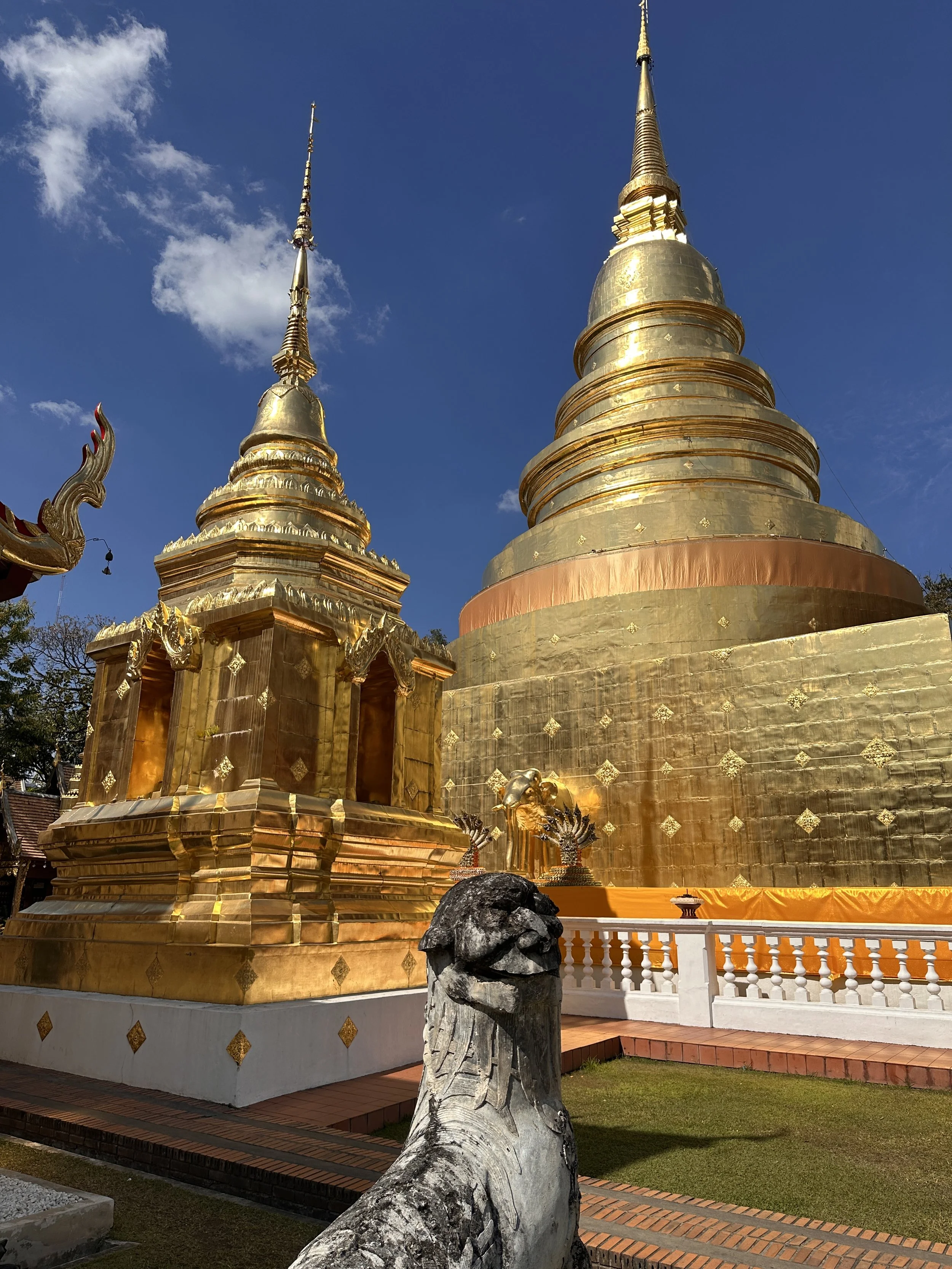
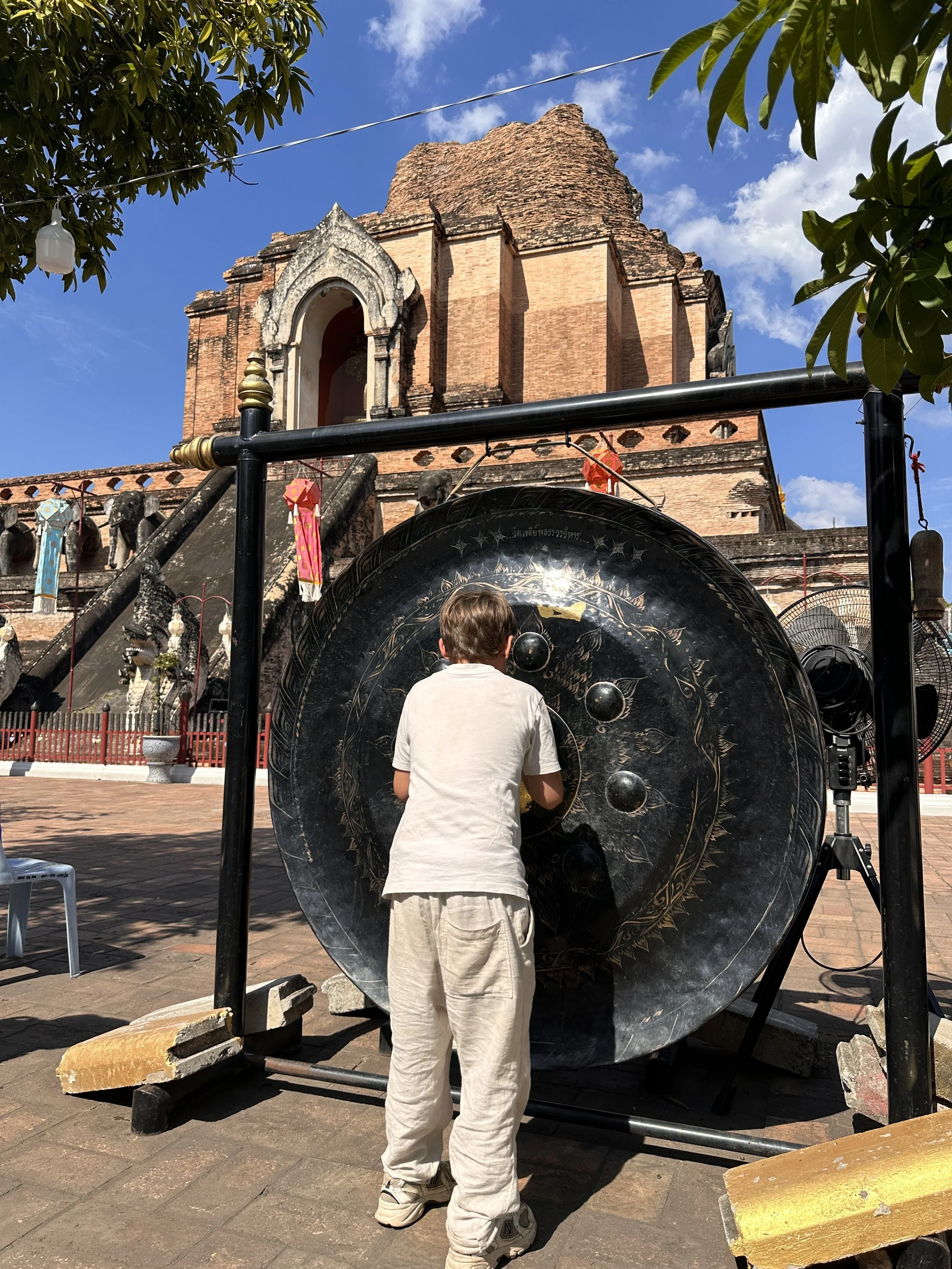
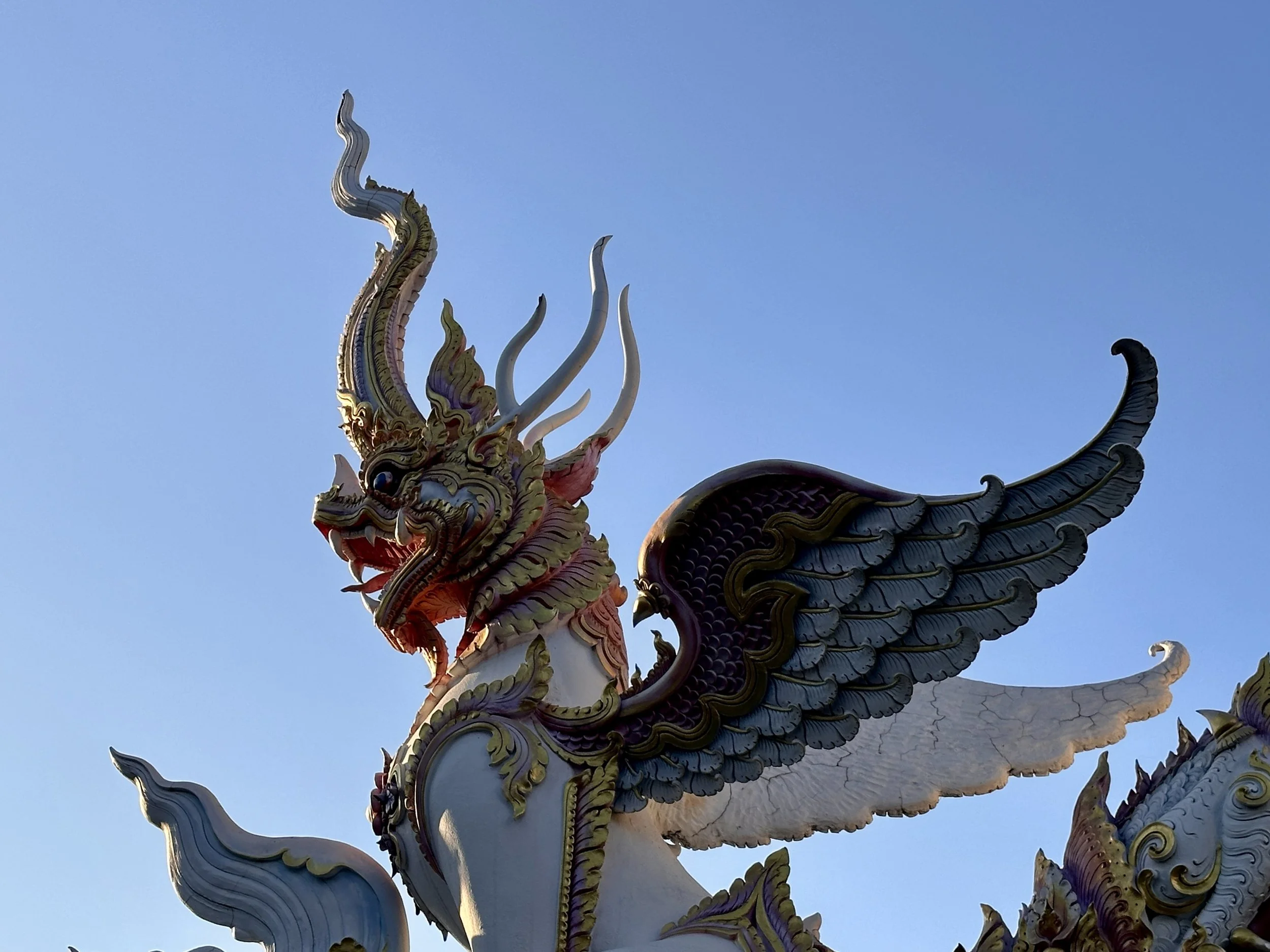
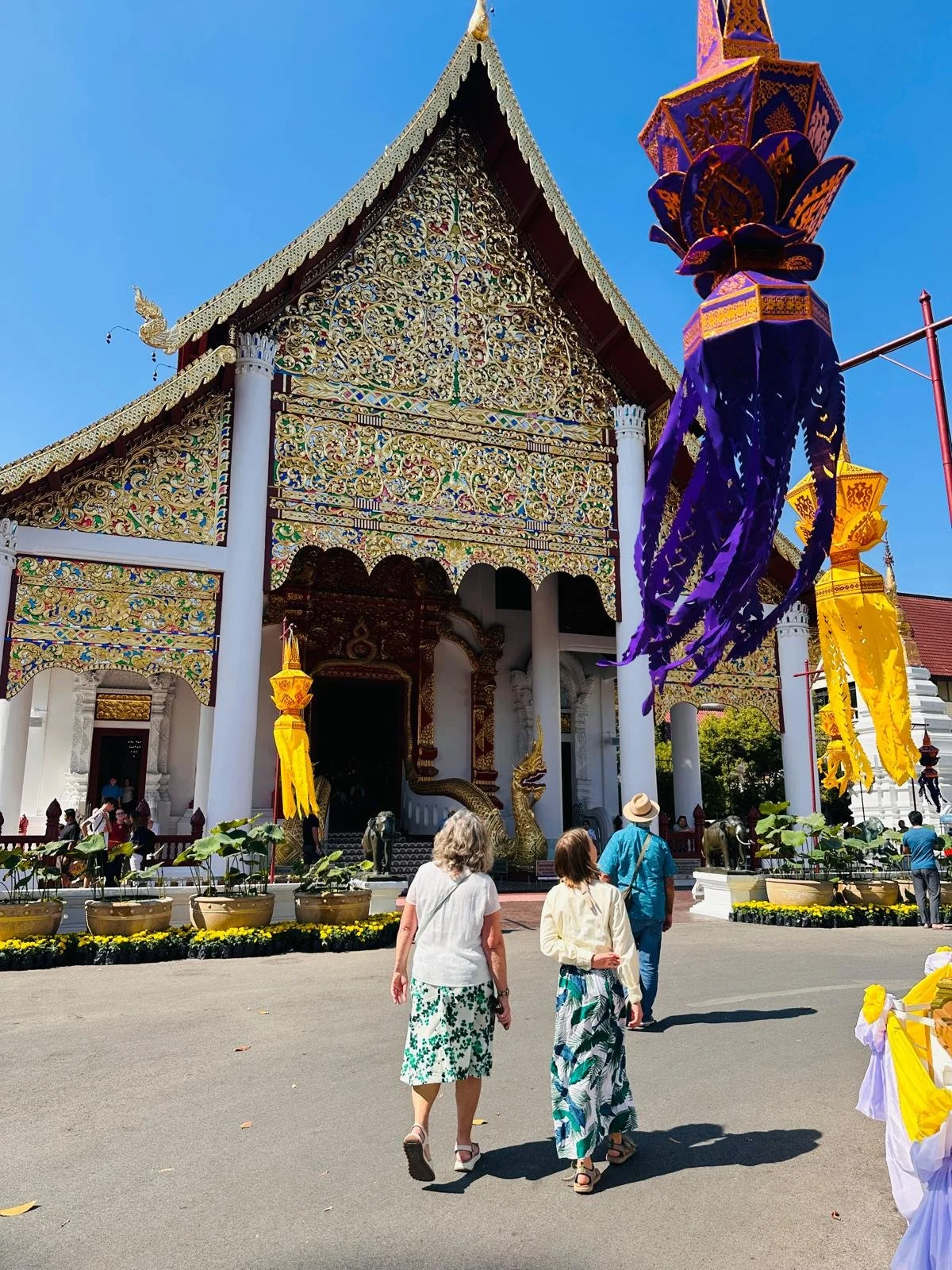
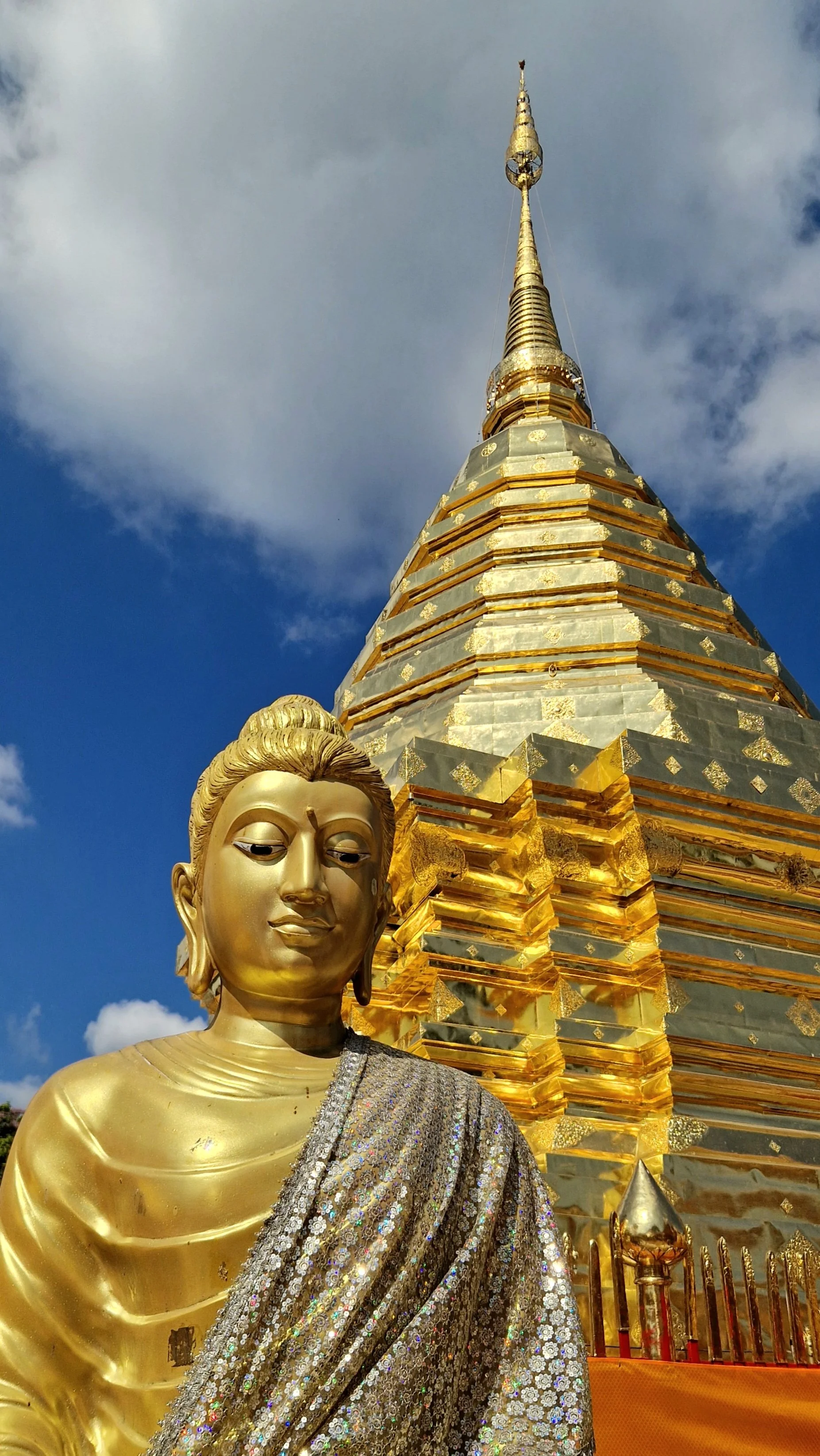
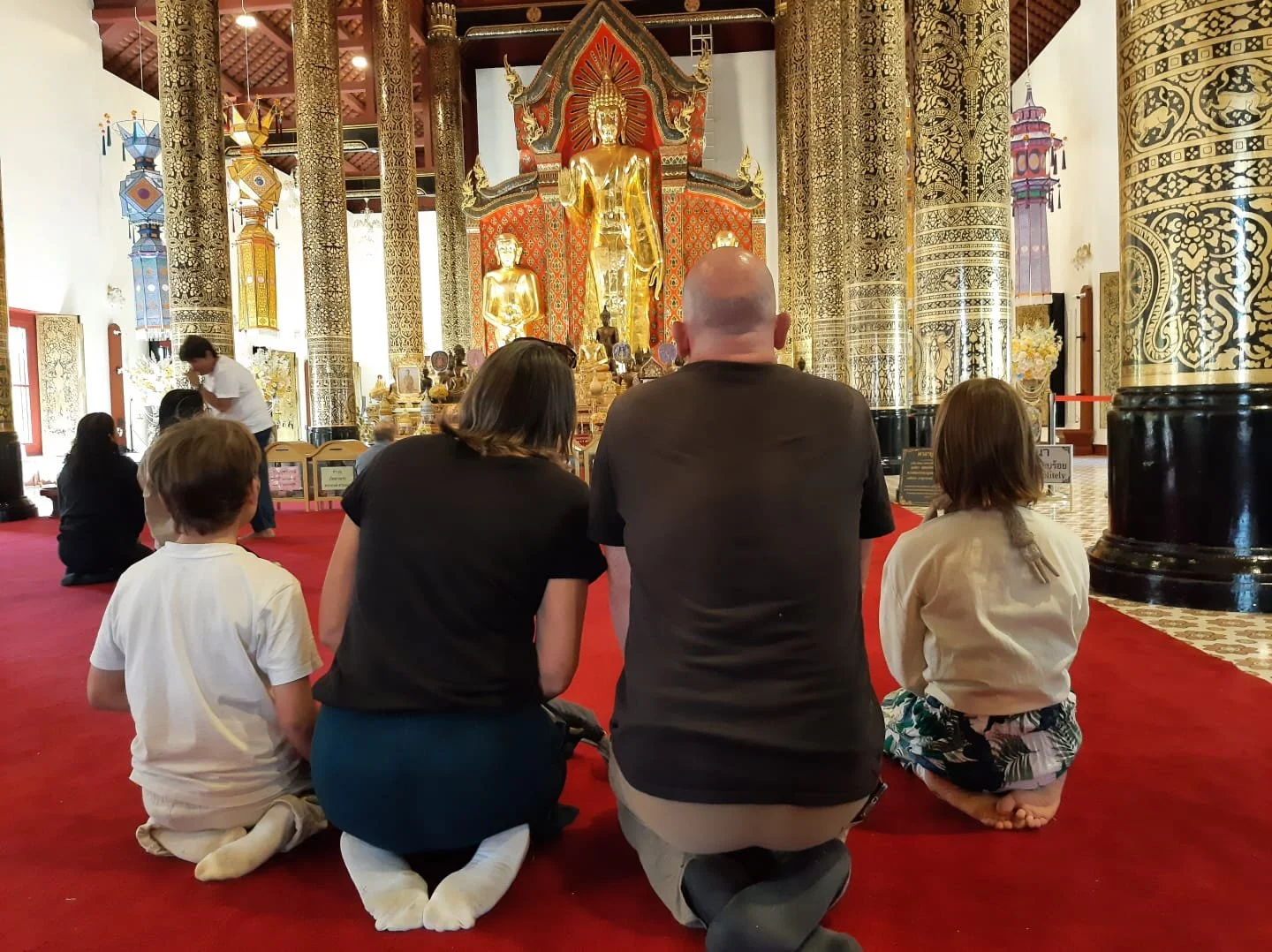
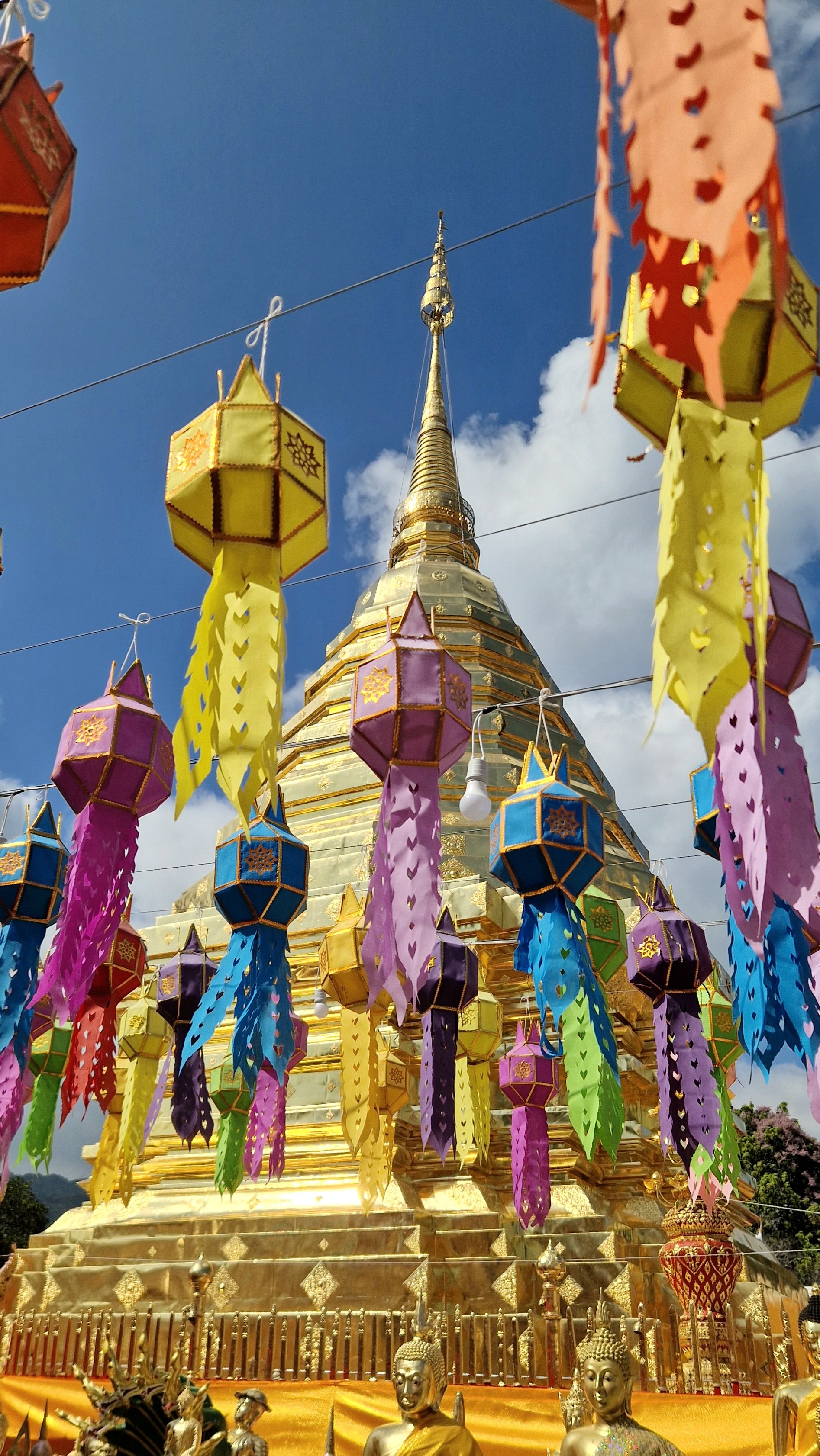
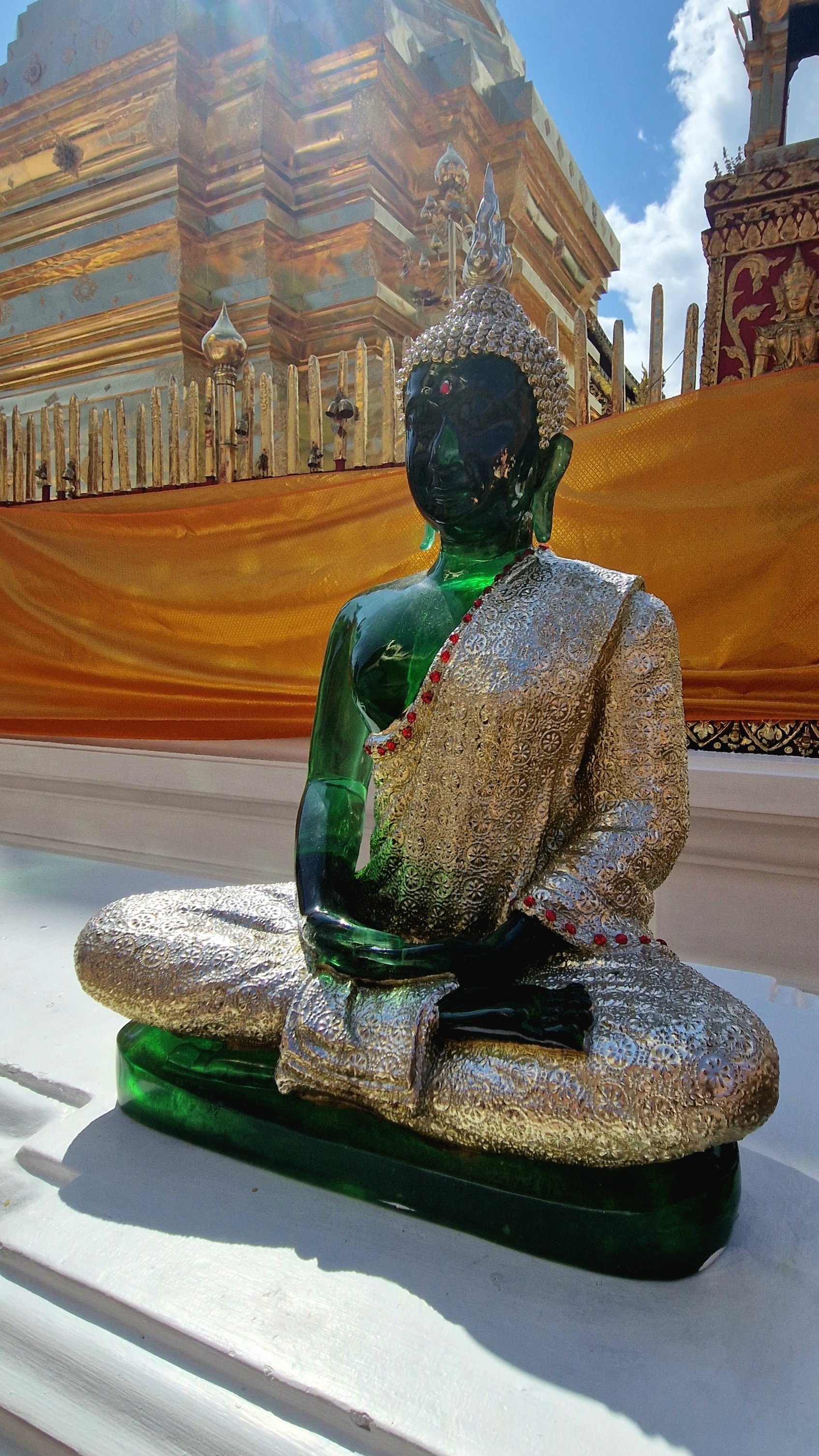
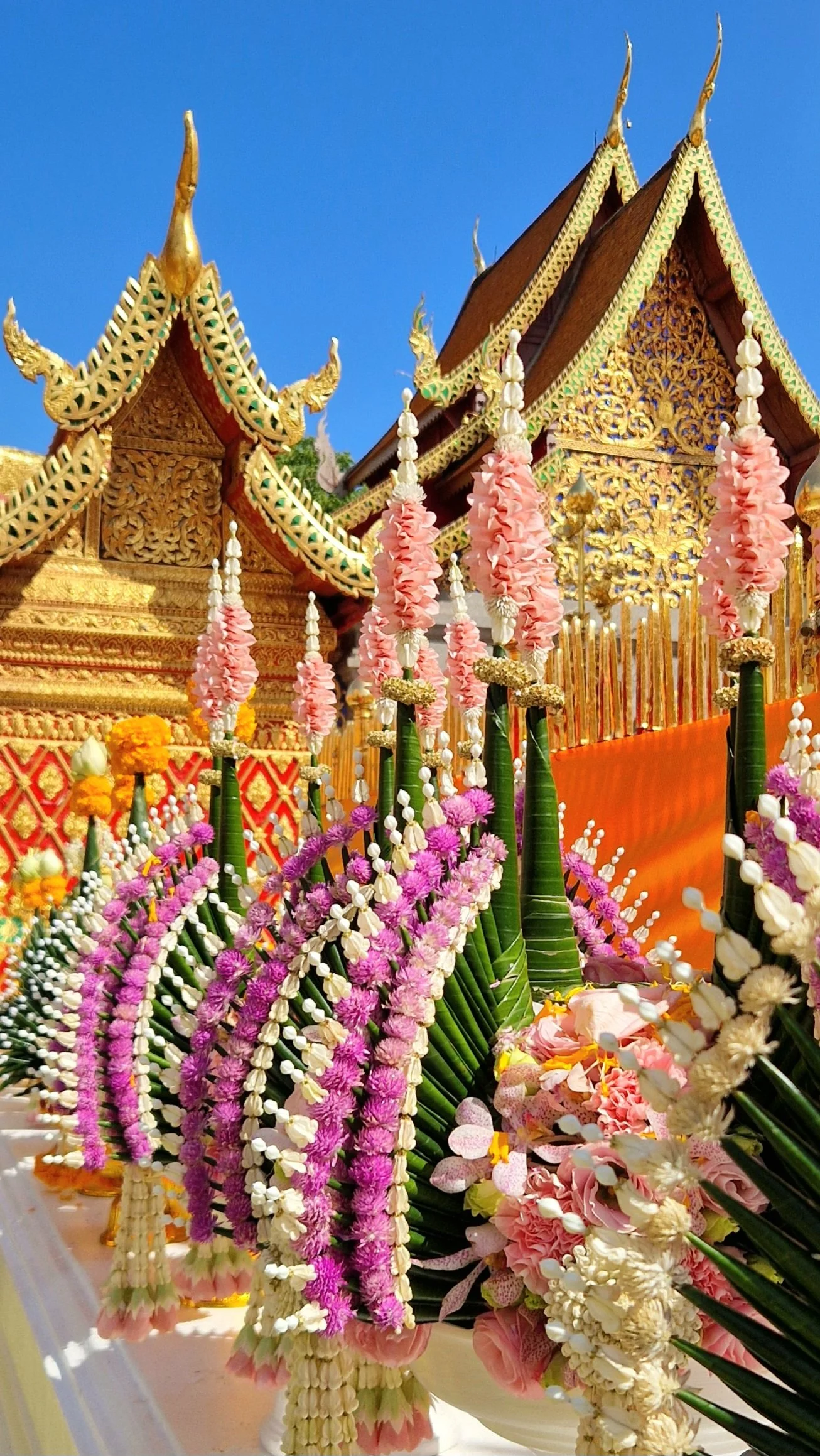
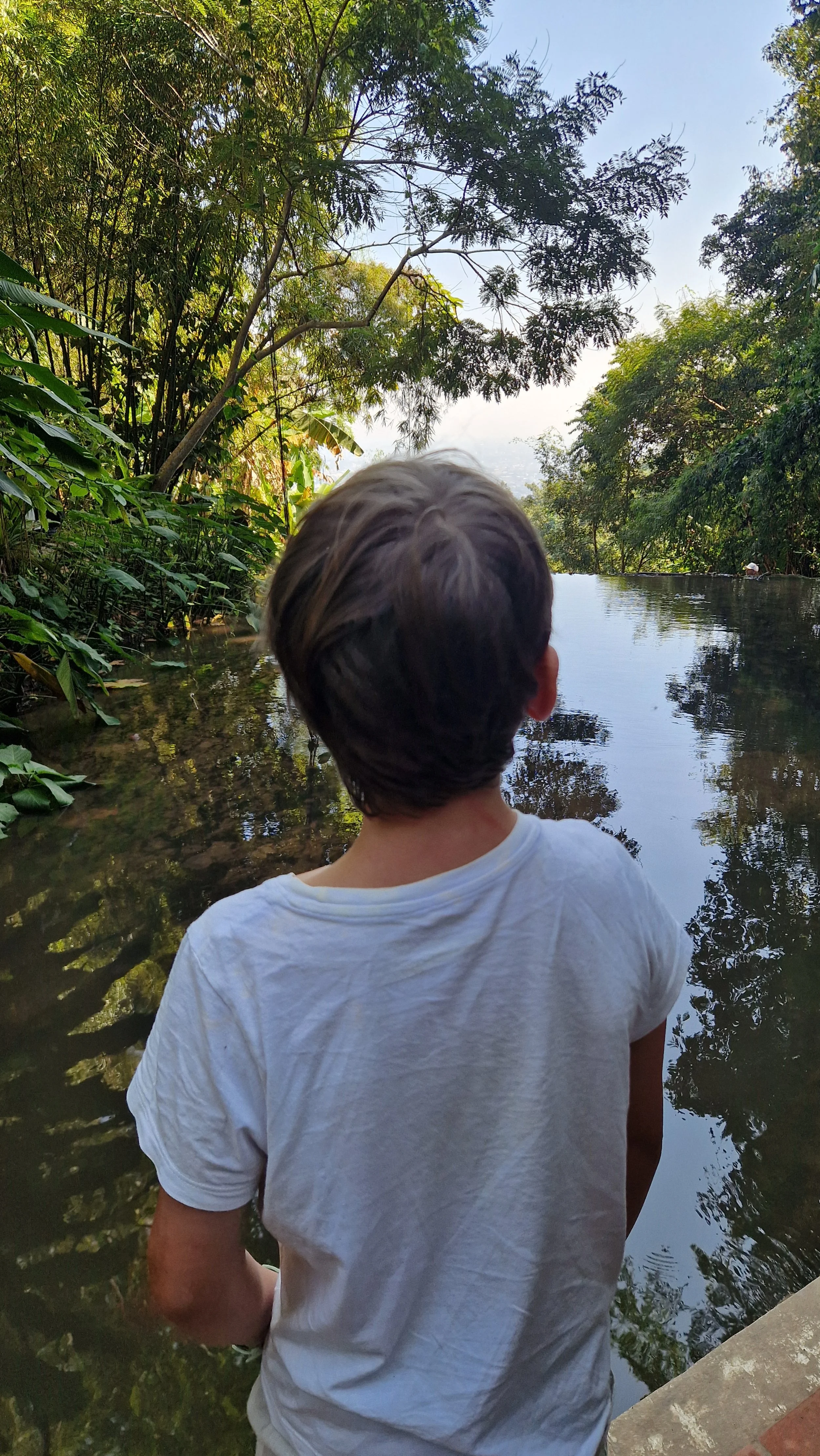
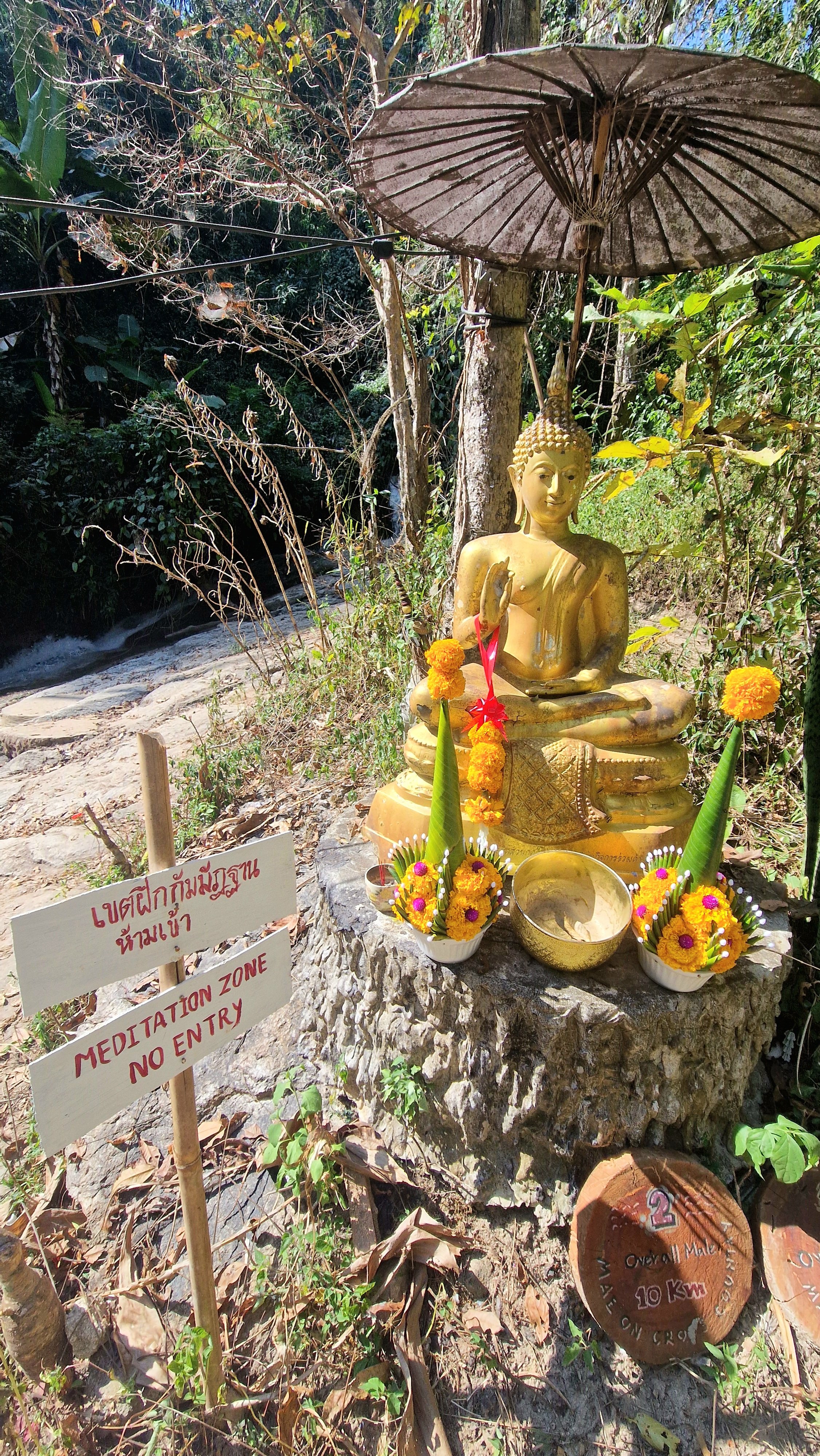
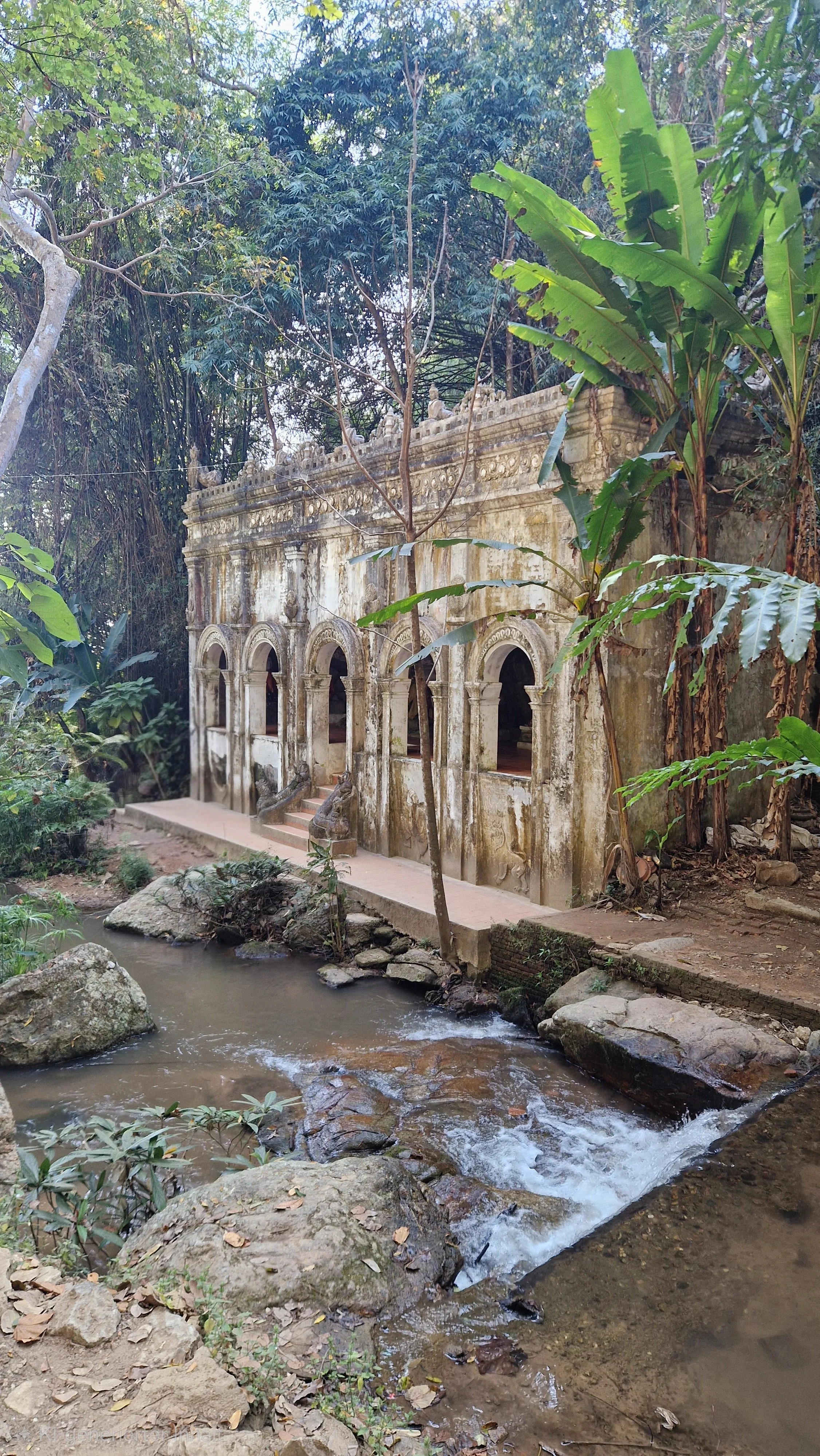
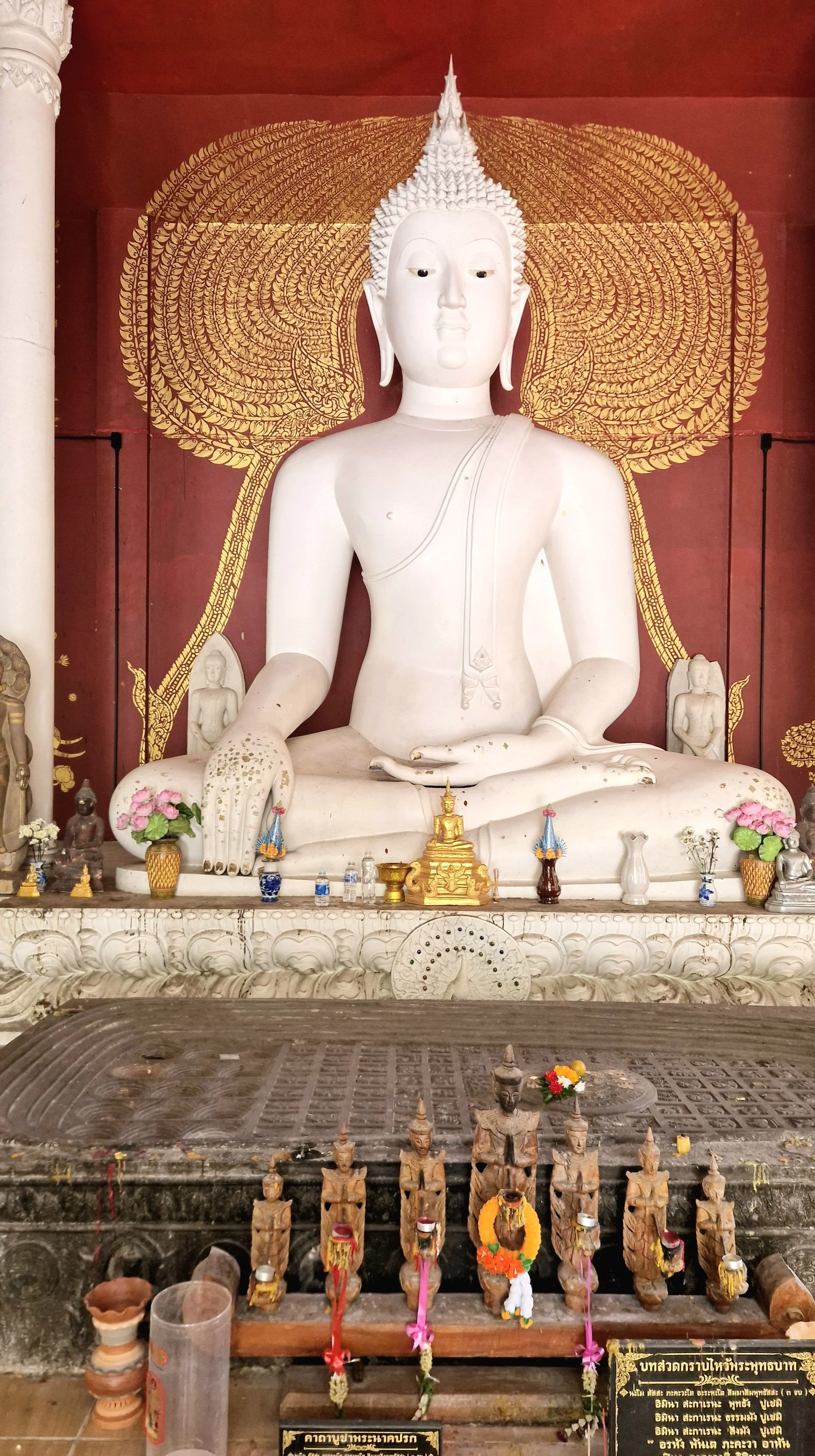
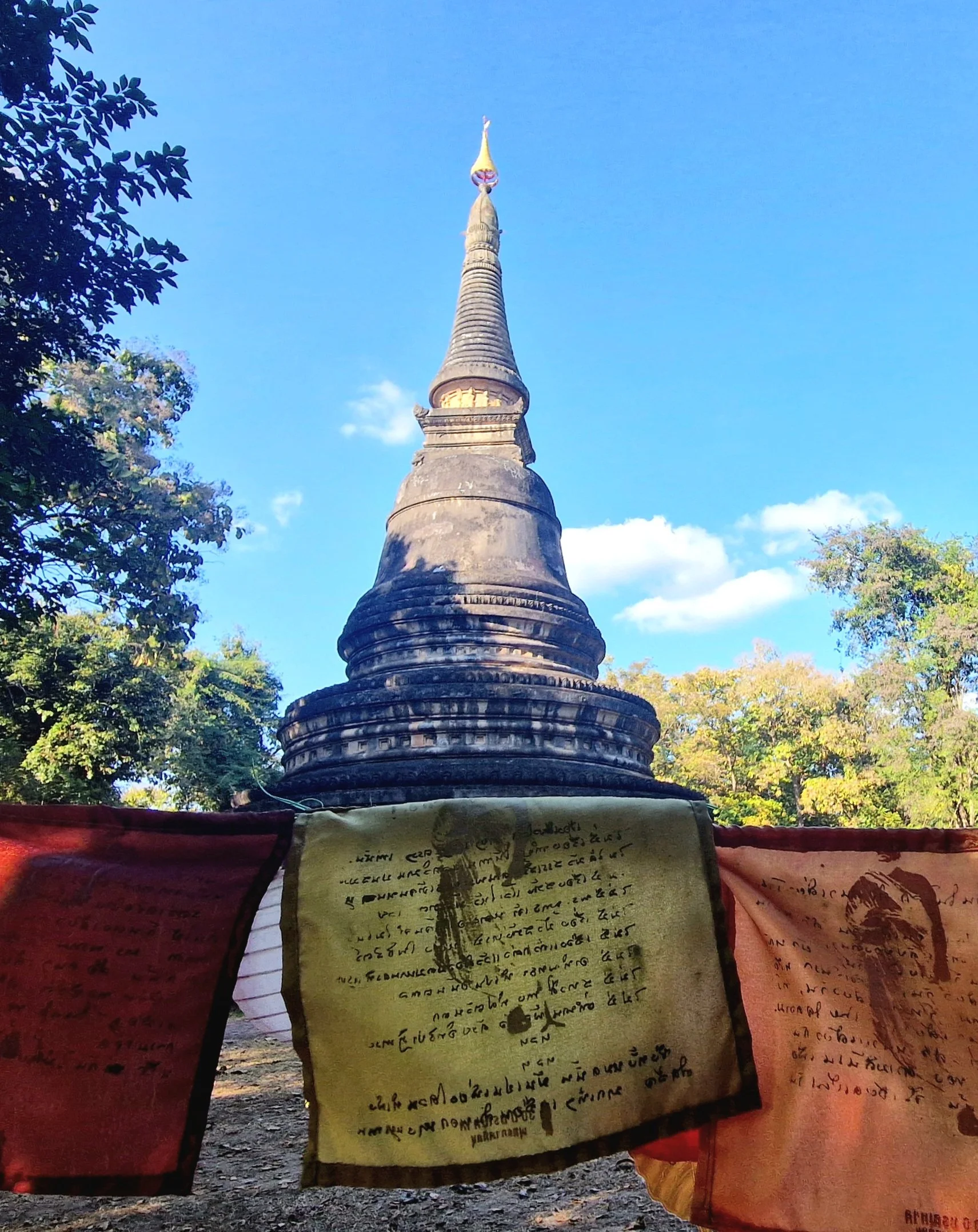
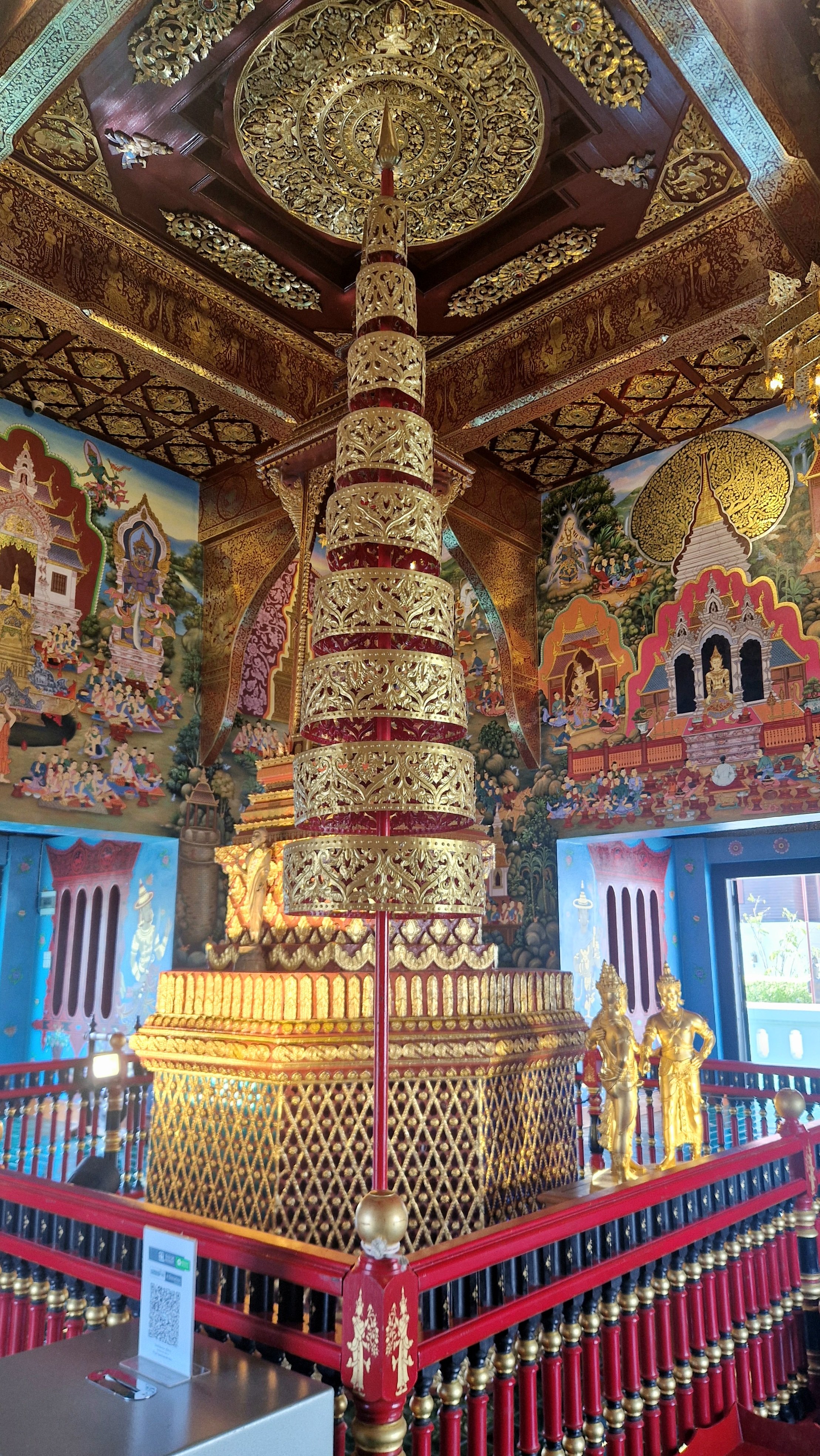
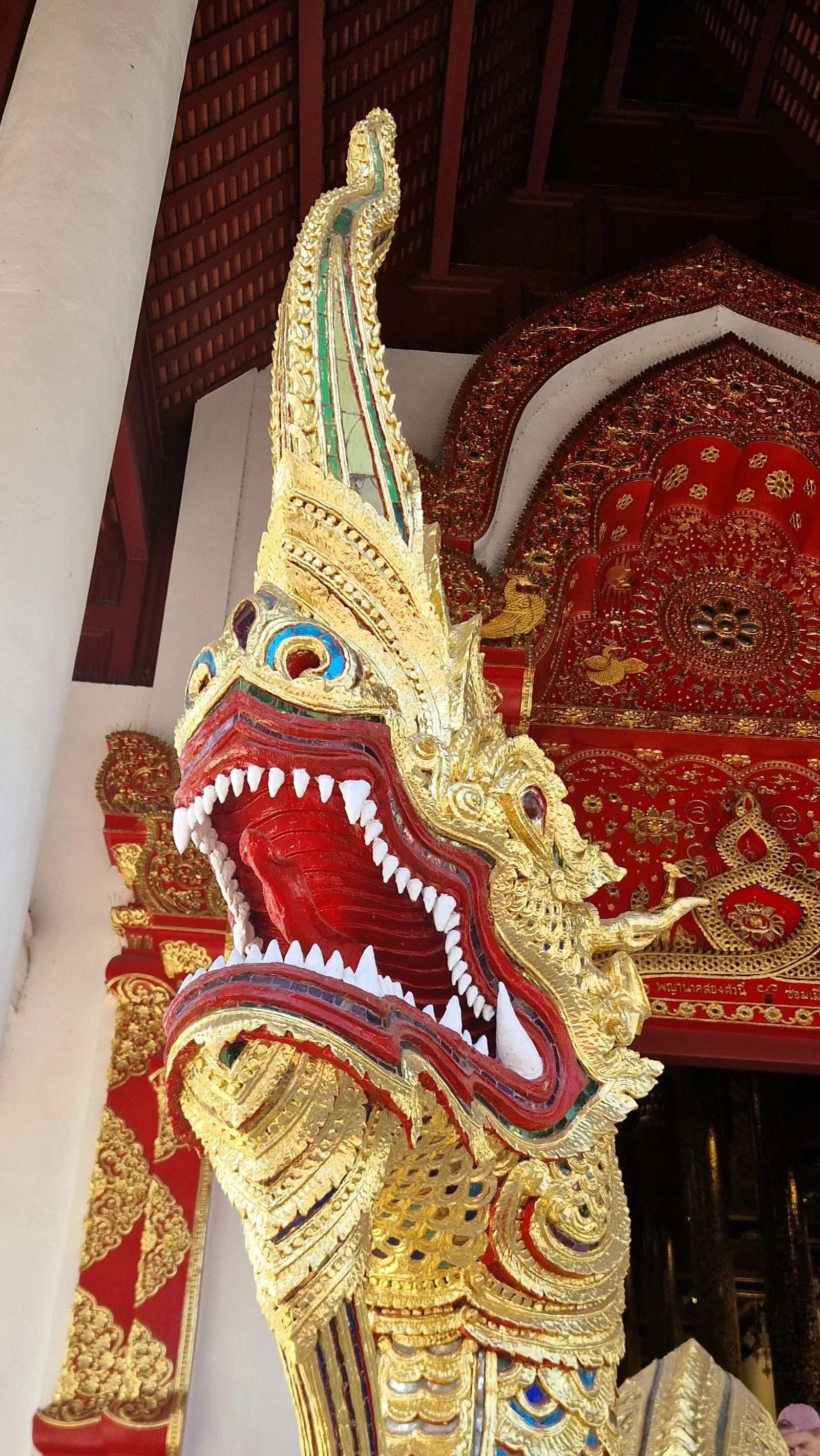
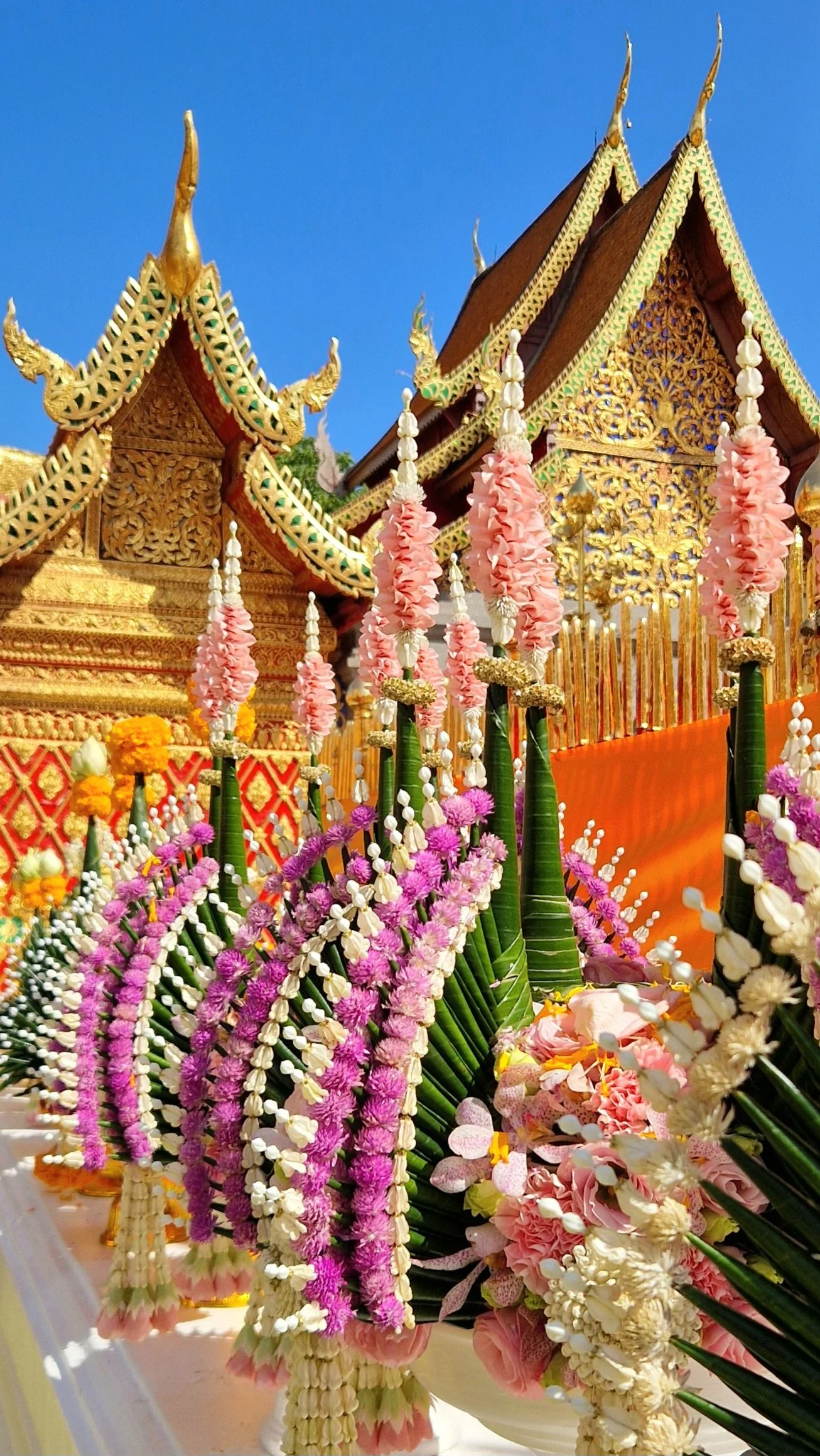
And of course we did see quite a few temples during our stay. There are four major temples within the Old Town, but there’s even more to discover once you leave the inner city district. Wat Umong sits to the west of the city center, tucked close to a quiet forest, a beautiful, roughly 700-year-old temple with a cave system underneath and an impressive stupa. I’ve already mentioned Wat Pha Lat and Doi Suthep. A lovely 60-minute scooter ride up into the mountains brought us to both sites, and while the higher, more famous Doi Suthep was the stated target of our tour, we actually ended up spending even more time at the slightly lower-lying Wat Pha Lat. That temple is nearly 1,000 years old and sits beside a gently flowing river; a very special atmosphere held us there for quite some time. You really do not have to be religious, let alone Buddhist, to appreciate the beauty of these impressive buildings and their peaceful surroundings.
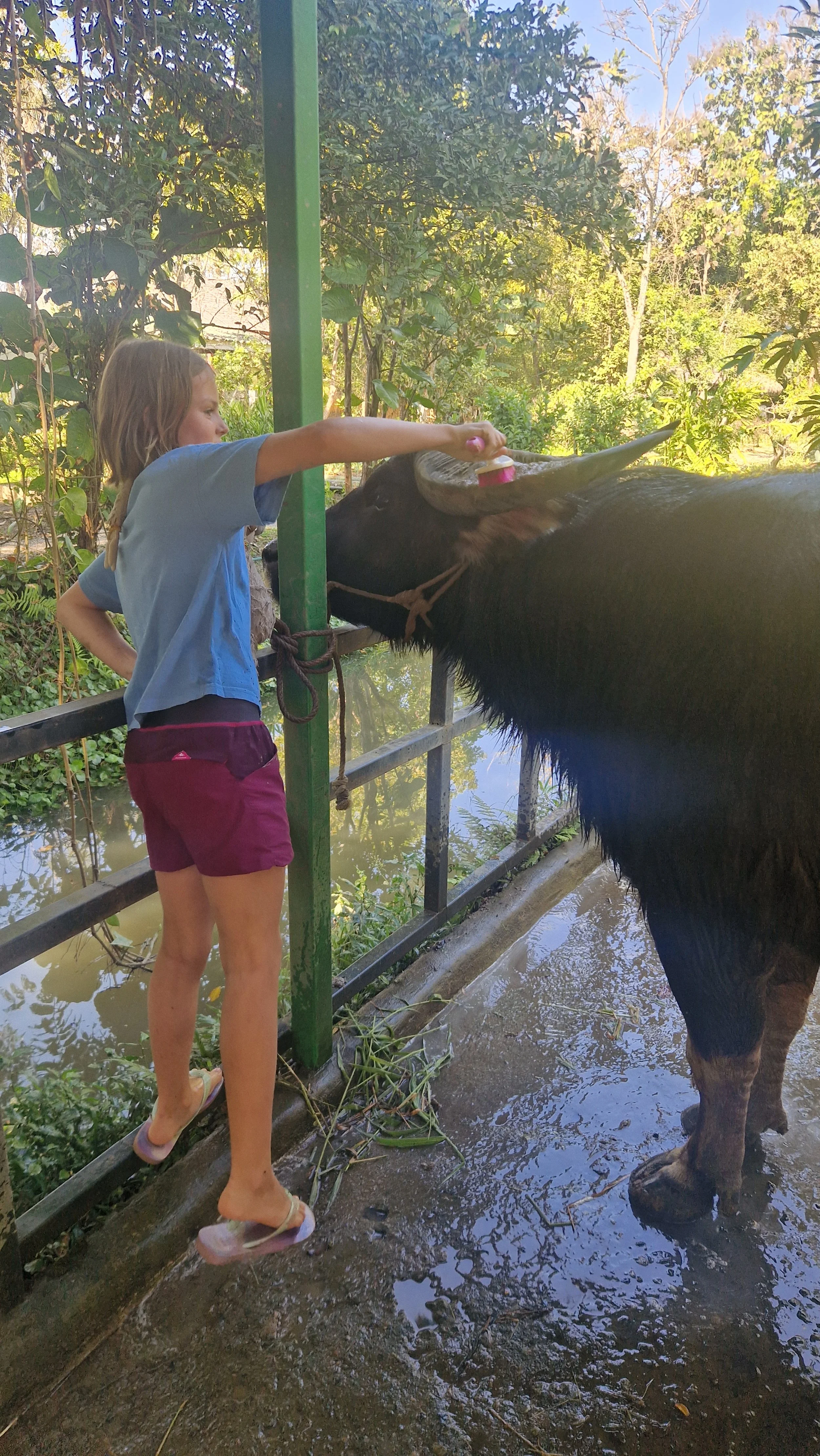
We also visited the “Ginger Farm” (https://www.gingerfarmkitchen.com/ginger-farm-1). A large farm land outside of Chiang Mai that is also used to teach kids about rice cultivation and farming, in general. They also have lots of animals and our kids had the unique opportunity to wash a massive water buffalo, with the interesting name “kaoh niao”, which translates. to “sticky rice”. It’s a beautifully arranged land and once the farm turned into a local attraction, they build a small restaurant in order to serve the visiting locals and tourists. This formed the idea of “Ginger Farm Kitchen”, which now operates 10+ restaurants all over Thailand, serving organic, northern Thai cuisine with most of the ingredients still coming from the original ginger farm, outside of Chiang Mai.
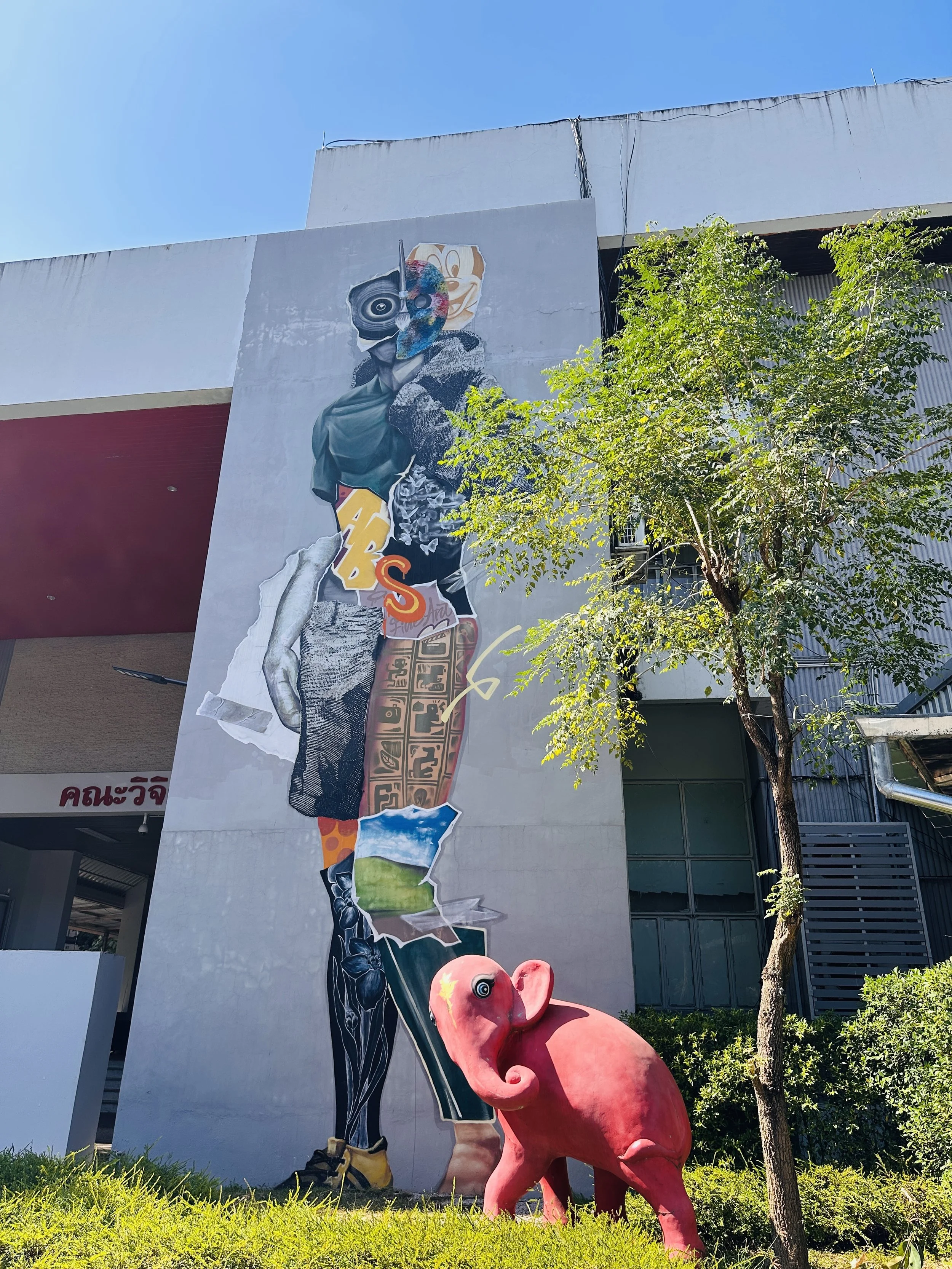
My uncle held a lecture at the Chiang Mai Unversity for Fine Arts which Leni and Sarah also joined. His longtime friend Kosit is a lecturer there and arranged his visit. A great opportunity for our art-loving daughter to get first insights. A few days later, Kosit, Daggi and Rolf joined us in our homestay where Leni received a brief “private lecture” on drawing faces from Kosit which she really appreciated. She spent a lot of time drawing afterwards, the “lecture” really inspired her which was great to see.
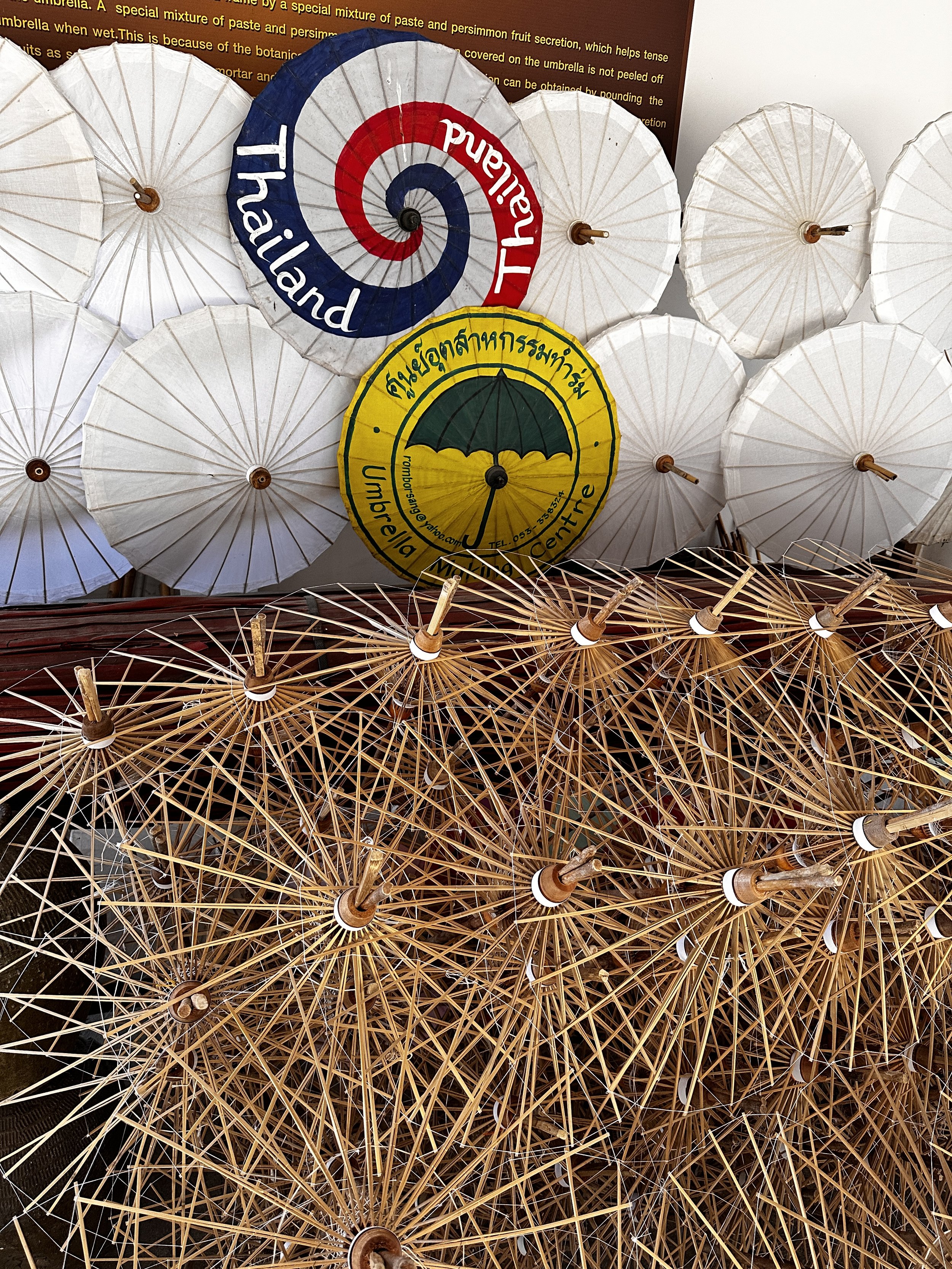
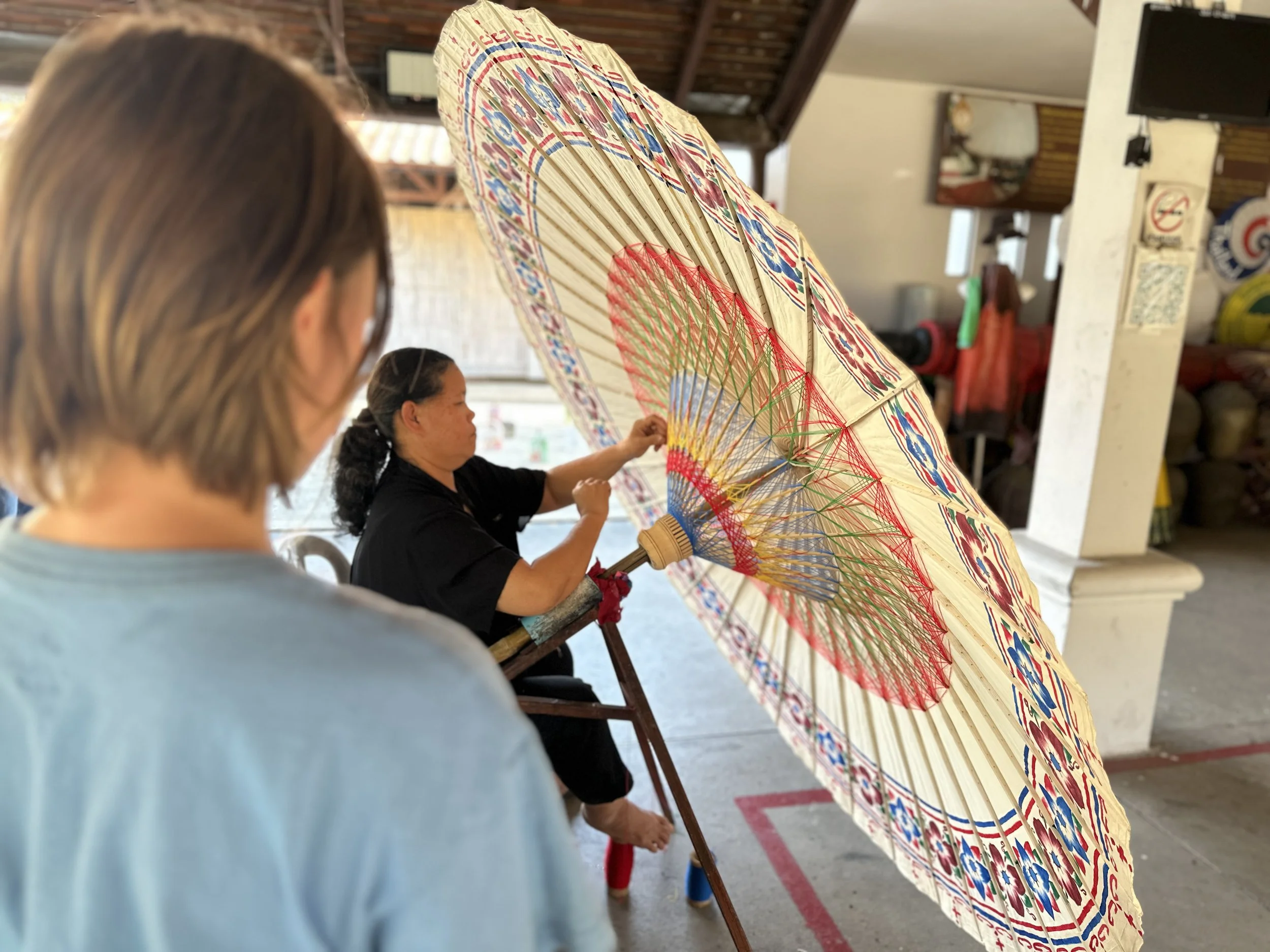
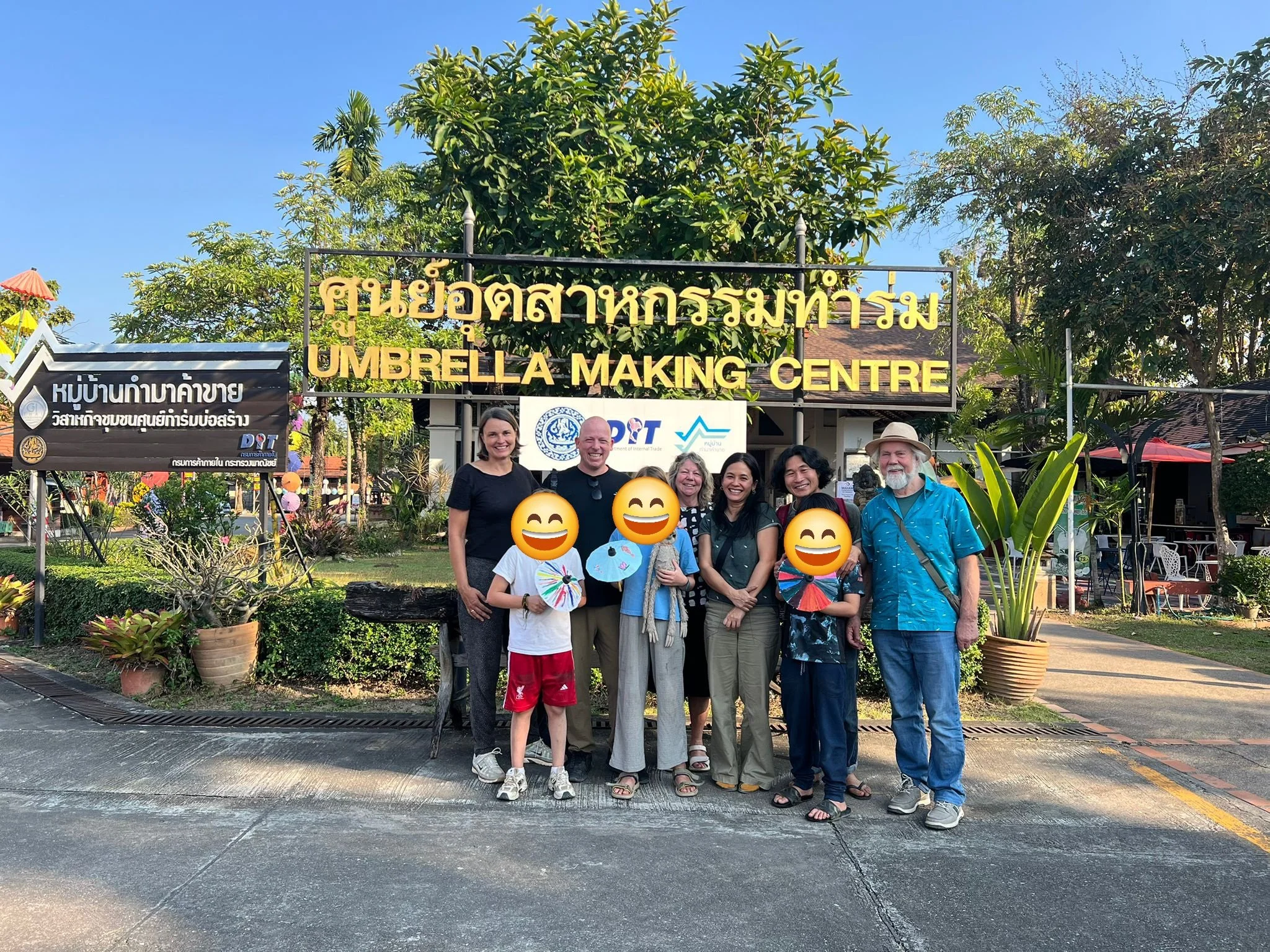
Another must-see, even if a bit touristy, is the “Umbrella Village.” I was a bit skeptical at first, honestly, but the visit proved well worth it. Of course, there are plenty of opportunities to buy souvenirs, yet you also learn about the original craftsmanship behind the fragile-looking Thai paper umbrellas and the care artisans put into each detail. Even better, the kids were allowed to paint their own umbrella, an activity they thoroughly enjoyed and proudly carried home. My aunt and uncle joined us that afternoon, along with two friends of theirs who brought their German-speaking son Pao, which was very nice for everyone and gave the children a great chance to interact with each other. To have kids interact even more with other children, we also joined the “beaver club.” (https://www.chiangmaikidsclub.com/beaver-club). It is set up as a homeschooling hub for families, whether travelling or simply interested in a homeschooling environment, but travelling kids can also join on a daily basis to participate in the variety of activities. Our son joined a two-hour football session which he thoroughly enjoyed, since he really misses his football club back in Germany.
Those were at least some of the activities we did during our wonderful two‑week stay in Chiang Mai. It’s another place we’ll leave with the lingering feeling that we could easily have stayed even longer. As is often the case with our stops, I sometimes wonder whether the two weeks should have been extended, but at least the next two stops were already pre‑planned. The immediate next stop, an elephant sanctuary in Laos, actually involved quite a bit of travel planning. We had already booked bus tickets to Nan, Thailand, intending to take another transport from there to the Phu Doo Border Checkpoint. Unfortunately, we only realized afterward that this particular border crossing does not issue visas on arrival, so we had to look for an alternative route into Laos. The problem was that the checkpoints that do issue visas on arrival were either far north or far south, which would have meant very long bus rides, then being picked up beyond the border for yet another long ride. Very long in this case meant about ten hours to the border and another seven or so to the sanctuary. Fortunately, Sarah found a reasonably priced domestic flight from Chiang Mai to Udon Thani, and from there it’s only about a one‑hour car ride to the Thai–Laos border. We’ll cross the border on foot and then continue on to the capital, Vientiane, which is another short car ride away. On the morning of the 19th we’ll be picked up and brought to our next stop, the Lao elephant sanctuary.
For now, we will enjoy the final full two last days in Chiang Mai, yet another place we would love to come back to in the future. Until the next update: Be well!