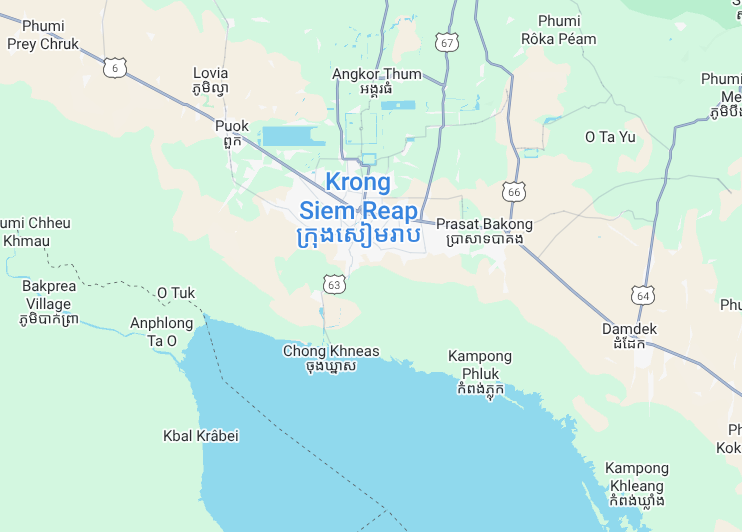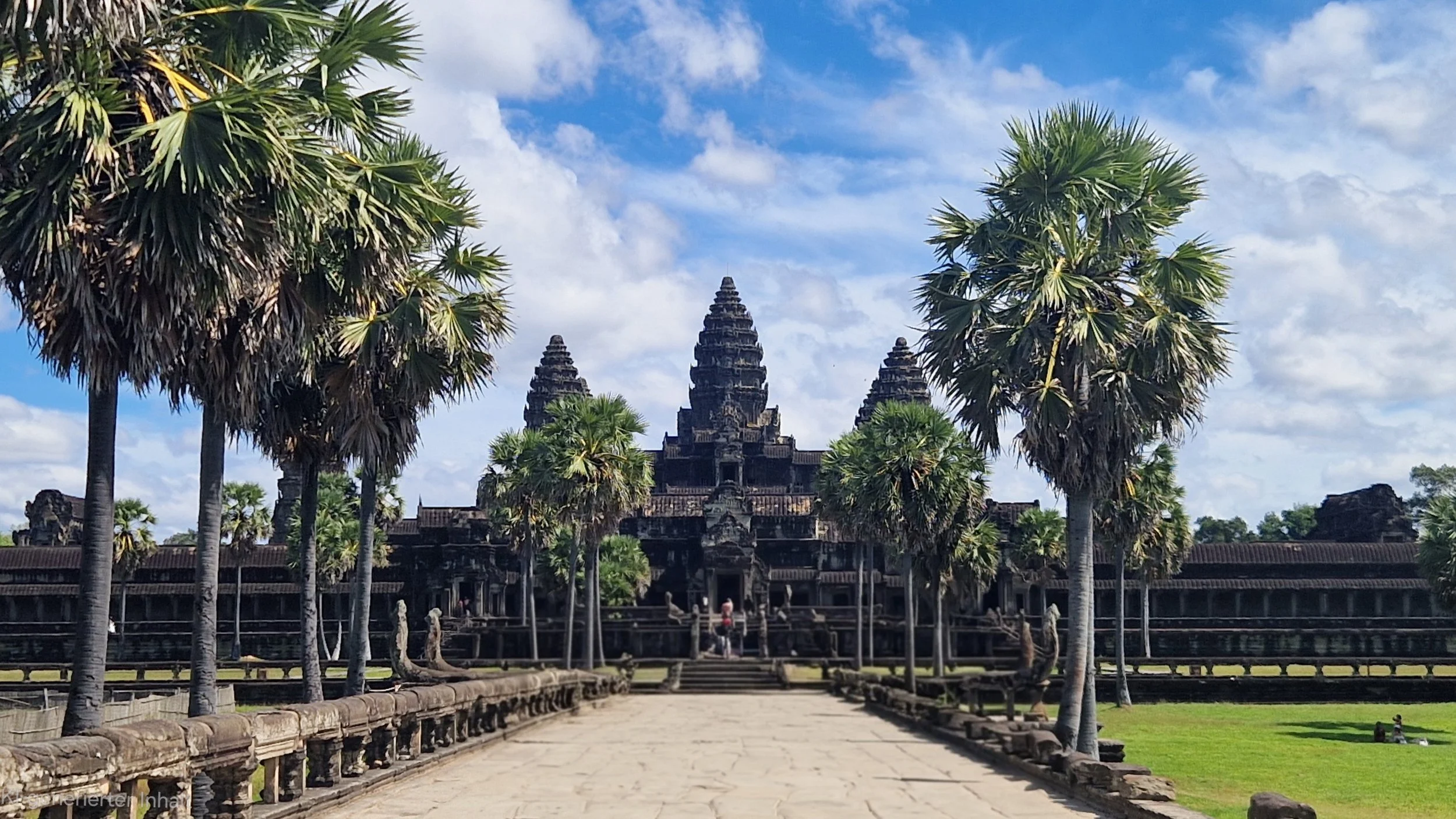
Siem Reap, Cambodia
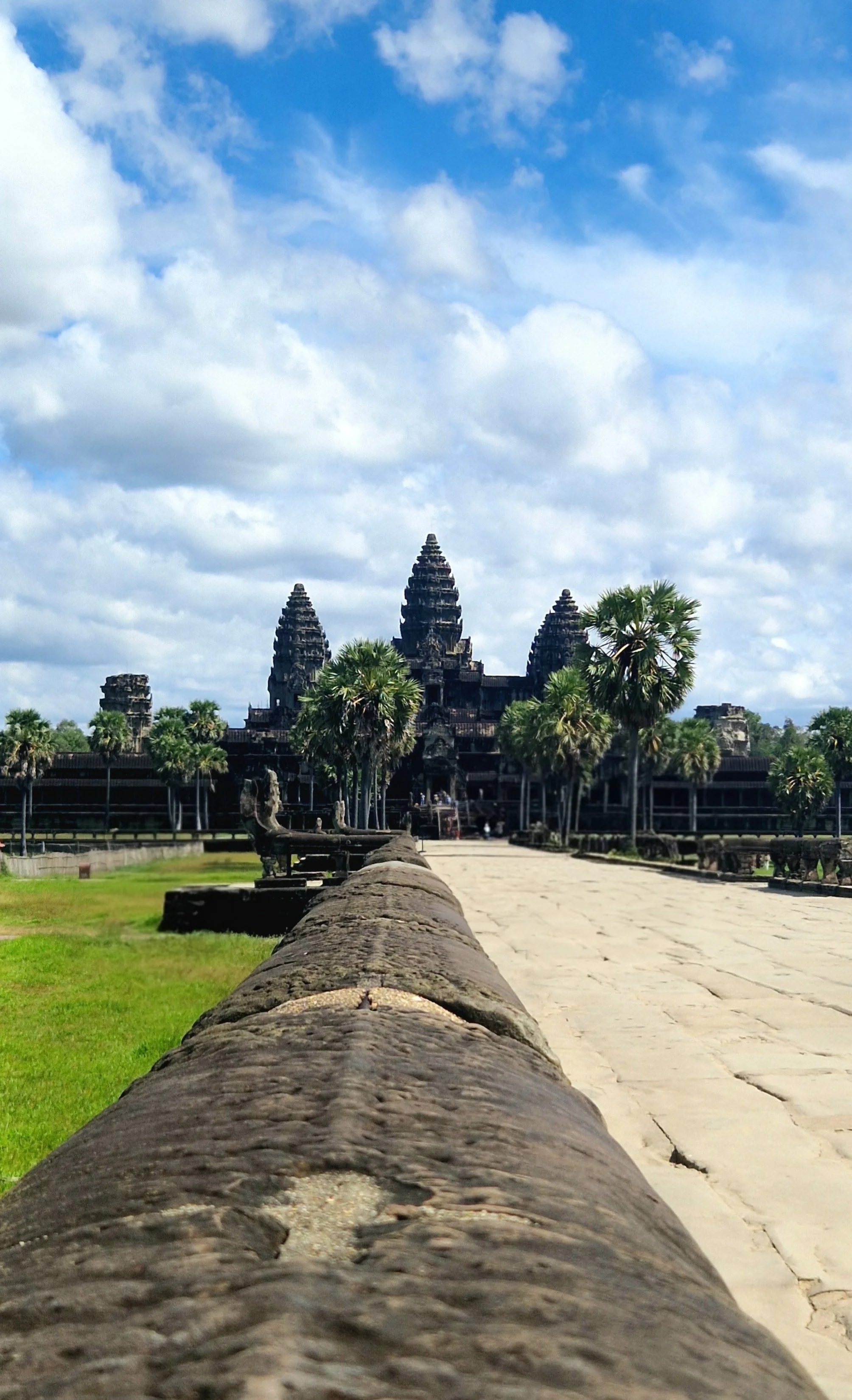
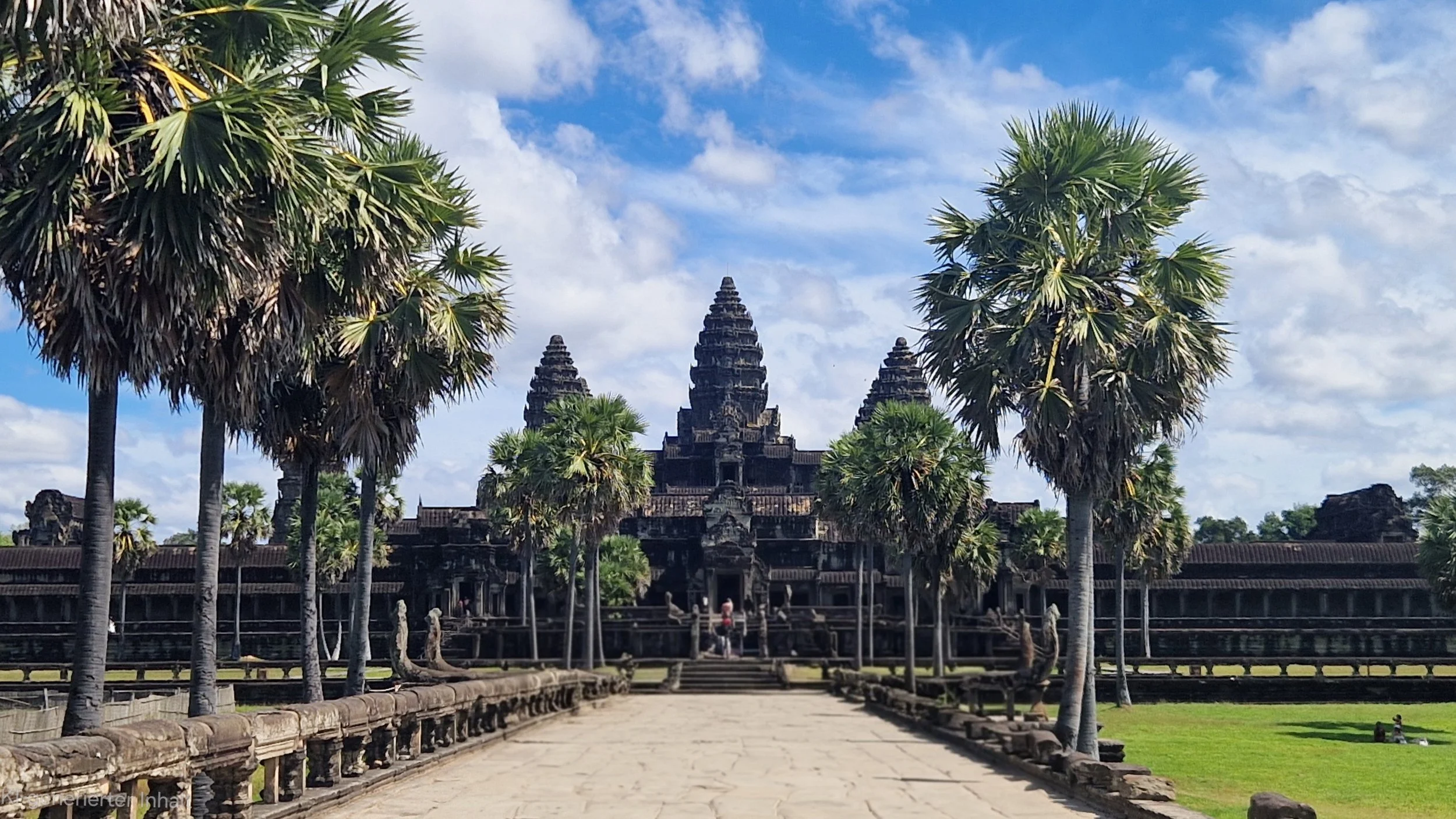
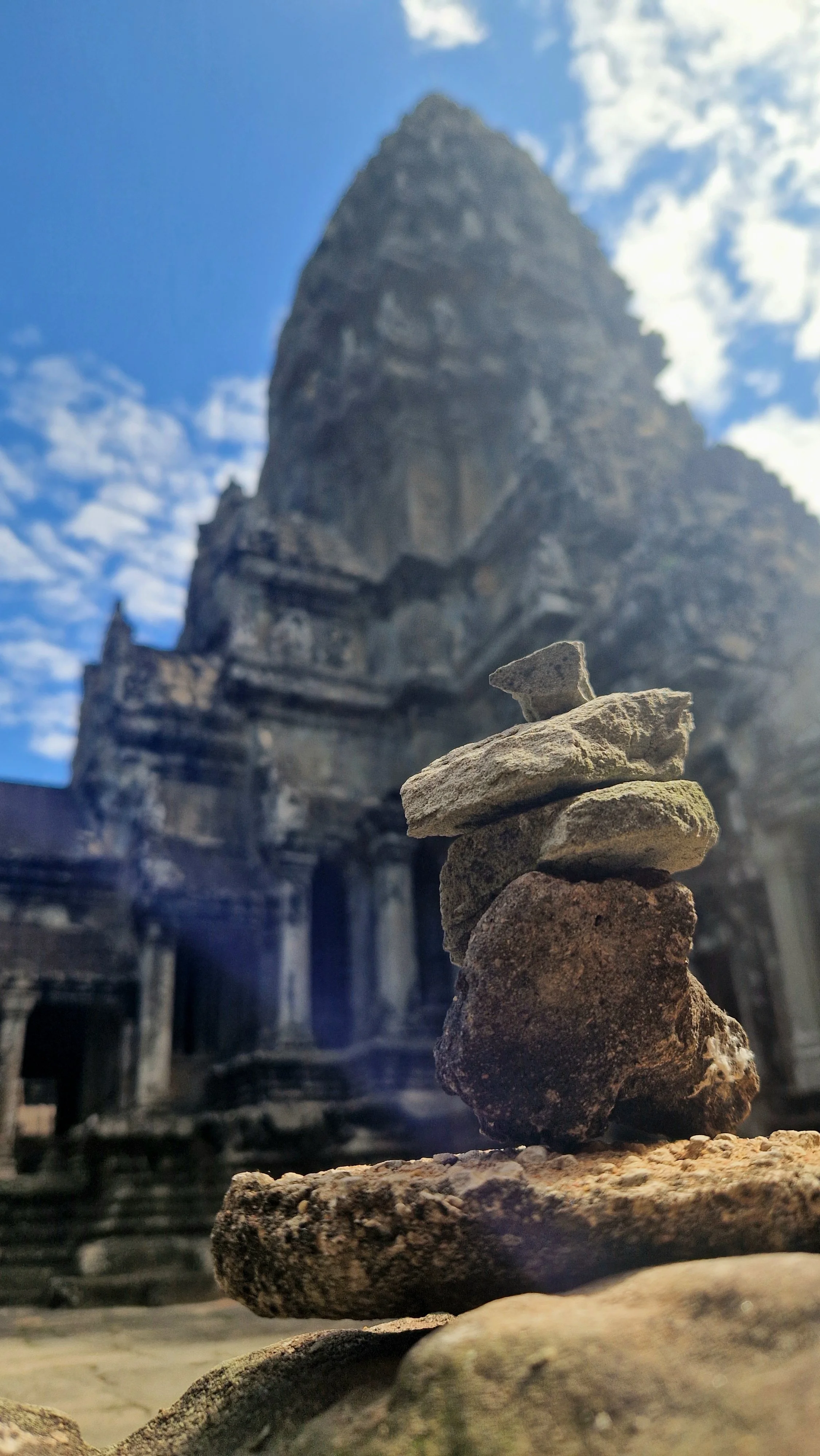
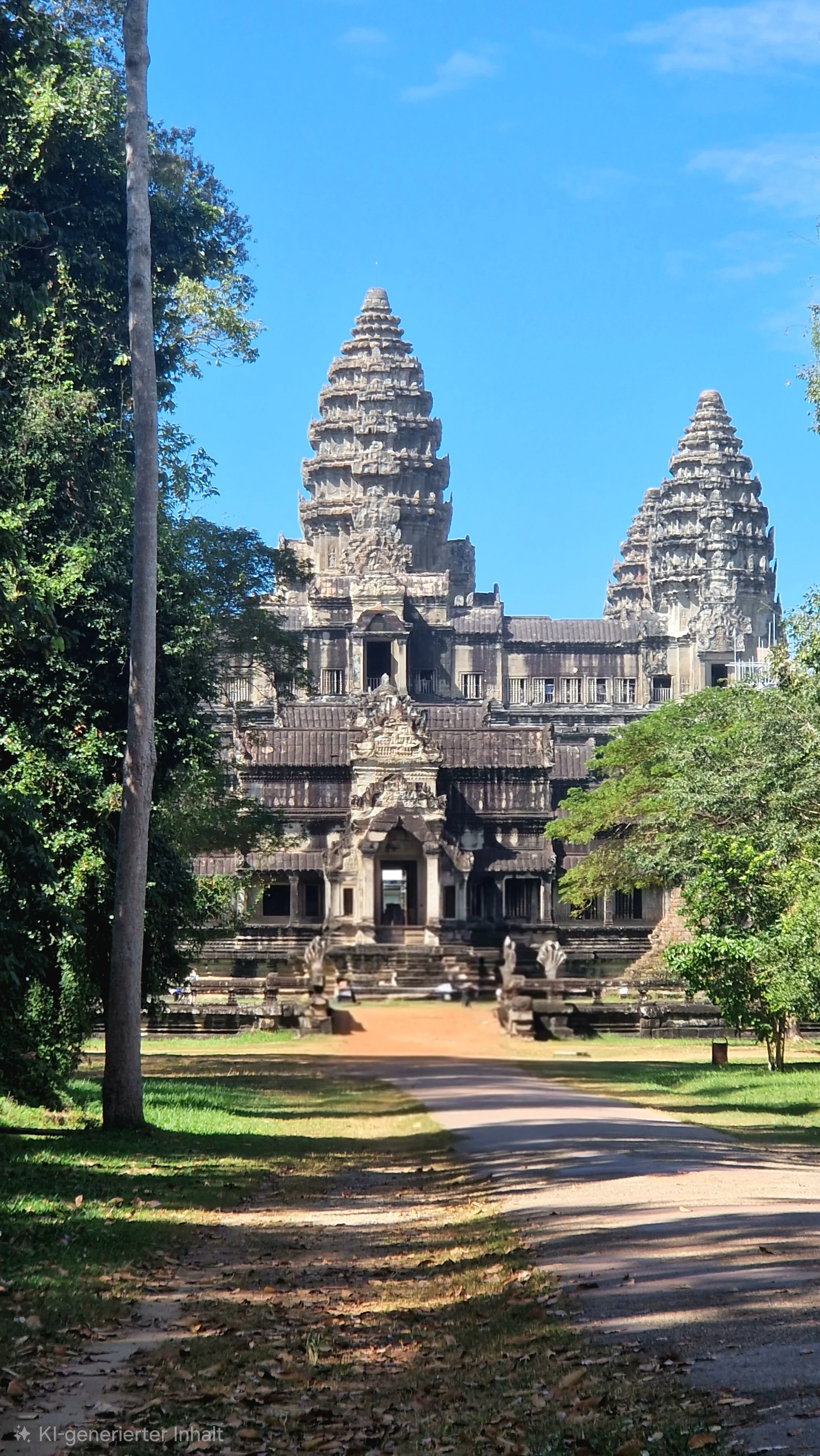
Siem Reap was on our “places to visit” list very early on when we started planning our one‑year journey, even before that, actually, and the reason was, of course, the magnificent Angkor Wat. Covering over 162 hectares, it is the largest religious monument in the world, and the word “impressive” hardly does it justice. It was built in the early 11th century under King Suryavarman II, during the height of the Khmer Empire. Millions of sandstone blocks were transported from quarries more than 40 km away, and you can’t help but marvel at how such gigantic monuments were constructed with the limited tools available at the time. Our plan was to spend 10 days in Siem Reap. Most visitors stay 3 to 5 days, but as we had already decided: slow travel is key when you have the time, and there is much more to see and do in Siem Reap than just visiting Angkor Wat. We bought a 3‑day pass to the temple complex, ensuring we had ample time to explore not only Angkor itself, but also the surrounding temples and ruins, which are equally awe‑inspiring in their own ways.
As Oskar was still recovering from the fever he caught in Phnom Penh, we took it very easy the first couple of days, only briefly exploring the town of Siem Reap and spending a lot of time by the hotel pool. We played some games and made sure everybody was back on track. Leni wasn’t at 100% either, so recovery mode was the first priority for the whole group. On our third day, we were all feeling much better and fully ready to spend at least half a day at Angkor Wat. Some guides recommend going there for sunrise, others suggest sunset, but the best way to avoid the major crowds, we were told, is to ignore those tips and arrive around 11 a.m., entering not through the main entrance but via the far less used eastern entrance. We did just that and were pleasantly surprised by how few tourists we encountered.
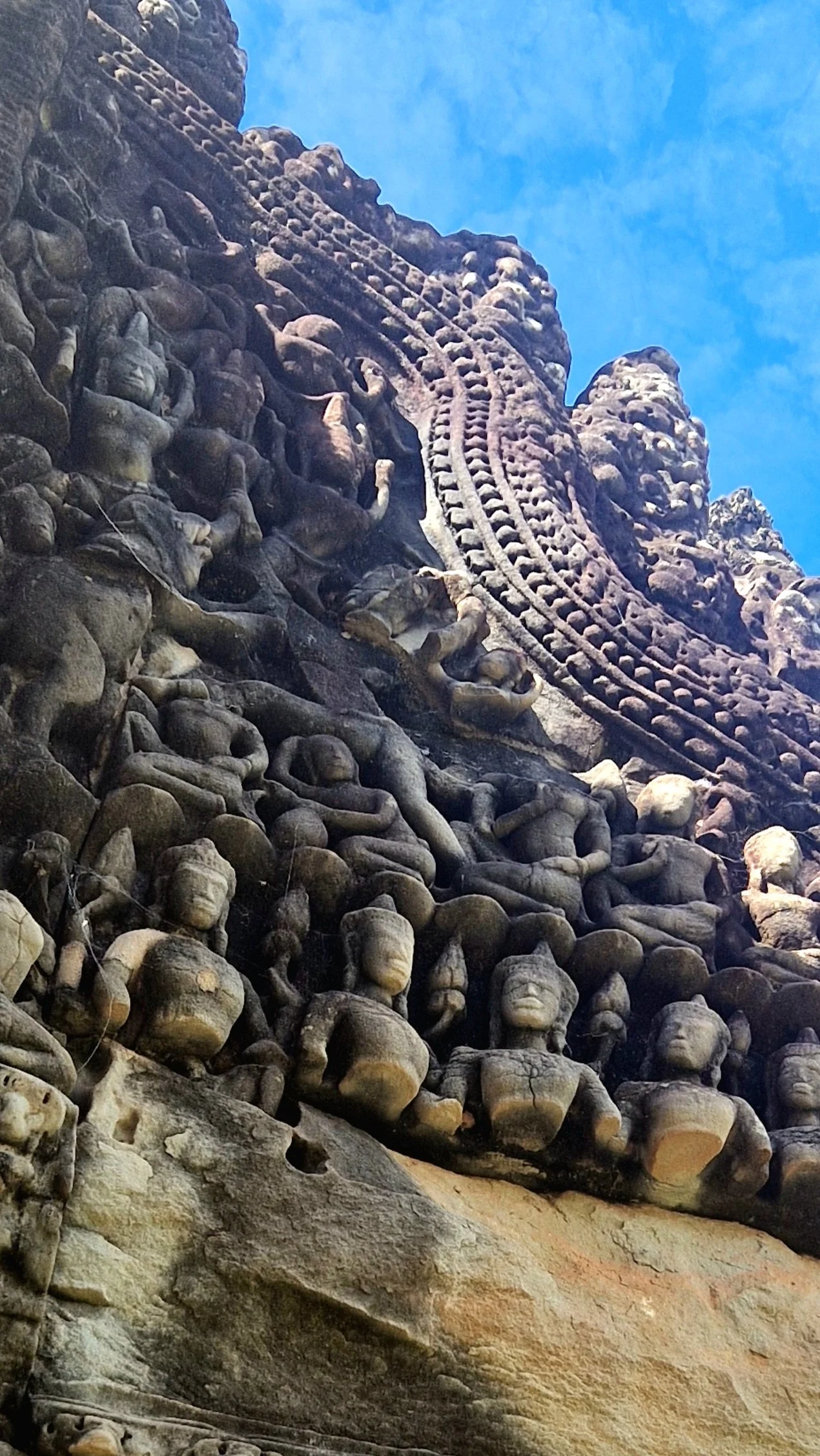
Angkor Wat is an architectural masterpiece. Its symmetry, mathematical precision and astrological alignment are outstanding, and the sheer size of the complex is almost intimidating. Over 800 metres of wall carvings and tens of thousands of figures make you struggle to comprehend how it could have been built with the primitive tools available at the time of its construction. Originally, Angkor Wat was erected as a Hindu temple dedicated to the god Vishnu, already unusual, as most Khmer temples were devoted to Shiva, and it served both as a state temple and an unmistakable statement of the king’s power. Only in the 13th century was it converted to Buddhist use, and unlike many other Angkor monuments it was never fully abandoned. When Angkor declined in the 14th and 15th centuries and the Khmer capital shifted toward Phnom Penh, many surrounding cities vanished, but Angkor endured, largely because of its enduring religious significance. During the last 20 years, extensive efforts have been undertaken to restore and preserve Angkor Wat, but again, the monument’s sheer scale means conservation will be a continual, long-term undertaking. On the one hand, it is fantastic to be able to access every temple and freely roam around; on the other, the construction is so breathtakingly magnificent that you wish it could be guaranteed to last for eternity. We continued to walk around the closer sorrounding temples of Angkor Wat, and eventually, knowing we had two more full days to explore the temples, we finally returned to our hotel to rest before grabbing a dinner in the City of Siem Reap.
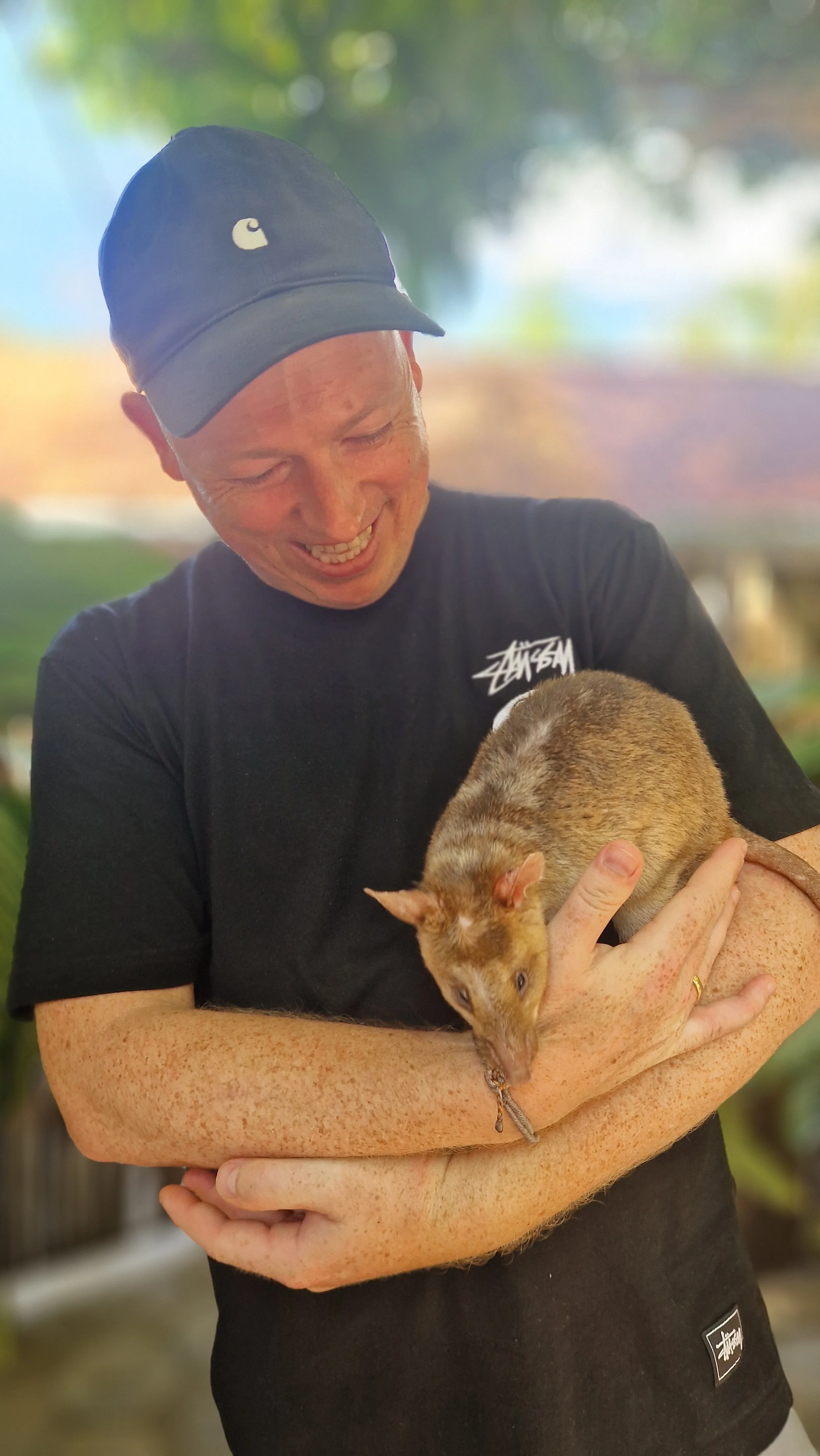
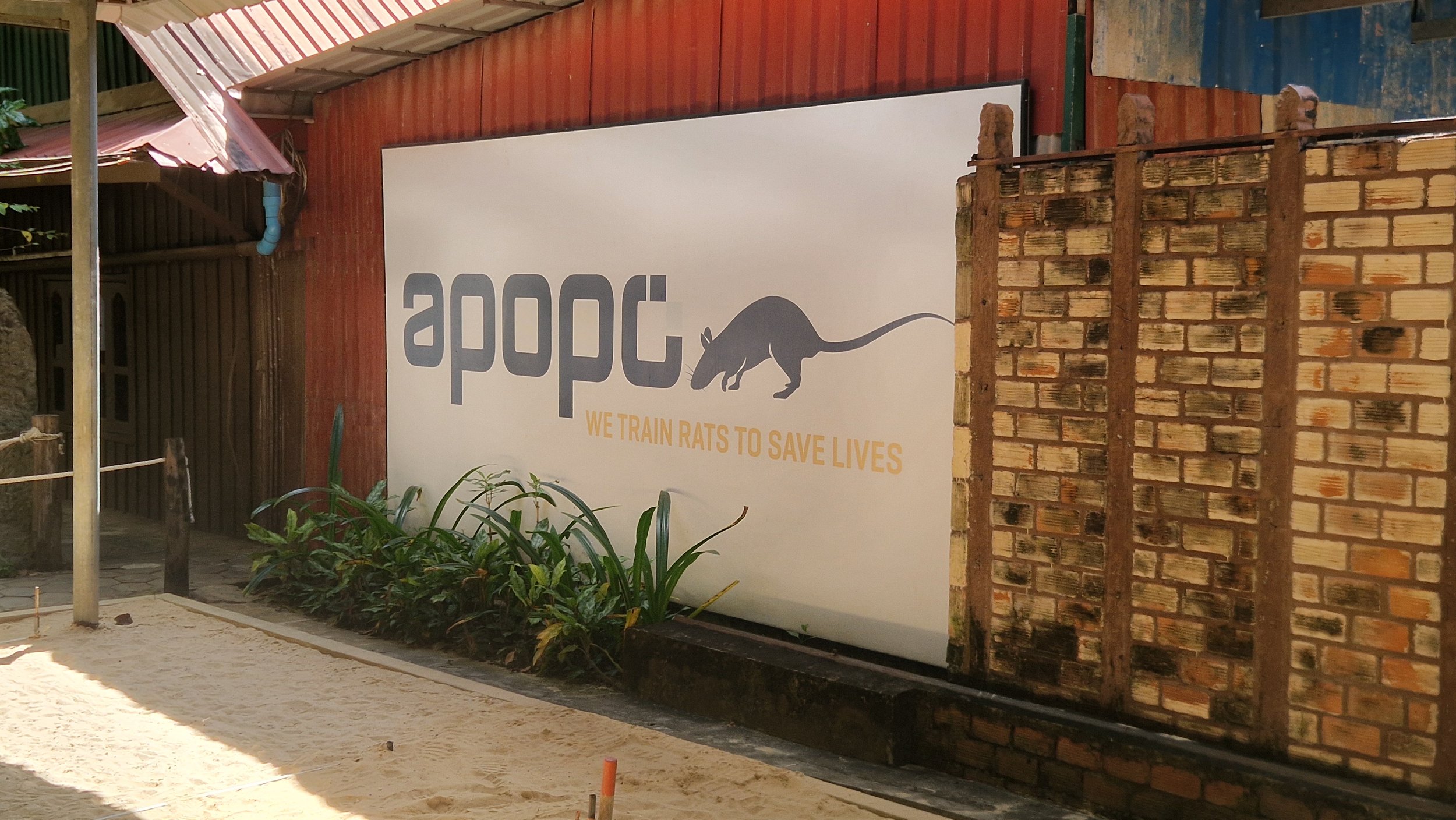
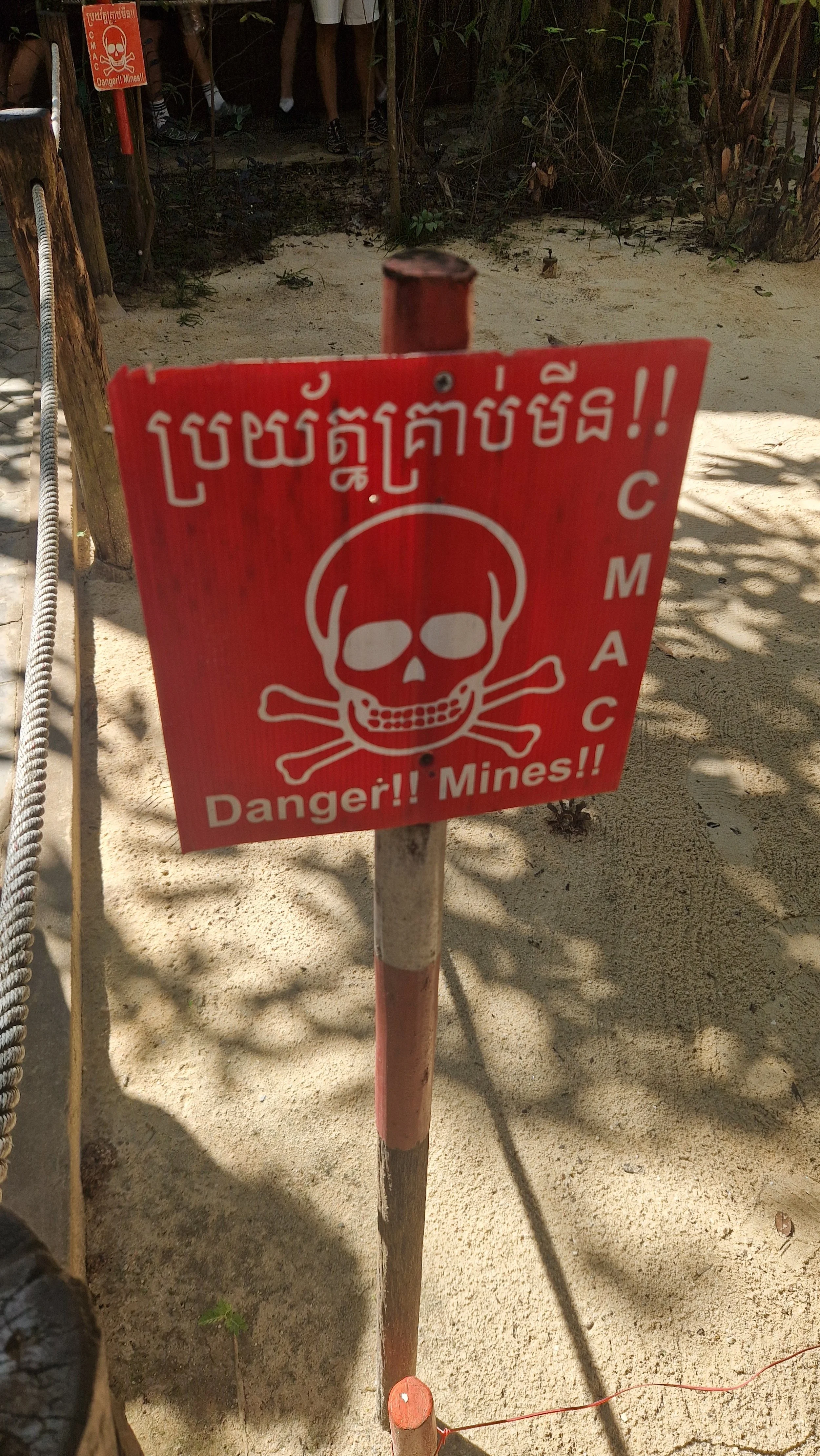
On our next day, we visited the Apopo Visitor Center. Apopo is a Belgian-based NGO that operates in several countries, including Cambodia. Their mission is to train Southern giant pouched rats to detect landmines, and the trained animals are known as HeroRATs. Landmines remain a severe problem in Cambodia: while figures vary, it is estimated that decades of conflict left between 4 and 6 million landmines and other explosive remnants of war scattered across the country. According to the Cambodian Mine Action Centre, more than 4.3 million explosive items were found and destroyed between 1992 and 2023, making over 3,000 km² safe and available for agriculture. Estimates from early 2024, however, indicate that roughly 1,500 km² are still contaminated. The trip to the Apopo Visitor Center is highly recommended: you learn about Cambodia’s recent history, see how the rats are trained up close, and watch them work in a mock-up minefield. If you ever visit Siem Reap, this is a worthwhile stop — the modest $10 ticket helps support their vital work to make Cambodia mine-free. (https://apopo.org/support-us/apopo-visitor-center/?v=fa46ec0b4924)
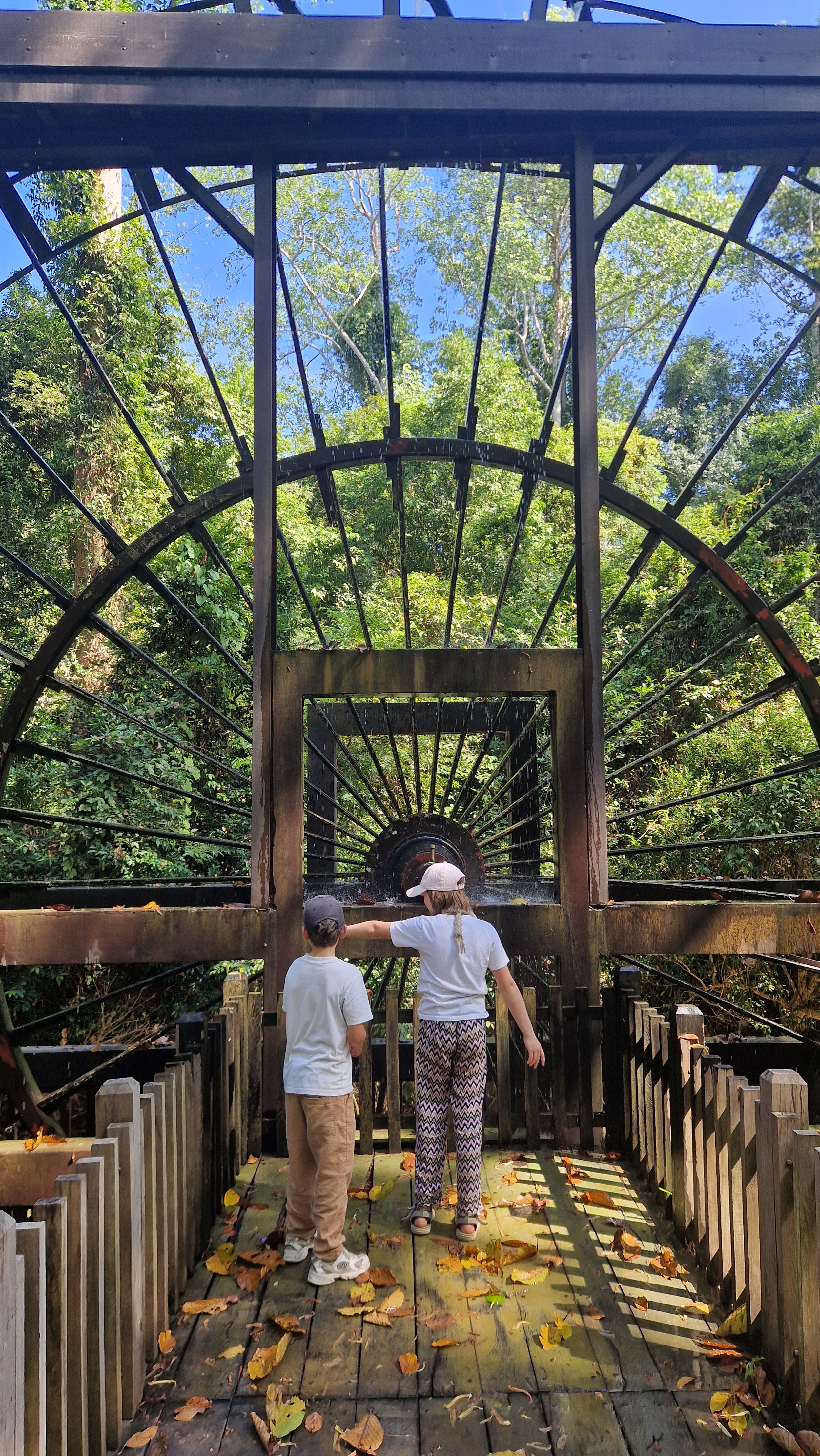
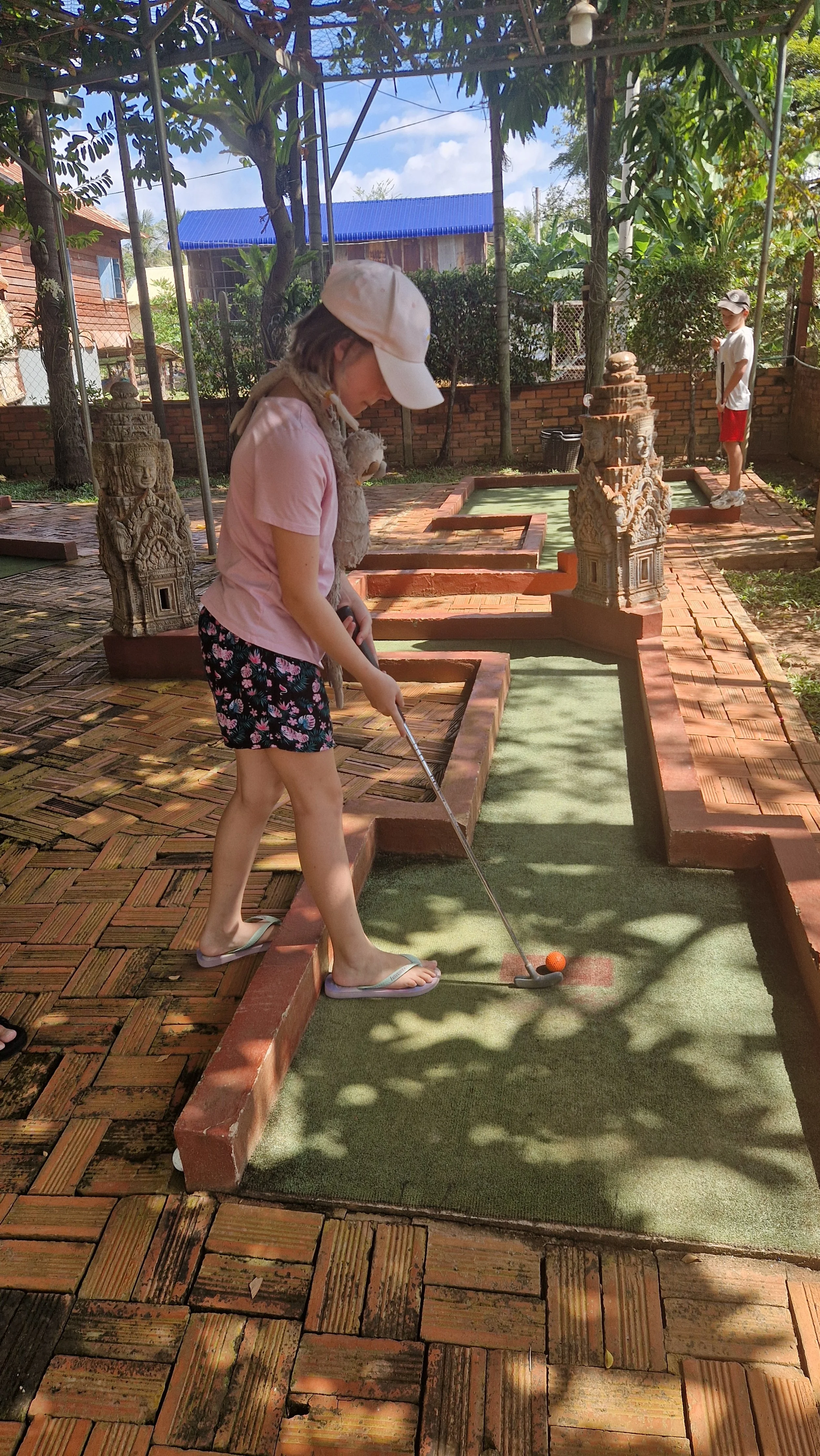
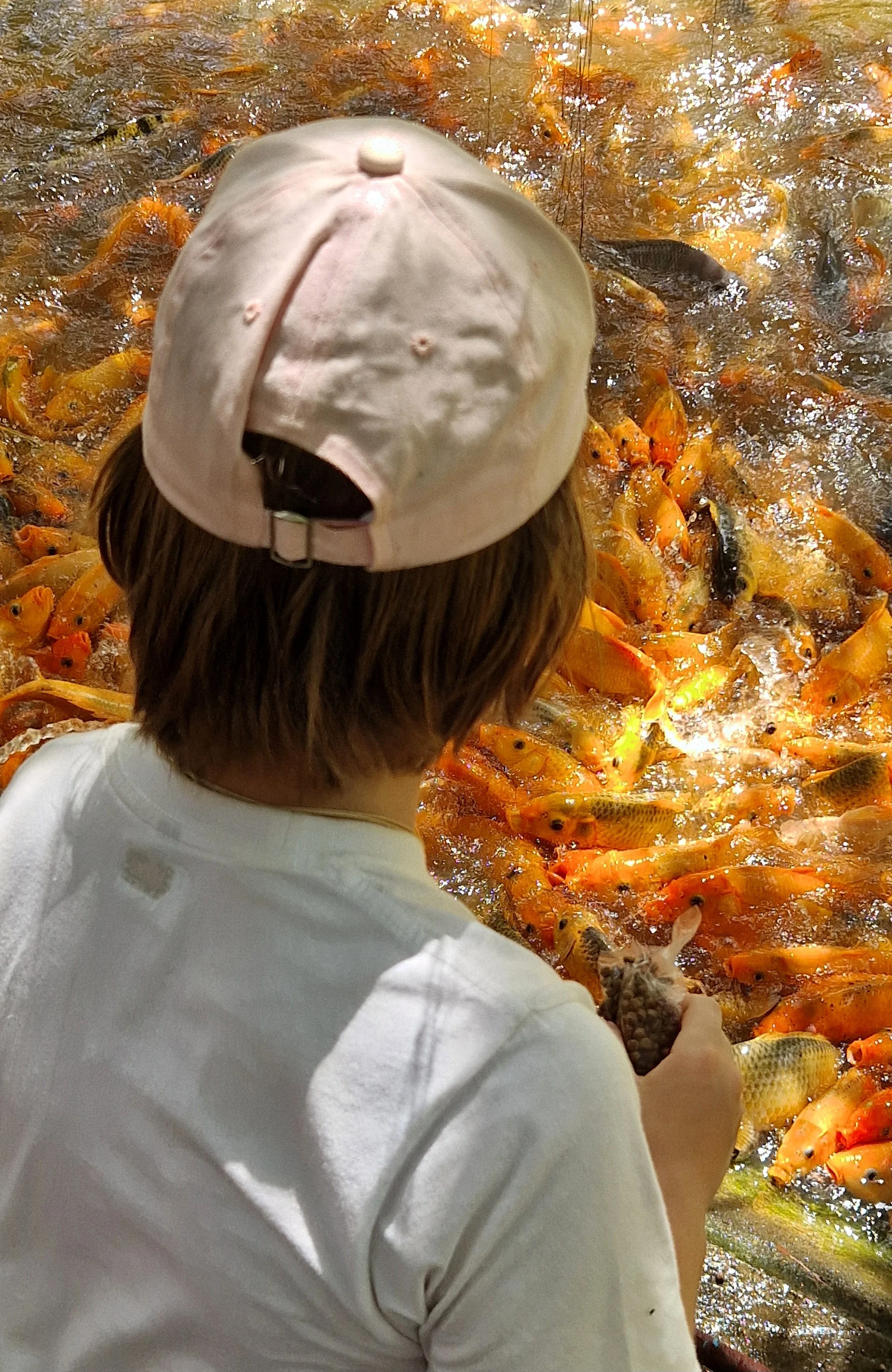
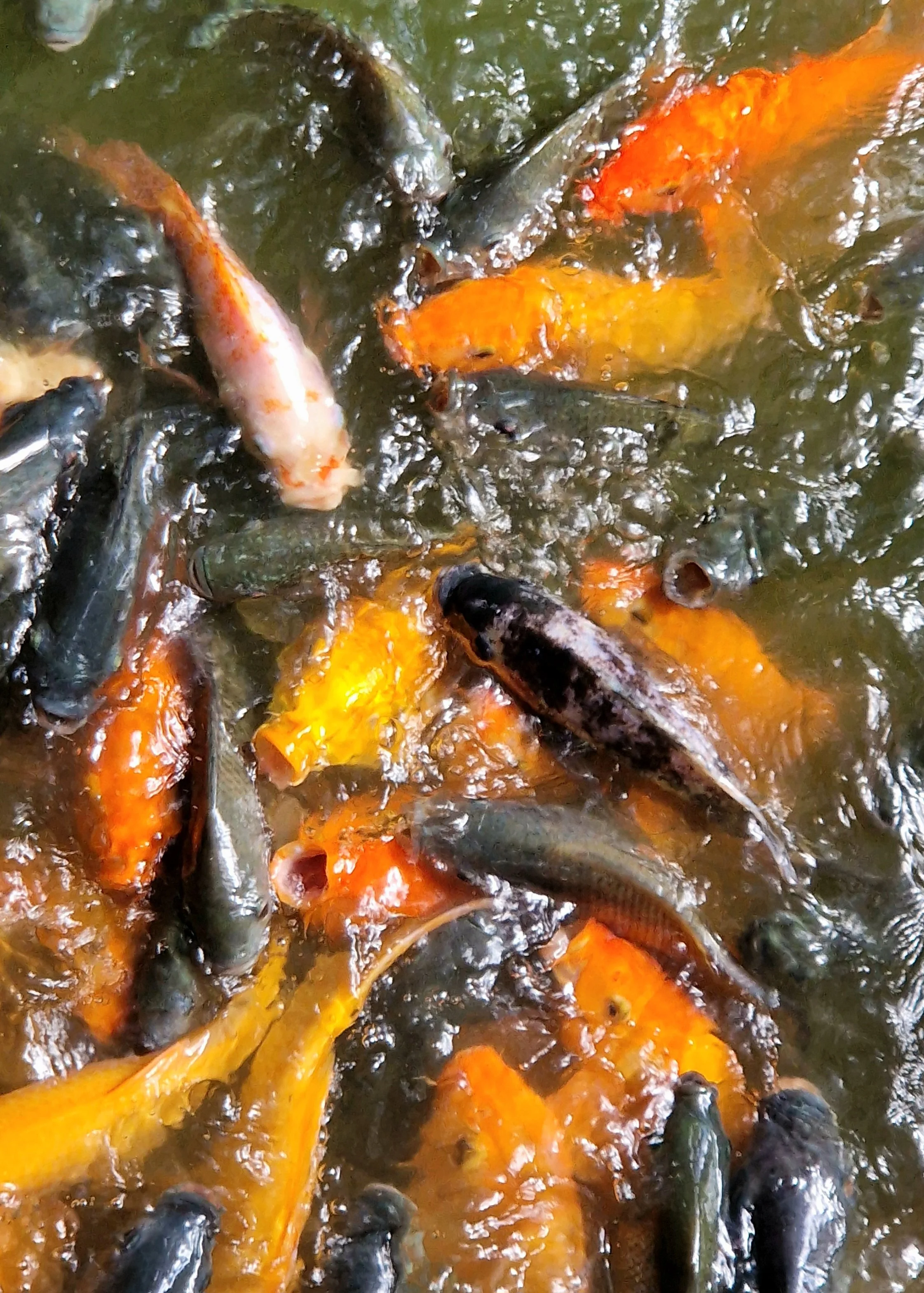
As the temples get even more crowded over the weekend, we decided to shift more temple visits to Monday and Tuesday and take it easy over the weekend. We visited the Botanical Gardens and truly enjoyed our time there. Differently themed gardens invite long, leisurely walks through the lush green environment. The entry is completely free, and there is plenty to discover around every corner. (https://share.google/bktYXbO19Lk0TqcuY) The kids especially enjoyed feeding the many fish in the ponds and there were hundreds of them. On Sunday, we ended up playing a surprisingly great round of minigolf. We didn’t really know what to expect, but we discovered an absolute gem in Siem Reap. Located in a beautiful, well-maintained garden, we found an excellent 14-hole minigolf course and had a wonderfully relaxing time. We also enjoyed a long chat with the owner, who kindly took the time to explain the plants on his property; you could clearly feel the care and passion he pours into the place. Since his family also lives on the grounds, the venue is clearly much more than just a minigolf course. Free beers for hole-in-ones added a playful incentive to the friendly competition. On the way back, I reflected that discoveries like this are one of the real benefits of slow travel. Had we been trying to cram all the cultural sites into a three- to five-day stay, we never would have paused to play a round of minigolf, but the longer, unhurried visit allowed us to uncover these charming hidden gems. (https://share.google/bktYXbO19Lk0TqcuY)
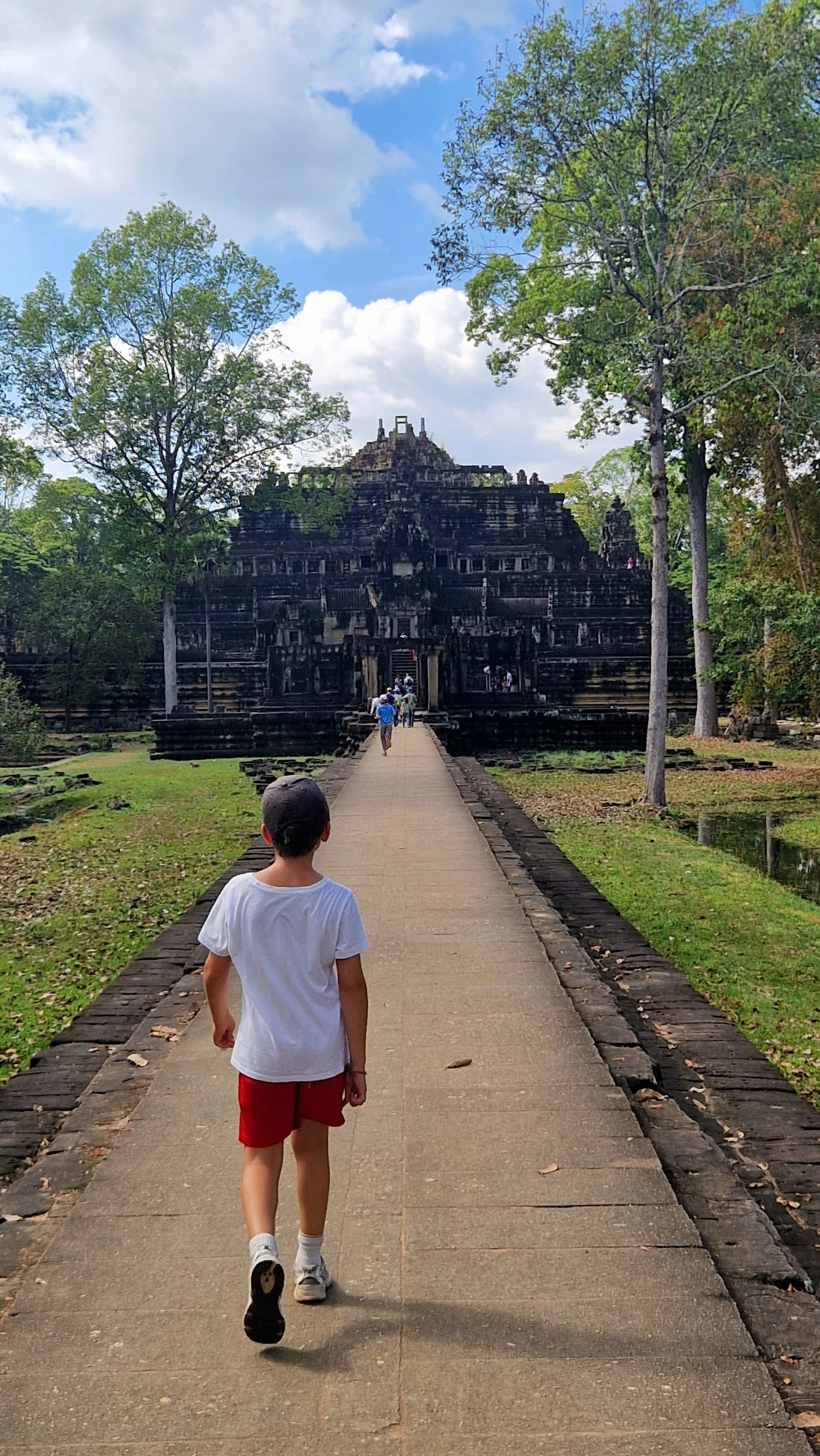
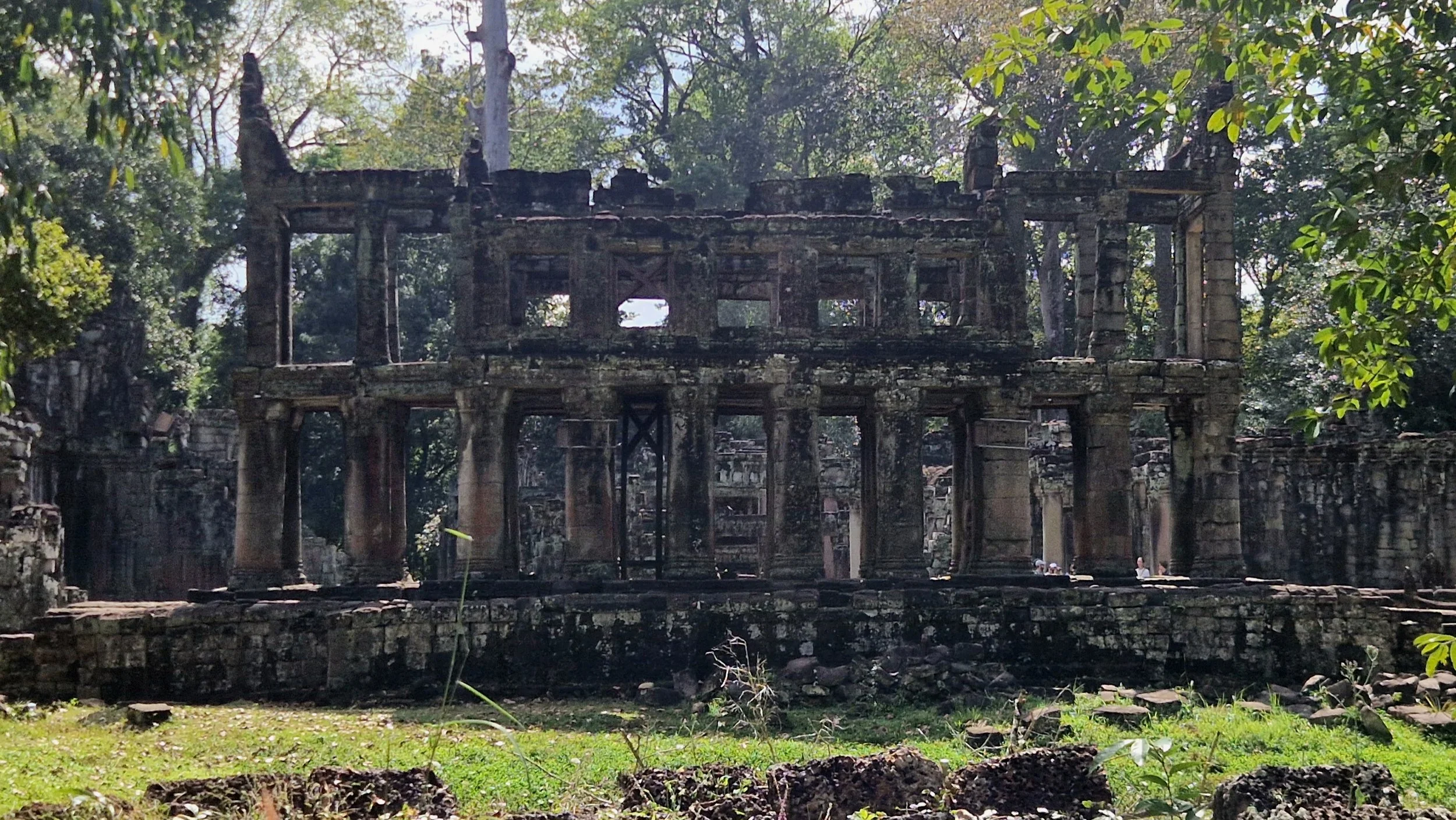
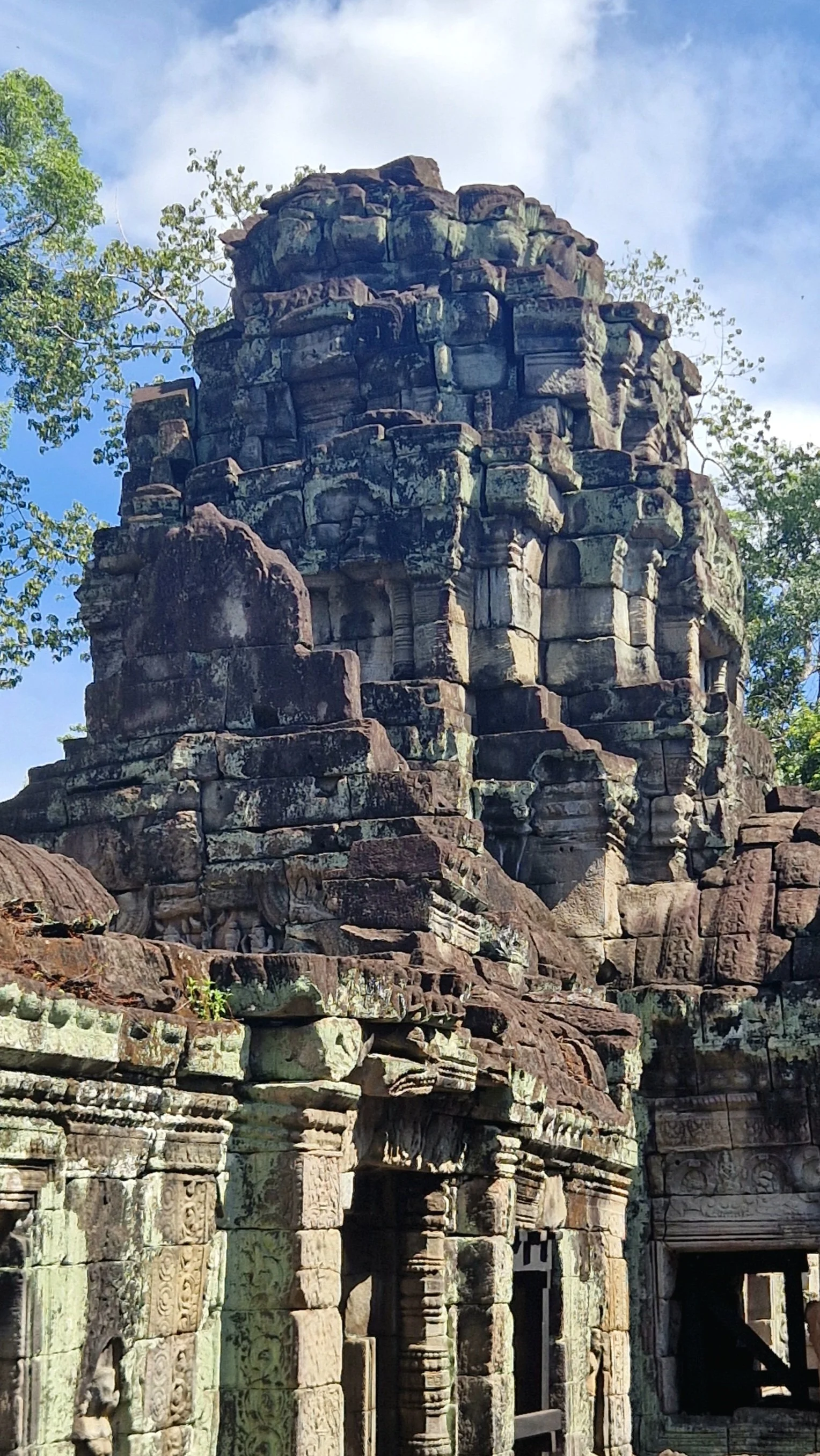
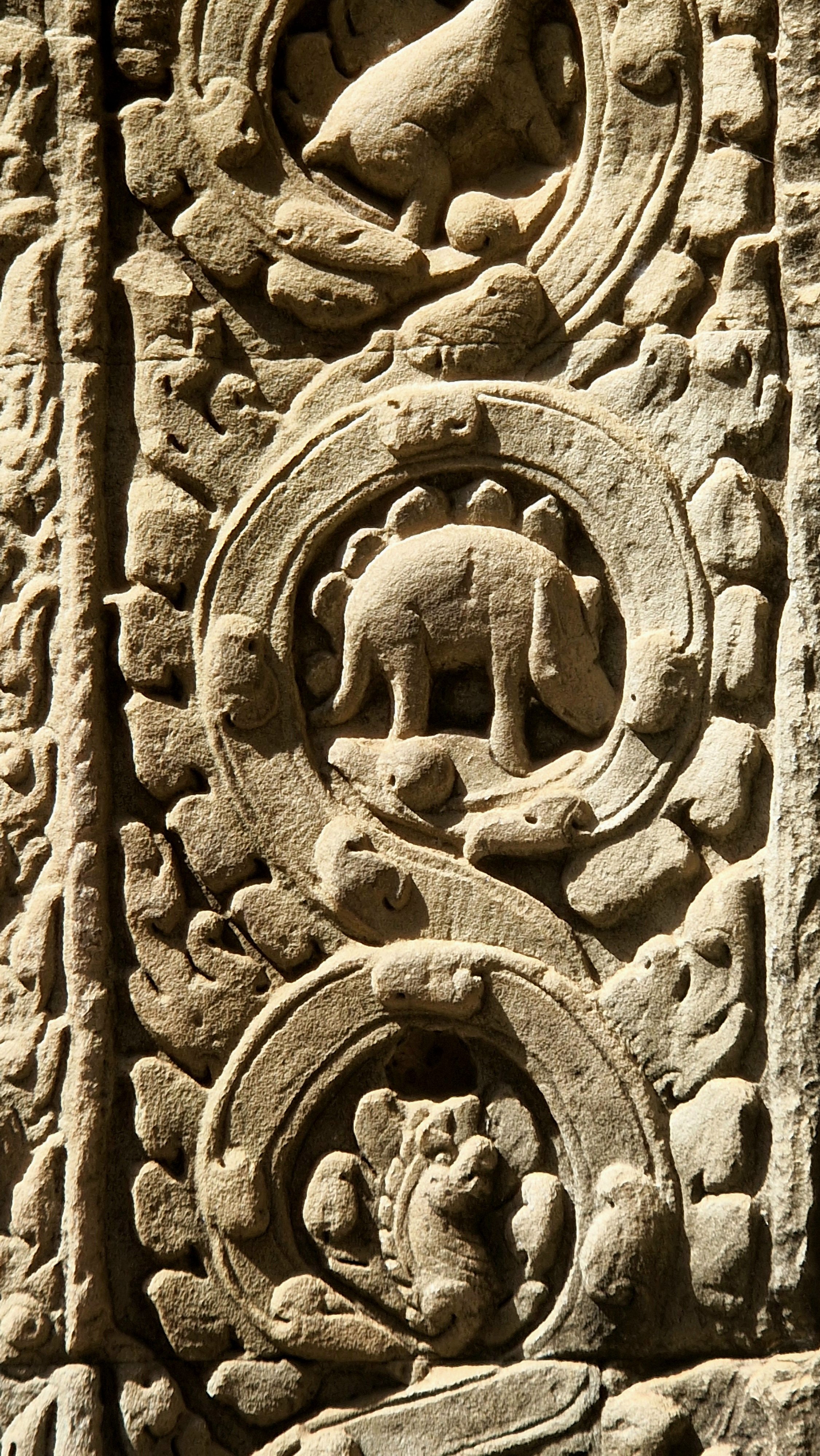
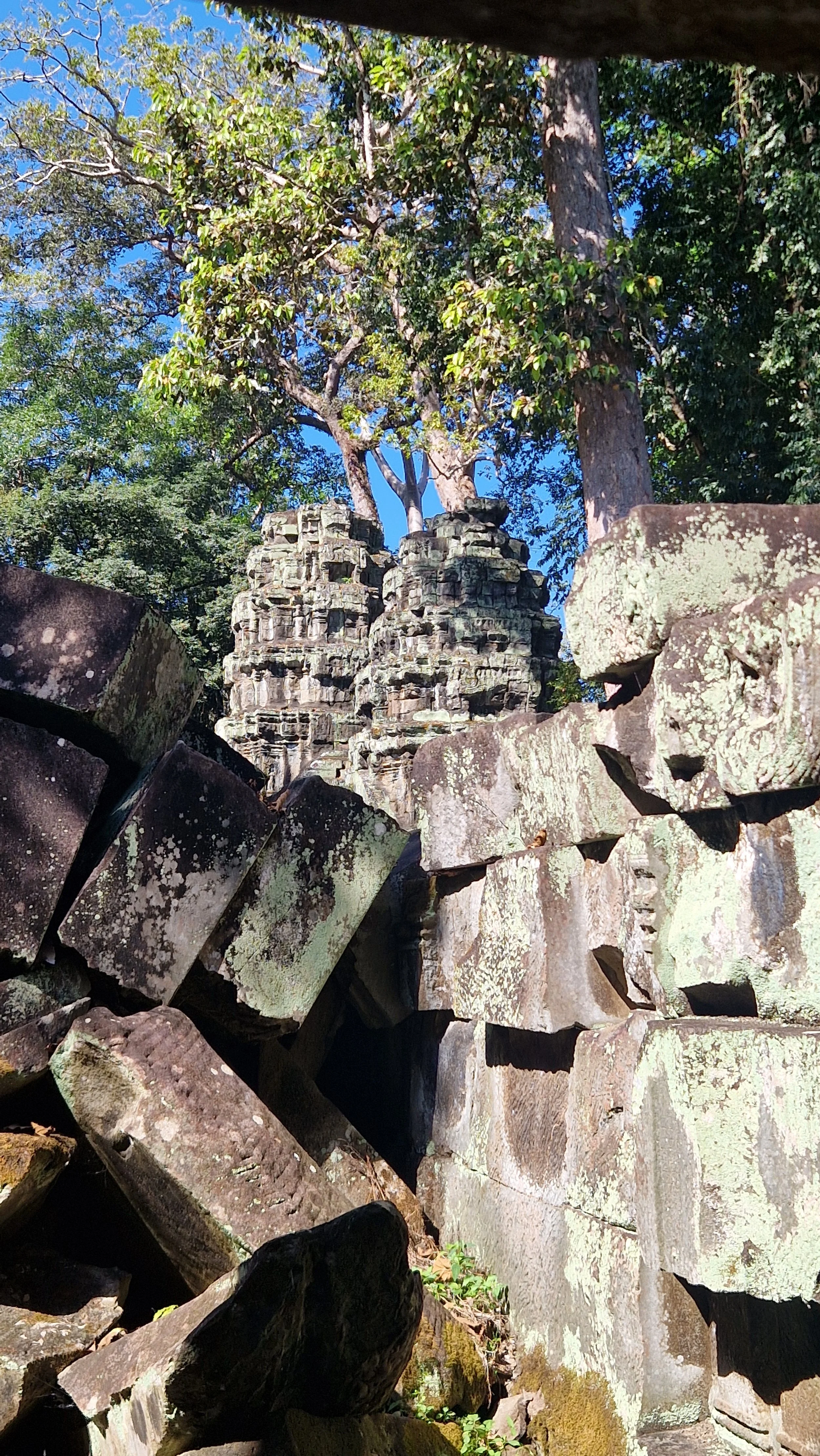
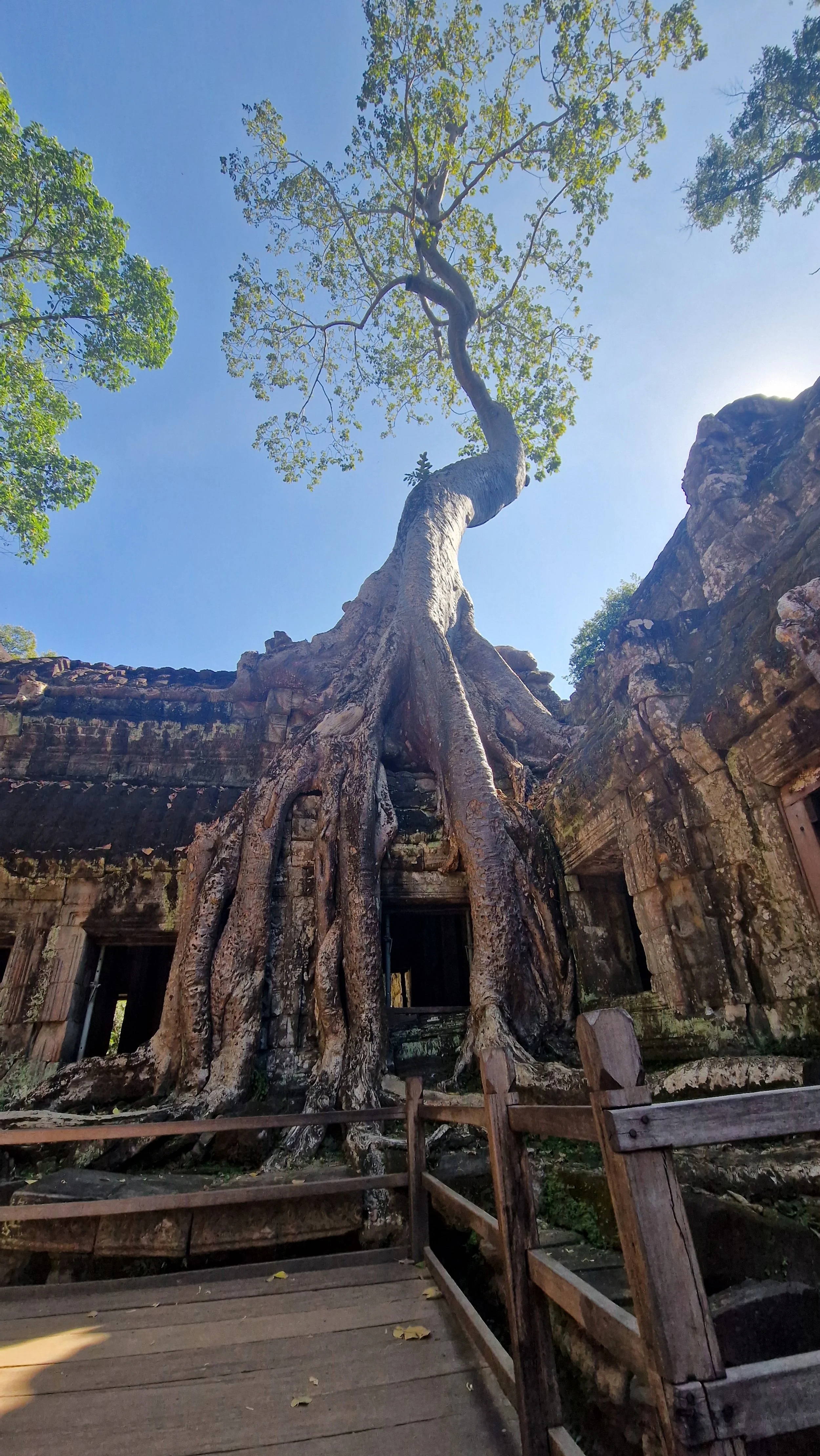
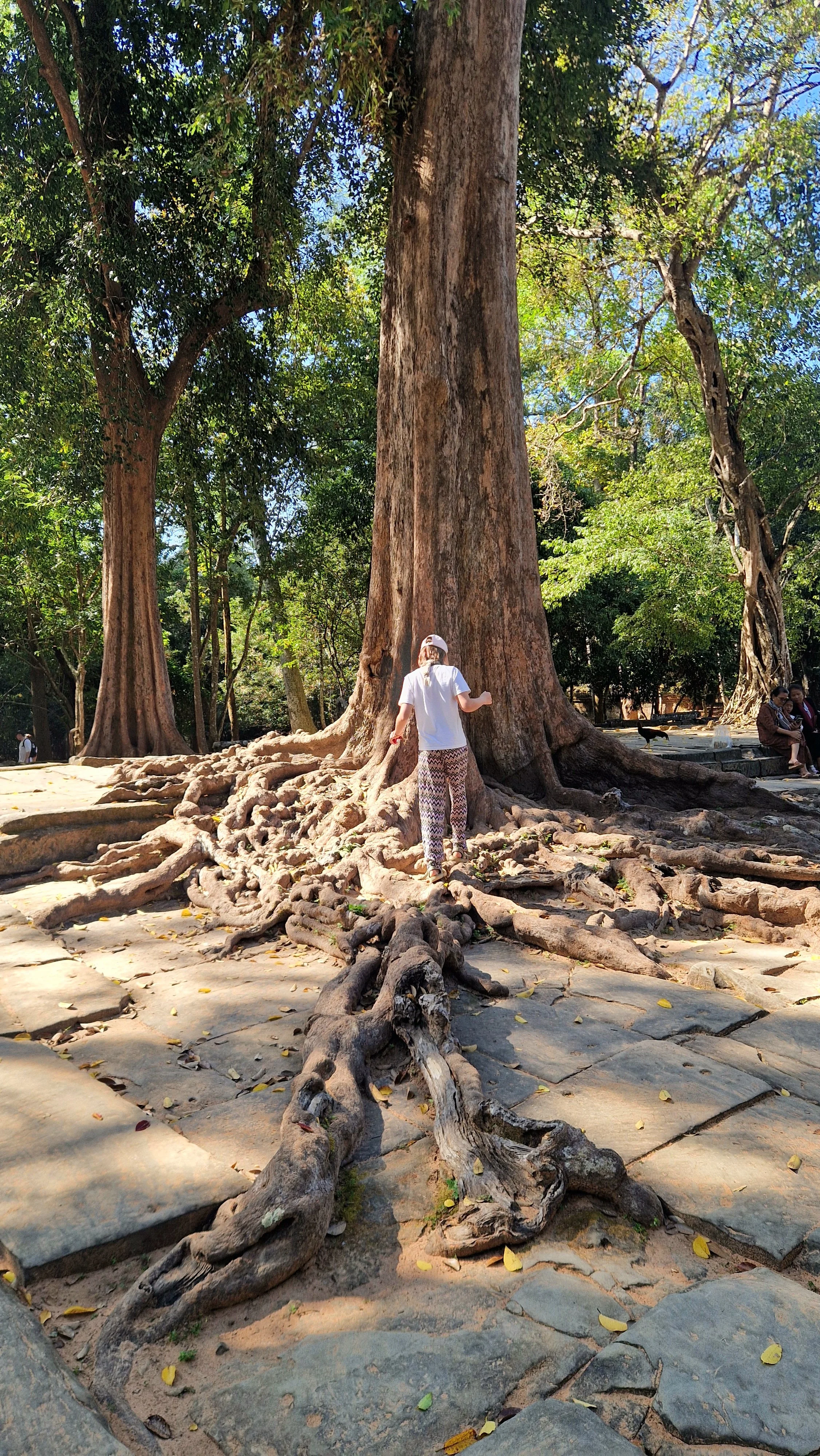
Monday and Tuesday were mostly dedicated to more temple visits, and although the mere mention of temple‑hopping didn’t exactly send the kids into raptures, these sites are so impressive that once you arrive even the younger ones quickly pick up on the special atmosphere that surrounds Angkor. Longer walks can be shortened by hopping into one of the ubiquitous tuk‑tuks parked on every corner, ready to ferry visitors from site A to site B, and with the Grab app you can check fares beforehand so there’s little risk of being charged an inflated tourist surcharge. On Monday we concentrated on Ta Prohm and its immediate surroundings. The temple rose to international fame in the early 2000s when the blockbuster Tomb Raider was filmed there, but Ta Prohm has far more to offer than its Hollywood cameo. Constructed in the late 12th and early 13th centuries, the complex was built entirely without mortar, and as trees took root in the loosened stones their thick roots now thread through and grow out of the ancient ruins. Abandoned after the Khmer decline in the 15th century, significant restoration work only began in the 20th century. Ta Prohm is also known for the so‑called “dinosaur of Ta Prohm,” a bas‑relief that bears a striking resemblance to a stegosaurian dinosaur; there is, however, no academic consensus about which real animal is depicted. And where clarity is lacking, local lore and rumors are quick to offer their own colorful explanations. On Tuesday, we focused on the Preah Khan Temple, and while it might not rank as the top one or two temples in the area, we felt it could be the most beautiful of them all. The temple experienced a slower decline than Ta Prohm, since parts of it continued to be used after the Khmer decline, and its initial clearing and early restoration began around 1927. Naturally, we took tons of pictures, but you eventually realise that these sites are so monumental that even the best photographs struggle to do them justice. It was the final day of our temple activities, as our three-day pass came to an end, but we felt we had seen a great deal of the Angkor complex, obviously only a fraction of what there is to explore, yet we still felt we had made the most of our visit to Angkor Wat.
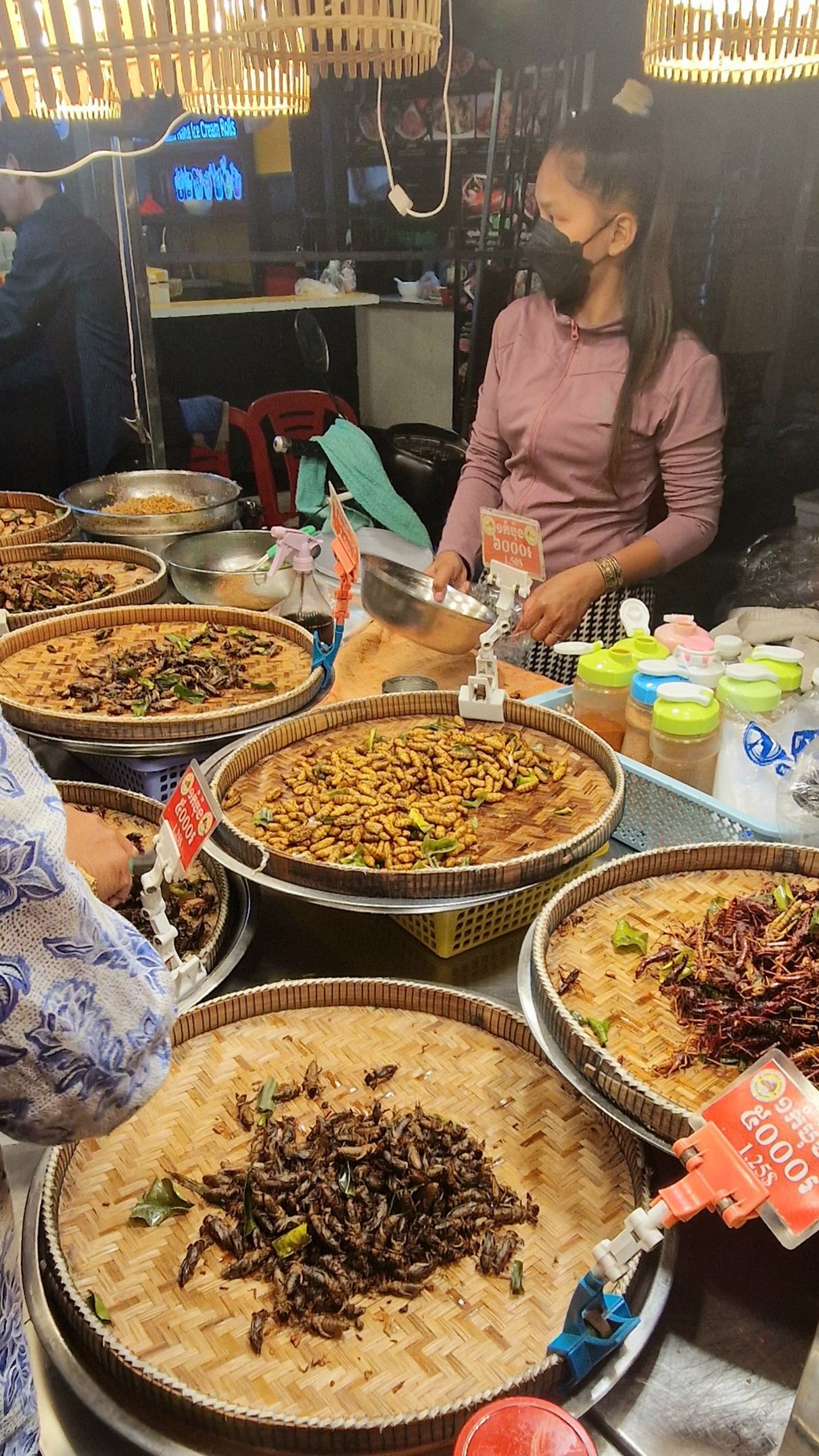
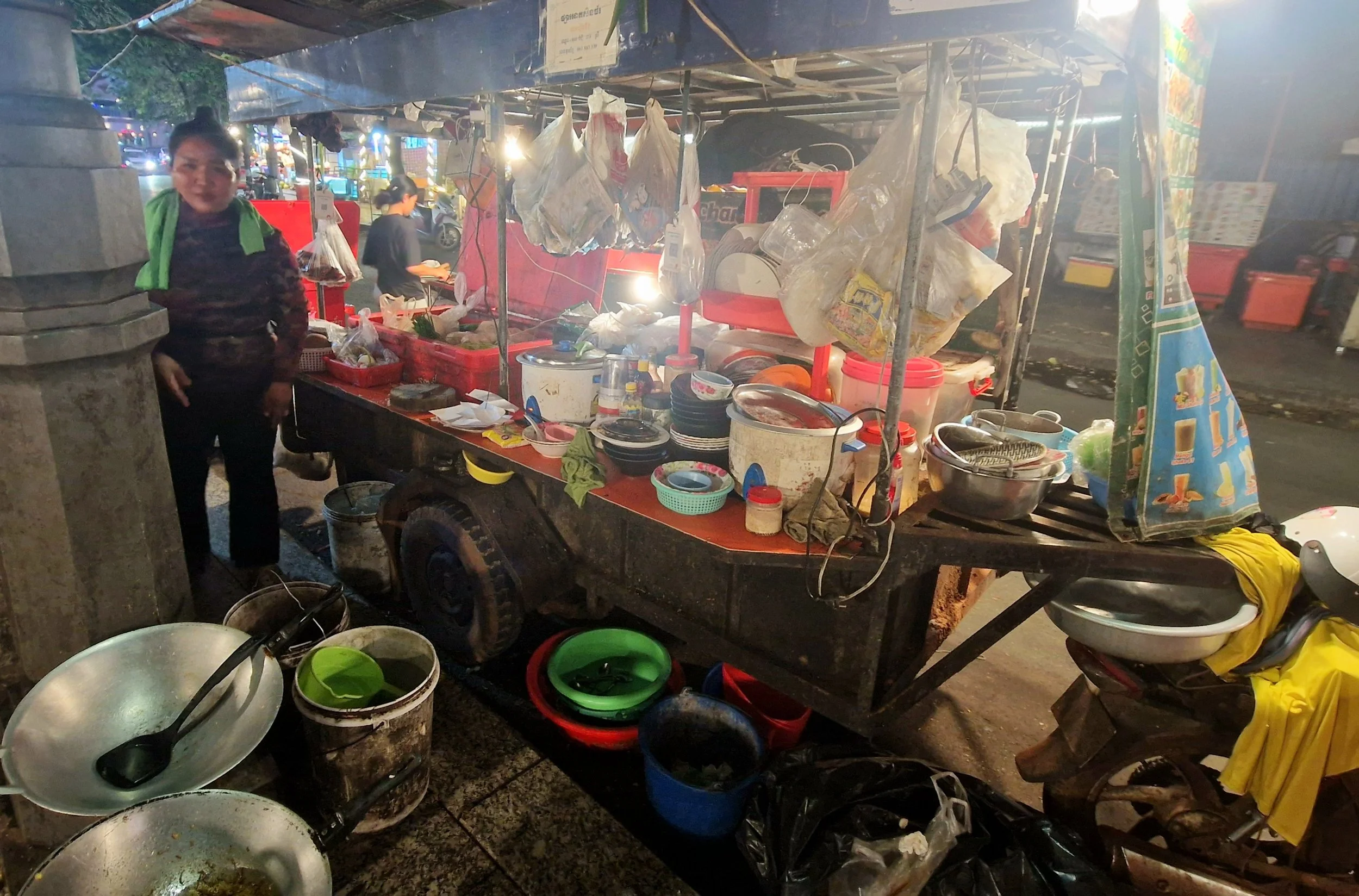
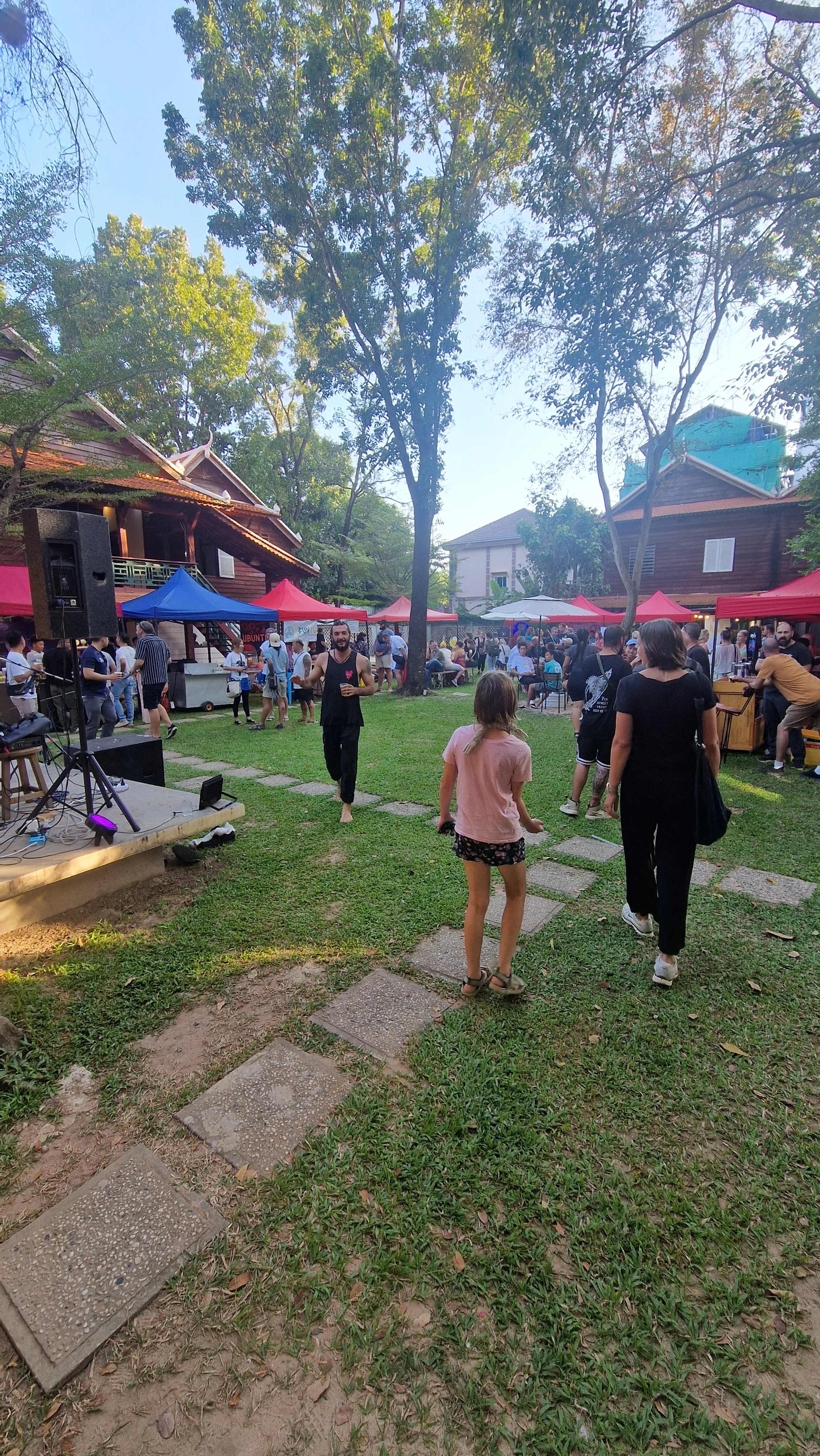
What else? We did numerous walks around the busy “Pub Street”, the central market, the night market and other neighbourhoods of Siem Reap, soaking in the lively atmosphere and colourful street life. We went to a massage places where Sarah and the kids enjoyed a relaxing foot massage, while I had my back restored to working order. We also attended a craft beer festival with great live music, where we met a German illustrator who has been living in Siem Reap for almost eight years. She ran a stall with artsy activities for the children, and Leni thoroughly enjoyed making Christmas decorations. We also chatted with a German “Braumeister” who opened a craft beer brewery in Phnom Penh, which we visited during our stay in Cambodia’s capital. It’s fascinating to hear the personal stories of people who chose to build a life in Cambodia and learn how they’ve adapted and contributed to the local community. We enjoyed excellent dinners across Siem Reap and, generally speaking, the city offers remarkable value for money, from humble local eateries with the typical plastic chairs on the street to more westernised restaurants. We didn’t have a single disappointing meal in Siem Reap. One that stood out was Joe’s Burger Bar & Grill. Not necessarily because they served the most outstanding burger, but because of the owner’s remarkable story. She lost her father early on when he was shot by a Thai soldier, she than became a a victim of human trafficking, and nevertheless managed to build a business in Siem Reap that now supports women from rural areas, pays wages well above the Cambodian average and raises awareness about these issues. An inspiring story. (https://www.facebook.com/joesburgerbarandgrill)
Tomorrow, we will take a very long ride to Sihanoukville, from where our ferry to Koh Rong Sanloem will depart one day later. We actually wanted to fly, but the Air Cambodia website didn’t allow me to book flights for reasons I still haven’t figured out. We are now looking forward to island life on this very remote place, that is famous for it’s white beaches. Let’s do it! Be well!