Panama City, Panama
This post is long overdue, as we left Panama City already a good week ago. Shame on me, but of course it’s never too late to catch up! Getting to Panama City was itself quite an interesting endeavour, since it took us three separate flights to arrive. We left Flores for Guatemala City, then took a second flight from Guatemala City to Colombia’s capital Bogotá, and from Bogotá we boarded our third flight that finally brought us into Panama City. We chose Panama City for several reasons. One was the appeal of being able to visit both the Caribbean Sea and the Pacific Ocean; another was that we were all looking forward to experiencing a sizeable, bustling city again after several weeks in much smaller places; and last but not least, we had to face the practical reality that our journey is approaching its final legs and needed a hub offering decent onward connections back to Europe.
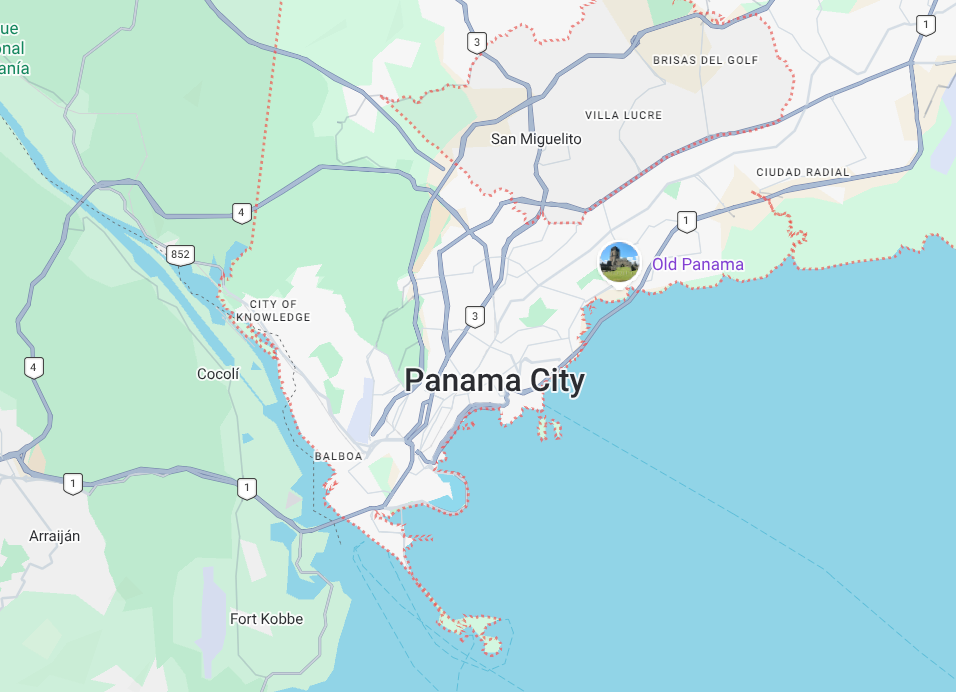
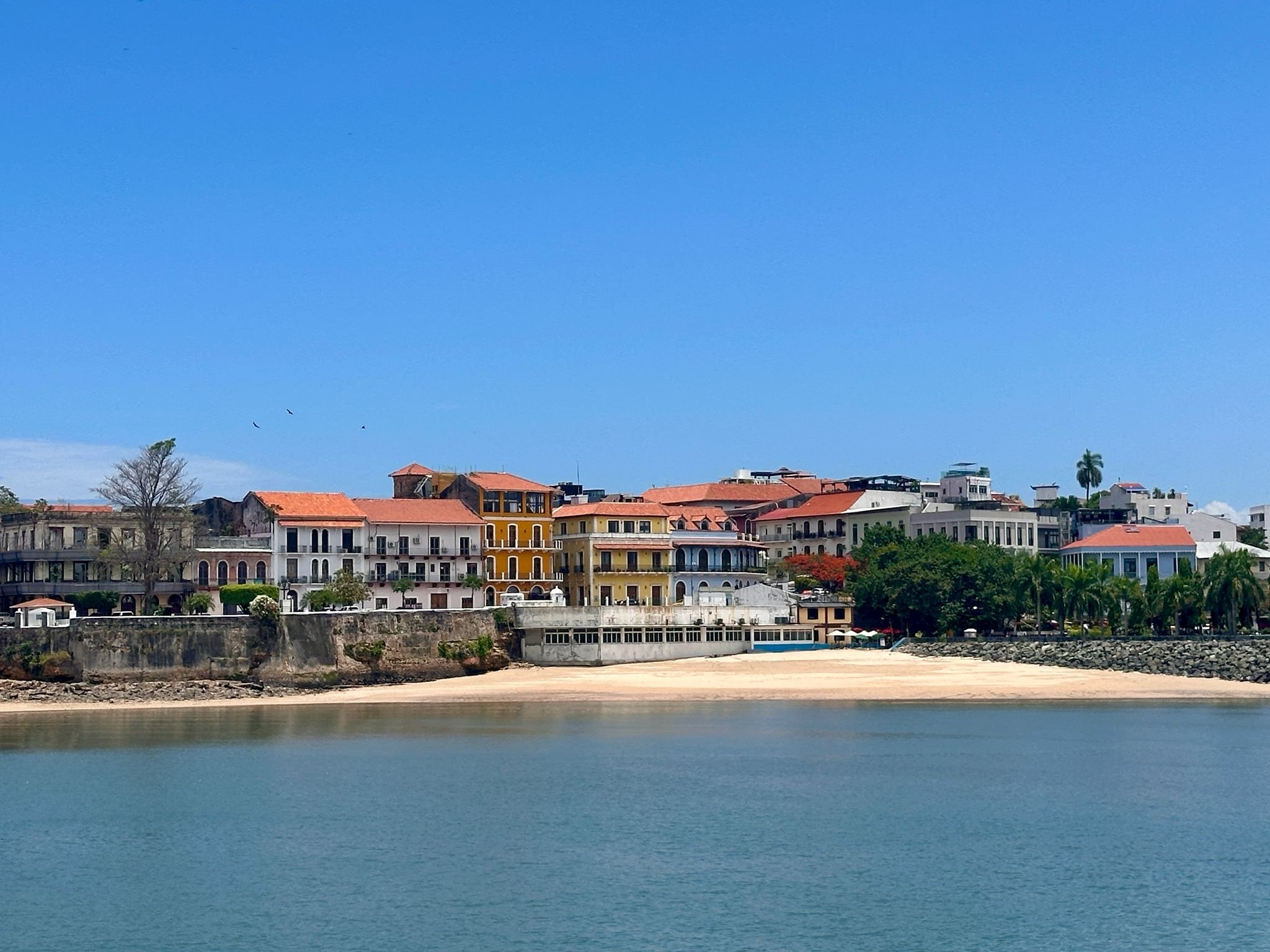
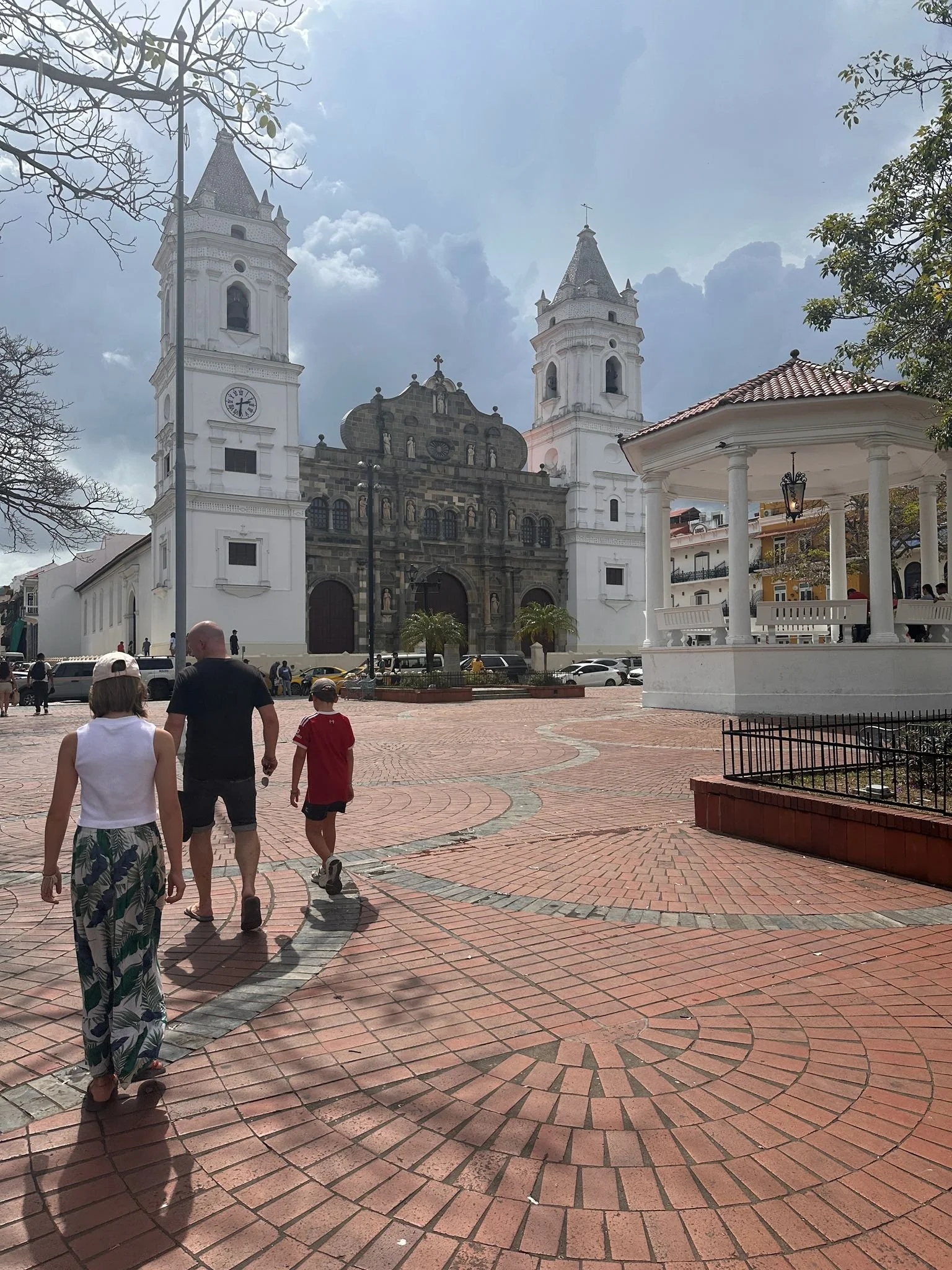
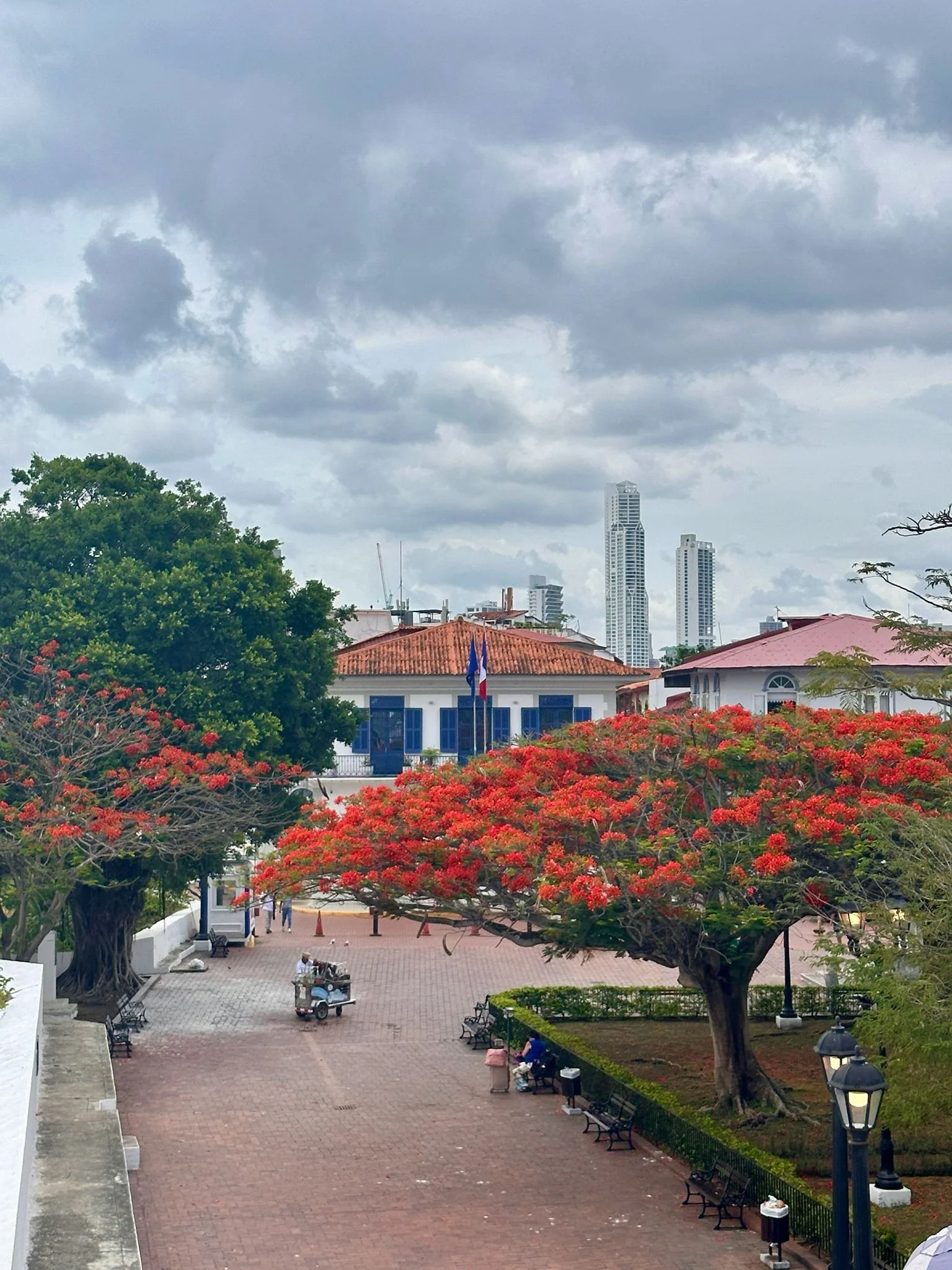
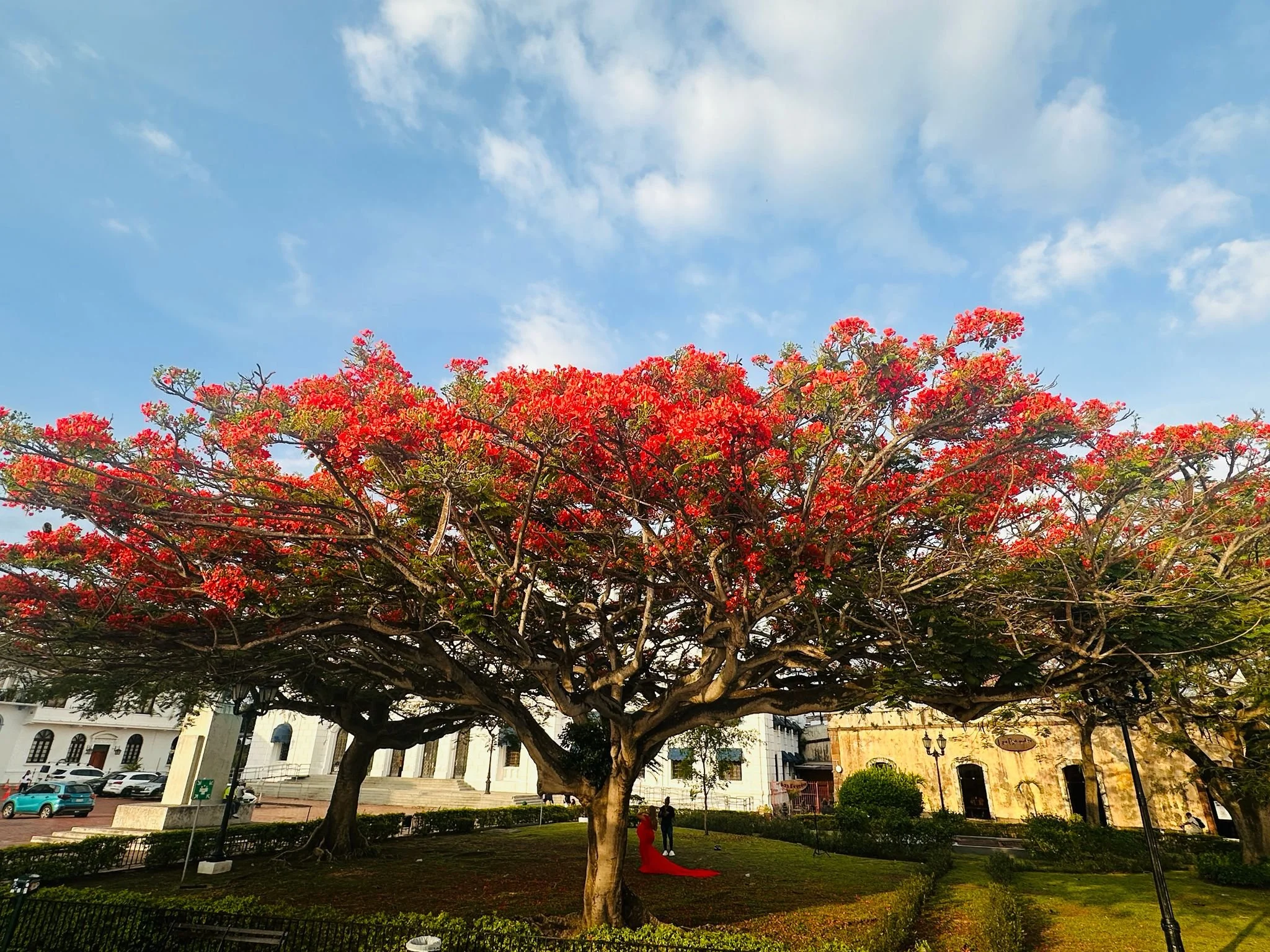
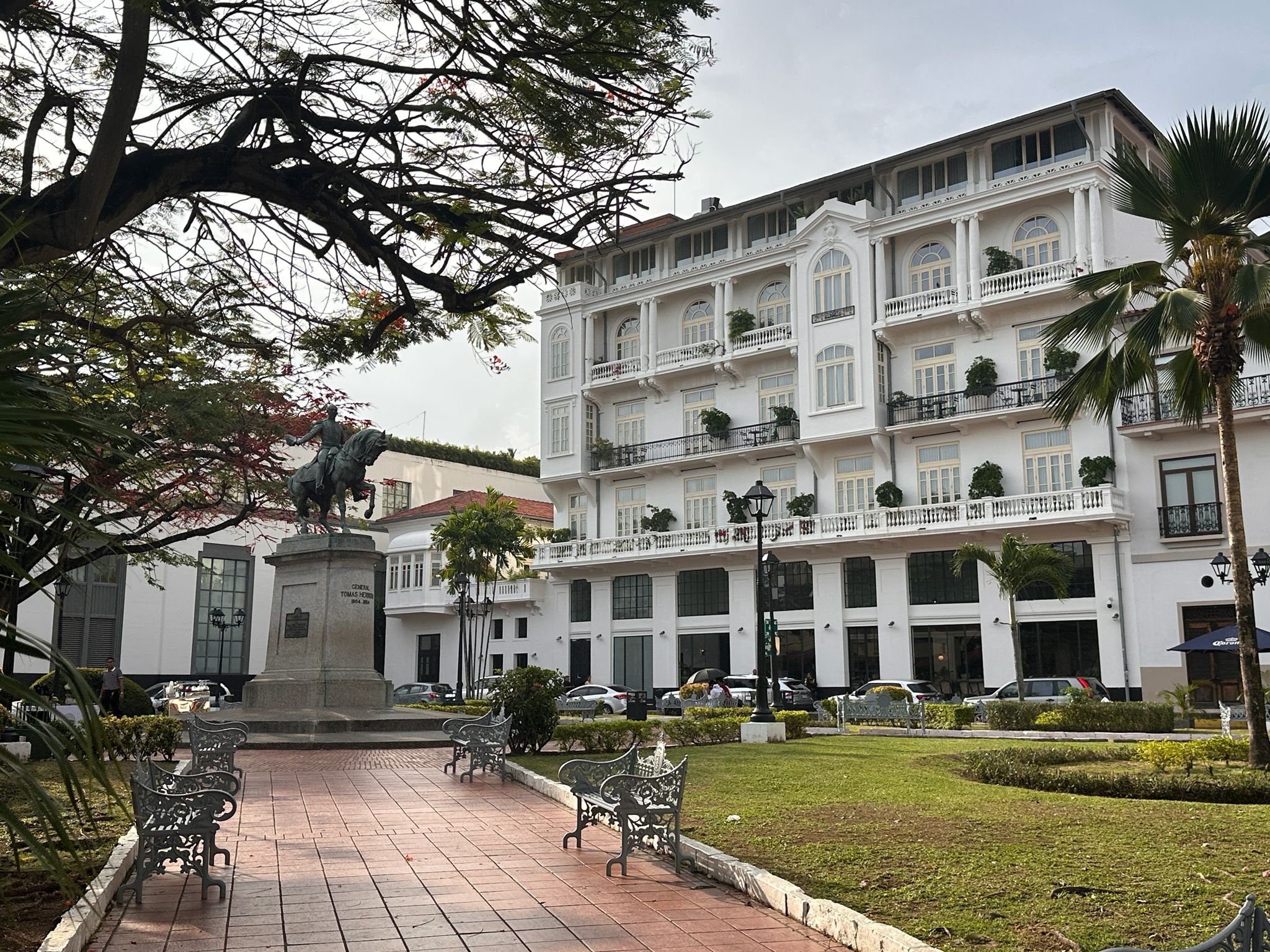
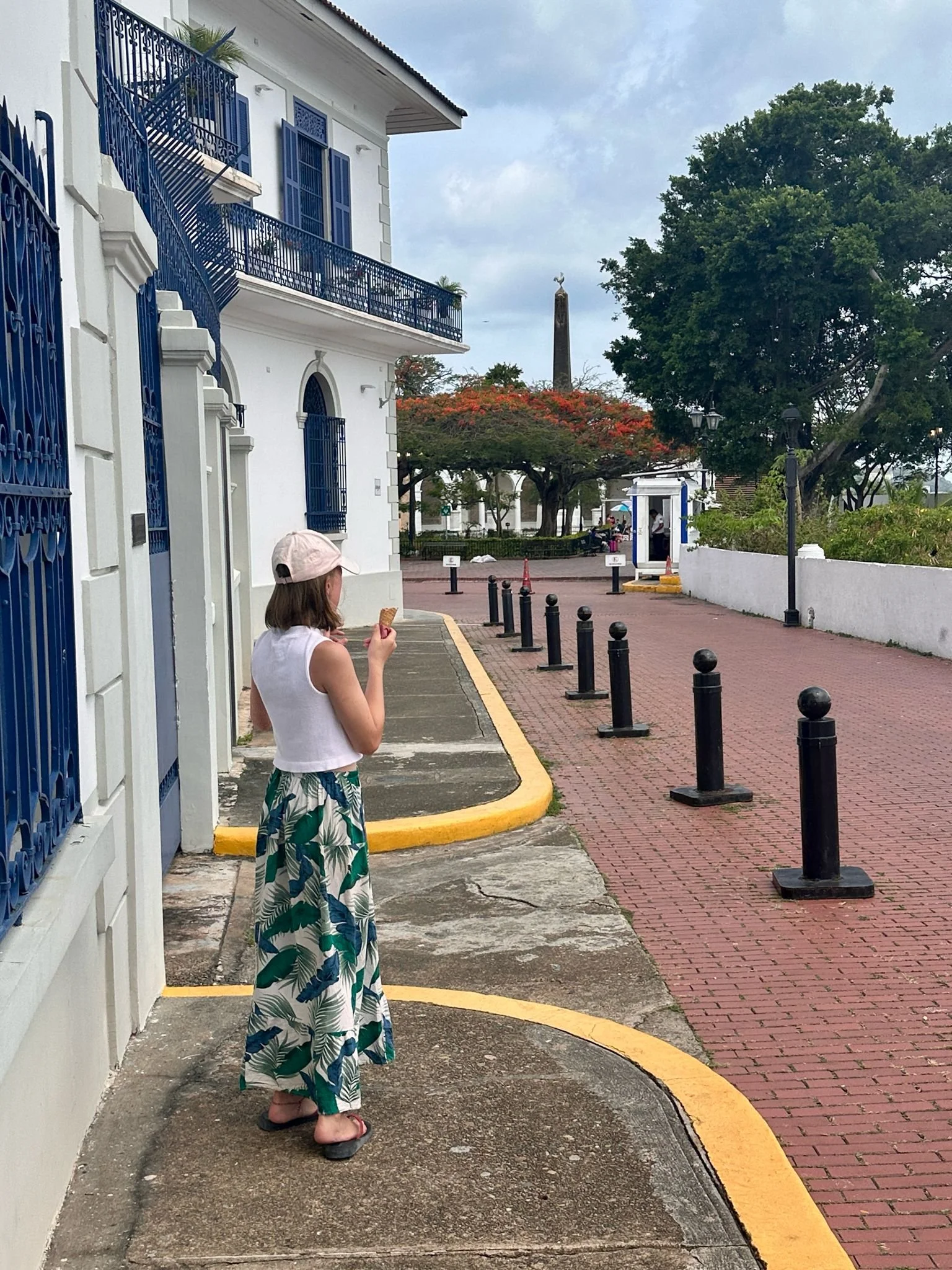
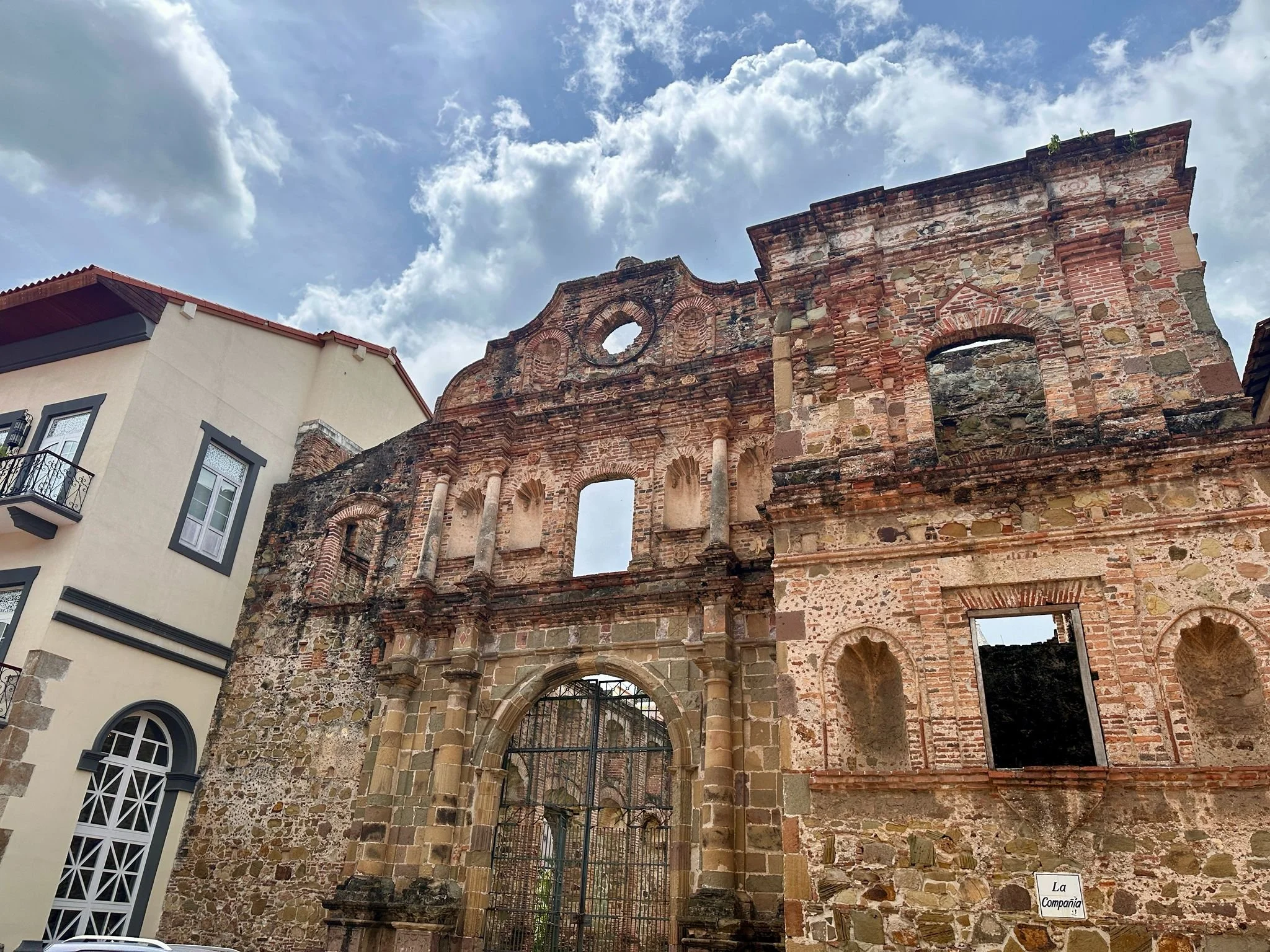
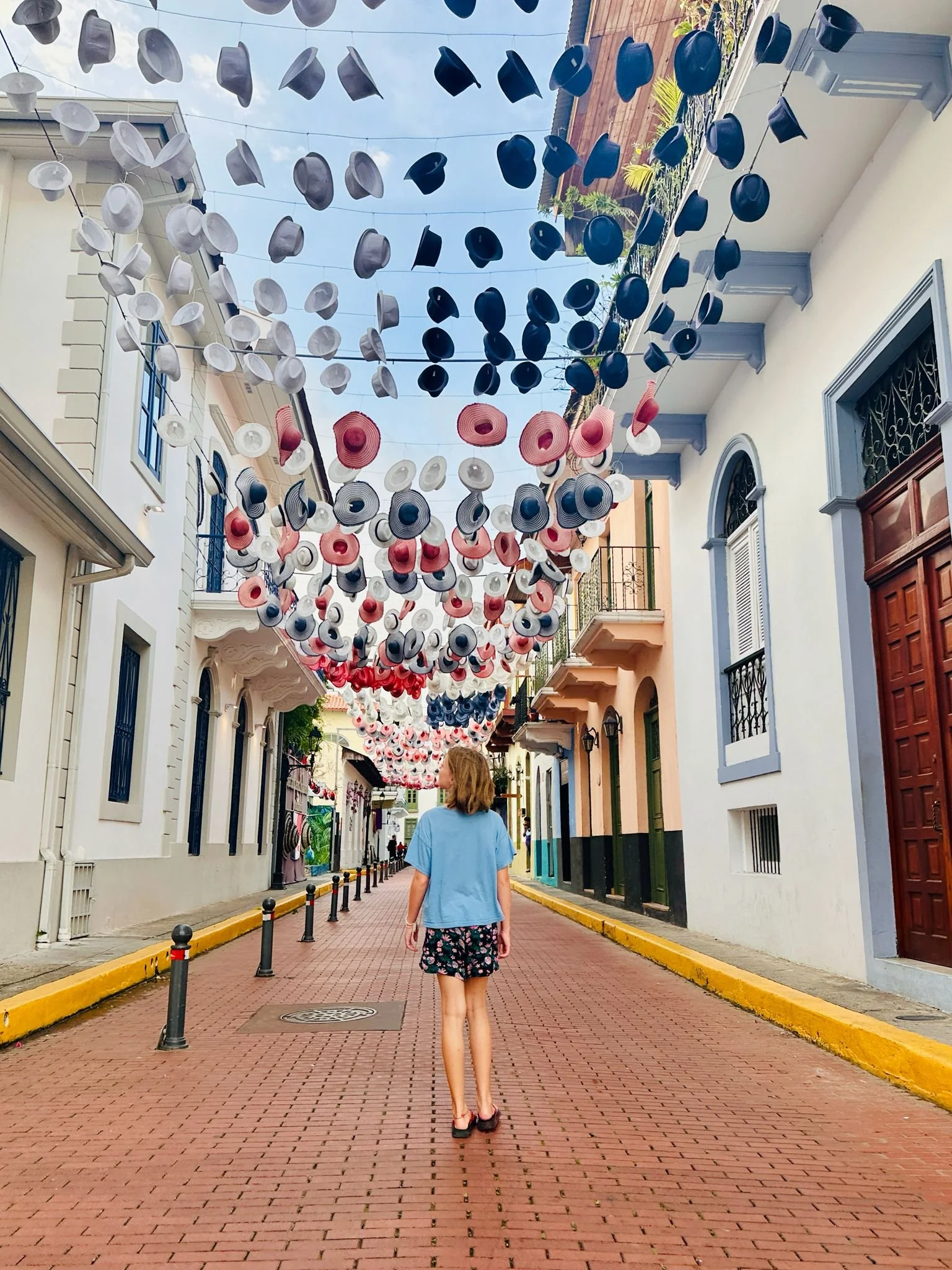
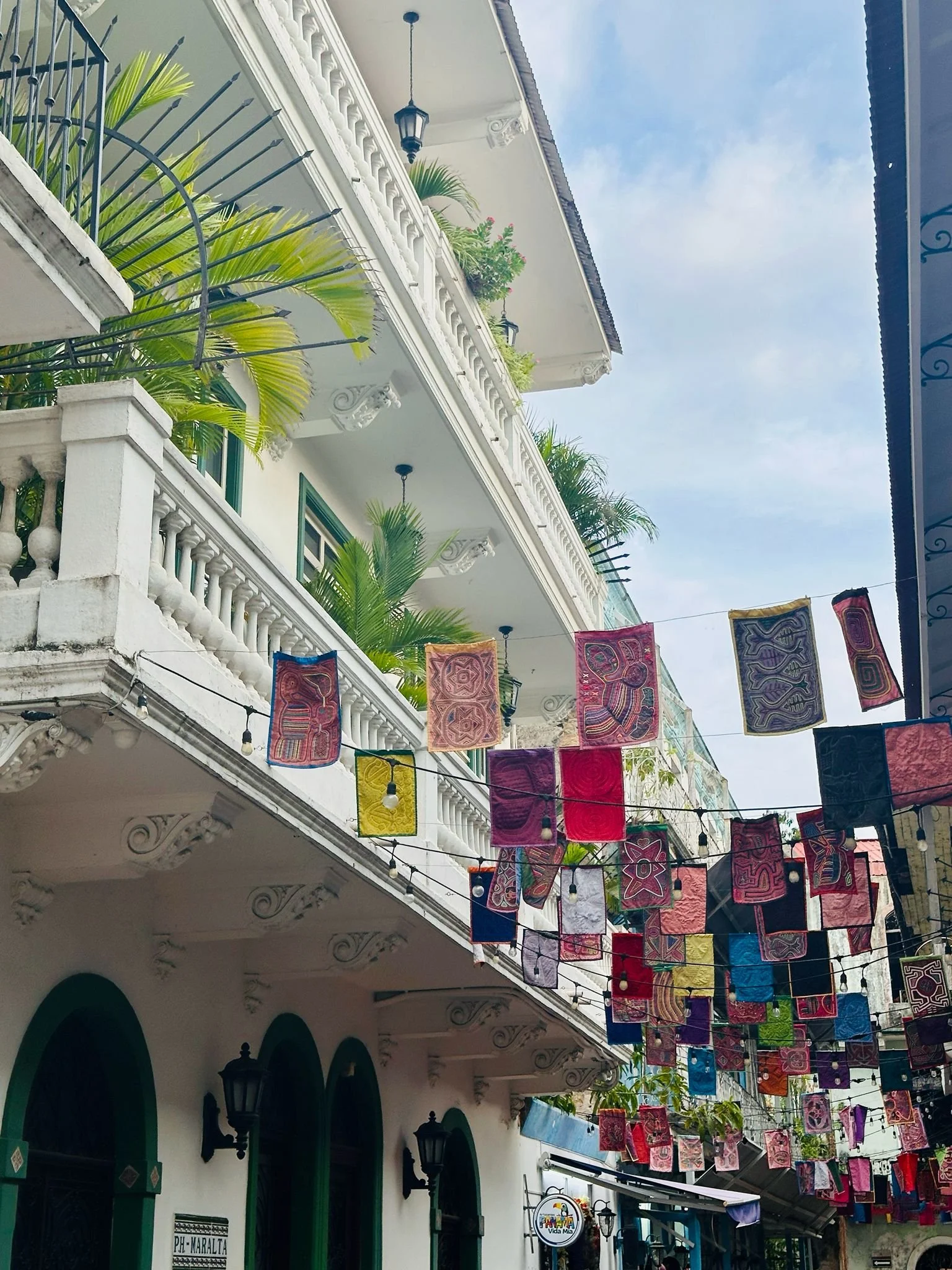
Panama City was founded by the Spanish conquistador Pedro Arias Davila in 1519 and became the first permanent European settlement on the Pacific coast of the Americas. The city soon grew in strategic importance for the Spanish Empire, serving as a major transit hub where gold and silver from Peru were gathered before being shipped across the Atlantic to Spain. The original settlement, known as “Panama Viejo,” stood several kilometres east of today’s downtown area. In 1671 the city was attacked by the forces of Welsh privateer Henry Morgan; his men looted and destroyed much of the settlement in one of the most infamous pirate raids of the colonial era. After that devastation the Spanish authorities decided to relocate the city centre to a more defensible nearby peninsula, which is today known as the old town of Panama City. In the old town we also found our Airbnb, where we chose to stay for ten nights to allow ample time to explore the city, its historic streets, museums and plazas, and the surrounding natural areas.
The Airbnb was fairly spacious, with two bedrooms and a small pool on its roof terrace, which provided much-welcomed refreshment in the humid Panamanian heat. We arrived in the city without a detailed to-do list, but two main attractions were definitely on our minds: the visitor center of the Panama Canal and the chance to see sloths in the wild. My daughter had been carrying her toy sloth for the entire duration of our journey. “Fauli” has been everywhere with us and, over the months, has become a fully accepted and beloved travel companion for all of us, so naturally we had to give Fauli a chance to meet some real sloth family members too.
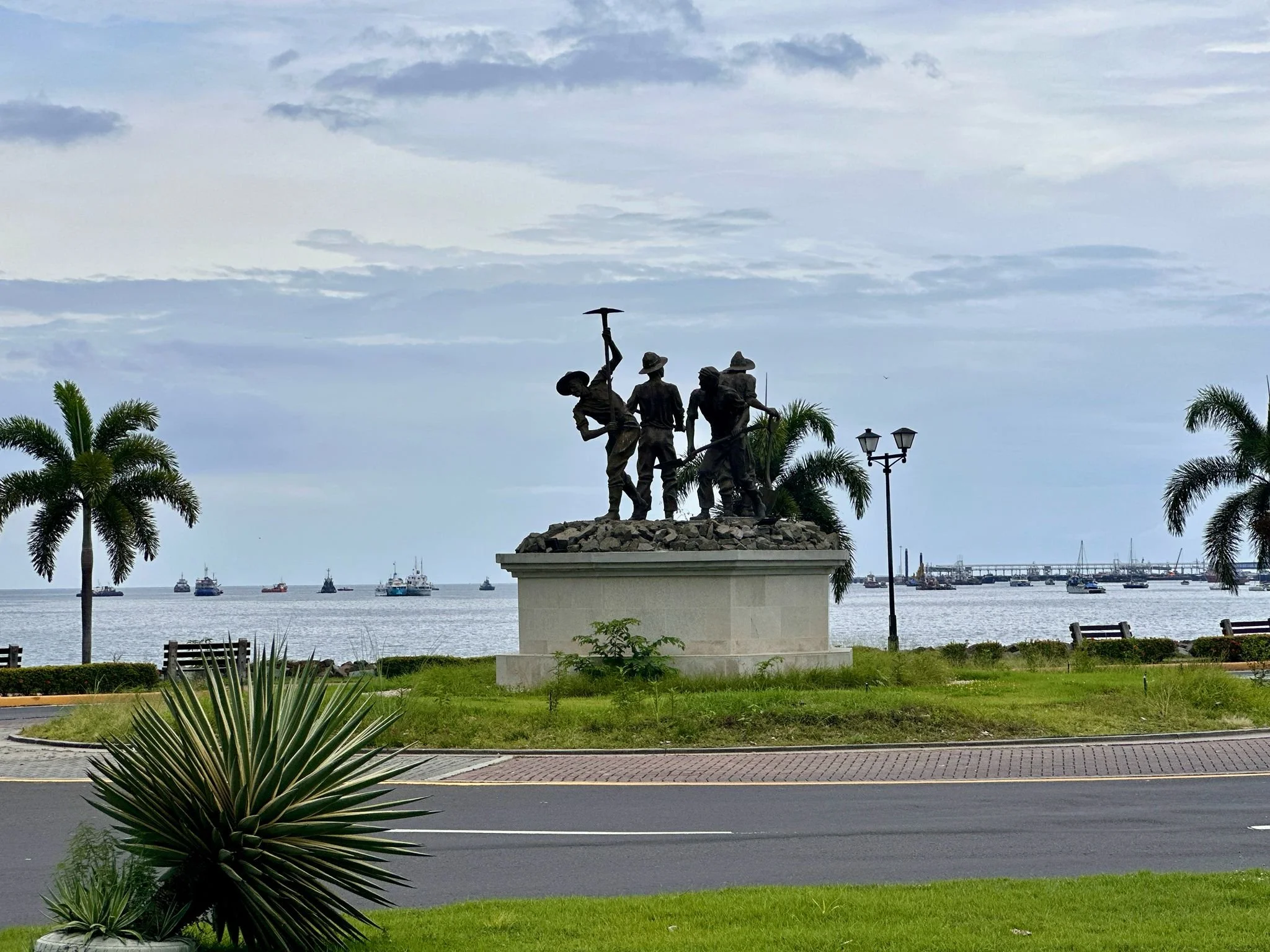
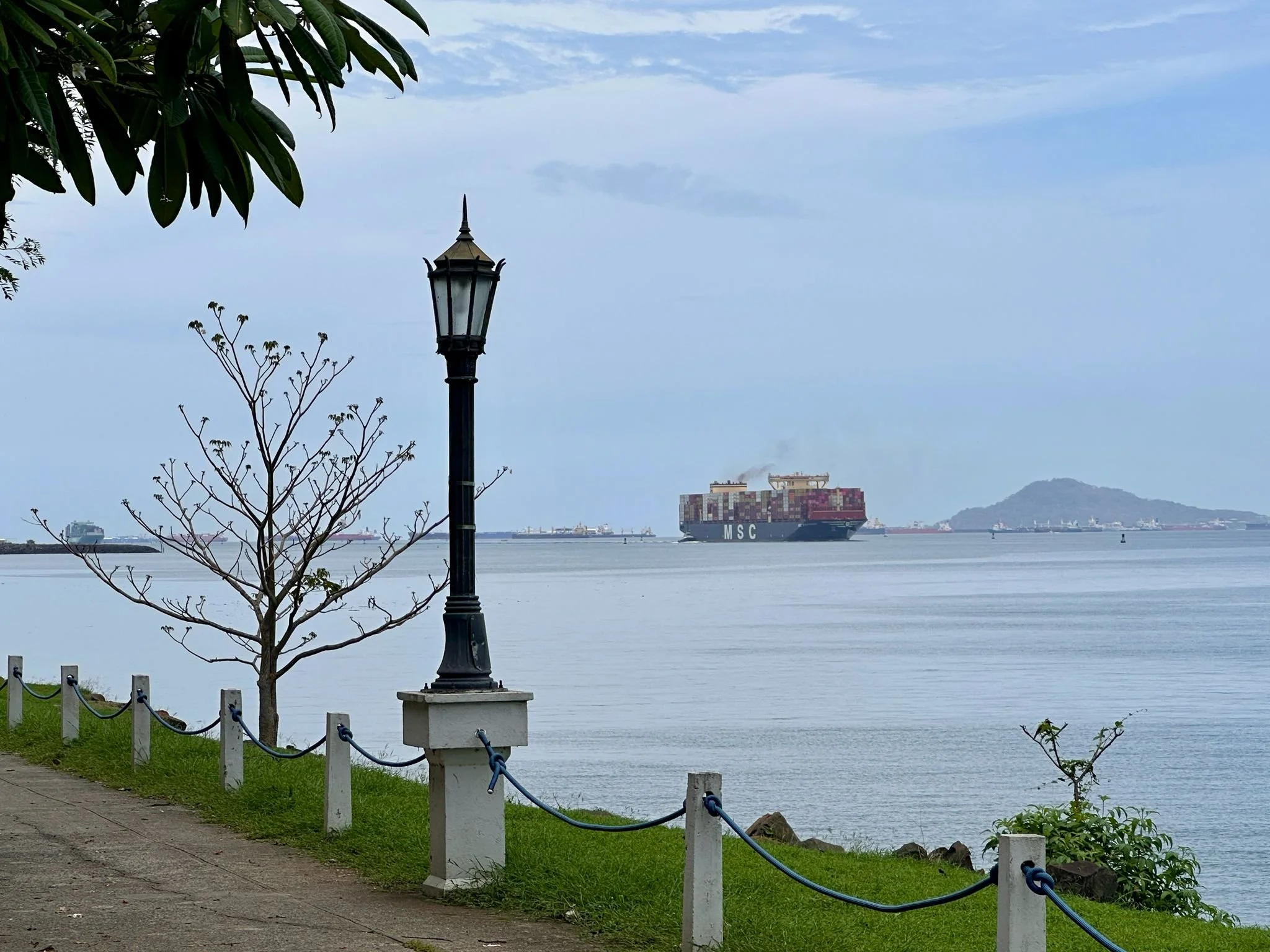
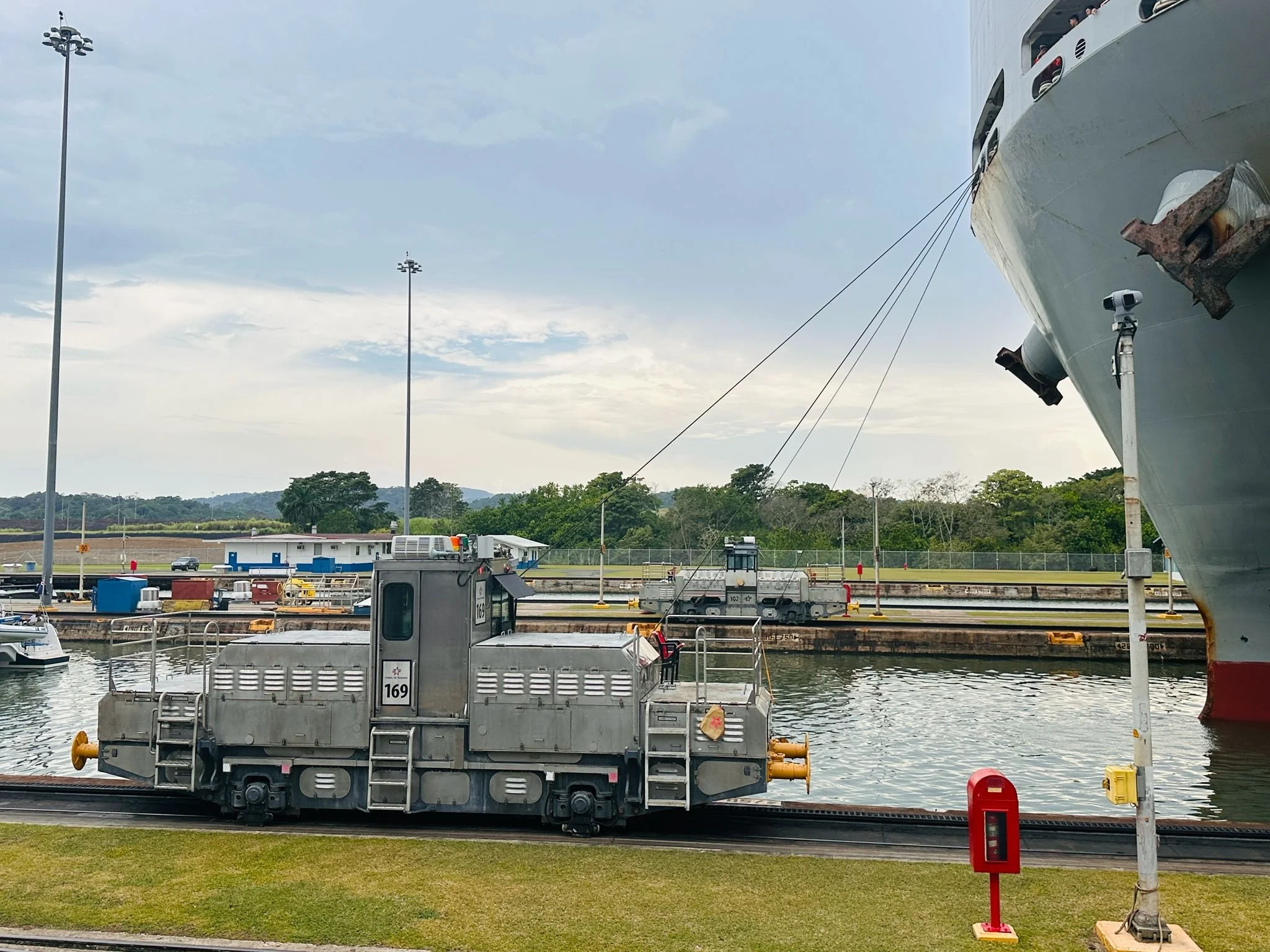
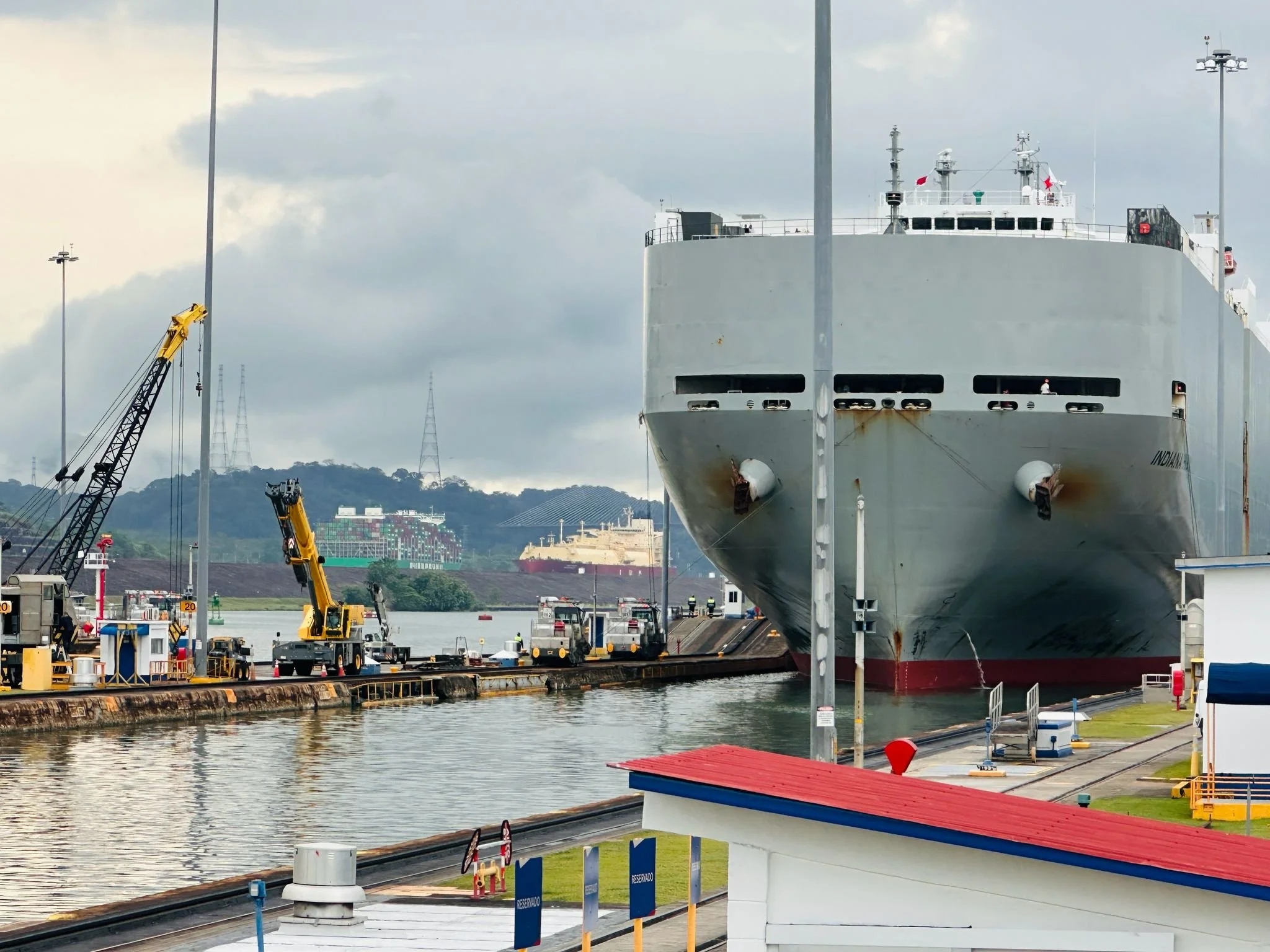
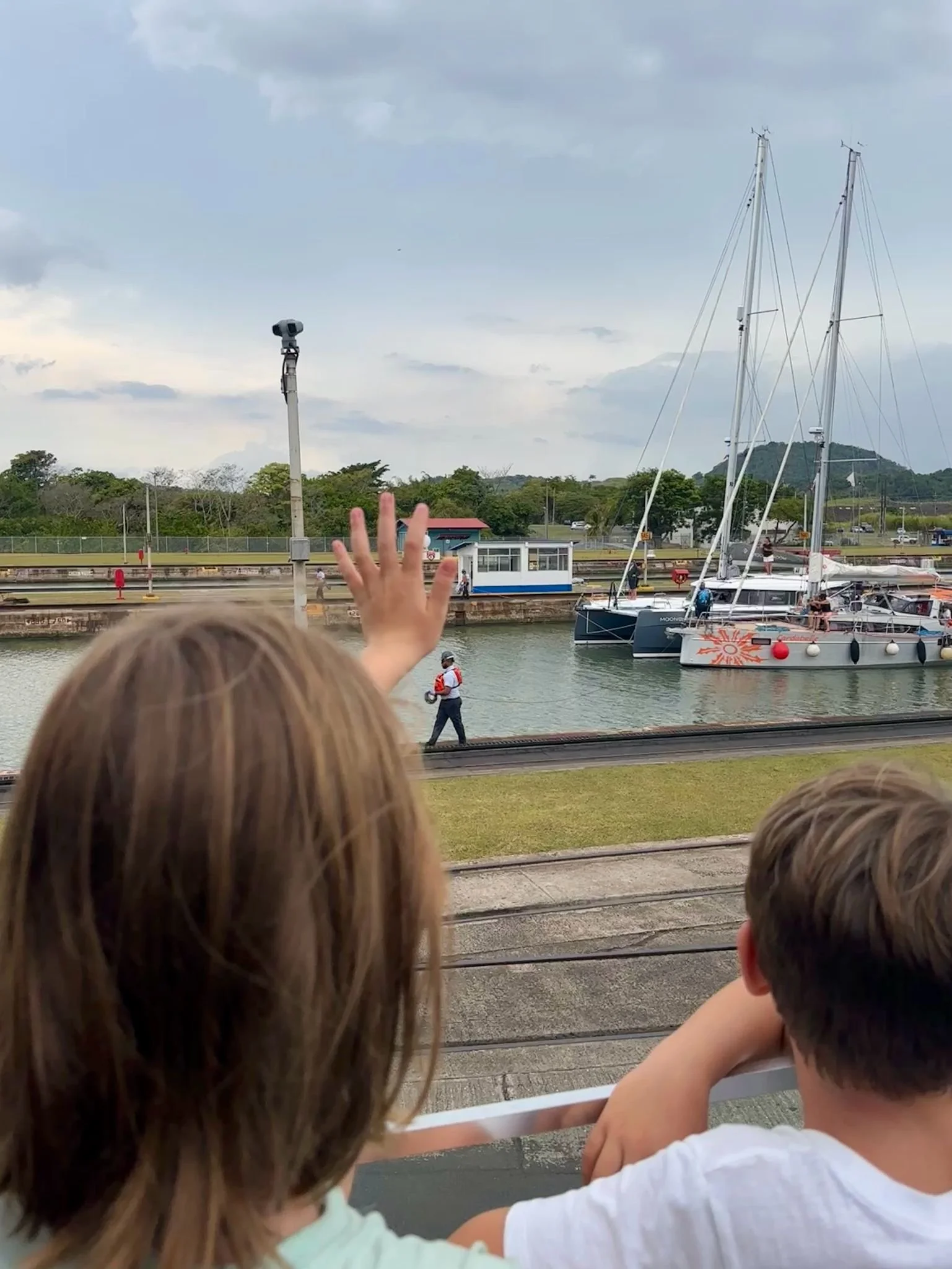
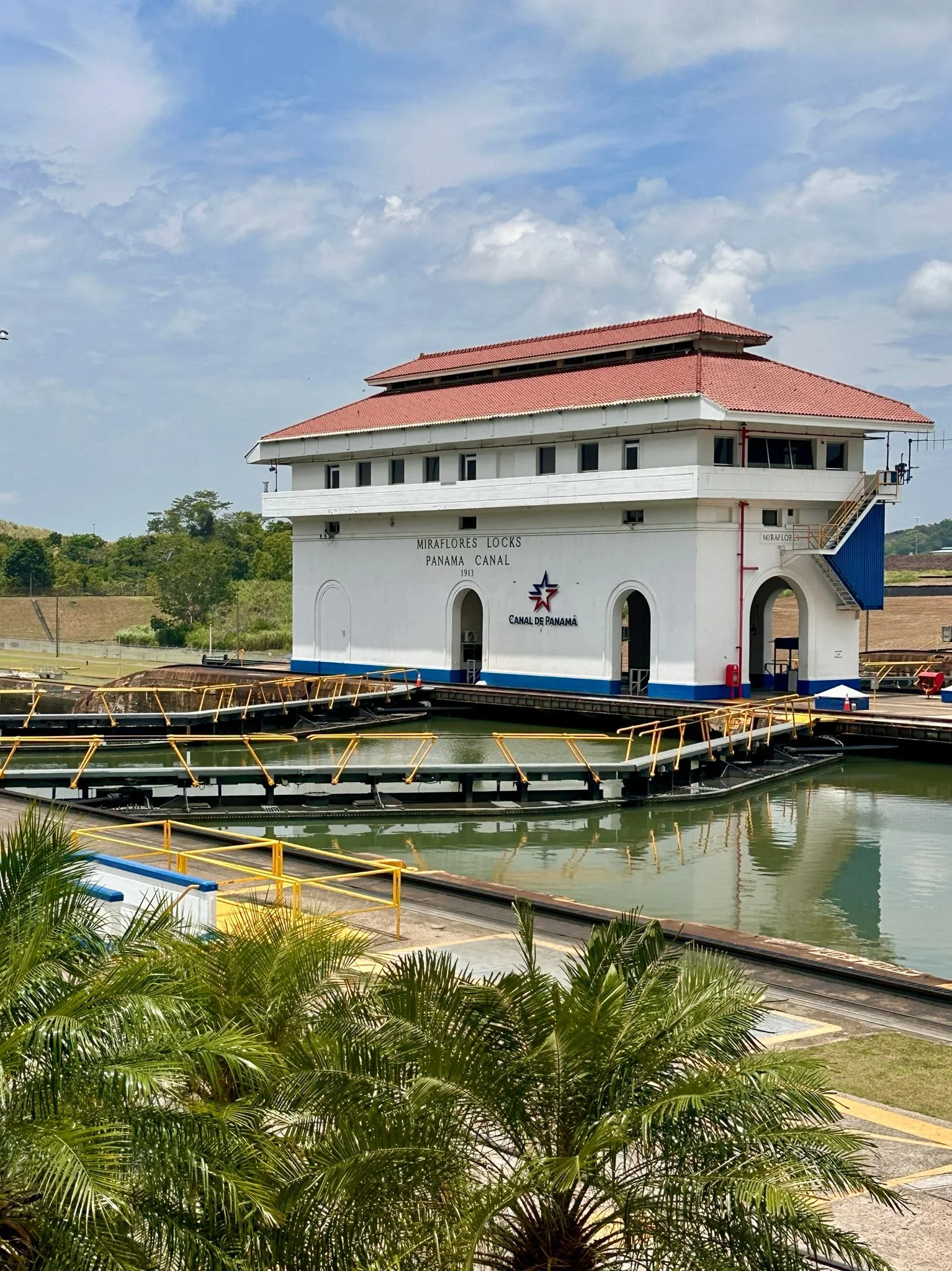
The Panama Canal can easily be considered one of the world’s most important engineering projects. It directly connects the Atlantic and the Pacific Oceans and, without it, ships would still have to sail all the way around South America via Cape Horn - a voyage thousands of kilometres longer than the much-needed shortcut provided by the canal. In the 1880s the French, led by Ferdinand de Lesseps, who had already completed the Suez Canal, made the first large-scale attempt to build it, but that effort failed miserably. The undertaking became a human and technical catastrophe: thousands of workers died from tropical diseases, landslides and the brutal challenges of working in dense jungle conditions. Financial corruption, mismanagement and eventual bankruptcy were the final nails in the coffin for that initial effort. In 1904, after Panama had separated from Colombia, the United States took over and launched a second, better-organised attempt to complete the monumental waterway. First, however, they devoted substantial time and considerable resources to controlling the many diseases that had crippled the earlier French effort. Surgeon General William C. Gorgas played a key role in the eventual success, as his careful research and broad public-health campaigns demonstrated conclusively that mosquitoes were the primary carriers of the deadly illnesses which had claimed so many lives during the first, ill-fated attempt to construct the Panama Canal. What followed was a massive sanitation campaign and became one of the first large-scale public-health engineering successes in history. Standing water was drained, buildings were fumigated, window screens were installed, a modern sewage system was built, and only after all these undertakings had been completed did the thousands of workers enter the construction site. The Americans then adopted a completely different approach than the one the French had been attempting. Rather than “digging from ocean to ocean,” the Americans used a lock-based method and flooded vast portions of the isthmus. Gatun Lake became one of the largest artificial lakes in the world. Additional locks then raised ships through the successive levels of the canal, which solved many critical engineering problems and established the system that remains in use today. The visitor center of the Panama Canal was definitely worth a visit, despite the fact that large parts of the exhibition are currently being modernized. An IMAX movie provides excellent background on the history of the Panama Canal, and the visitor platforms let you watch up close as impressively huge containerships are guided through the locks. It’s moments like these when you really notice how children absorb new knowledge in a very tangible, memorable way - experiences that no classroom could ever fully replicate.
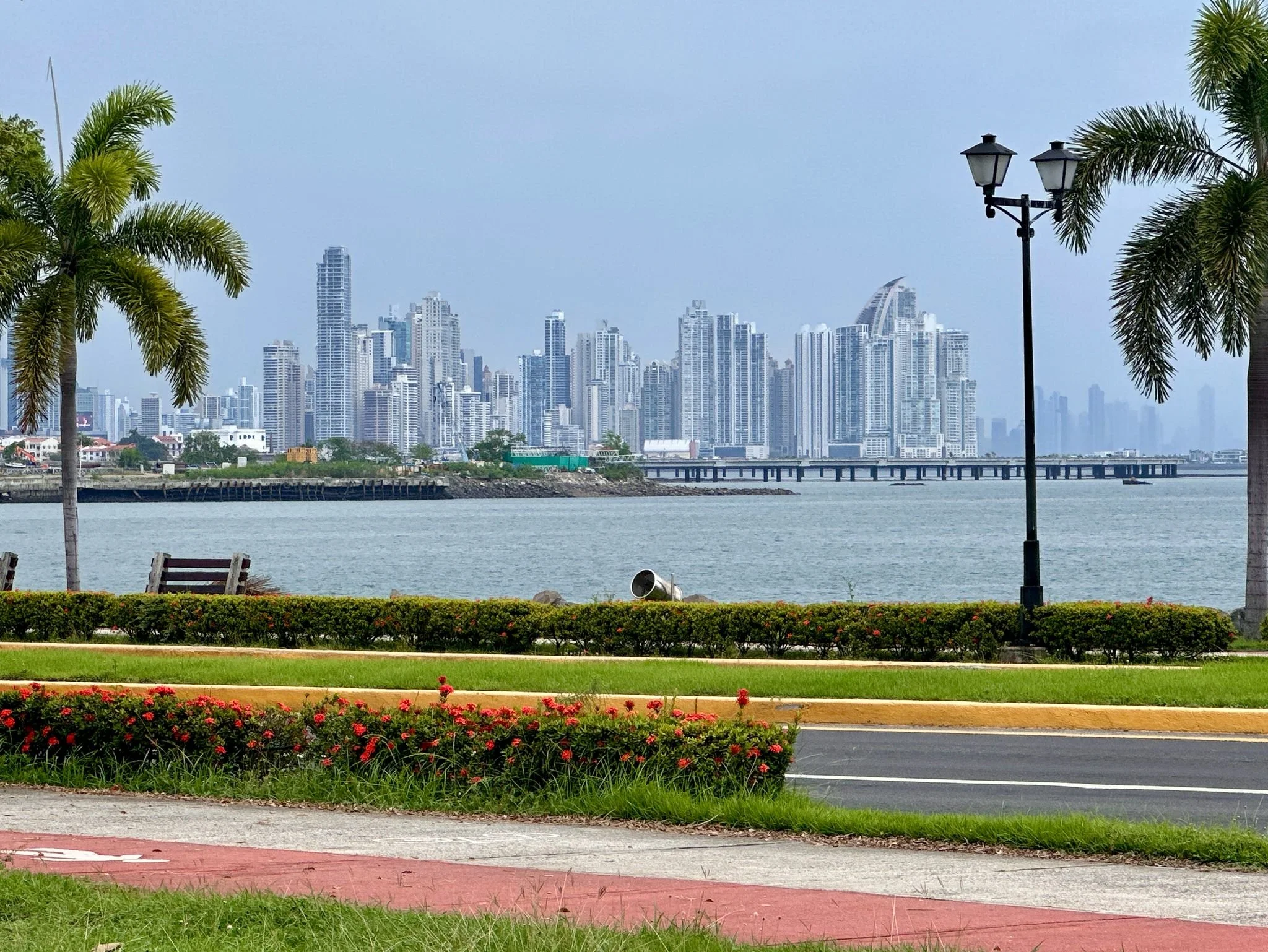
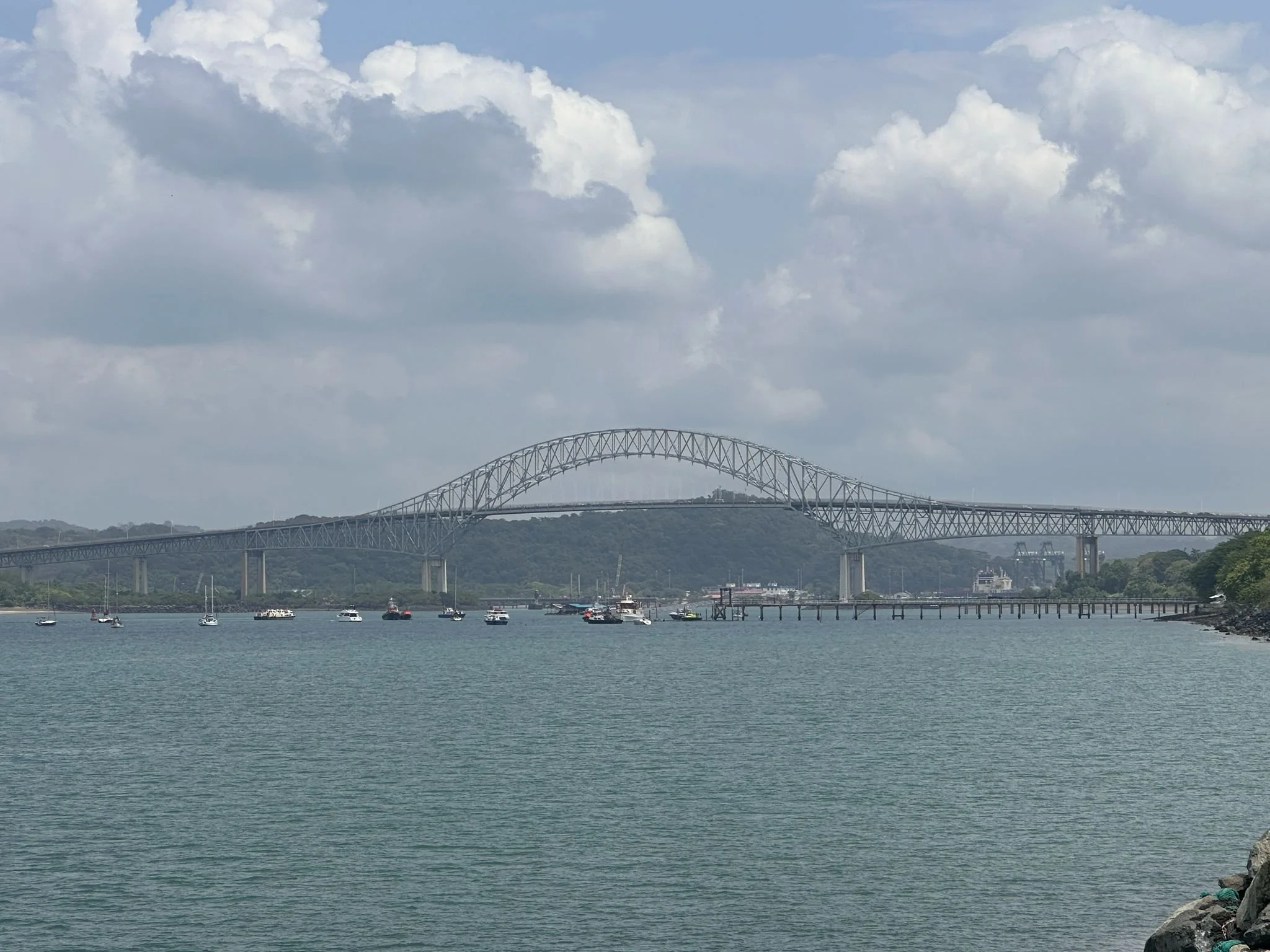
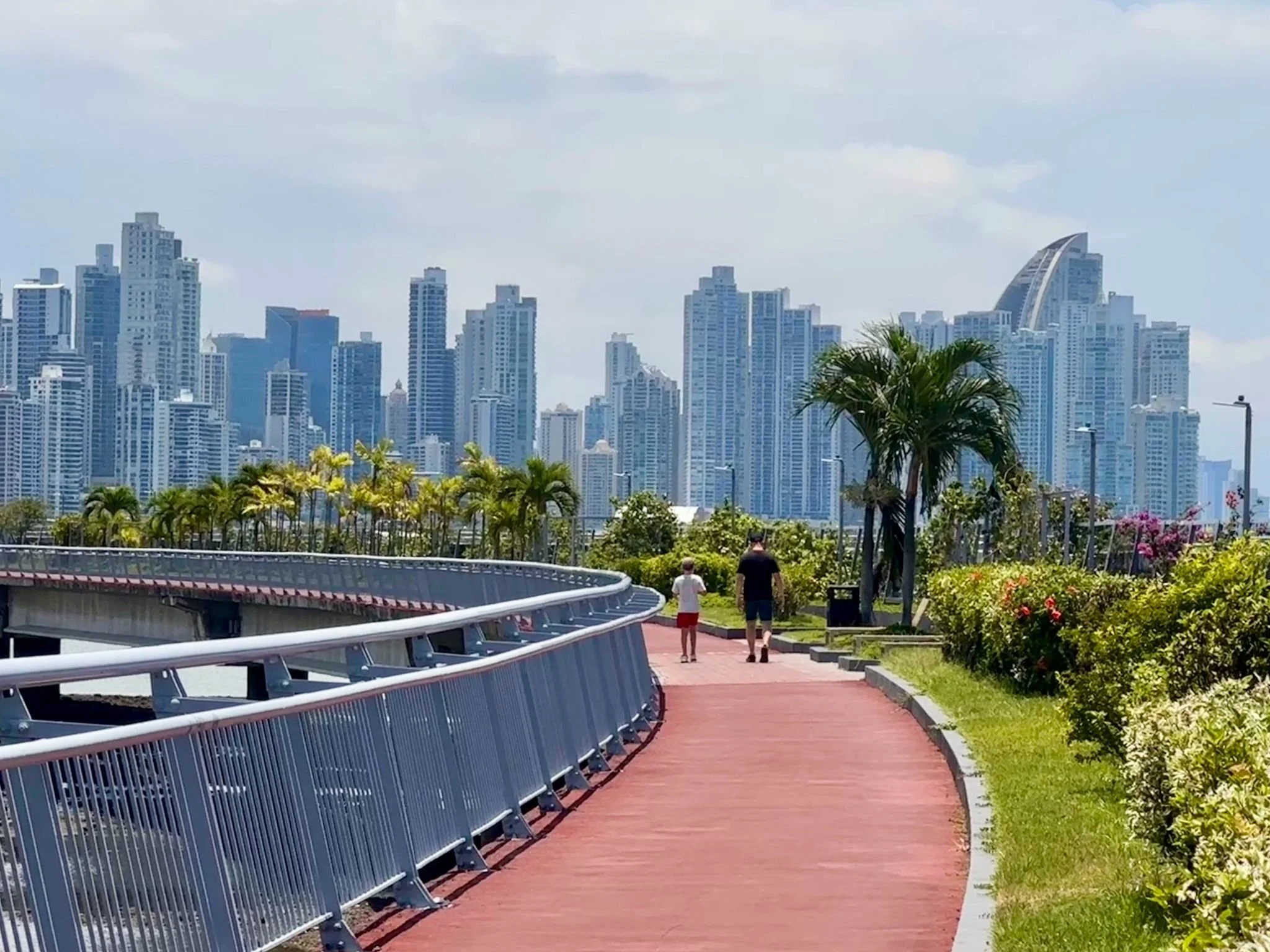
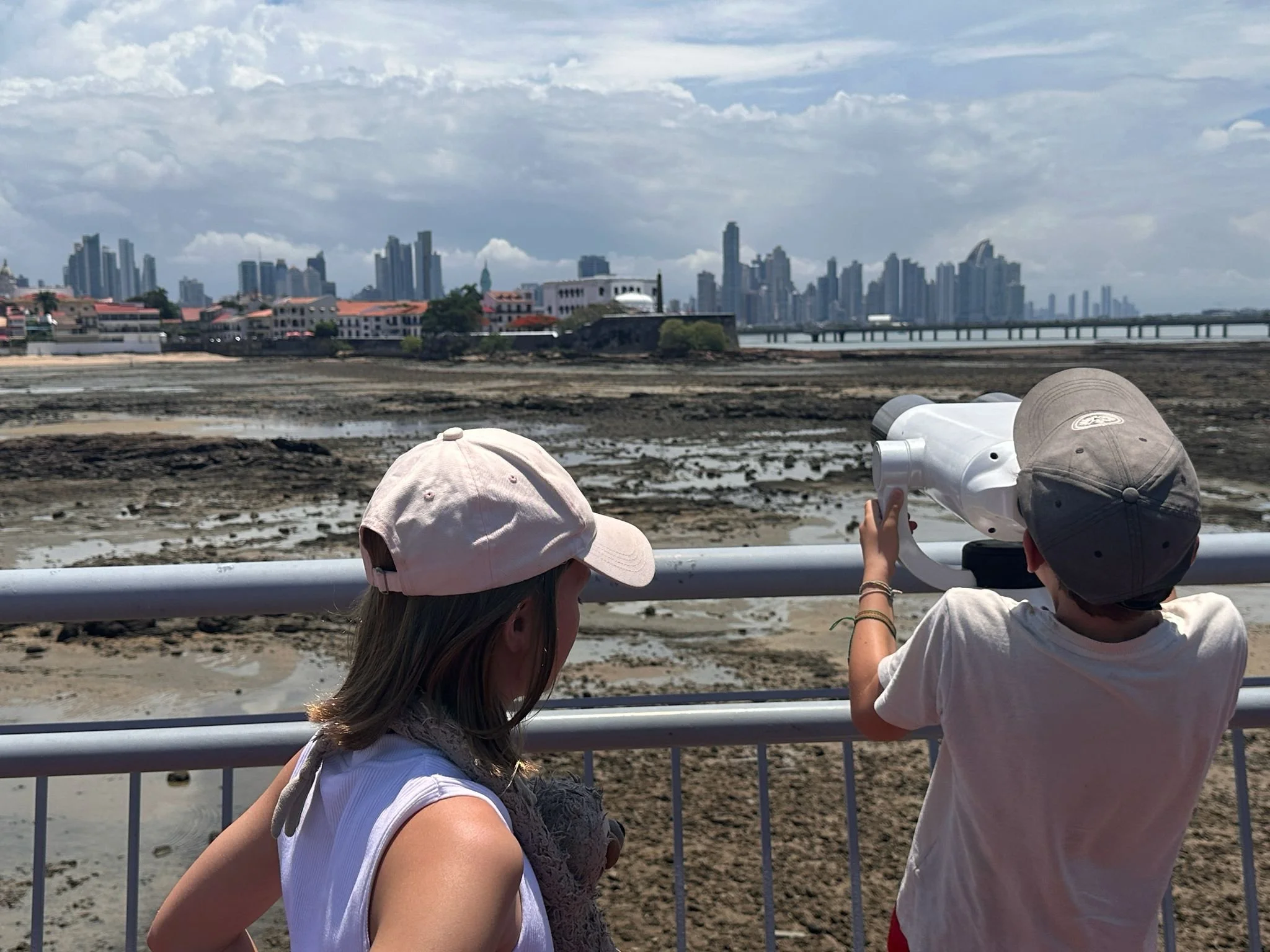
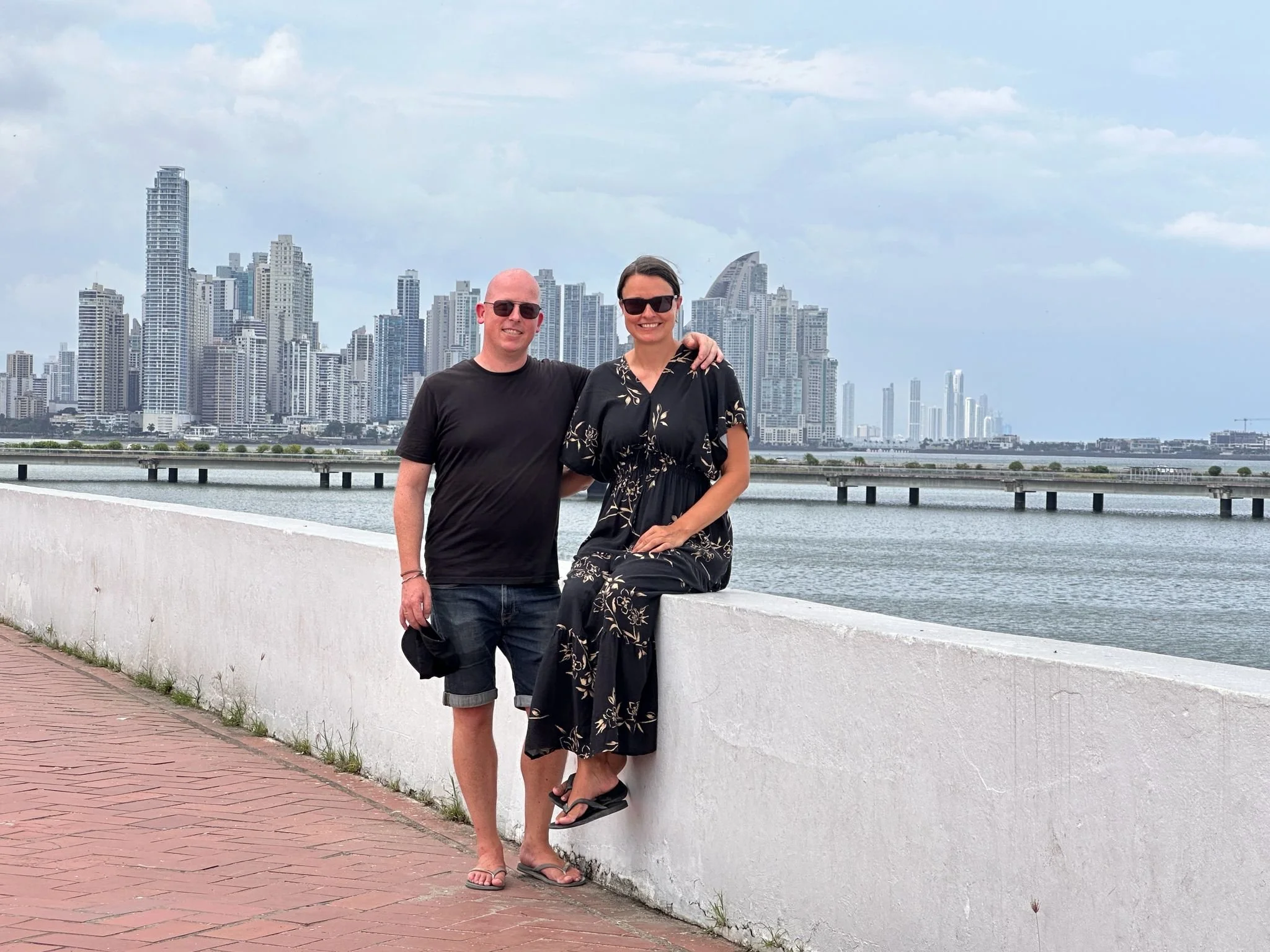
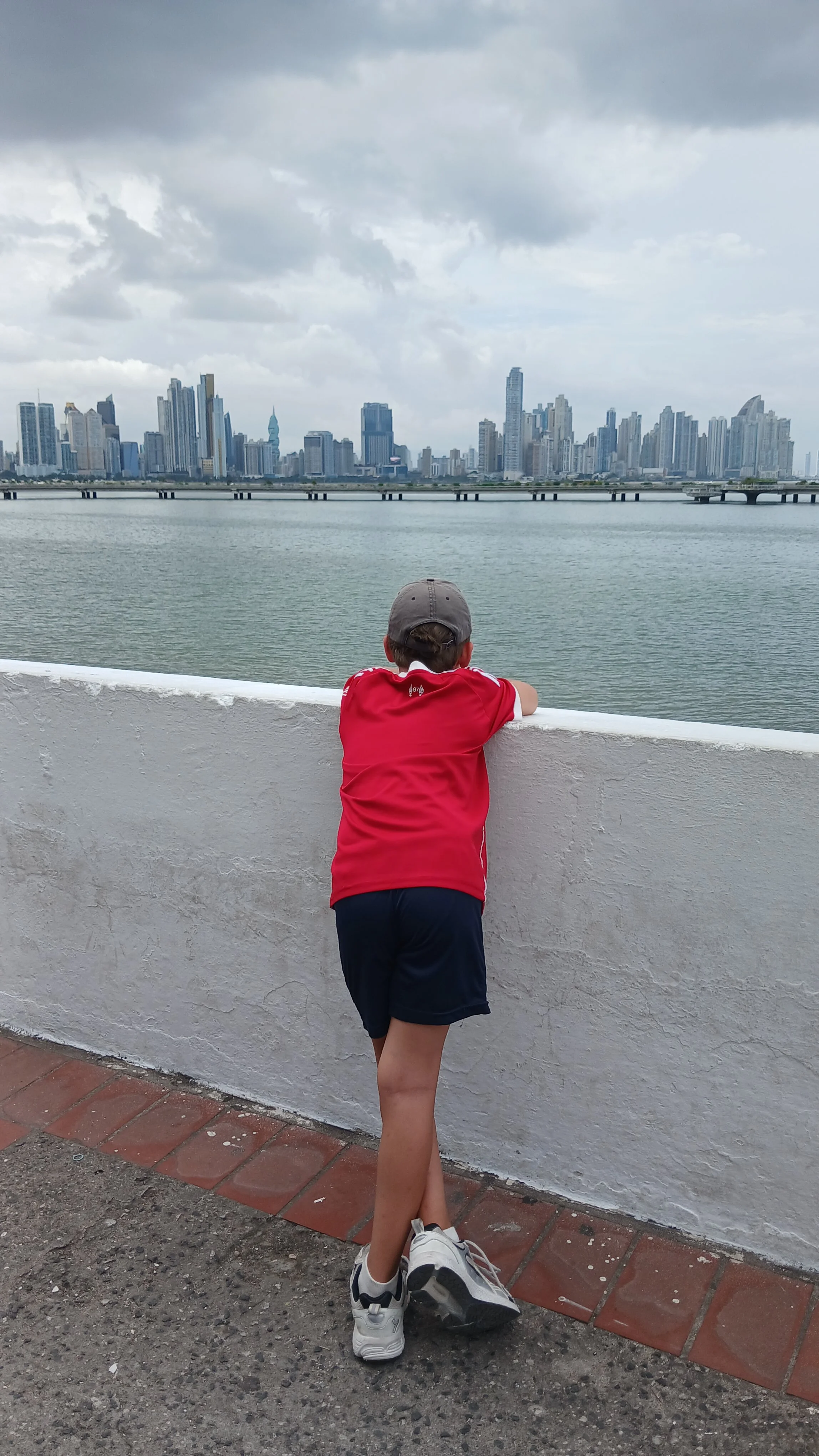
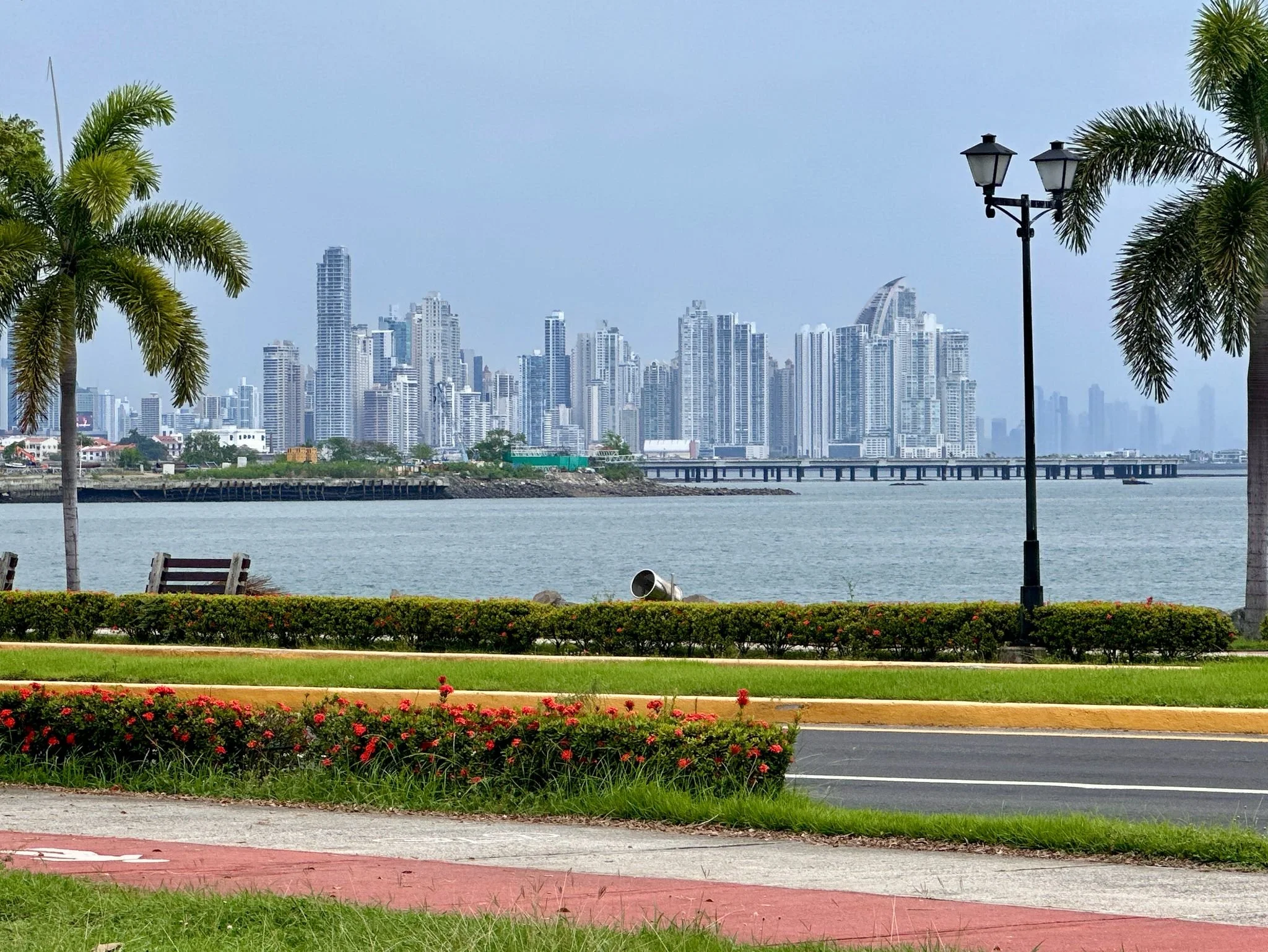
One of the first things you notice about Panama City is its impressive skyline: something rather unexpected for a city in Central America. It visually compares to Miami or Hong Kong, especially when viewed from the Bay or along the Coastal Highway. Modern Panama City is a banking center and a logistics hub, and particularly after the 2000s Panama became very investment-friendly for a wide range of international investors. This reinforces Panama City’s status as a city of contrasts. It’s a very short ride from the colonial buildings at Casco Viejo and the ruins of Panama Viejo to the sheer, seemingly endless strip of skyscrapers. The often unplanned urban growth has not come without critics. Many argue that much of the tower construction serves as underused investment property and acts as a catalyst for inequality rather than meeting genuine local needs. However, the mix of urban rainforests, 16th-century Spanish ruins and colonial architecture makes Panama City fairly unique; few cities in the world combine so many differences within such a compact urban space.
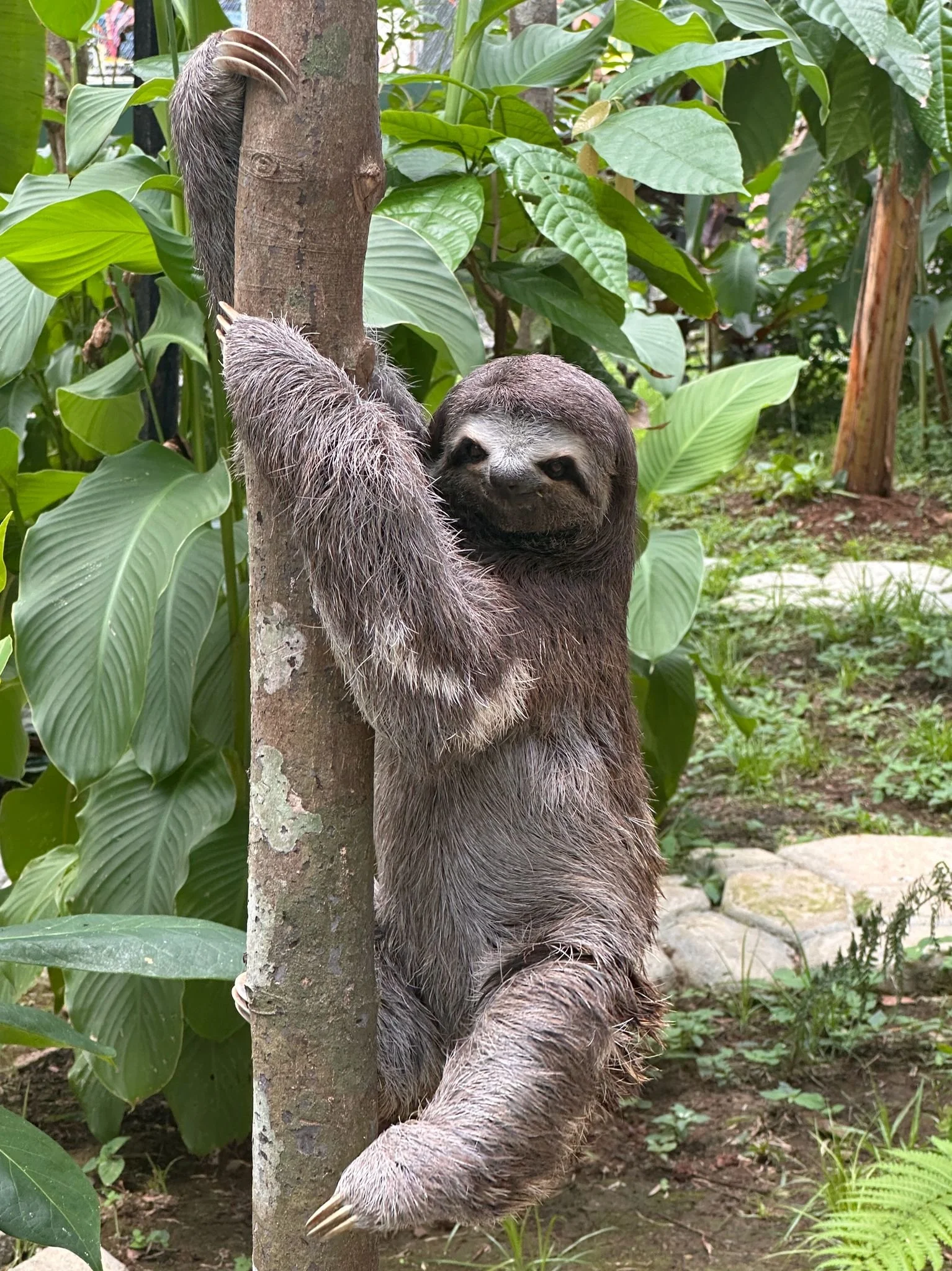
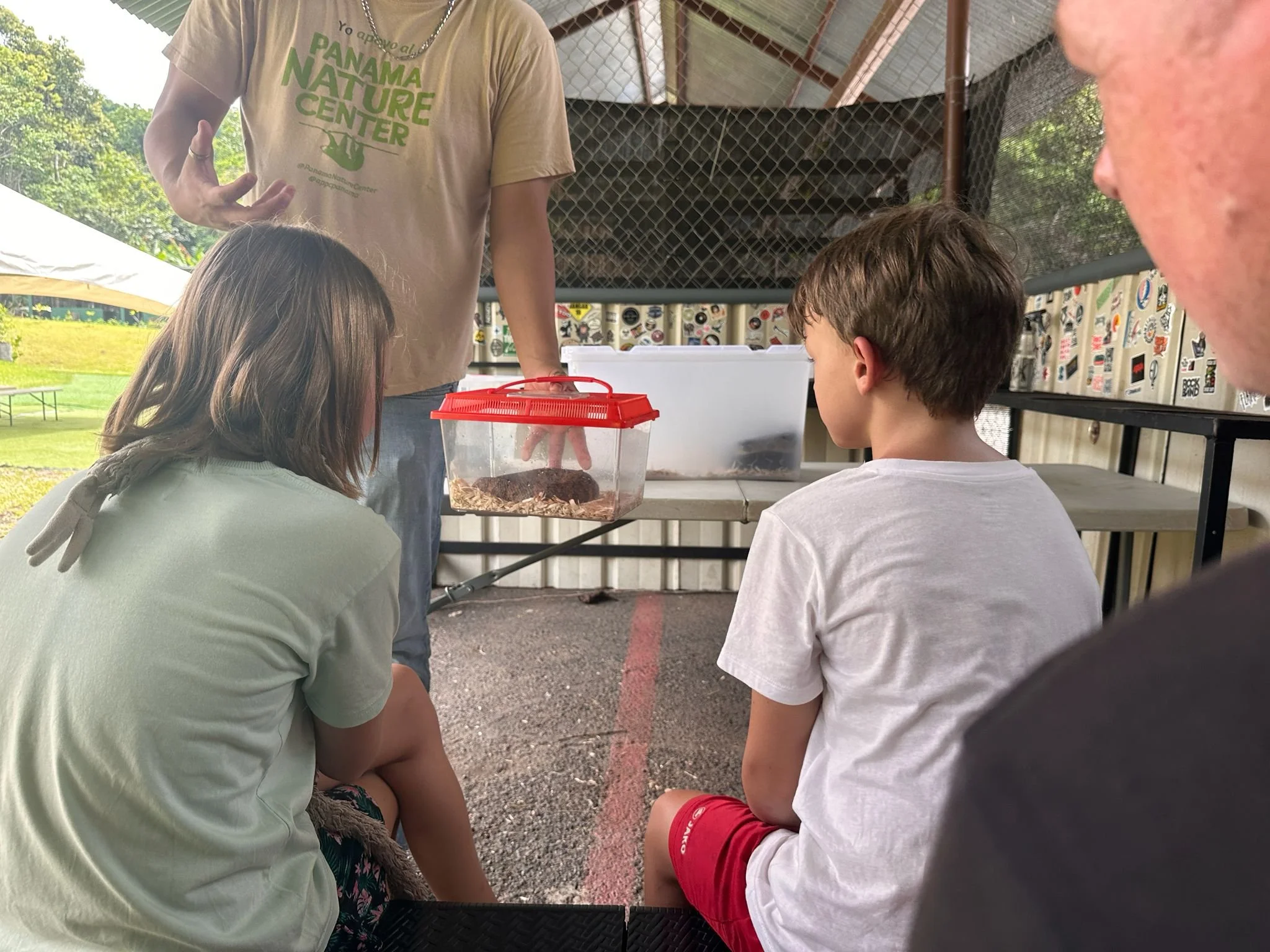
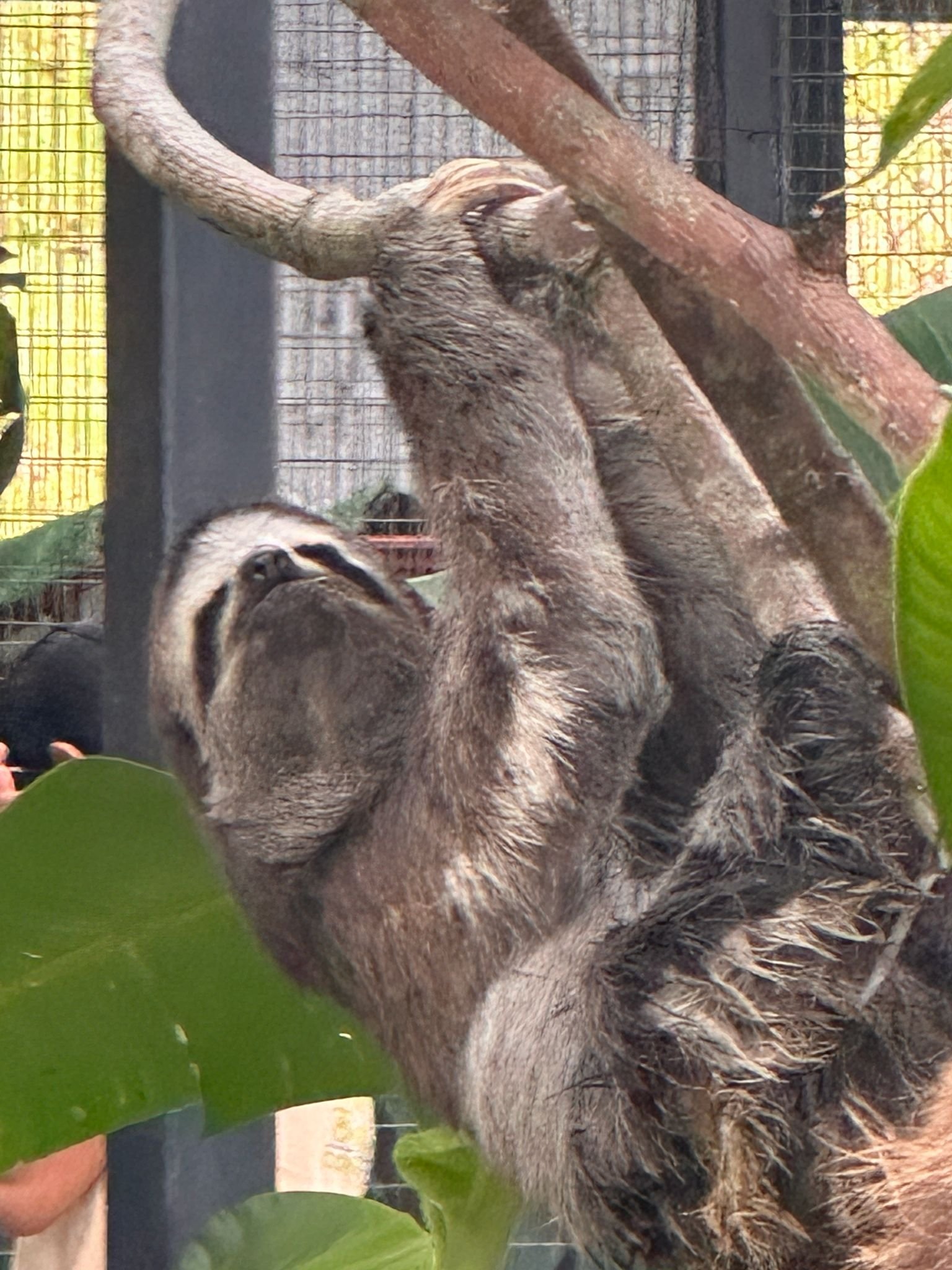
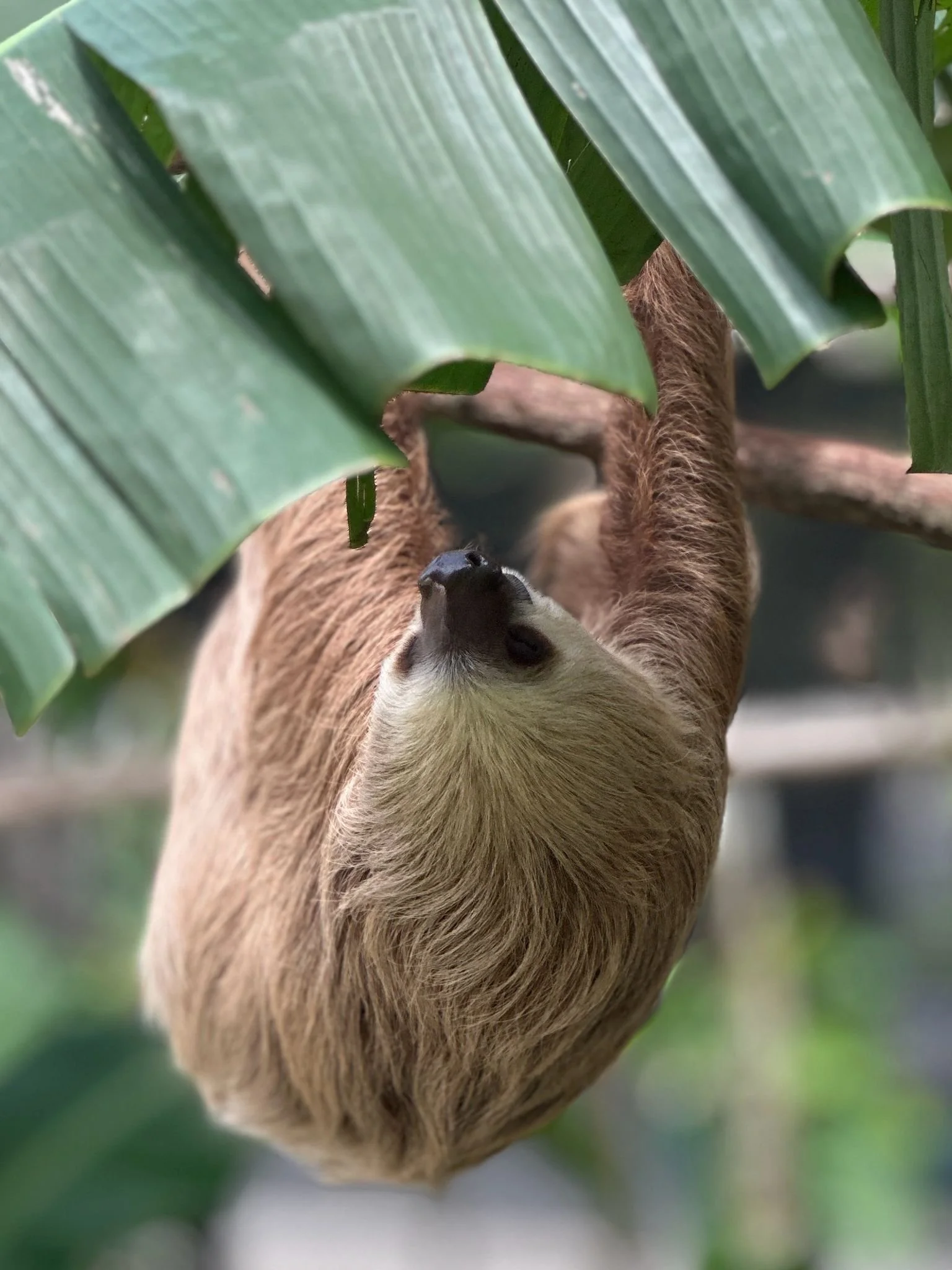
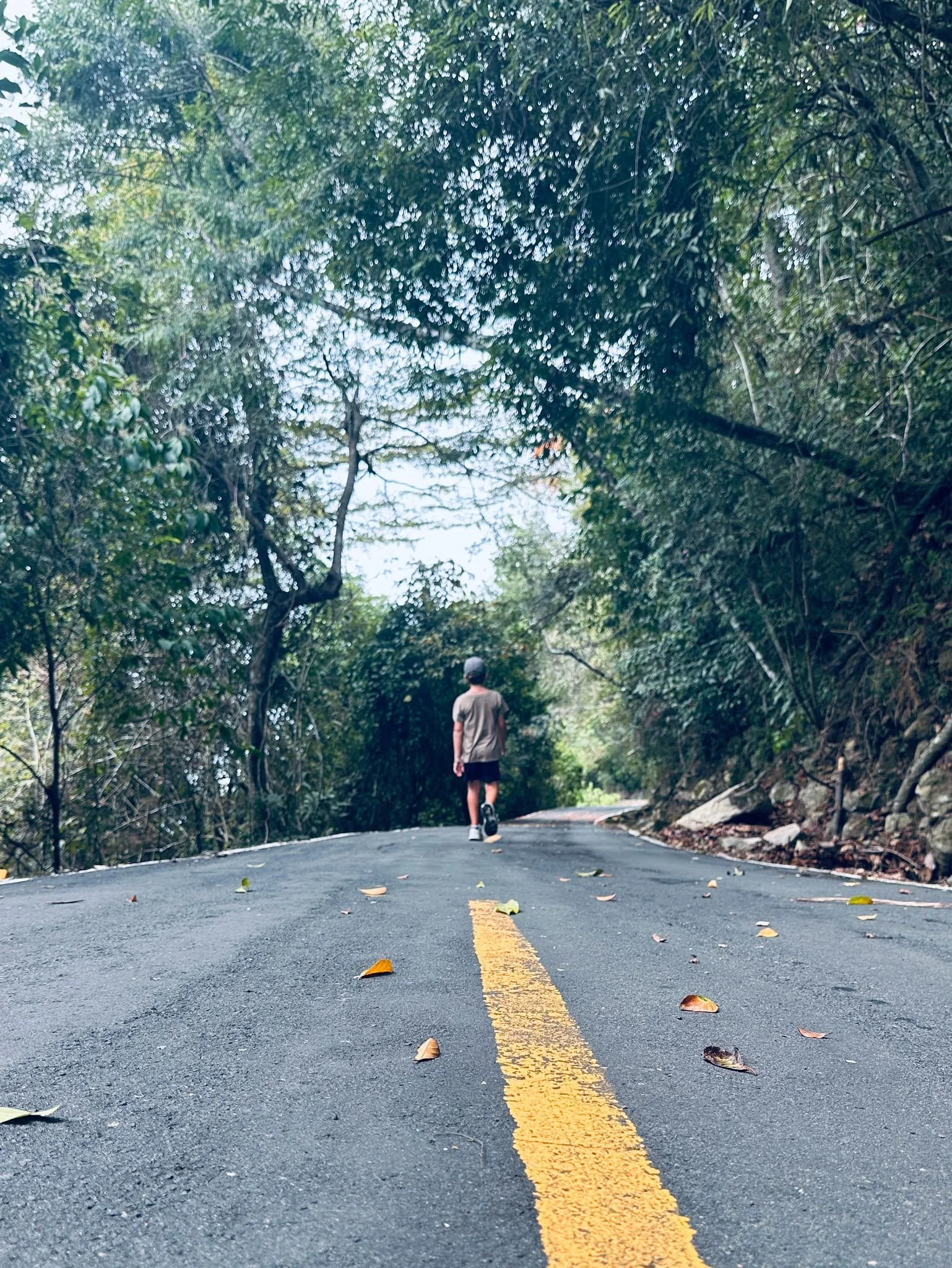
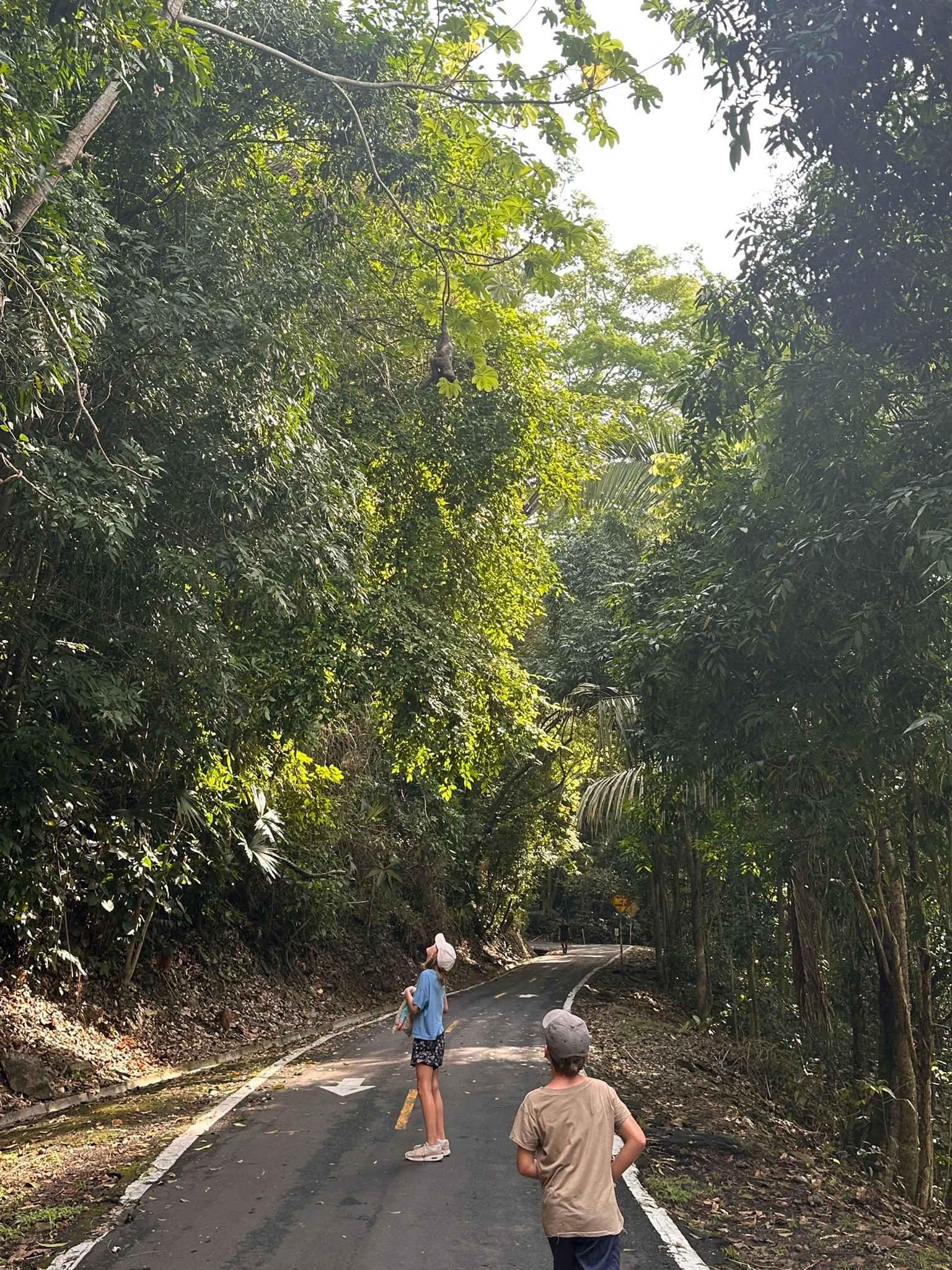
And then there are the sloths! We visited a wildlife rescue center and finally met our first sloths. Not yet in the wild, but housed in a very well-looked-after environment with caretakers who clearly put enormous effort into ensuring the animals are supported on their path back to becoming wild again. It’s a great project that we were happy to support. Panama has many sloths and, unfortunately, as with so many other animals, ongoing urban development by humans is encroaching on their natural habitat. Consequently, more and more animals are being involved in traffic accidents or other unwanted situations that lead to them being brought to rescue centers. Within a few hours, we learned a lot about the different species, their welfare, and the important work the rescue center is doing to help them recover. Only a few days later we walked the Cerro Ancón reserve and finally saw our first sloth in the wild. Near the start of the 45-minute trail, a sloth hung from a tree branch, as if patiently waiting for us to come by and say hello. It was an incredible experience to see these relatively rare animals living freely - a truly memorable sight to behold.
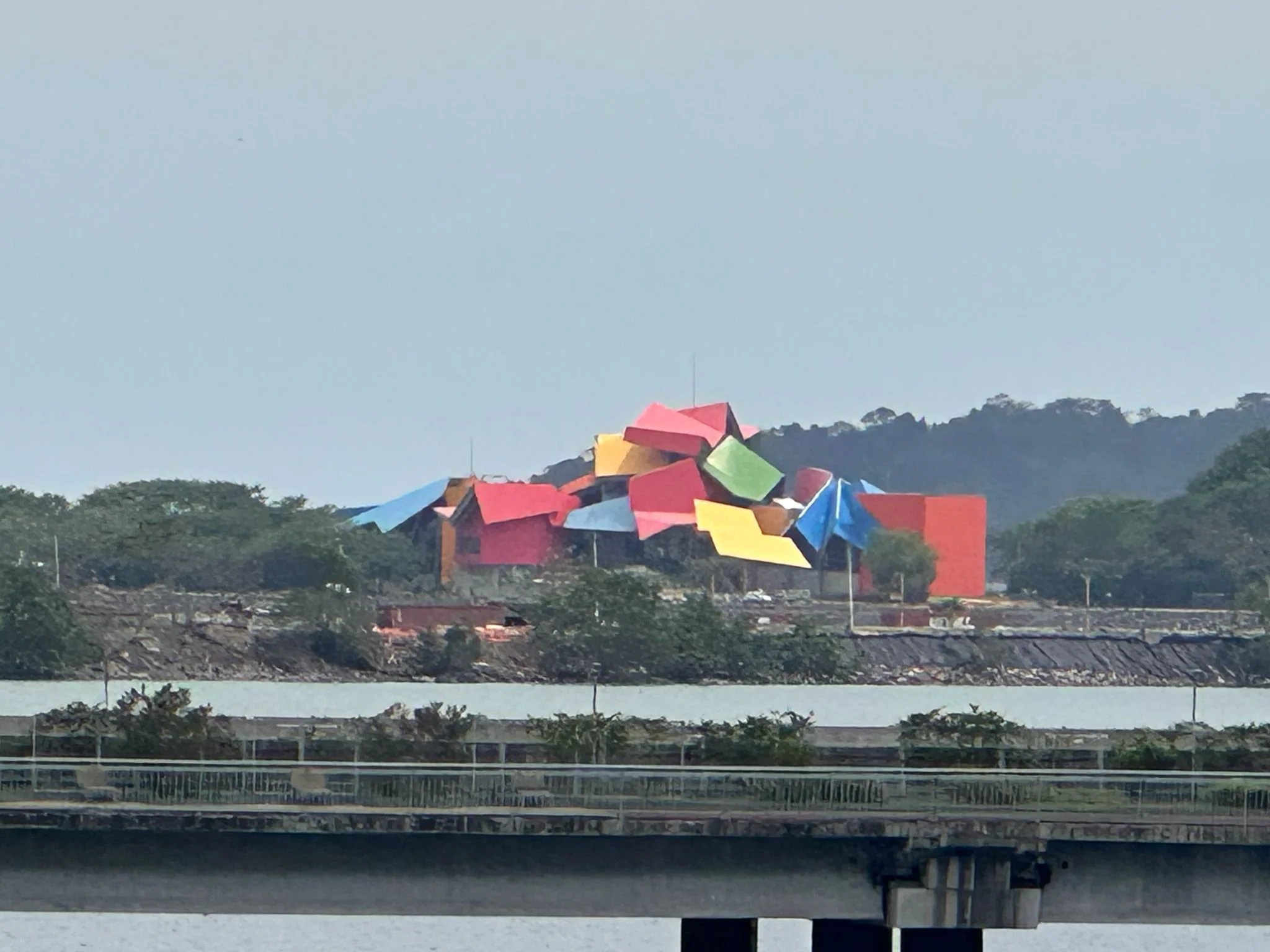
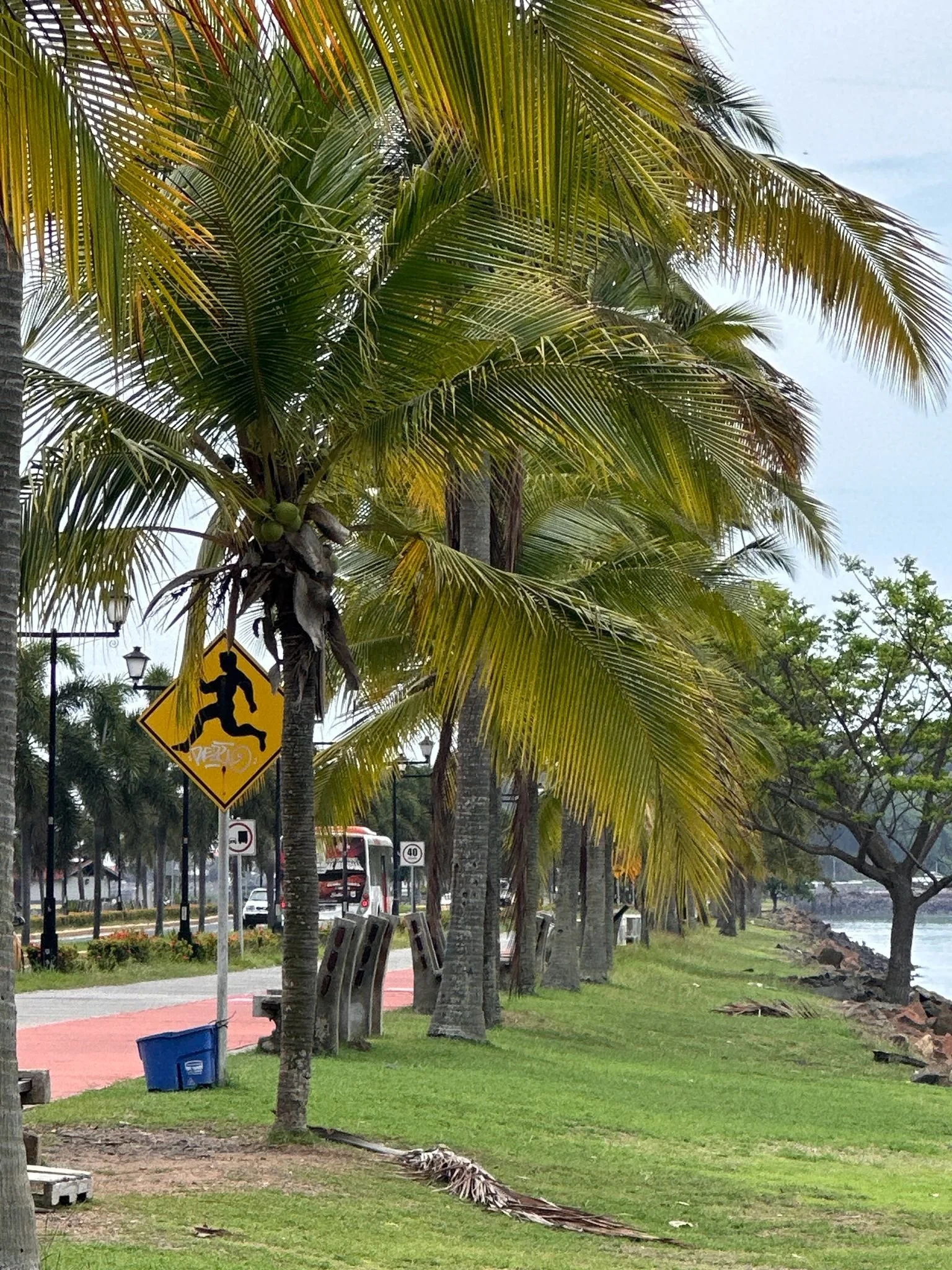
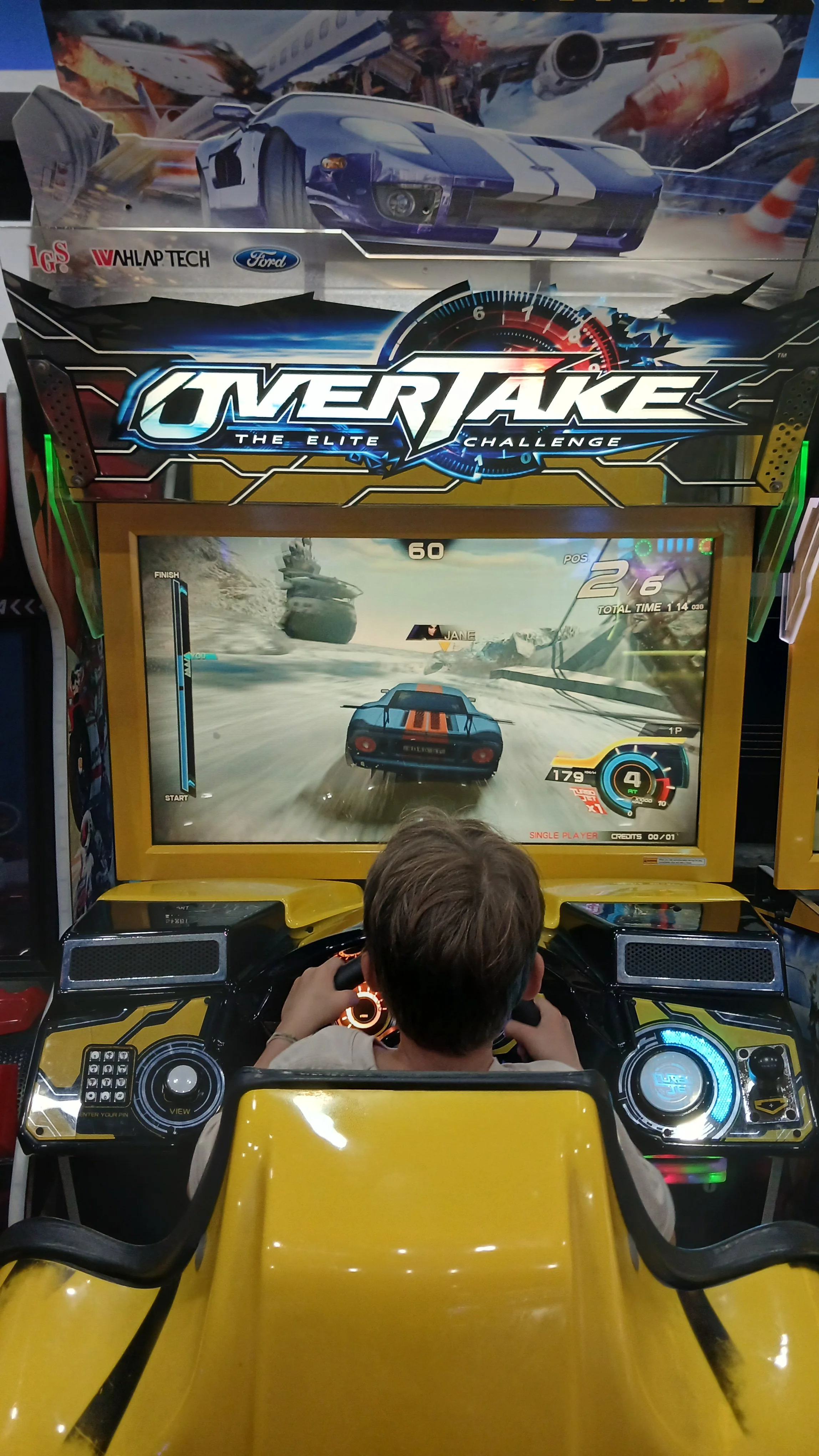
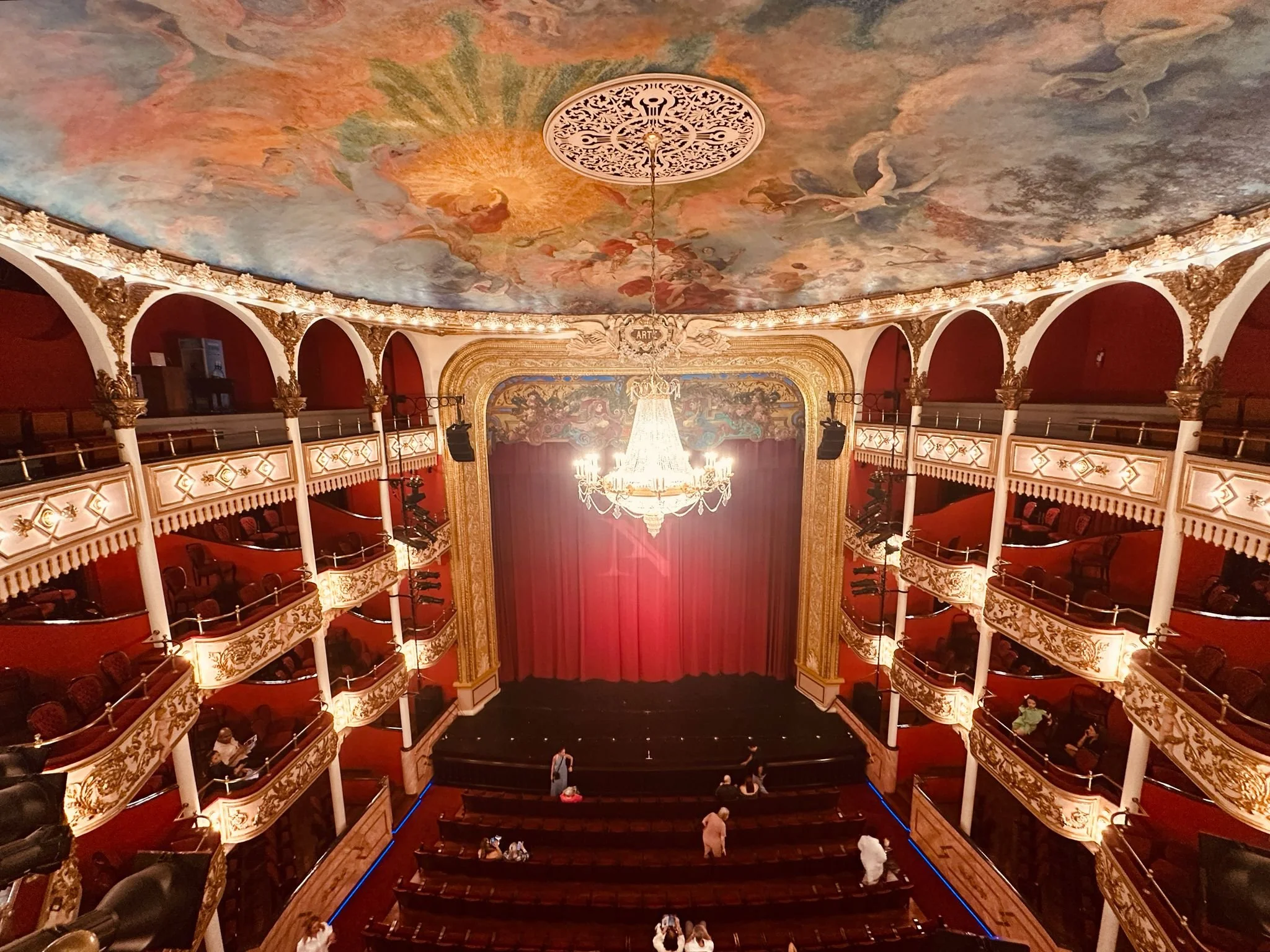
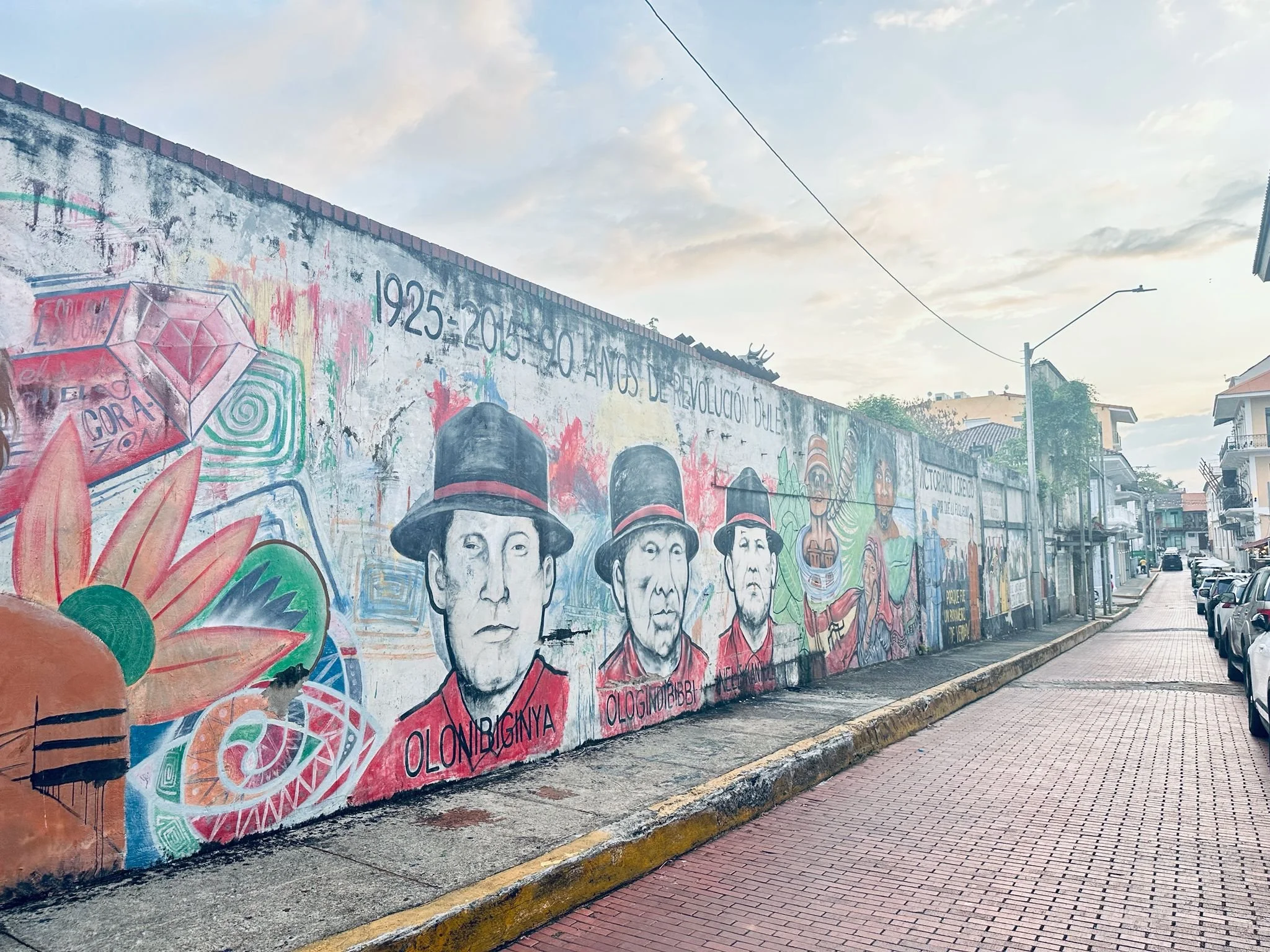
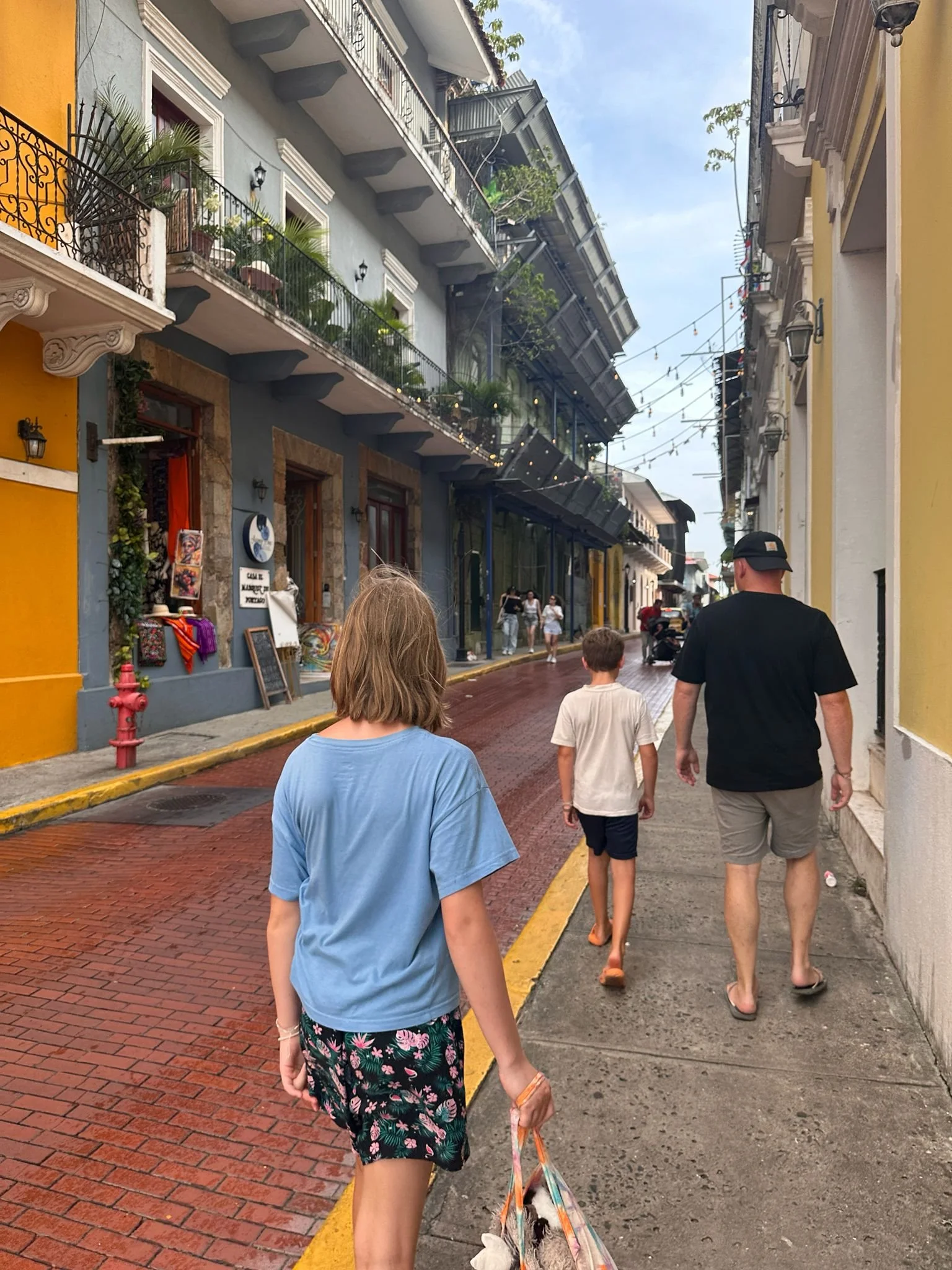
What else? We went to the Biodiversity Museum, which was a great experience. It explains Panama’s geological history -how the land rose from the ocean to form a bridge between North and South America - and how that connection allowed many animals to cross the gap, profoundly shaping the evolution of numerous species. The exhibits showcase Panama’s incredible biodiversity, from lush flora to diverse fauna, and gave the kids another very hands-on learning experience. We took long walks through the old town of Panama, visited a shopping mall to buy new headphones for the children, and Sarah and Leni went to the national theatre to see a musical. Oskar and I preferred to spend some time at an arcade center, playing video games. The occasional split-up and resulting one-on-one quality time has proven to be very valuable for all of us in several cities so far, so we did that once more. I also kept up my running streak that I started in Mexico: there was a great 6 km route conveniently close to our apartment, and I ran it every other day while we were in the city. We also visited the local fish market, sampled a variety of ceviche spots around town, and generally enjoyed the lively “big city life.”
Panama City was the last major city during our journey. Our flight back to Germany is booked for June 3rd and we will now make sure to enjoy these remaining weeks of our travels as much as we can. While I am writing these lines, we are already a week into our next stop at “Playa Corona”. We are here in a small guesthouse, directly at the beach with my favourite place - the hammock- overlooking the Pacific Ocean. It’s a very peaceful place, but I will elaborate on that during my next update. Until then: Be well!