Mexico City, Mexico
Mexico City! North America! Part III of our journey! We left Seoul, South Korea on the 2nd of March and arrived in Mexico just one hour later, after a very long 14-hour flight (with barely any sleep…). We flew eastbound across the North Pacific Ocean, and with a 15-hour time difference between Seoul and Mexico City, we somehow reached Mexico at almost the same local hour we had left Seoul. As twisted as that sounds, our body clocks needed several days to readjust. It’s March 9th now, and while the kids managed to switch to local time fairly quickly, I am still feeling the jet lag a week later. That however, hasn’t changed the fact that we’ve have already seen quite a lot here in Mexico’s biggest city.
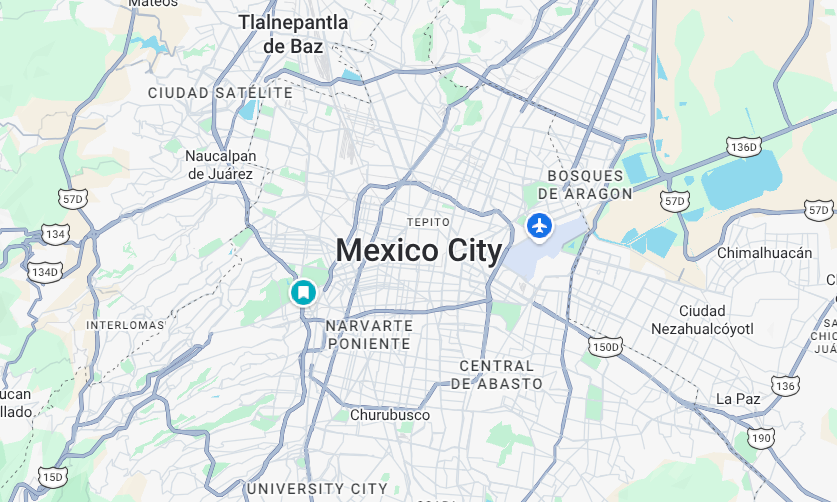
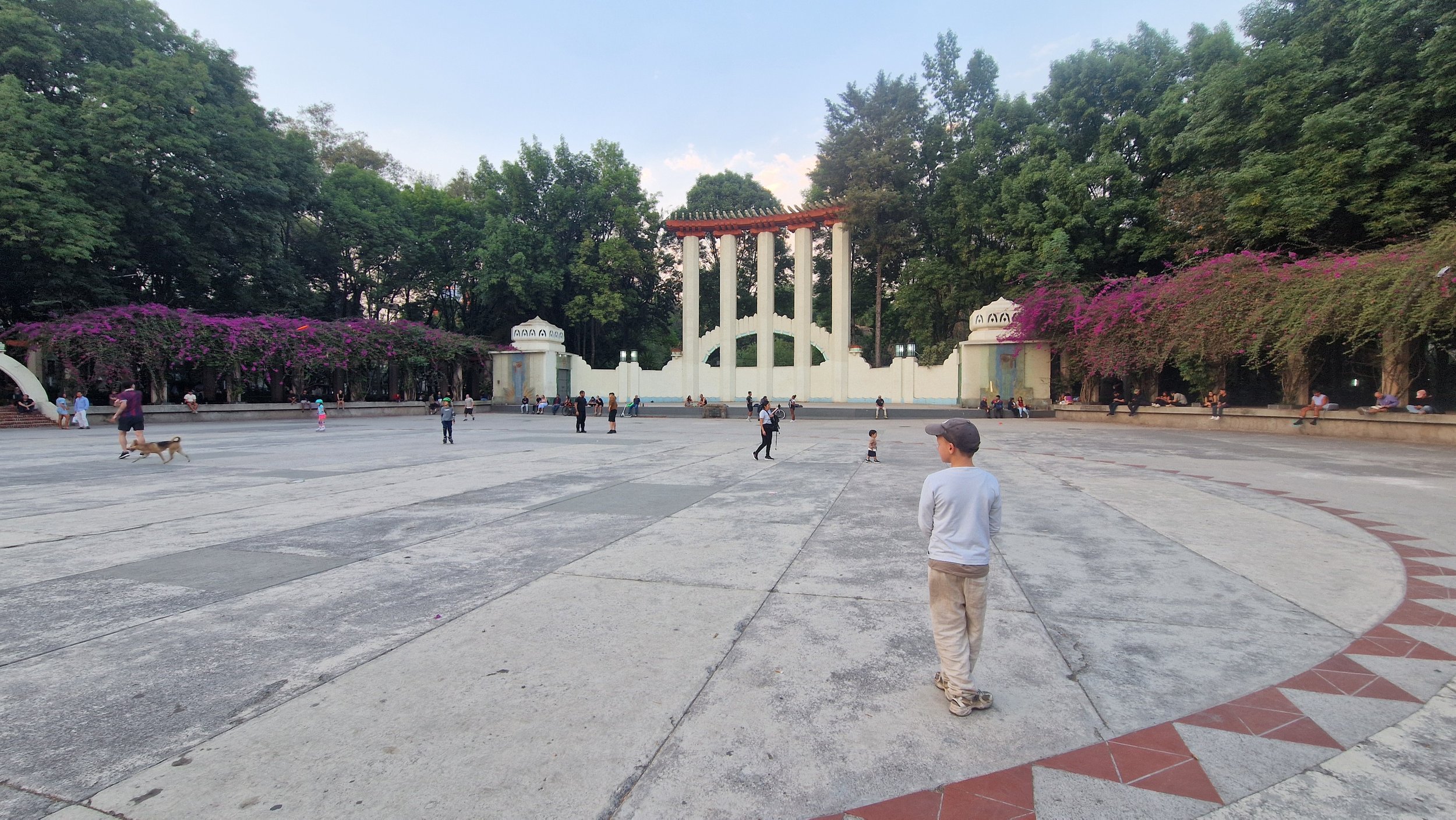
Our Airbnb is located in La Condesa, widely regarded as one of the most attractive and livable neighborhoods in the city. Situated just west of the historic center and bordering Roma Norte and the vast Chapultepec Park, it offered a conveniently central base for our plans. The area is celebrated for its leafy parks, striking Art Deco architecture, numerous cafes and a relaxed urban lifestyle that makes wandering the streets a pleasure. And while our Airbnb might have seen better days, its location was ideal for exploring everything the city has to offer. The neighborhood’s name comes from a Spanish countess who owned land here in the 18th century, hence the moniker La Condesa. Two parks form the heart of the area: The larger Parque México and the smaller Parque España. Parque España proved especially useful during our first week, as we managed to run there almost every morning and took advantage of the outdoor gym for some much-needed exercise. Another distinctive feature of the neighborhood, obvious on sidewalks and in the parks, is its canine culture: La Condesa is often called the dog capital of Mexico City, where you’ll commonly see dog walkers with several dogs enjoying the green spaces and tranquil streets.
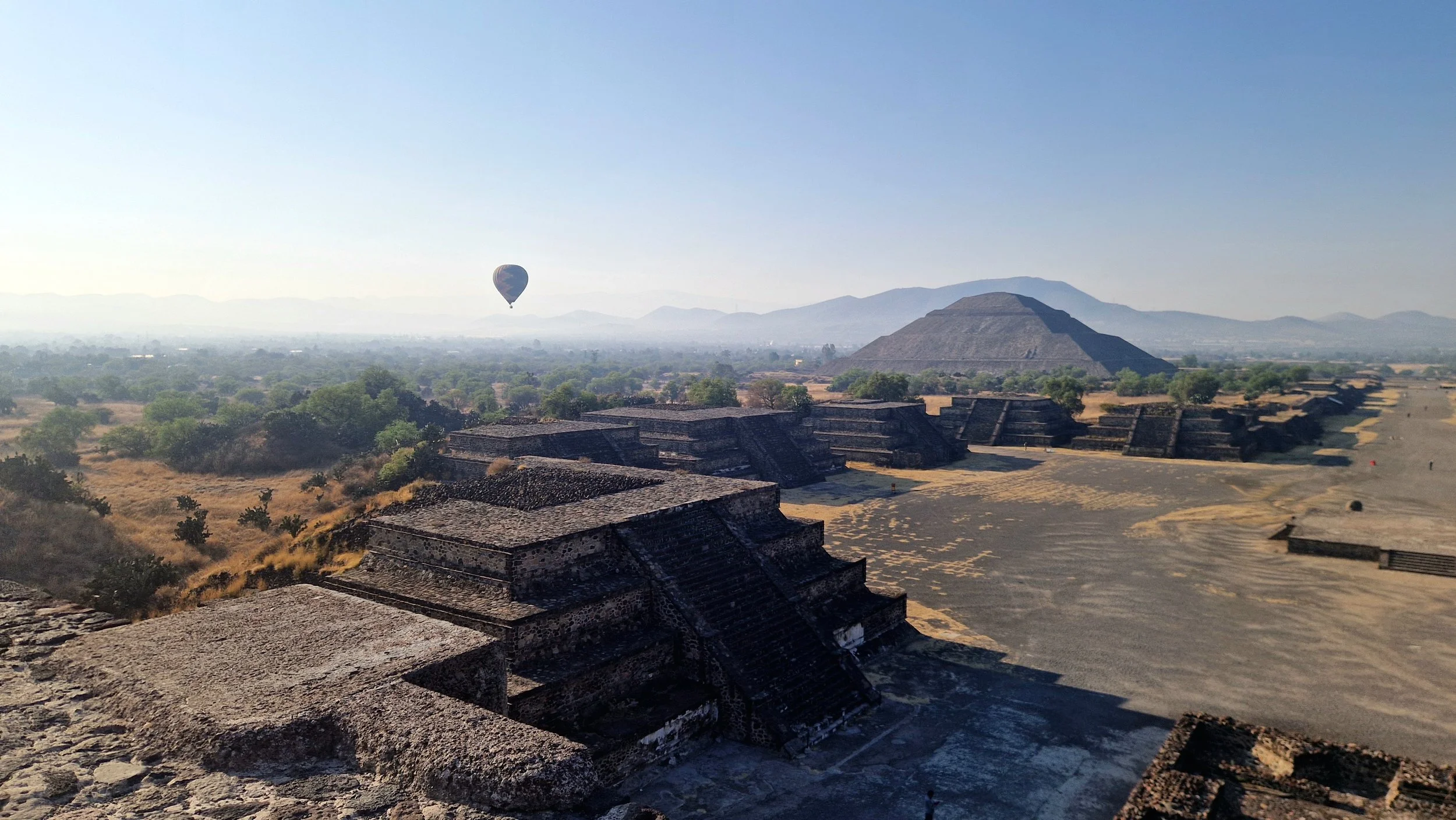
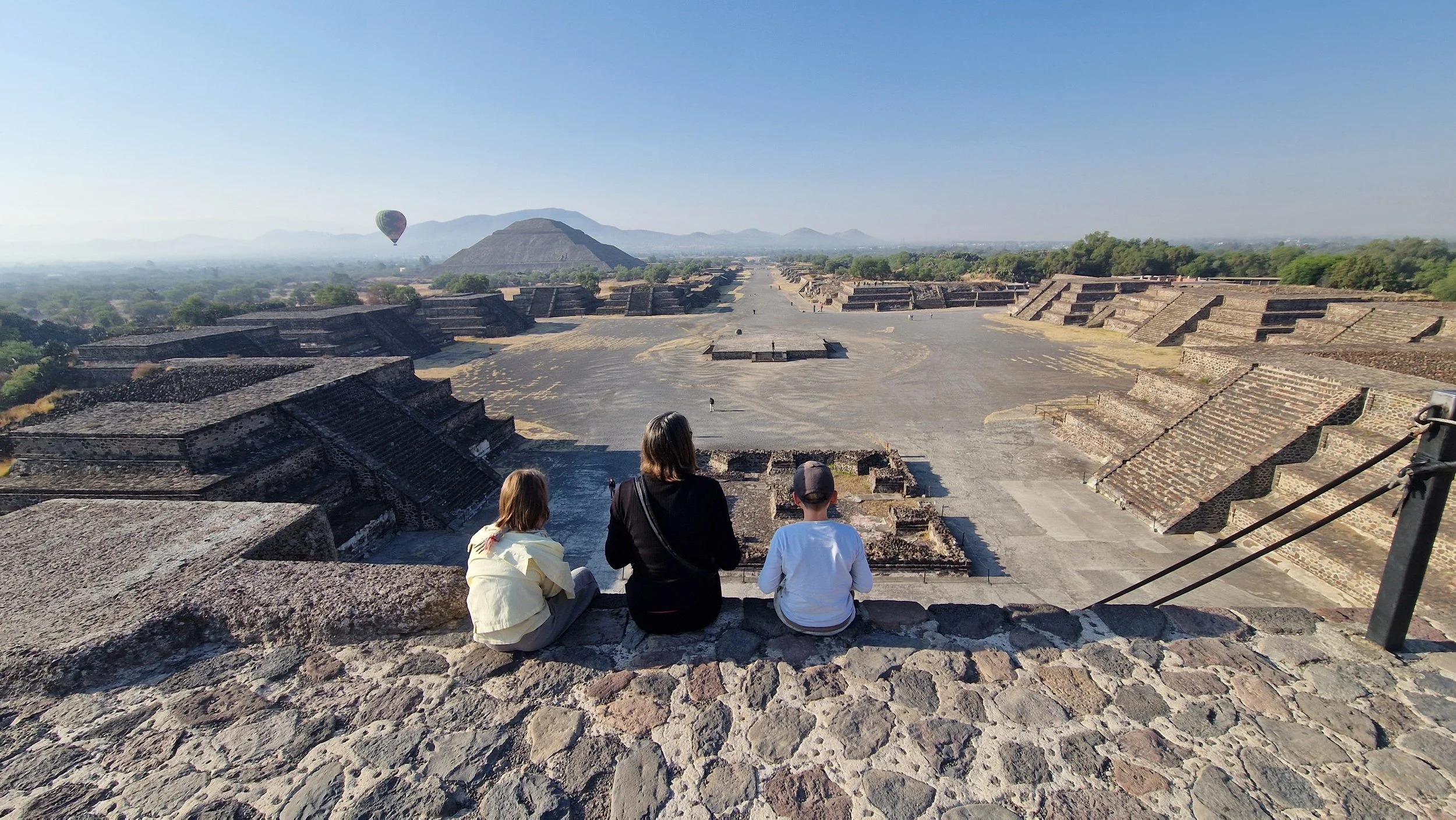
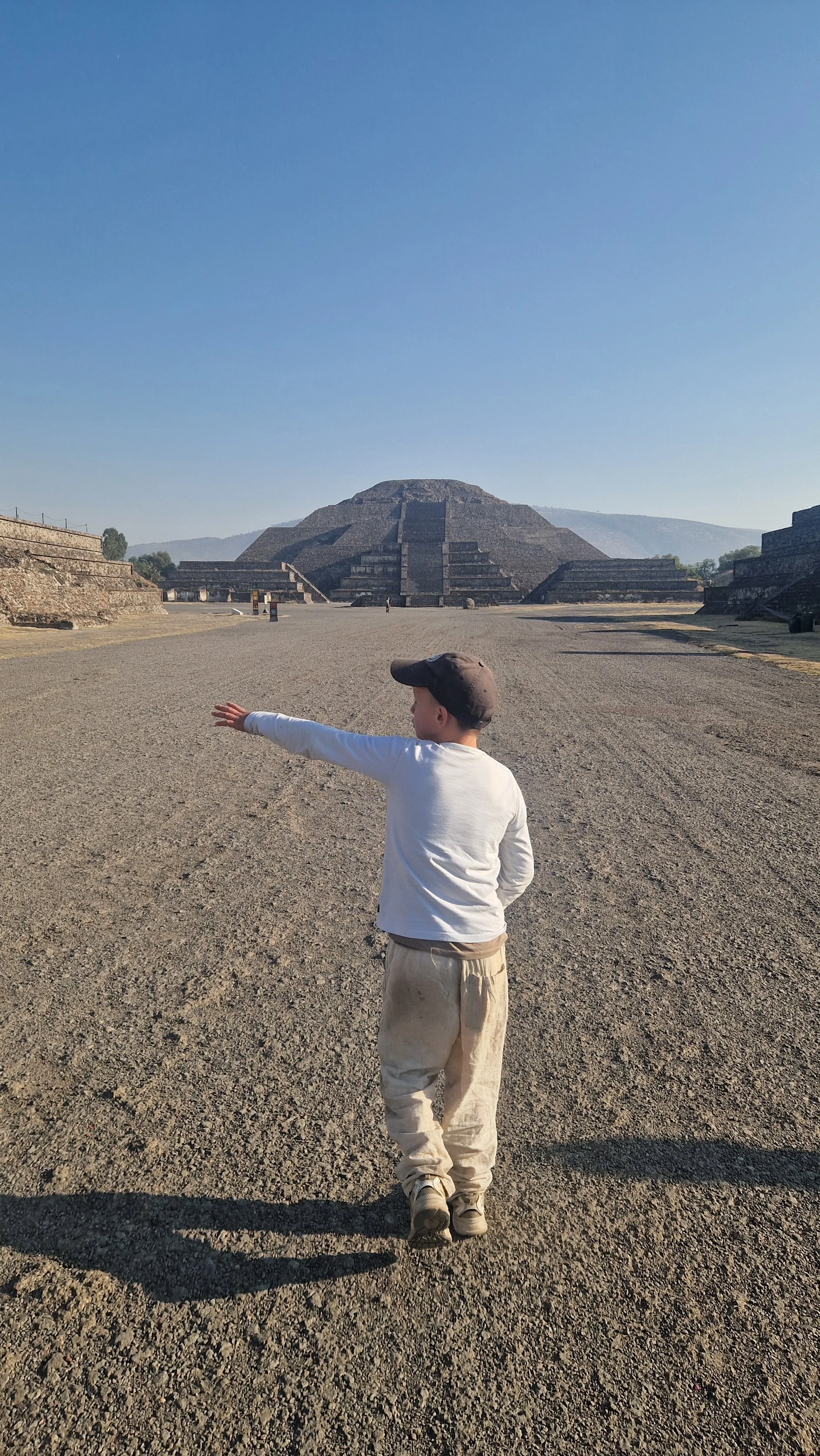
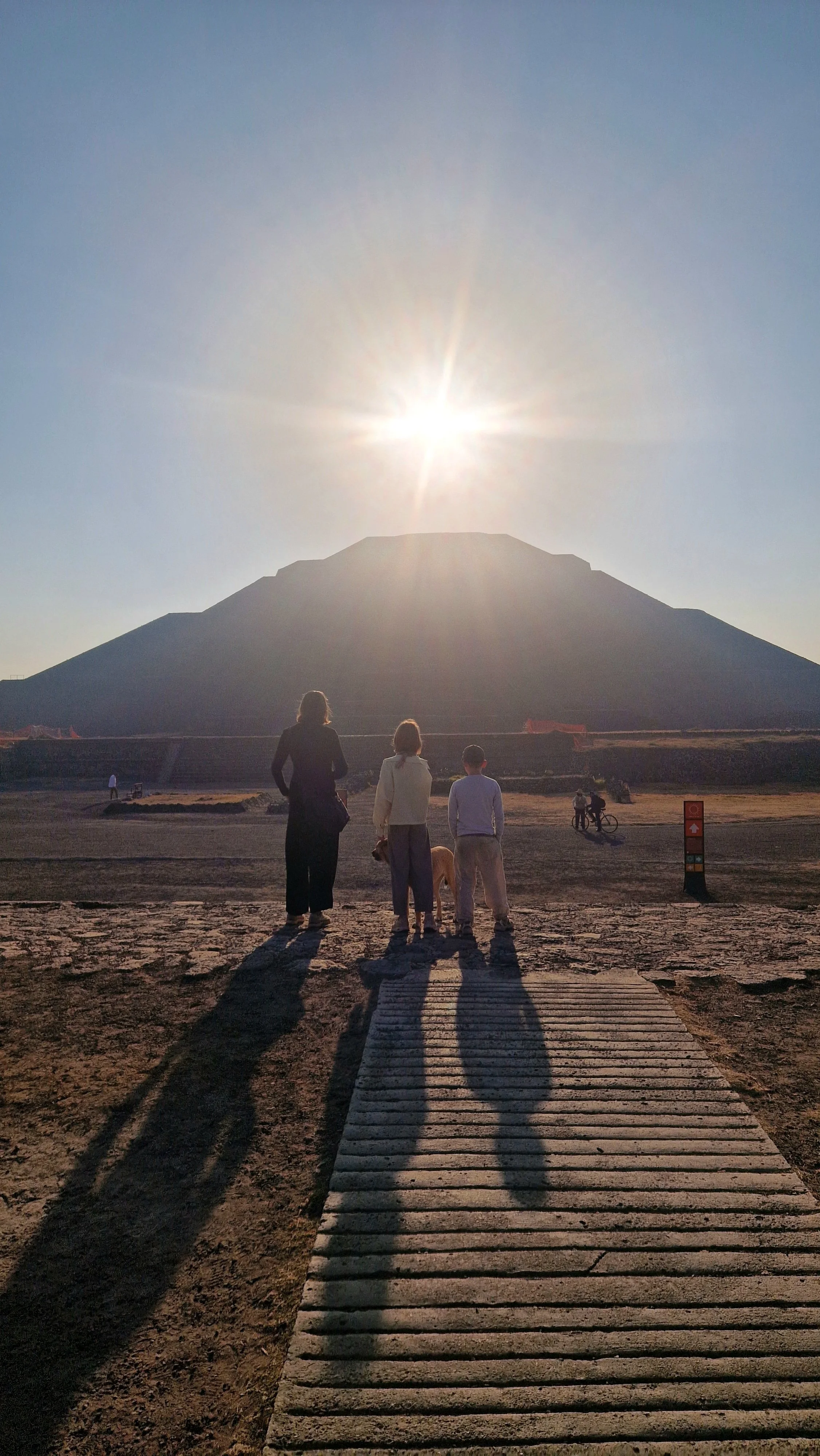
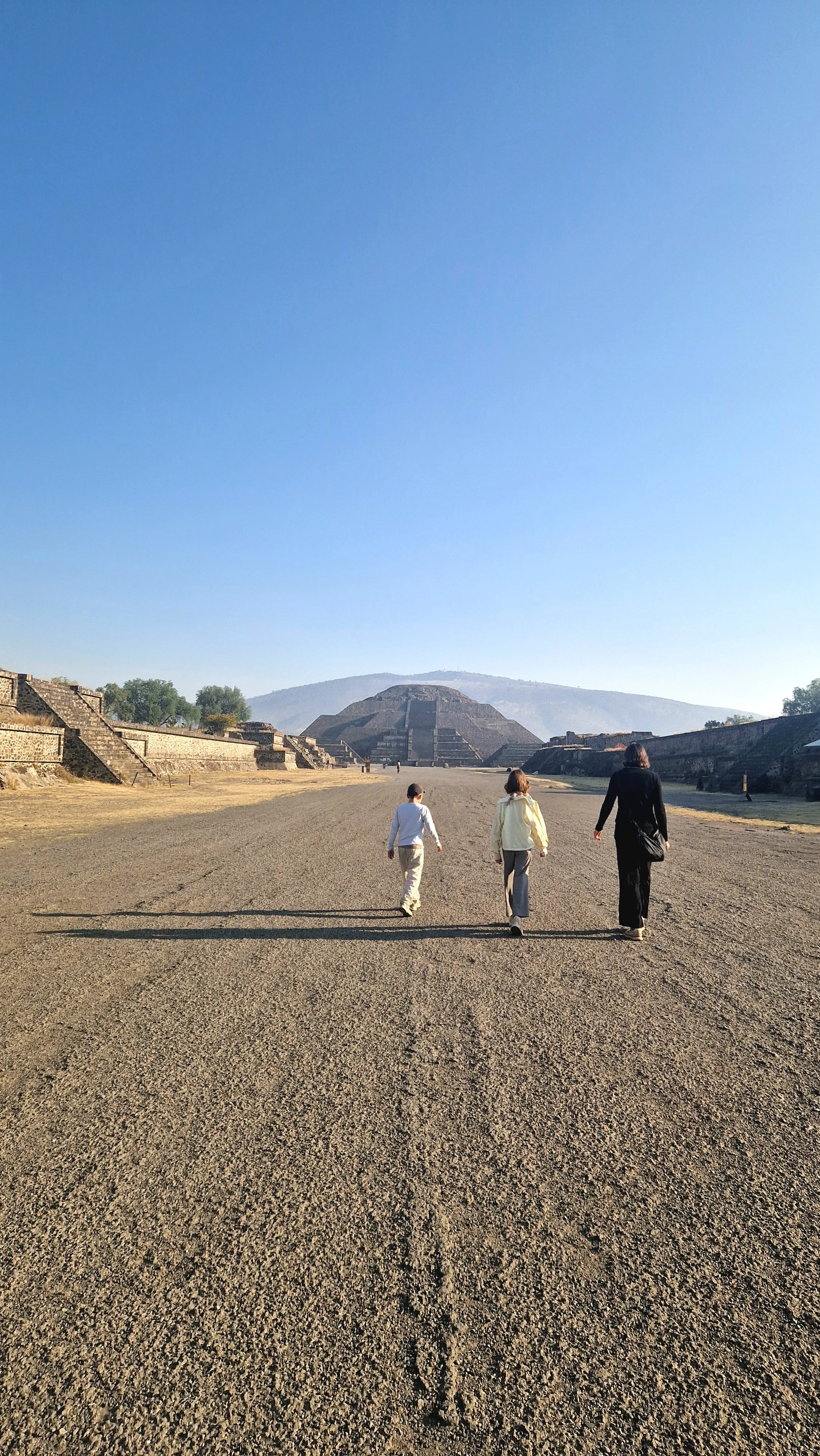
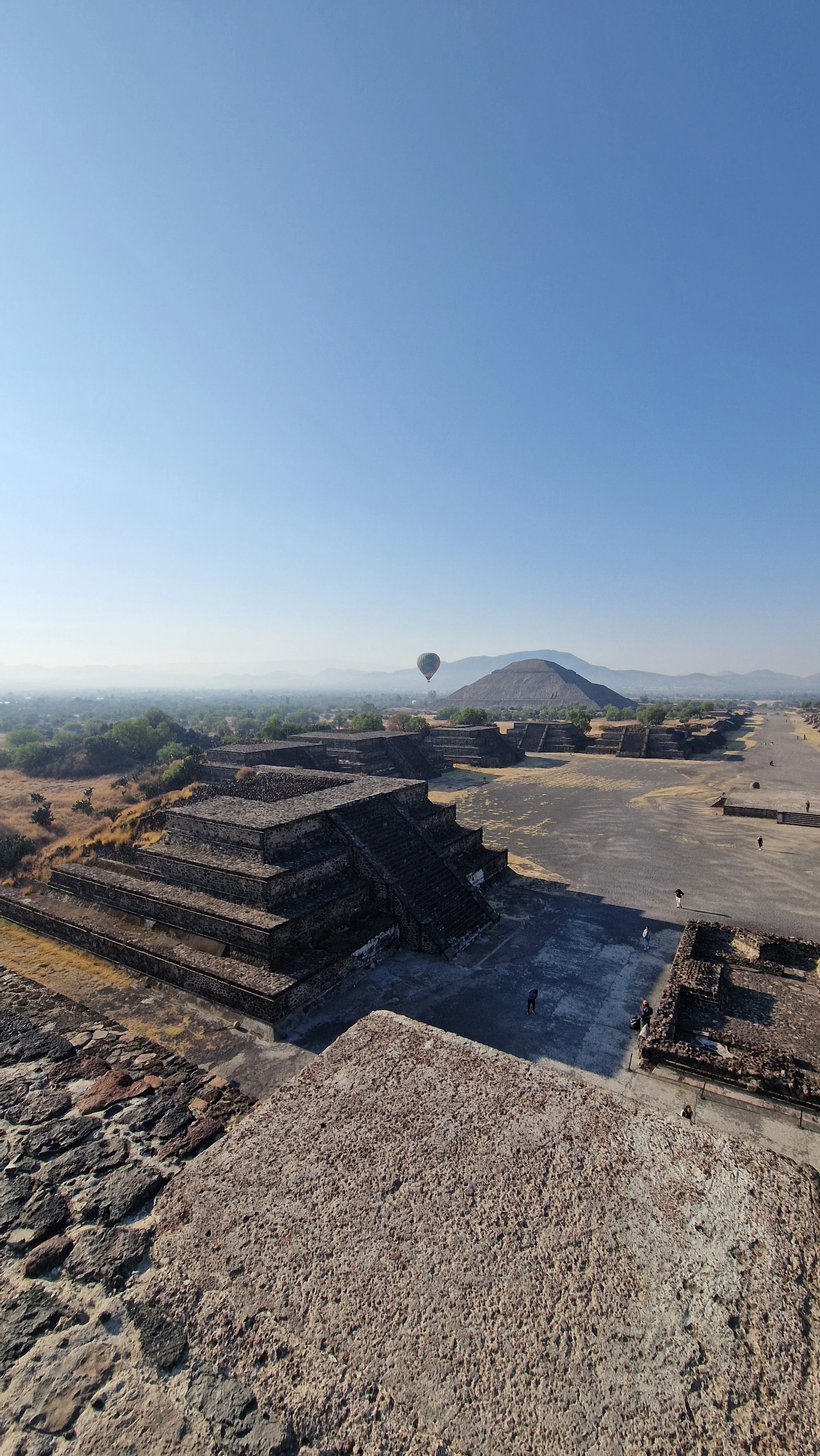
Once we recovered from the worst of the jet lag, we were already rewarded with a highlight at the very start of our trip. Teotihuacan! The Sun and Moon pyramids, located just an hour’s drive outside Mexico City, belong to one of the most important ancient cities in the Americas. Teotihuacan was constructed roughly between 100 BCE and 550 CE and, at its height, is estimated to have housed between 100,000 and 200,000 people, making it one of the largest urban centers in the world at the time. The city was carefully planned around a central ceremonial avenue known as the Avenida de los Muertos, or the Avenue of the Dead. Even today, it is not precisely known who originally built these impressive monuments, though scholars agree that the Aztecs encountered the ruins of this vast metropolis long after its collapse. Researchers believe the city was abandoned sometime between 550 and 650 CE, but the exact reasons remain debated. The most widely accepted explanation points to internal social unrest and rebellions triggered by environmental stress and prolonged drought, which together likely undermined the city’s stability. The site opens at 8 in the morning and we made sure to be there prior to the opening, in order to avoid the masses of tourist arriving with buses from Mexico City. During the first half hour, we were almost alone at the site which allowed us to climb the Sun Pyramid and have a beautiful view along the empty Avenida de los muertos. We spent some good three hours at the pyramids, before we grabed an Uber to the small village of Teotihuacan where we had some nice tacos for lunch.
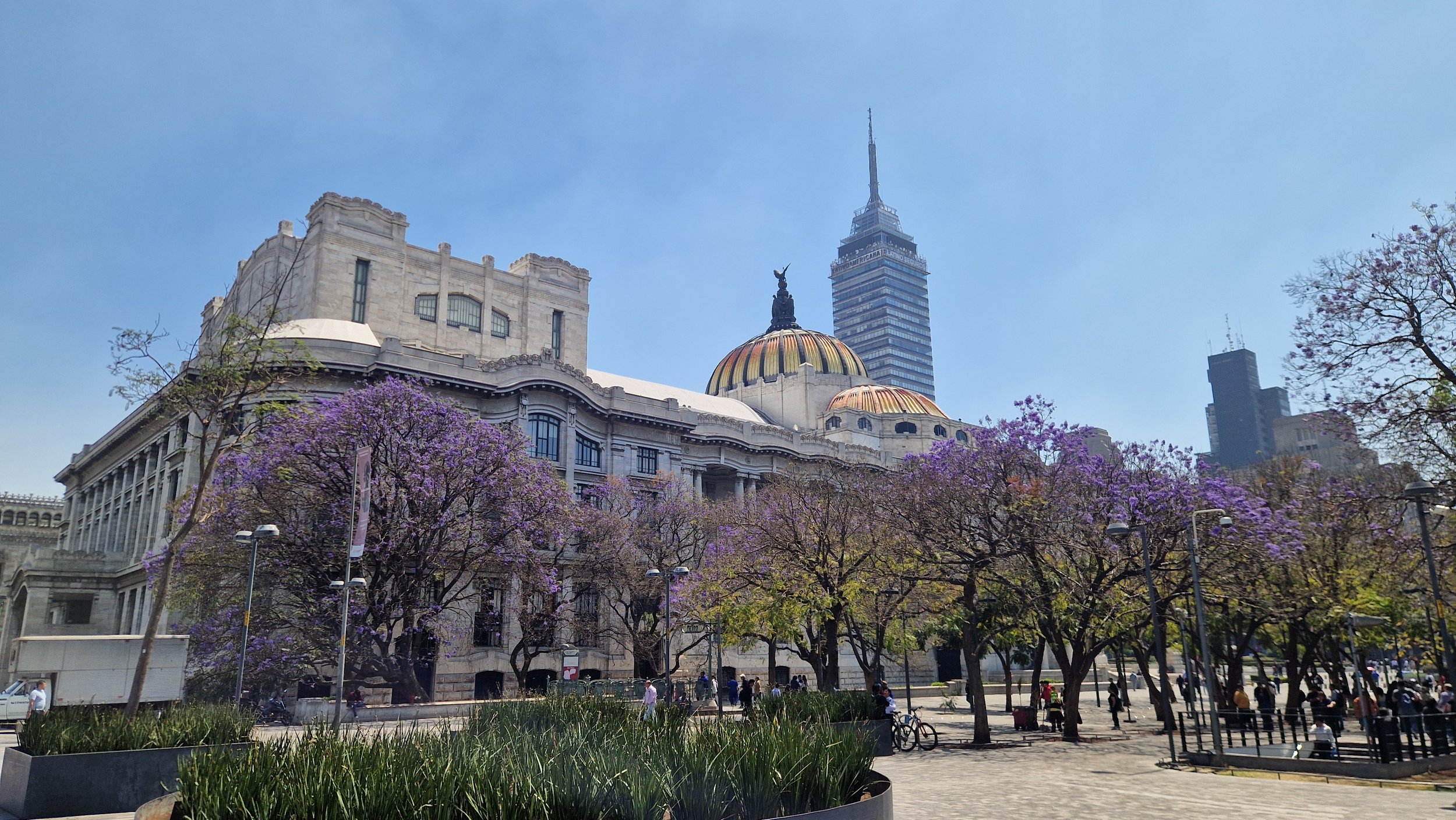
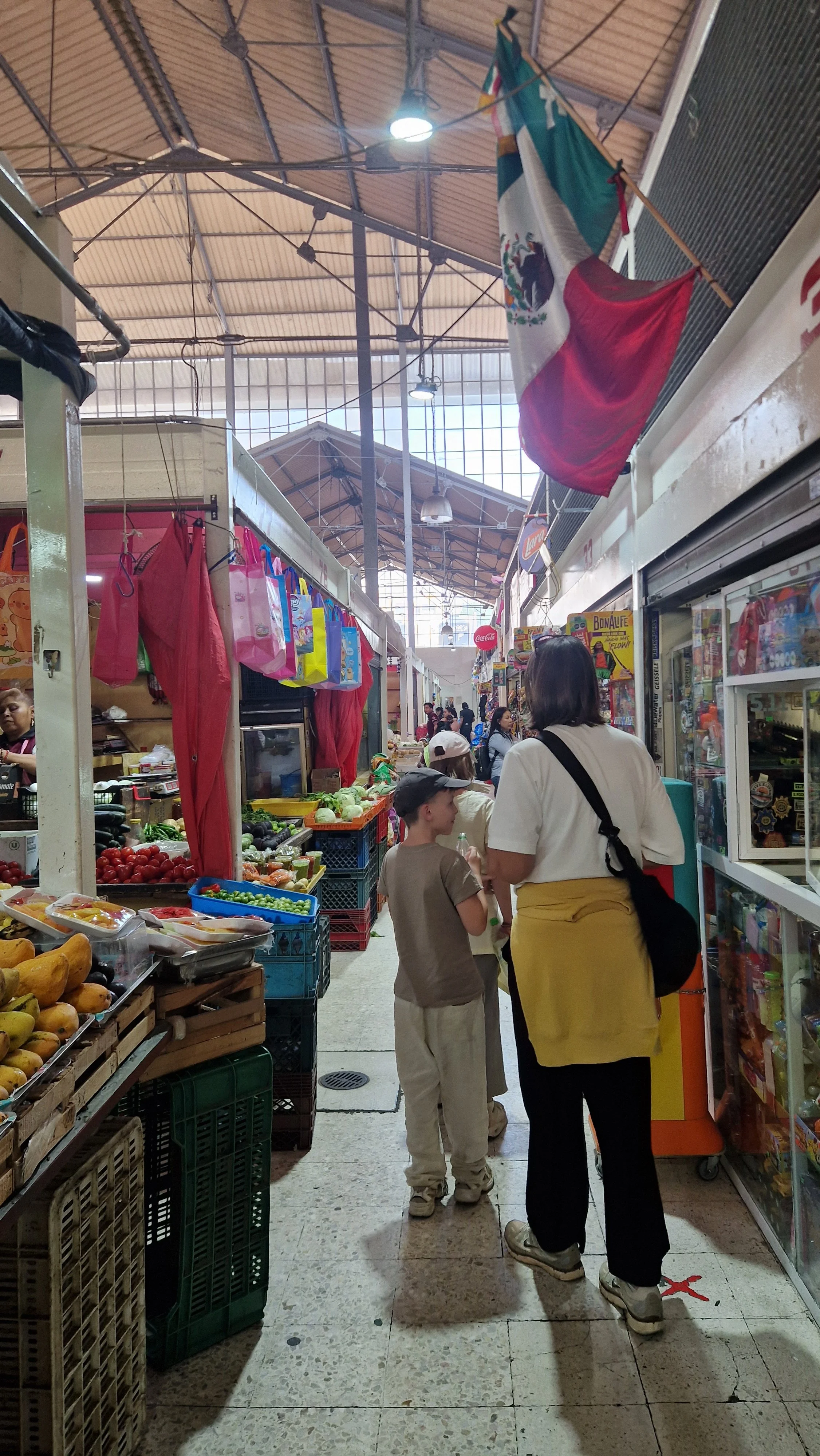
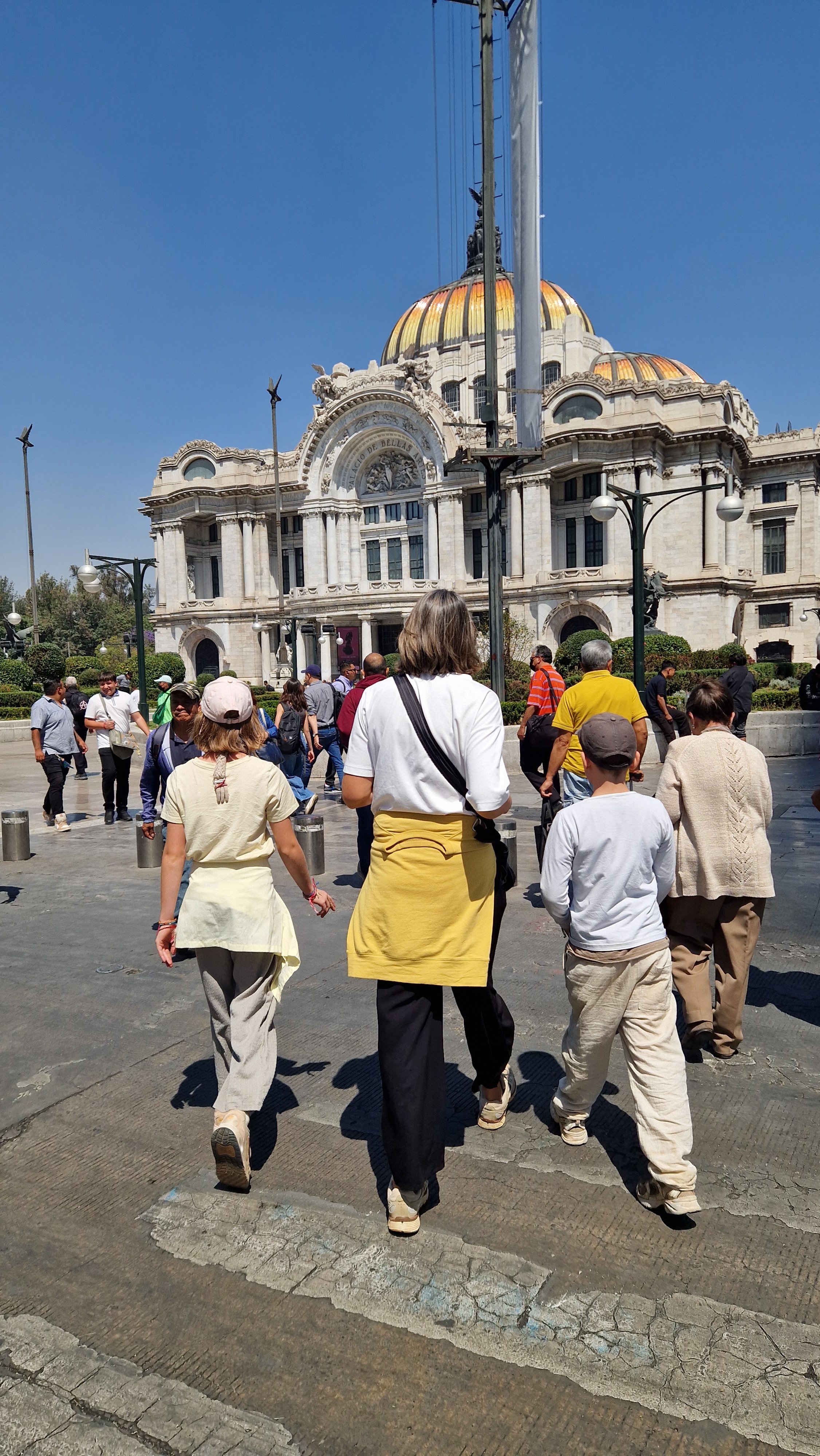
Of course, we also had to visit the historic center of the city, taking in its lively streets and architectural details. The Plaza de la Constitución, dominated by the mighty Catedral Metropolitana, was particularly striking. We enjoyed a pleasant walk along Avenida 5 de Mayo toward the Palacio de Bellas Artes, then wandered on to a nearby local market where we stopped for refreshments and some well‑deserved food. Earlier, during our drive toward Teotihuacán, we had noticed a cable car gliding above parts of the city; after looking into it a bit more, we learned that one of its stations was relatively close to our apartment. Naturally, we wanted to experience it ourselves, so we set off on a roughly 2 km walk to the Chapultepec cable car station. The fairly new, modern system with six stops is integrated into Mexico City’s public transport network and, at only 7 pesos per person, provides an ideal way to see the megacity from above.
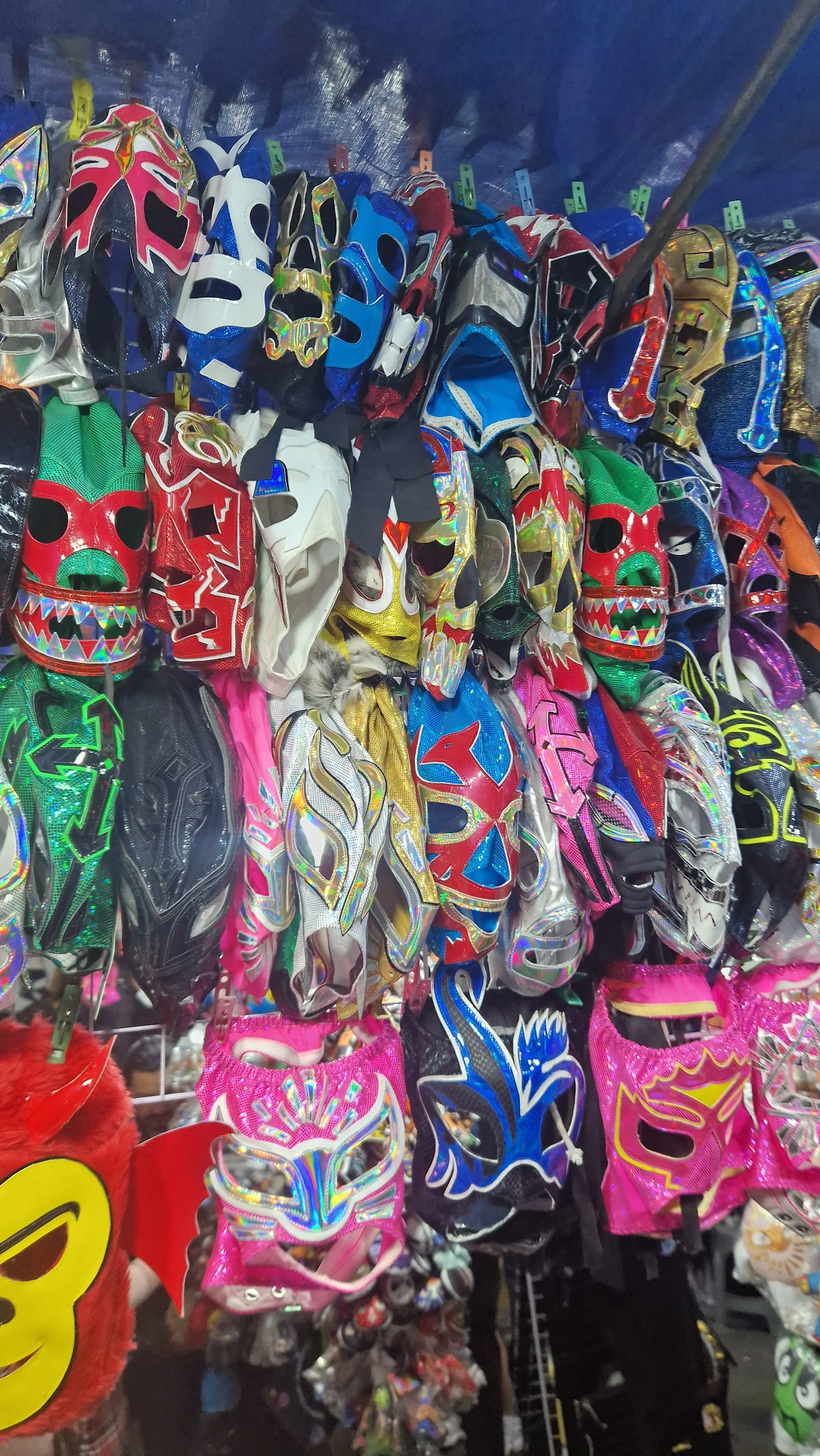
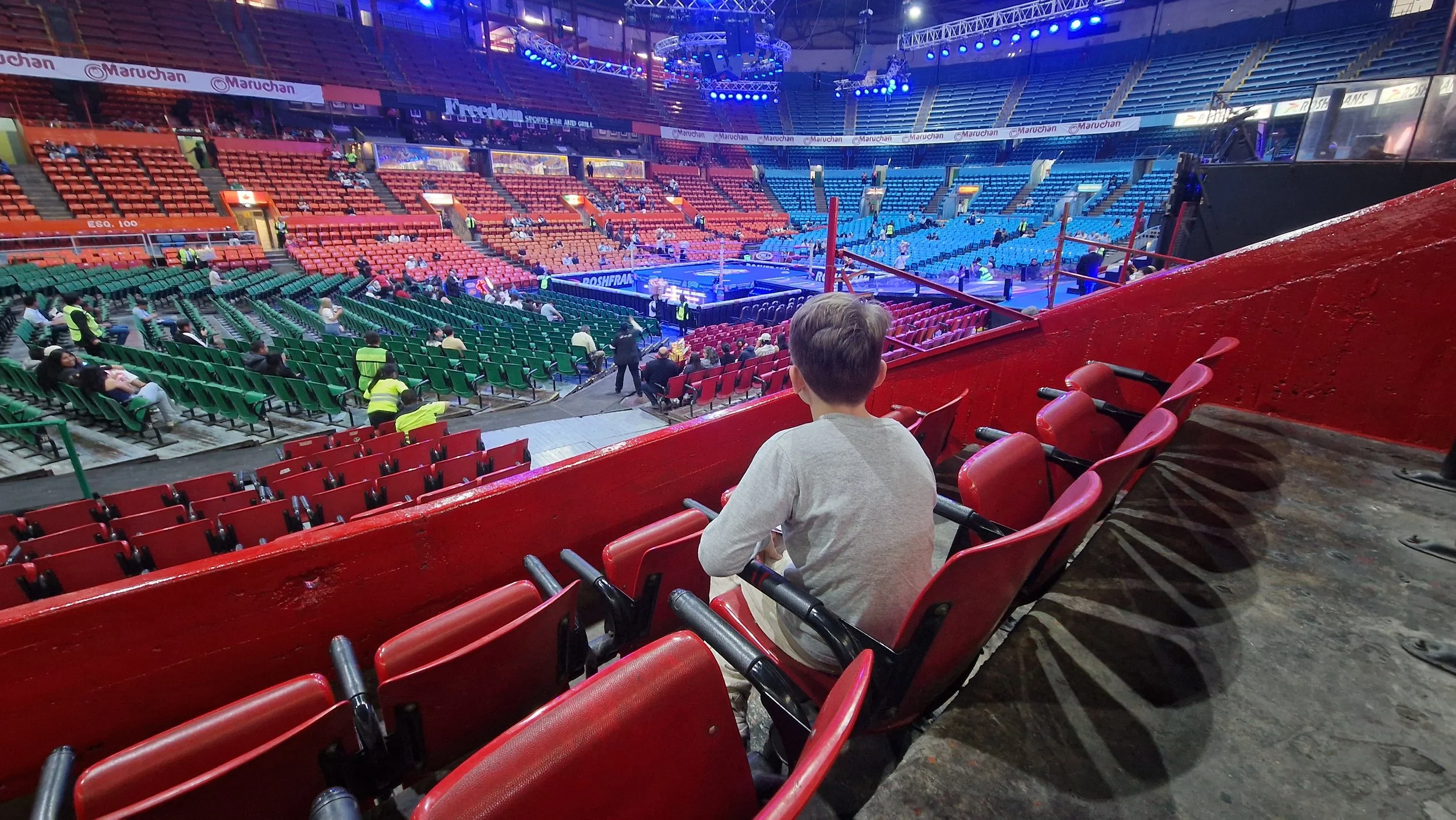
We had to take it easy during the following days, as first Oskar had some stomach issues, and then Leni caught a fever that laid her up for two days. Still, we split up at times and managed to see a little of the city. Sarah and Oskar visited a flea market and did some clothes shopping, while I took Oskar to a Lucha Libre event, certainly another highlight of our time in Mexico City. Lucha Libre is a form of professional wrestling that dates back to the early 1930s, when a U.S. wrestler helped introduce the sport to Mexico. Honestly, I never fully understood the appeal of “show-wrestling,” but this event was a lot of fun. Arena México is quite large, holding around 16,000 spectators, and the place was packed that early Sunday evening. Mexican beer flowed freely, and many locals actively participated by shouting loud comments toward the ring. While the event was billed as a “Domingo Familiar,” I was relieved that Oskar’s Spanish isn’t yet good enough to pick up on the many colorful swearwords being tossed around. The spectacle lasted roughly two hours, and we both genuinely enjoyed our time watching the luchadores in action.
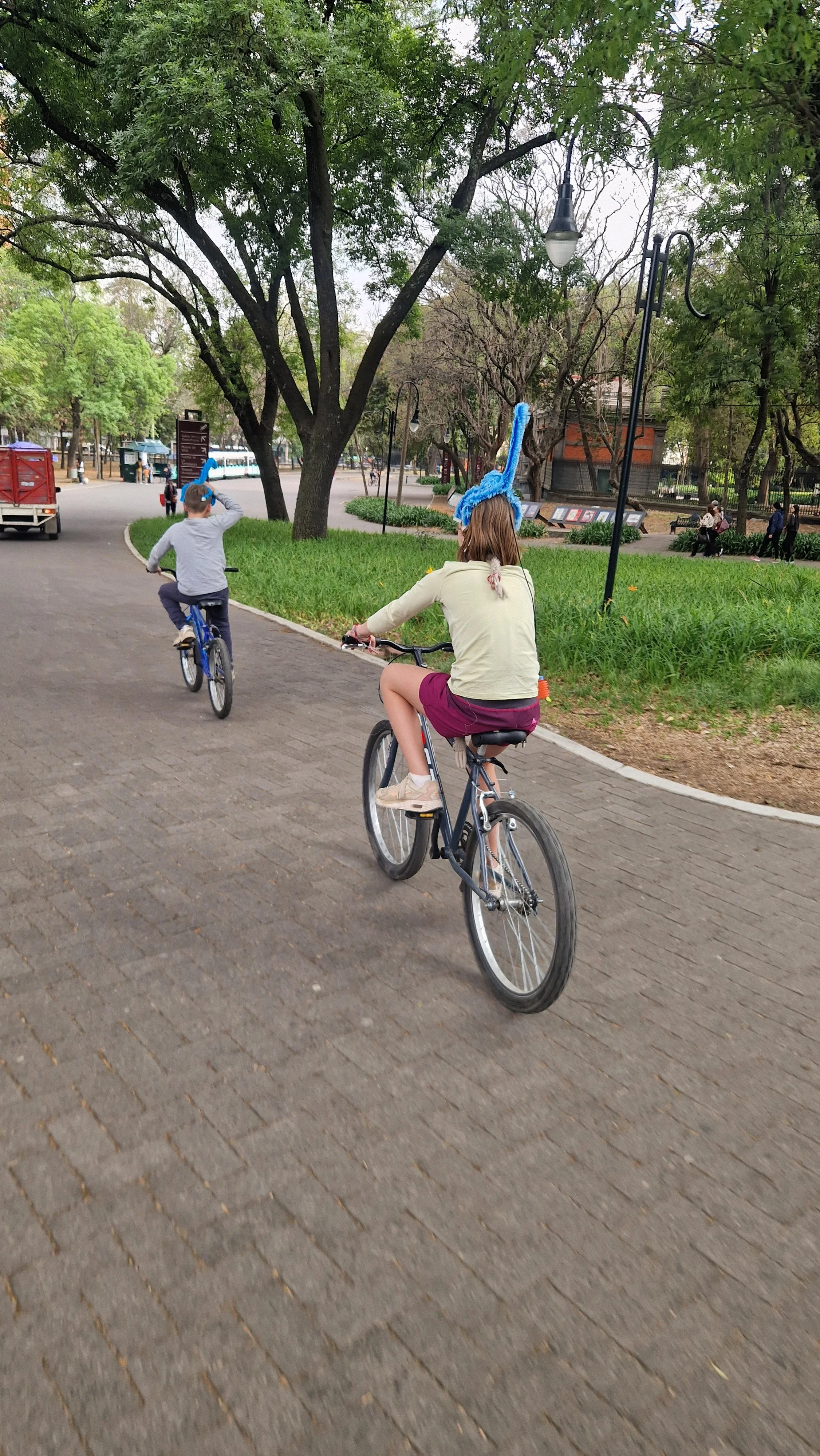
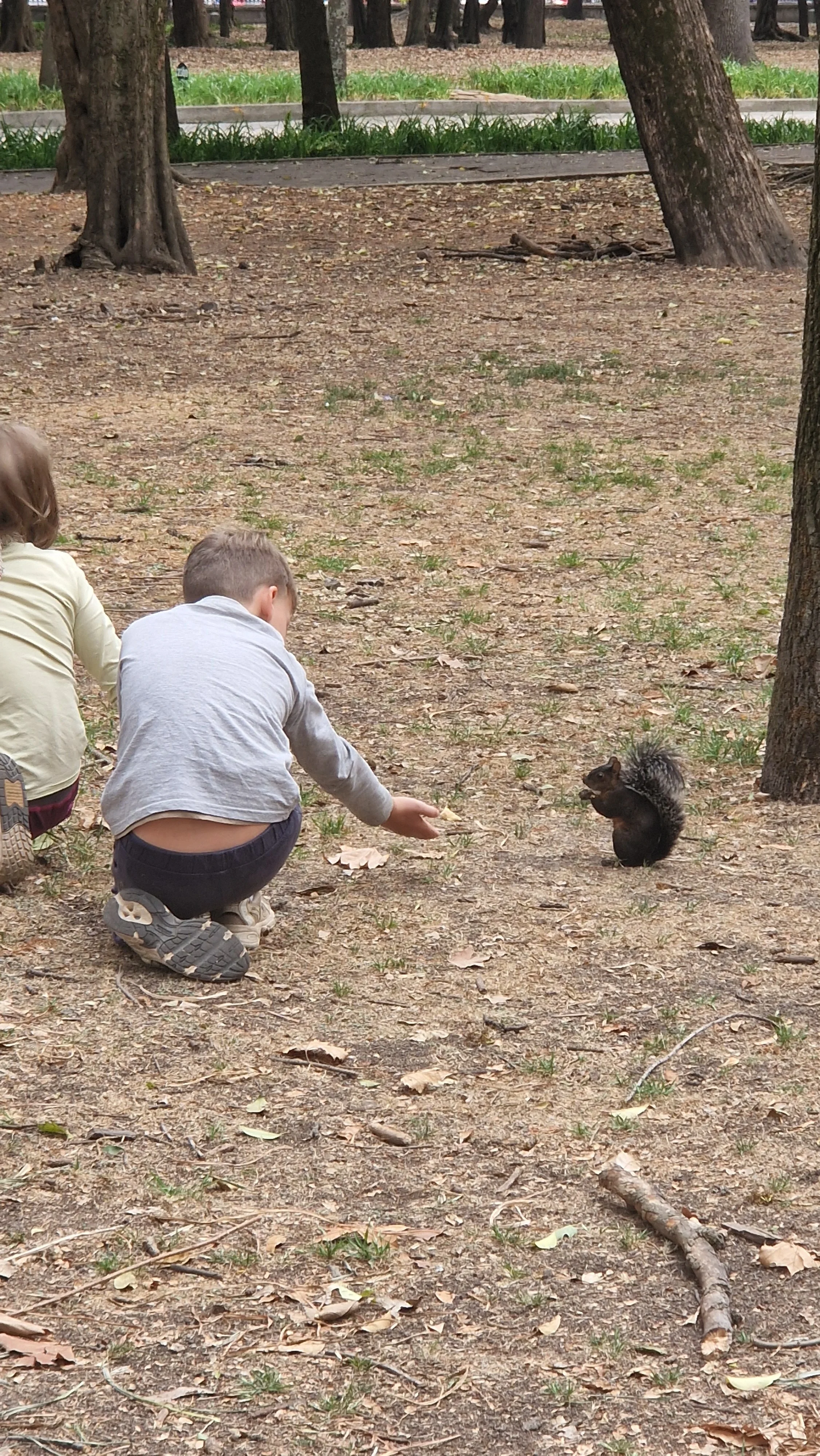
Close to our apartment we had Chapultepec Park, where Leni and Oskar had noticed that many of the local squirrels were quite used to human interaction and came really close in the hopes of some peanuts. Naturally, we went to a nearby supermarket, bought nuts, and spent hours walking through the park while feeding the curious, fearless squirrels. We also rented bicycles, fairly dated ones, to be honest, and cycled around the park and along its neighbouring lakes. Generally speaking, we were quite amazed by how green the western part of Mexico City is: not only Chapultepec Park itself, but also the smaller green spaces in our neighbourhood and the many trees lining the avenidas that run through our barrio.
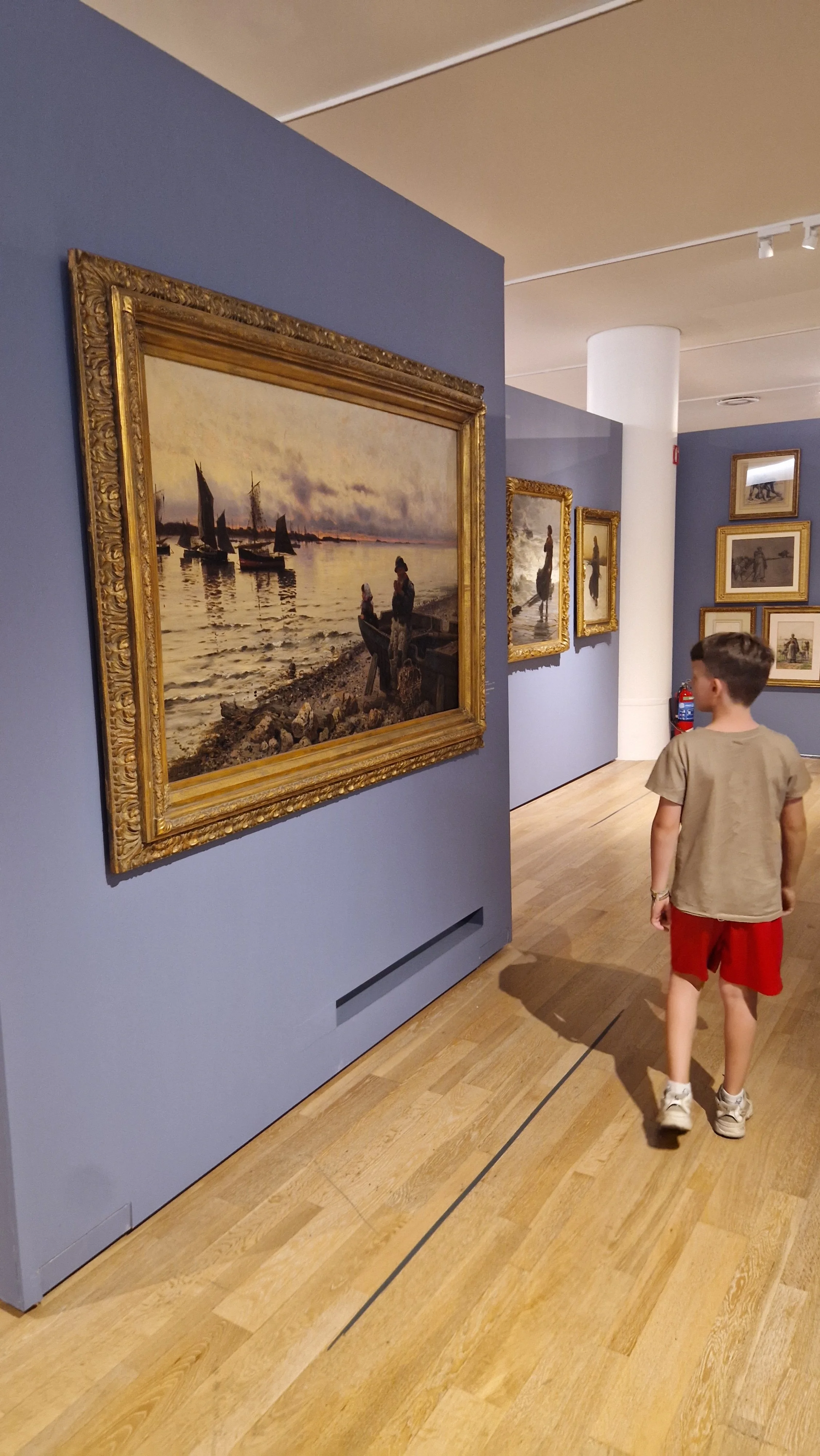
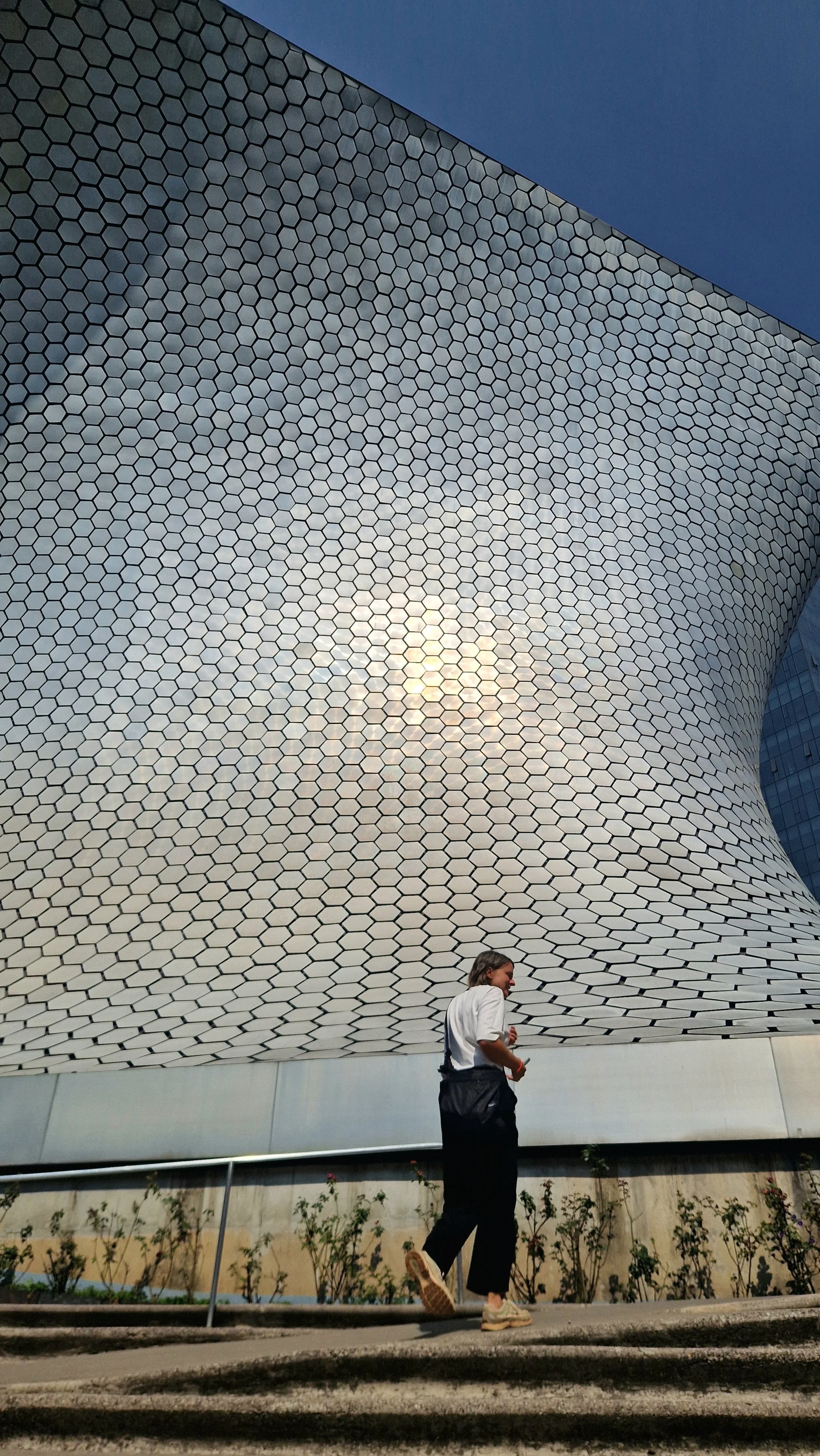
We also spent a bit of time visiting museums. We first went to the Museum Jumex next door, which had been praised as one of the must-see museums in the city, but we were rather disappointed by the small exhibition that happened to be on display. Two floors were actually closed, so I suppose it was simply a matter of bad timing as they were between exhibitions. After that, we crossed over to the Museum Soumaya, which is architecturally striking, and were genuinely impressed by the collection inside. Works by Dalí, Van Gogh, Rubens and many other world-class artists were on display, and also the kids were excited and intrigued by several pieces, as well.
Today, on the 10th of March,, we will be taking a rather short flight from Mexico City to Guadalajara, Mexico’s second biggest city, where we will laos meet my brother, his wife and kids, which we are very much looking forward to. After more than 8 months on the road, it will feel amazing to meet some family again! Until then: Be well!