Kuala Lumpur, Malaysia
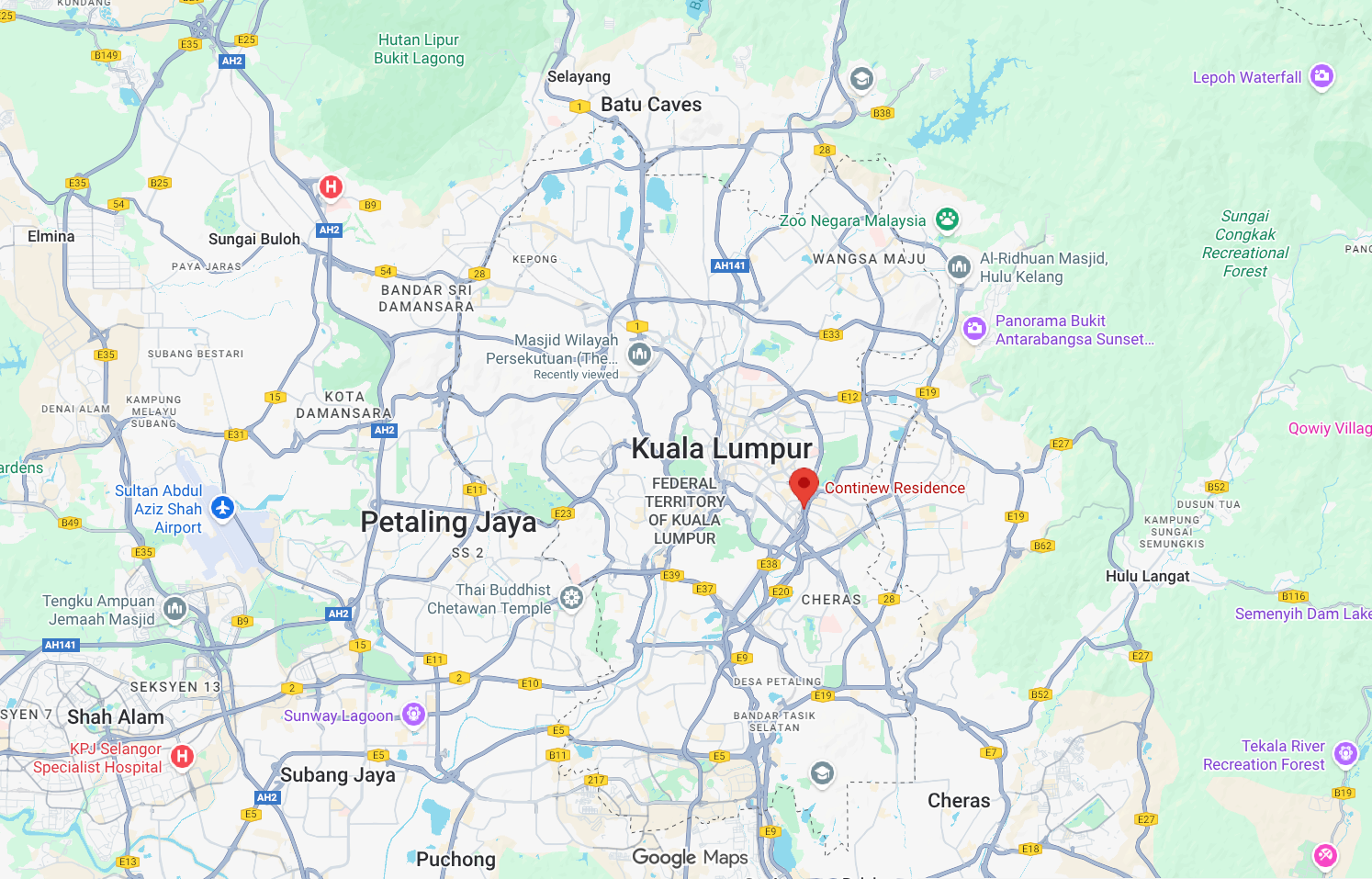
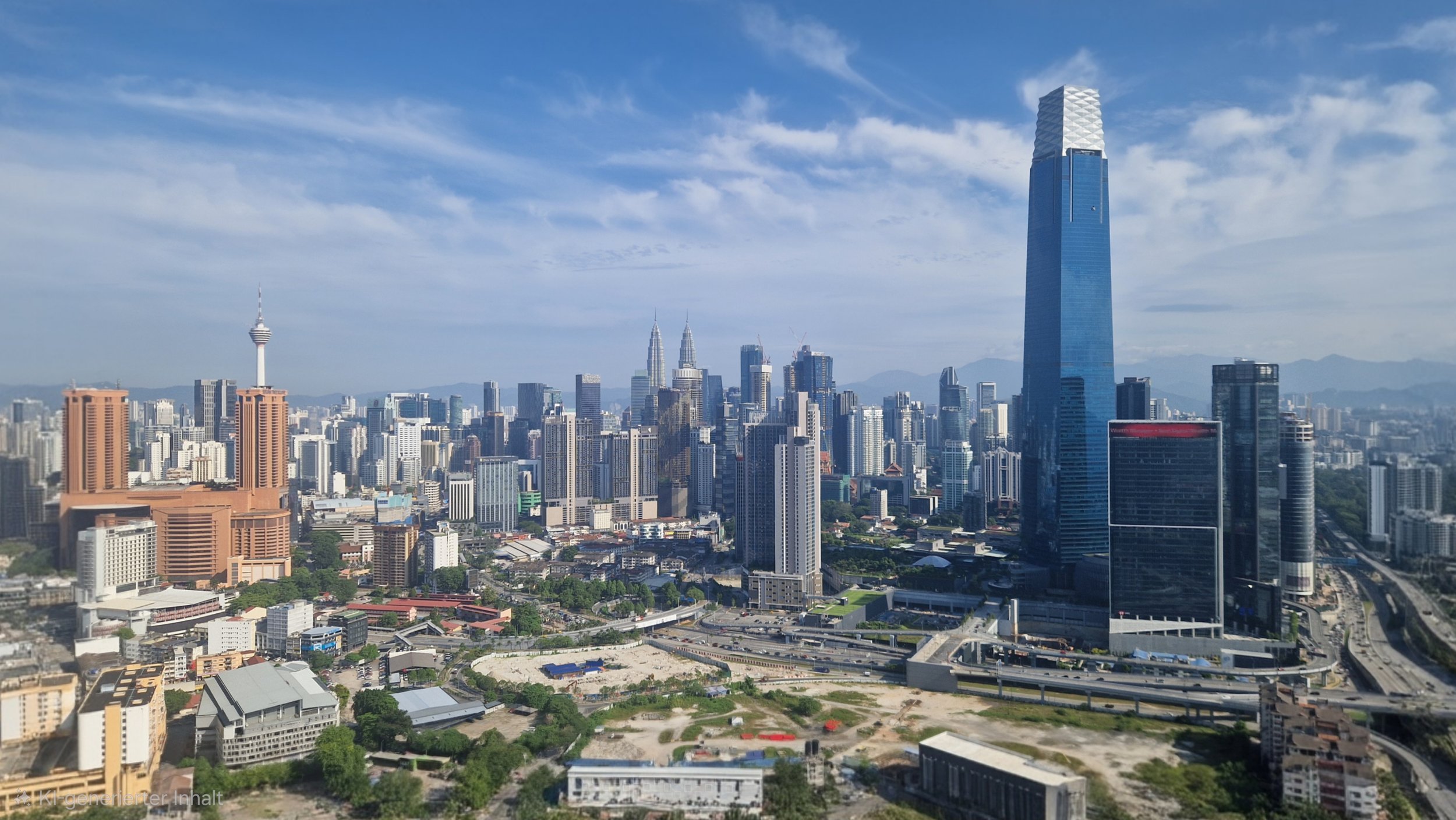
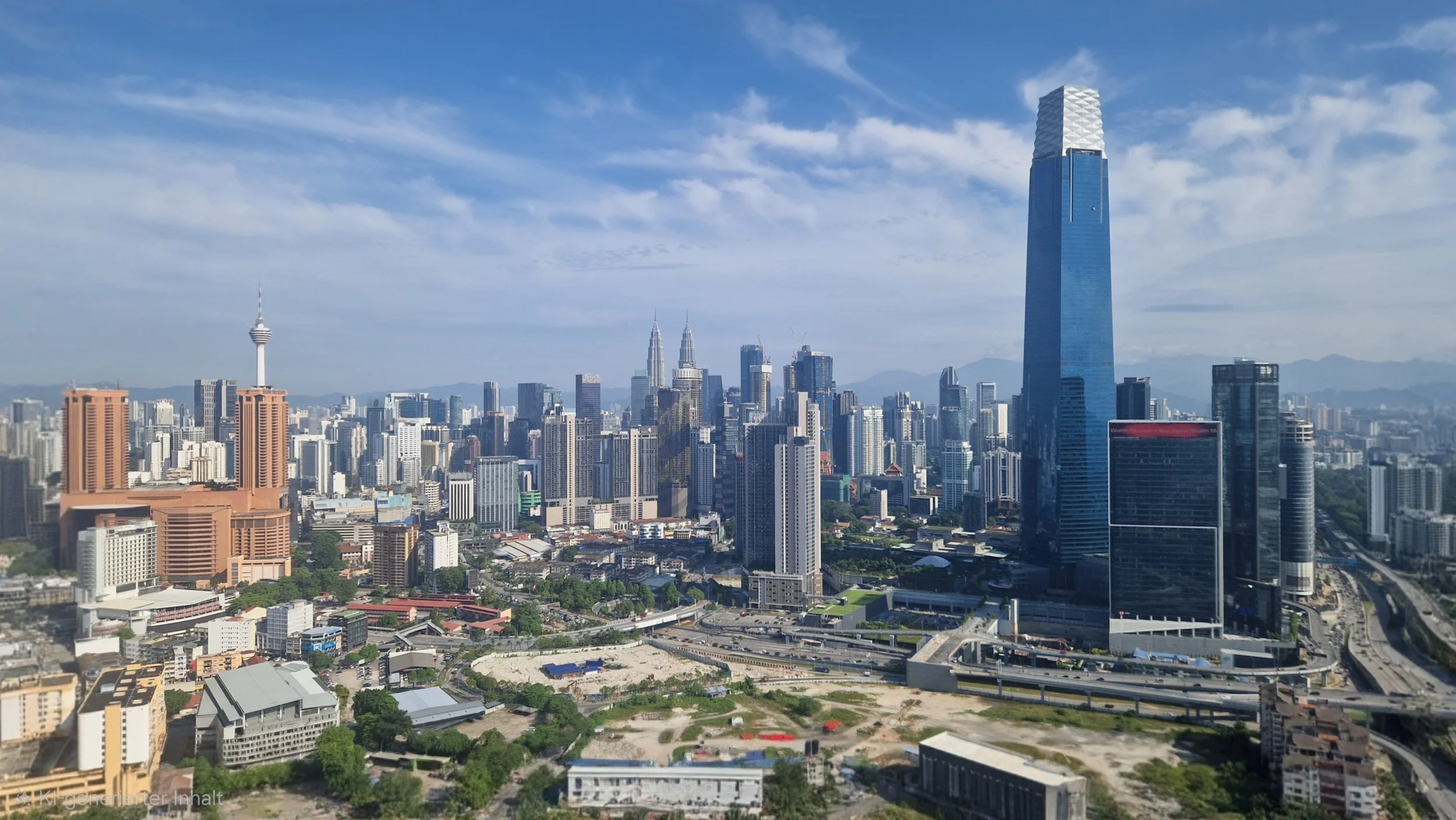
After bidding a fond farewell to the charming and tranquil Samosir Island, we boarded a short 45-minute flight from Medan to Kuala Lumpur, the vibrant capital of Malaysia! The contrast in scenery was truly remarkable. In just a few hours, we transitioned from the peaceful island life to the energetic pulse of a bustling metropolis. I had visited KL thirteen years ago, and since then, the city has experienced tremendous growth, continuing to be one of the fastest expanding urban centers in Southeast Asia. While around 2 million people officially call Kuala Lumpur their home, the greater Klang Valley metropolitan area is home to nearly 9 million residents. Our Airbnb apartment, situated on the 50th floor of a towering skyscraper right in the heart of the city, offered us an incredible panoramic view over this urban landscape.
Kuala Lumpur, which translates to “muddy confluence” from Malay, began as a small tin mining settlement in 1857, when Chinese tin miners founded it at the strategic point where the Klang and the Gombak rivers met. Over the following decades, the settlement gradually grew in importance. In 1880, the British colonial administration took control and designated Kuala Lumpur as the capital of the Selangor State, further boosting its development. Malaysia eventually gained independence in 1957, and Kuala Lumpur was officially declared the capital of the newly independent country, cementing its role as a political and economic center.
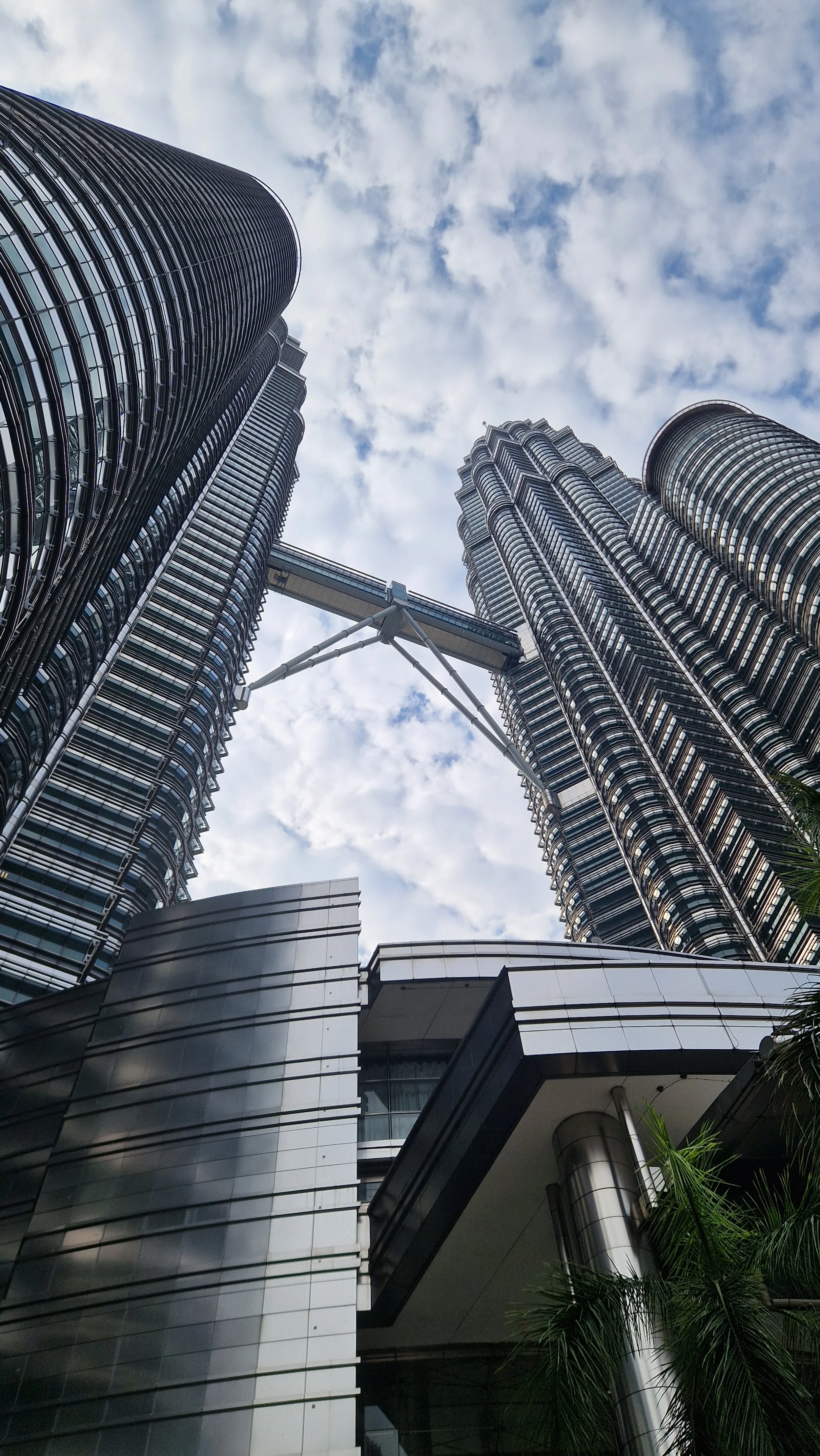
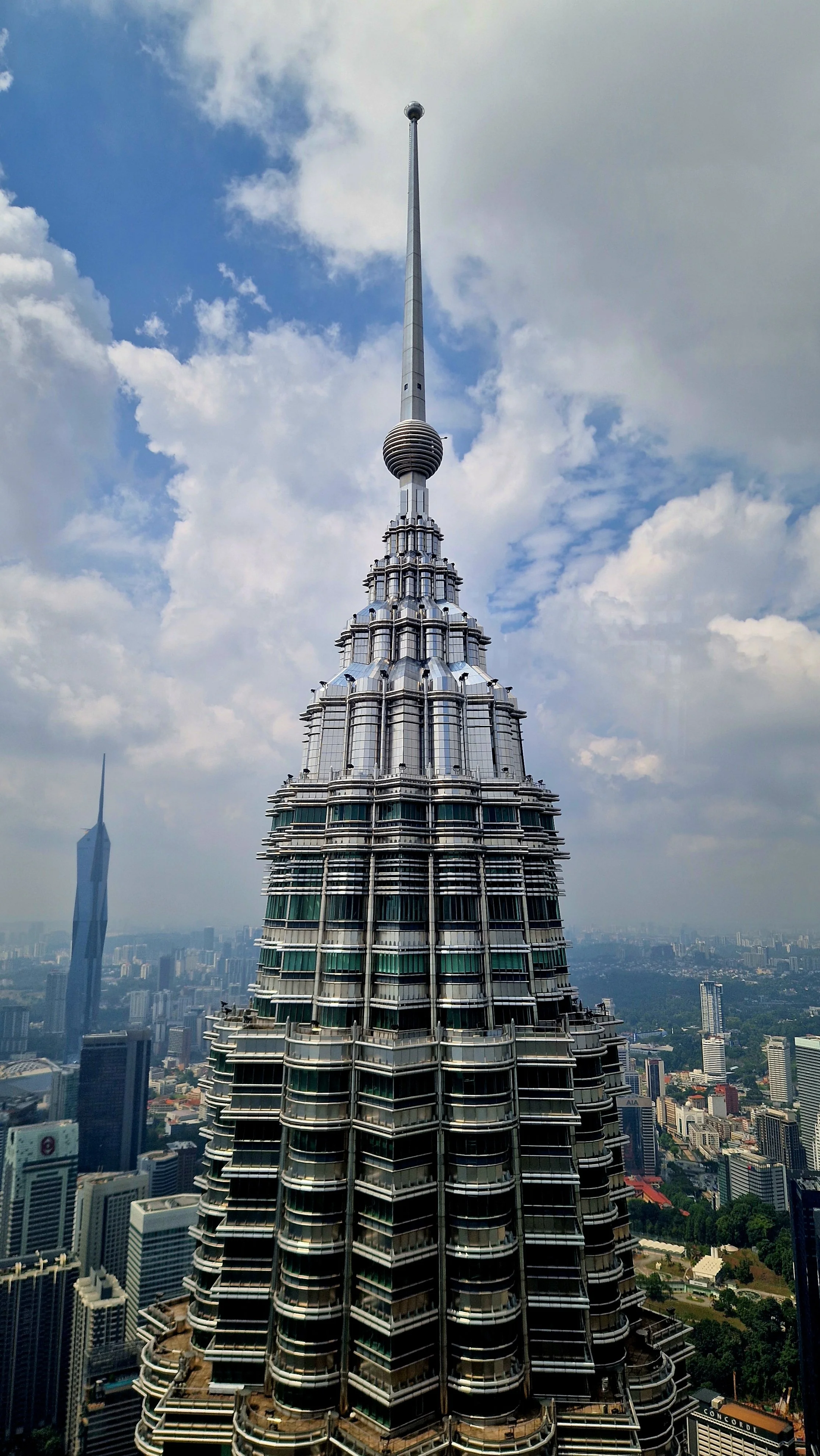
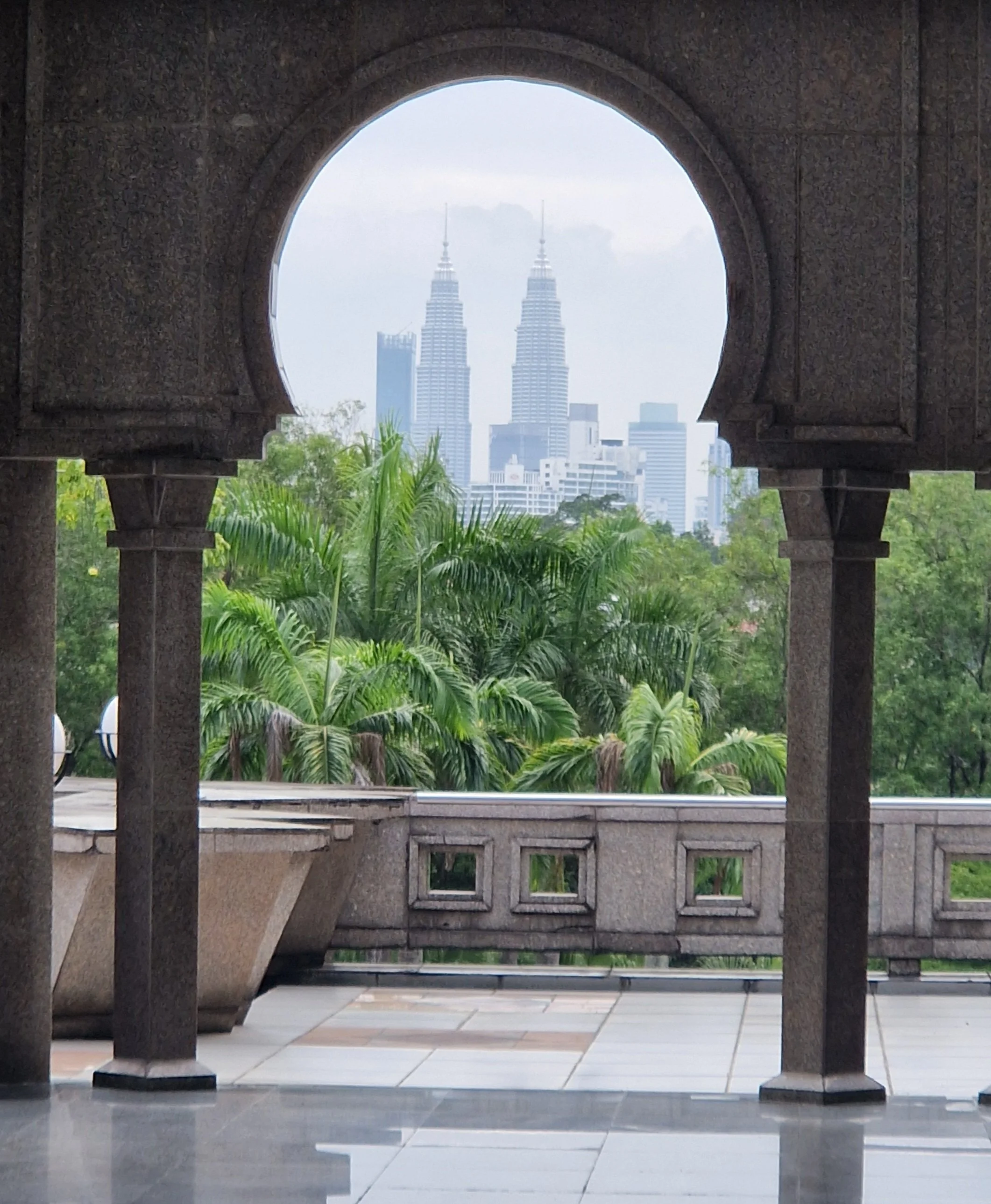
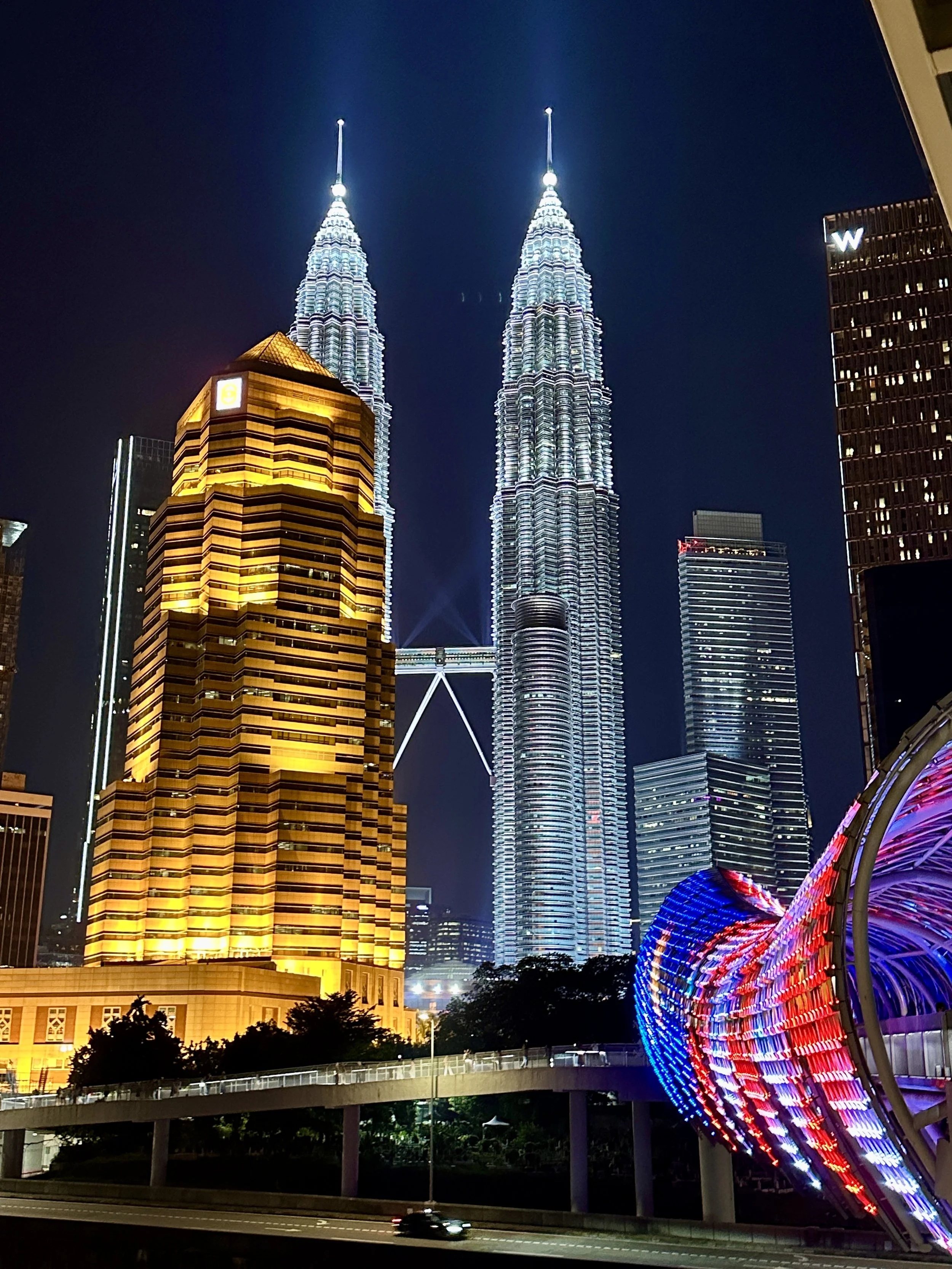
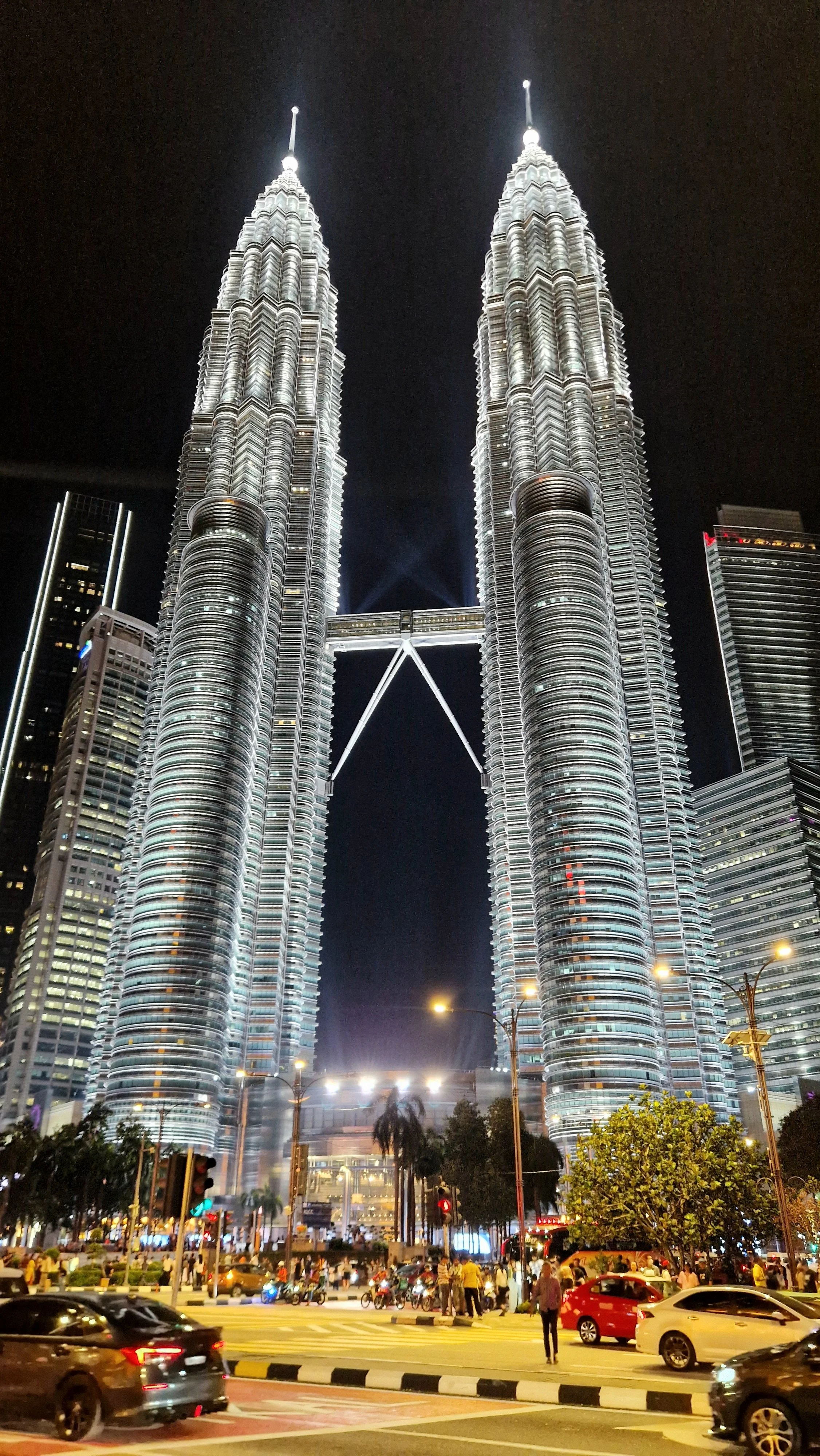
It was in the late 20th century when Kuala Lumpur began its remarkable transformation into a modern metropolis. The completion of the Petronas Towers in 1988, which were once the tallest buildings in the world, marked a pivotal moment, establishing an iconic landmark that symbolizes the city’s rapid development and ambition. This made for a perfect start to exploring Kuala Lumpur on our first full day there. We ascended to the 86th floor of the towers, where we enjoyed a brilliant panoramic view of this vibrant megacity bustling with life. It was also an ideal vantage point to appreciate the remarkable diversity of the city’s architecture. Within walking distance, mosques, Hindu temples, and Christian churches coexist harmoniously. Skyscrapers rise boldly next to old colonial buildings and humble huts stand near impressive, modern shopping malls. The architectural landscape seemed to perfectly encapsulate the rich cultural tapestry, reflecting the various ethnic groups that coexist and contribute to the unique spirit of Kuala Lumpur.
While Islam is recognized as the official state religion, the range of beliefs found within the city is remarkably diverse, reflecting its multicultural population. The city is home to three primary ethnic groups: the Malay, the Chinese, and the Indians. As a result, followers of Islam, Buddhism, Hinduism, and Christianity live together harmoniously. Over the following days, we took the opportunity to explore these varied religious backgrounds in more depth. However, on our very first evening, we decided to continue the microbrewery experience we had enjoyed in the larger cities of the Balkans. We had an excellent dinner accompanied by some wonderfully refreshing pints at the KL Tap Room, setting a perfect tone for our stay. (https://www.instagram.com/taproomkl/?hl=en).
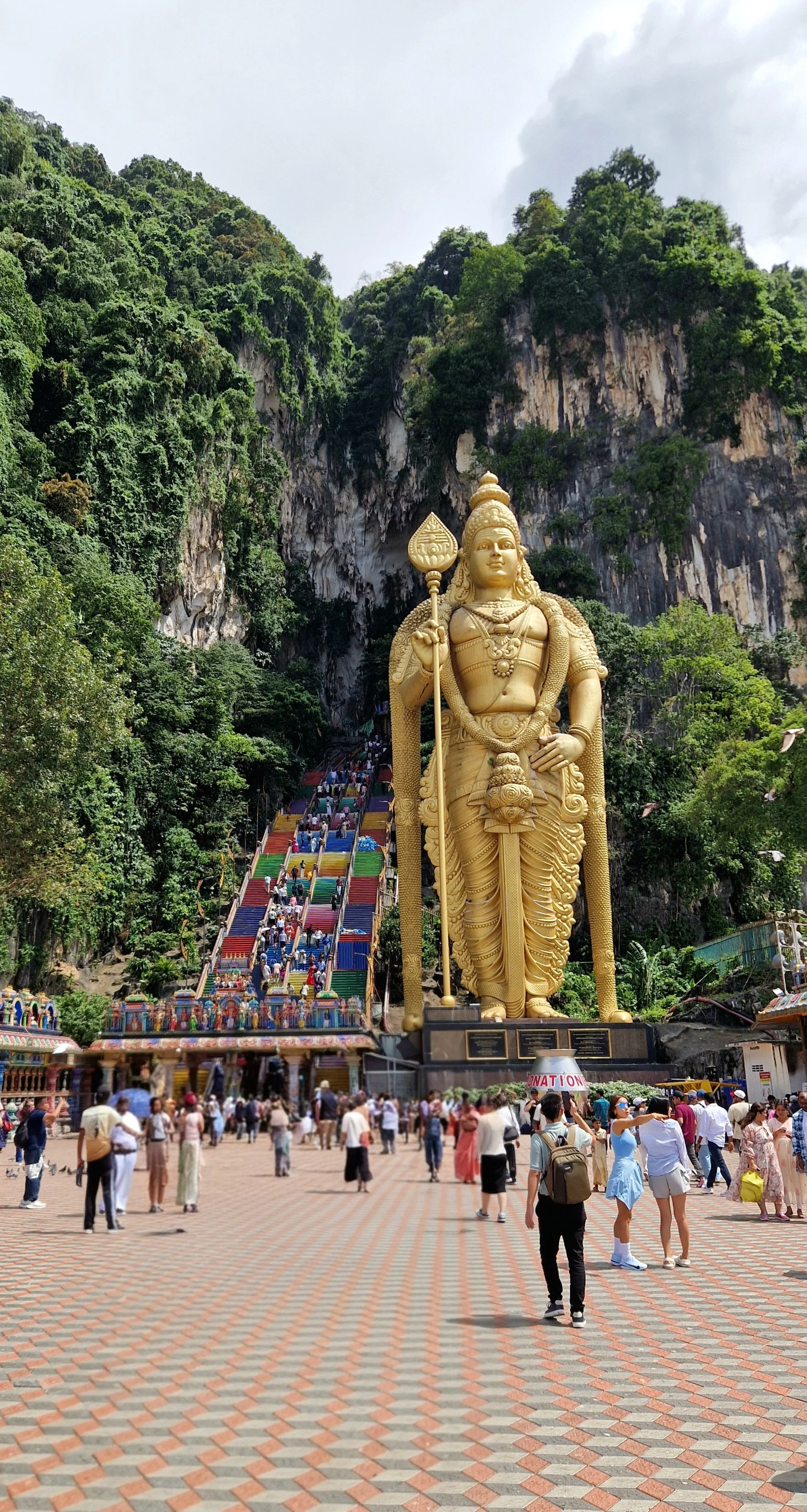
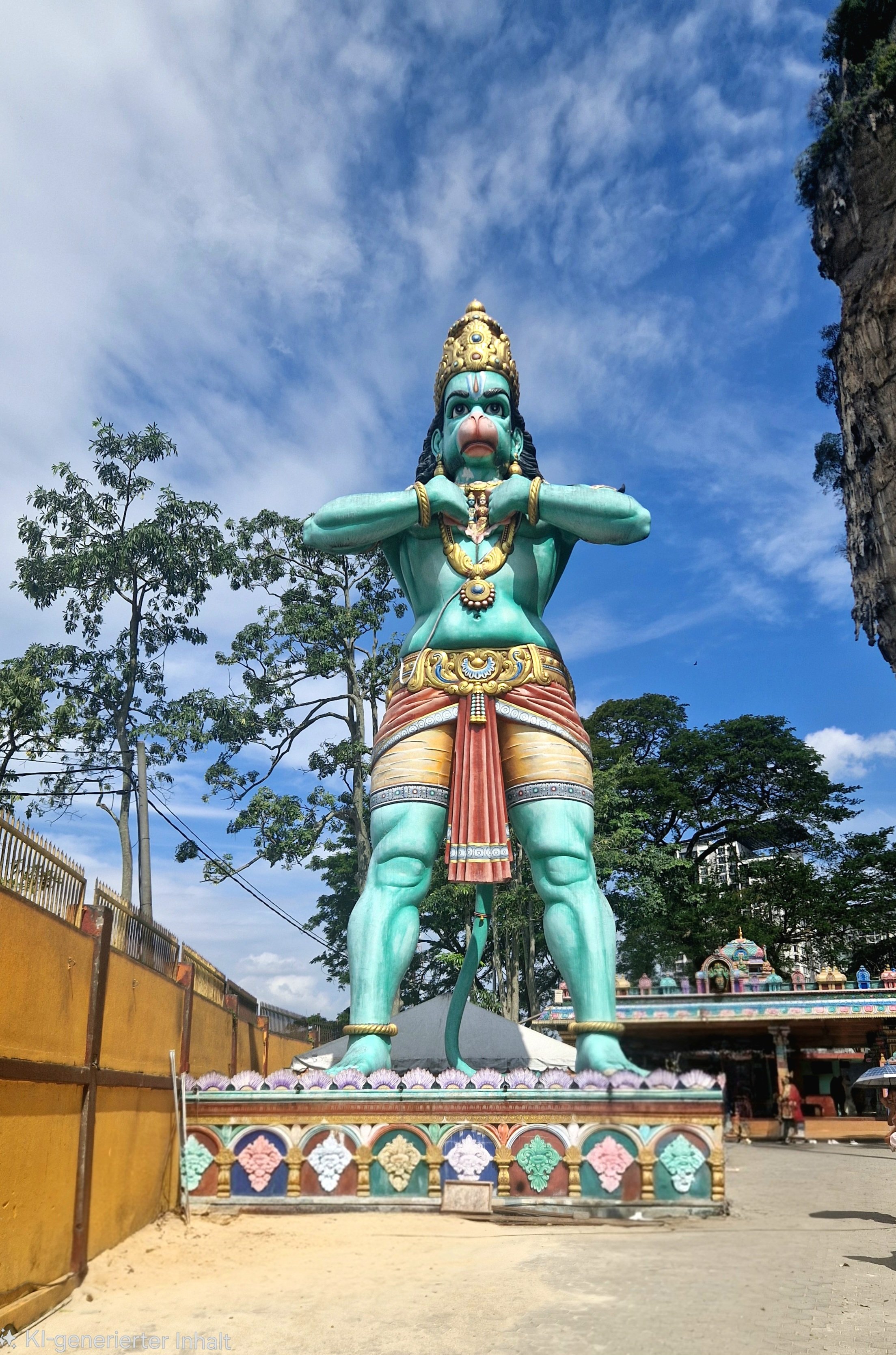
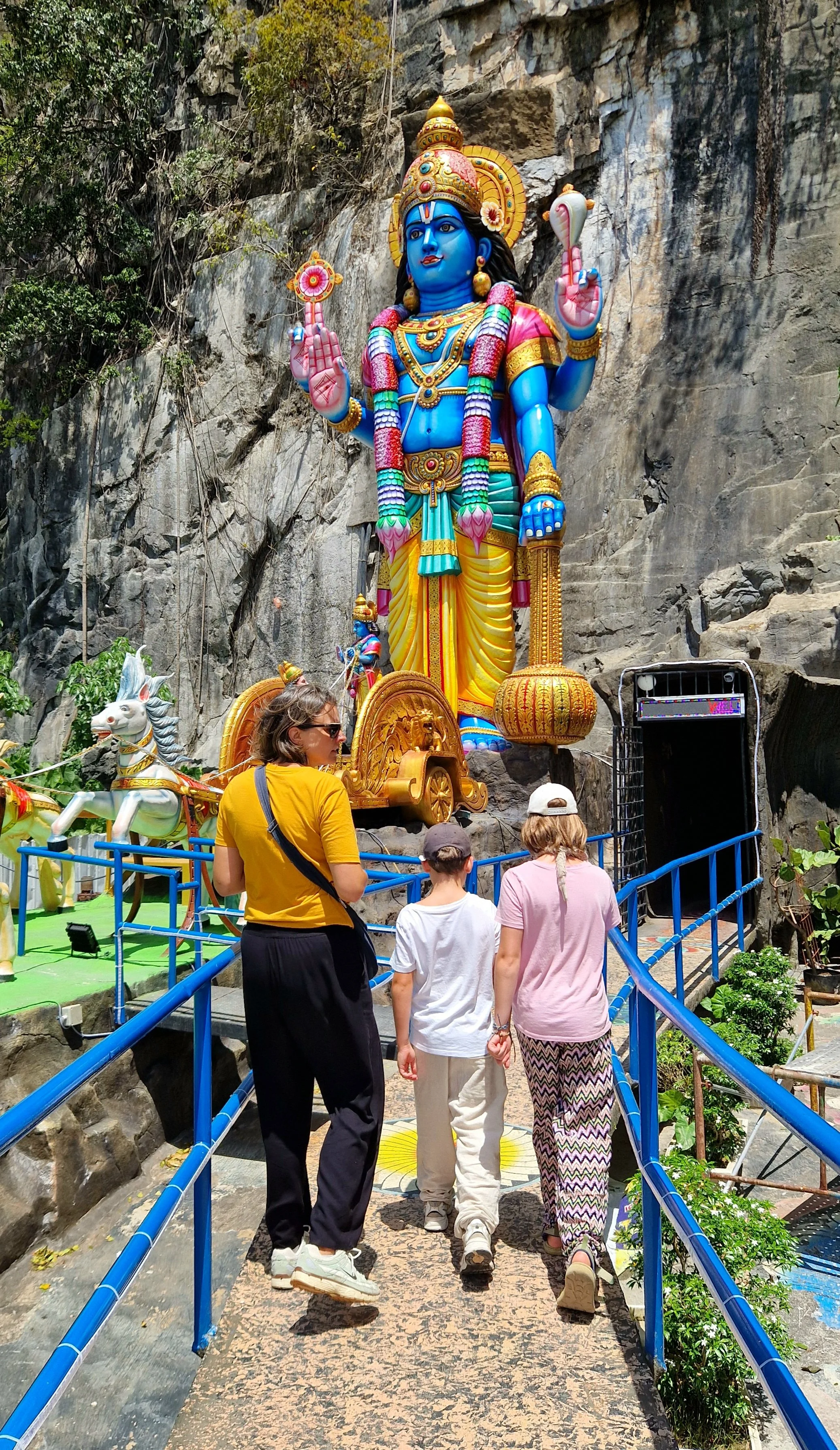
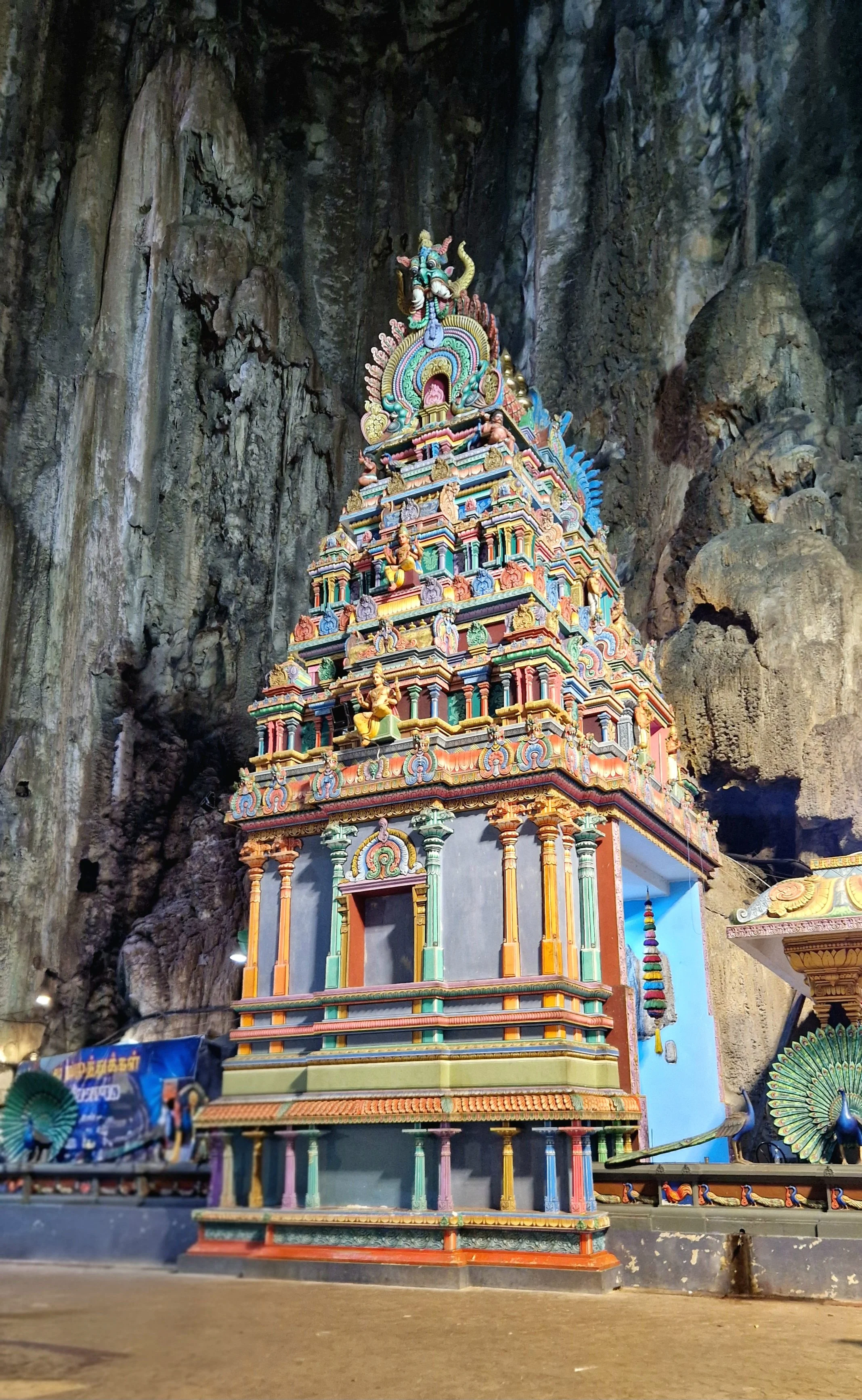
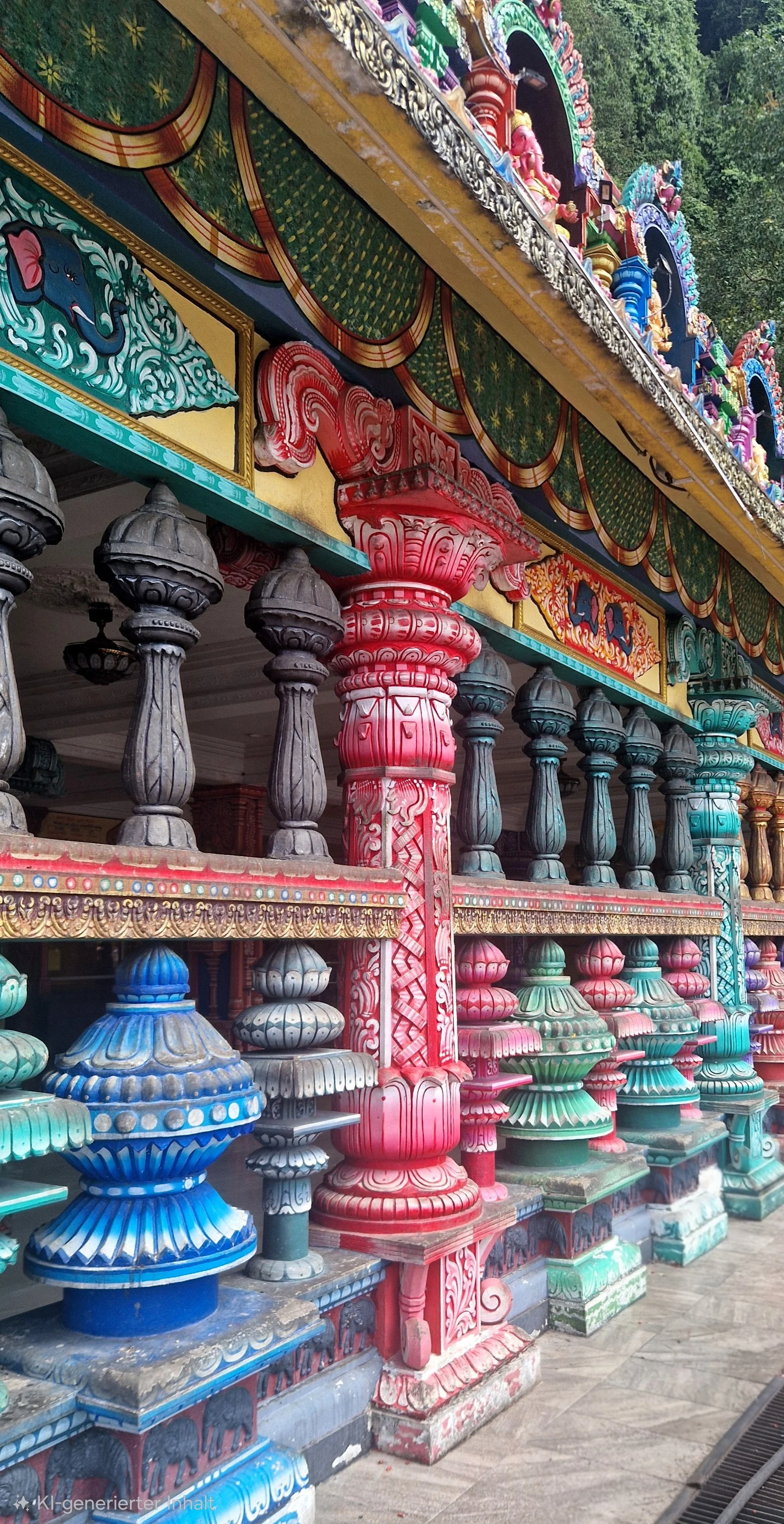
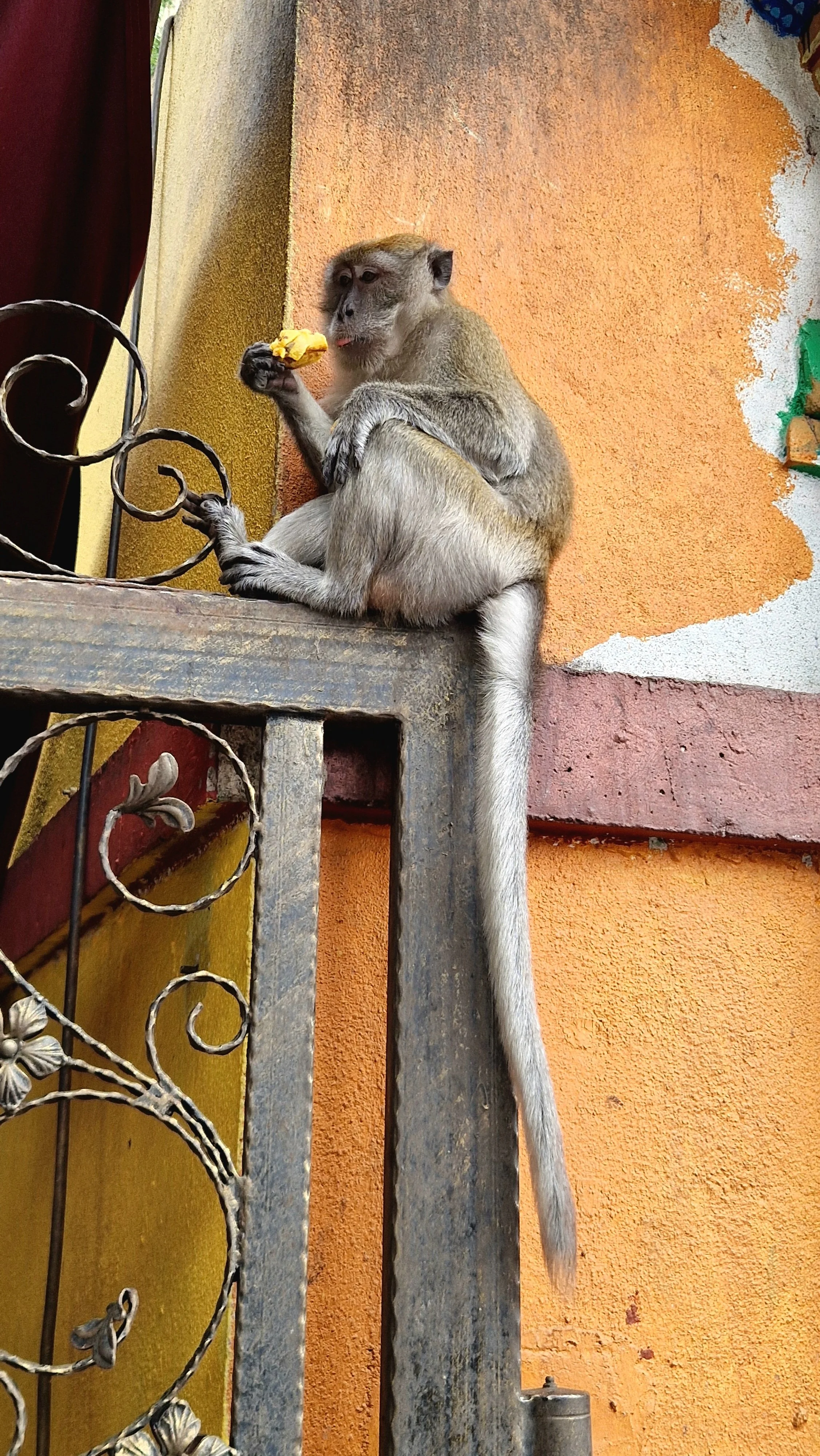
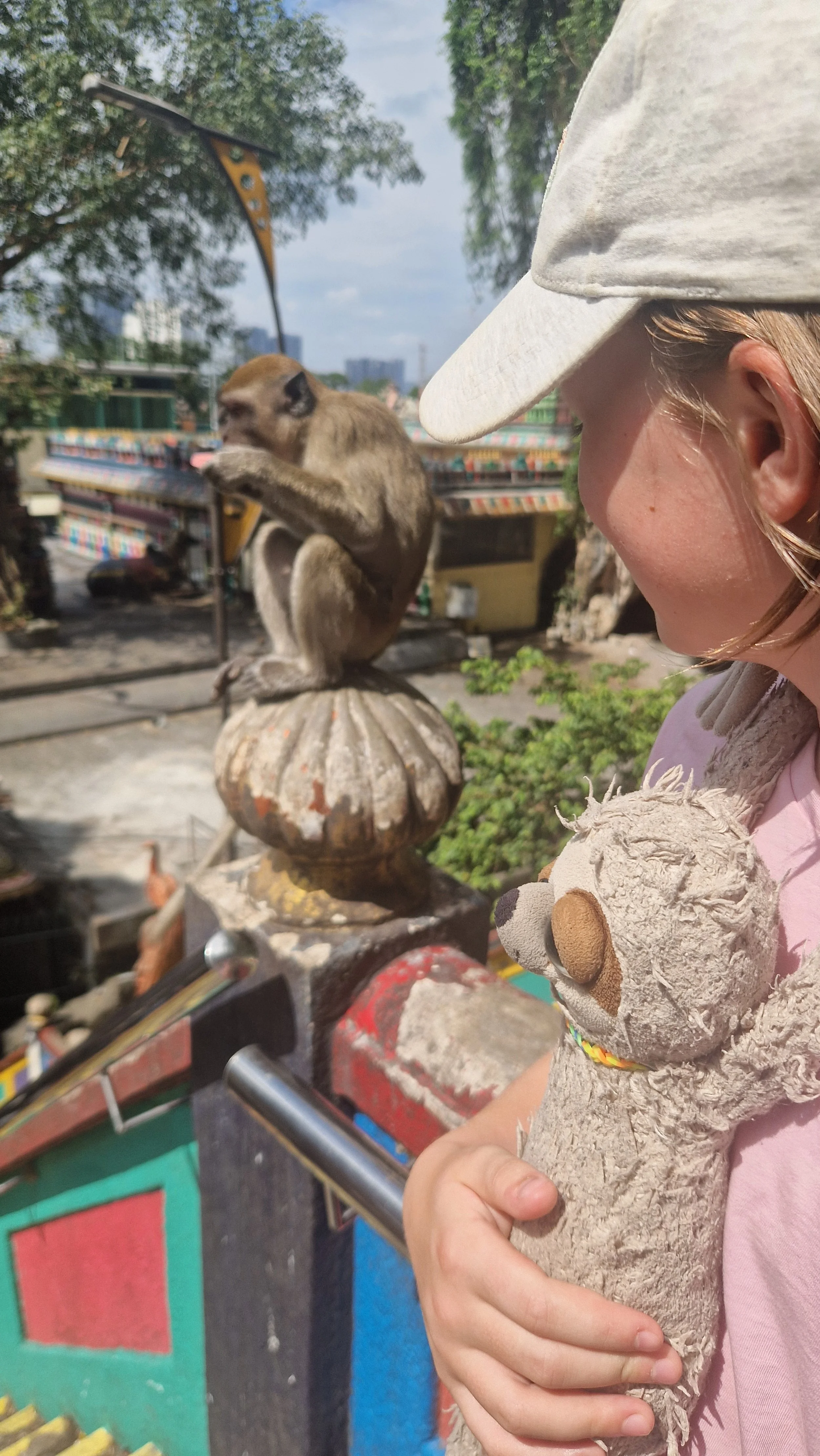
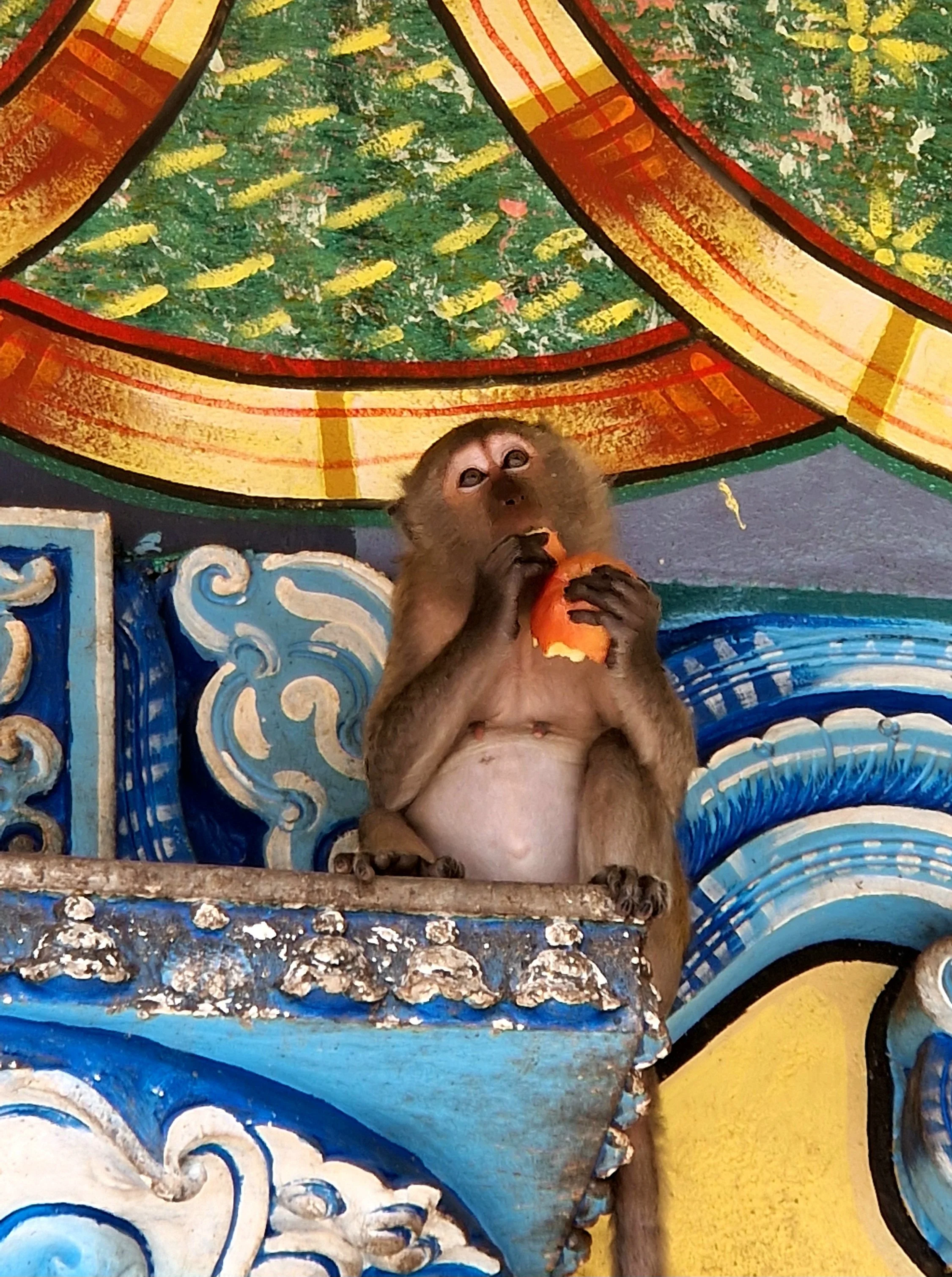
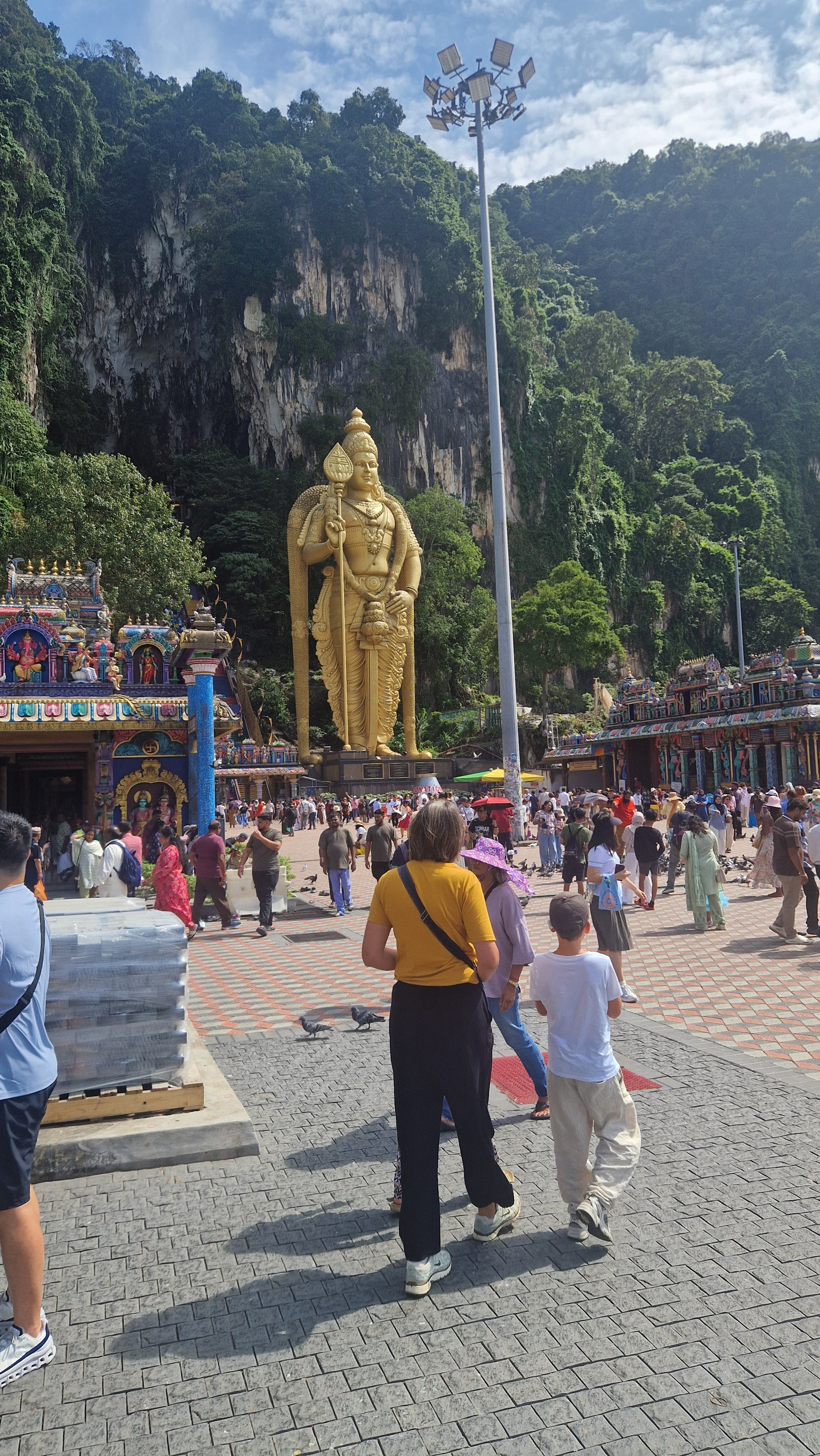
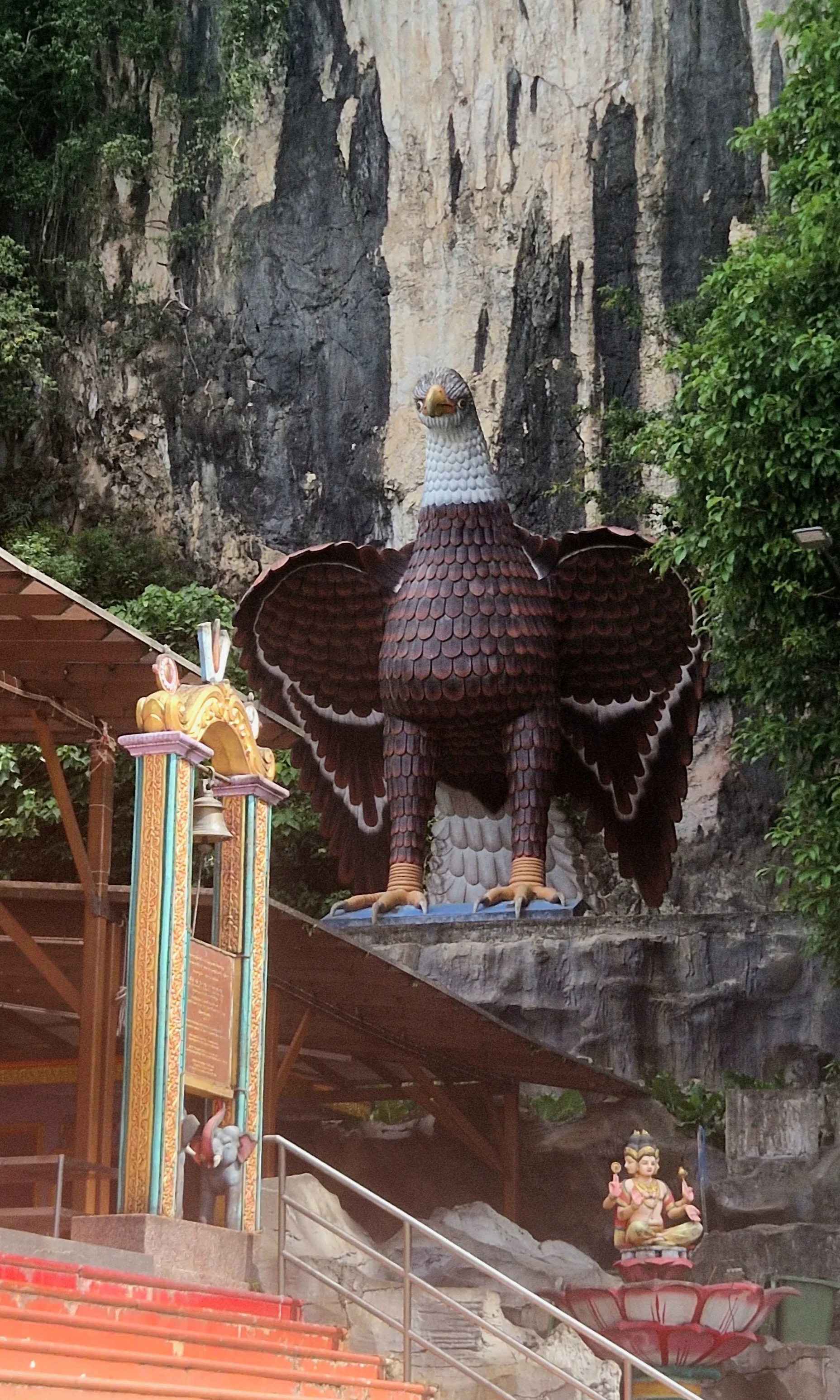
On our second day, we had the opportunity to visit the Batu Caves, which stand as one of the most significant religious sites for the Tamil Hindu community. This remarkable location features an impressive 43-meter tall statue of Lord Murugan, making it one of the tallest Hindu statues in the entire world. To reach one of the temple caves, visitors must ascend 272 colourful steps, which lead up to sacred chambers containing several Hindu shrines that highlight the spiritual importance of this pilgrimage destination. The Batu Caves are also well-known for their lively population of long-tailed macaques, which can be found almost everywhere around the temple grounds, especially on the steps leading up to the caves. Over the years, the number of these monkeys has steadily increased, largely because many tourists offer them food, making the macaques an inseparable part of the temple experience. While they may look quite charming at first glance, these little rascals can be surprisingly cheeky, and occasionally even aggressive. They are notorious for snatching anything within reach. Not only food but also items like water bottles, sunglasses, and smartphones, which are not safe around them. So if you plan to visit the Batu Caves, be sure to keep a close eye on your belongings! After the bustling morning spent exploring the caves, we enjoyed a very relaxed and pleasant afternoon. Sarah had connected with a German-Italian family through an online forum, and they generously invited us to their home in Kuala Lumpur, where we spent a wonderful few hours. With children around the same age as ours, it was heartwarming to watch the boys playing football together, followed by some fun splashing in their pool. For us adults, it was a great opportunity to exchange experiences with a family who has lived abroad for many years and now consider Kuala Lumpur their home. So, Claudia and Marco, if you happen to read this: thank you very much once again for a lovely afternoon!
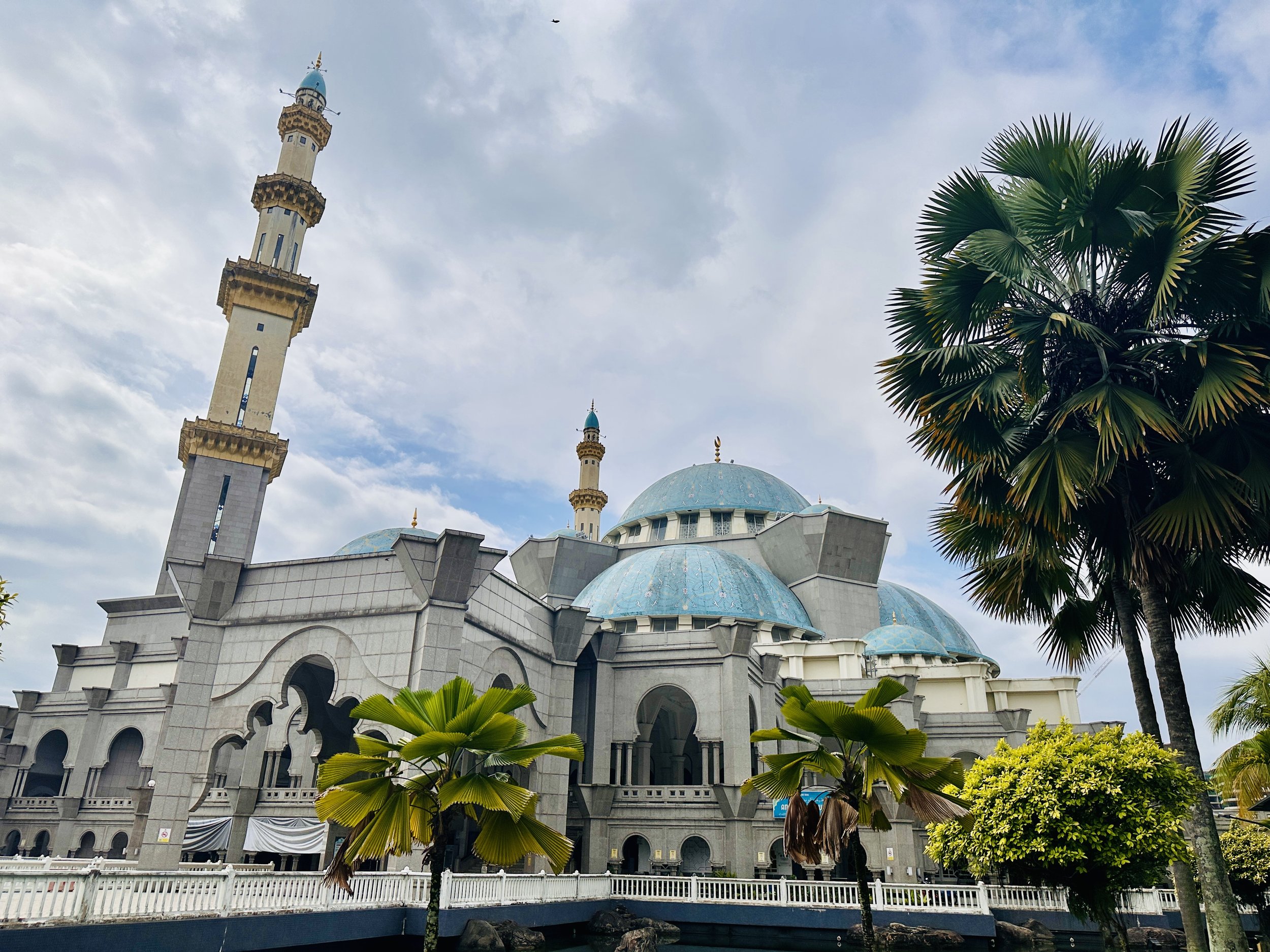
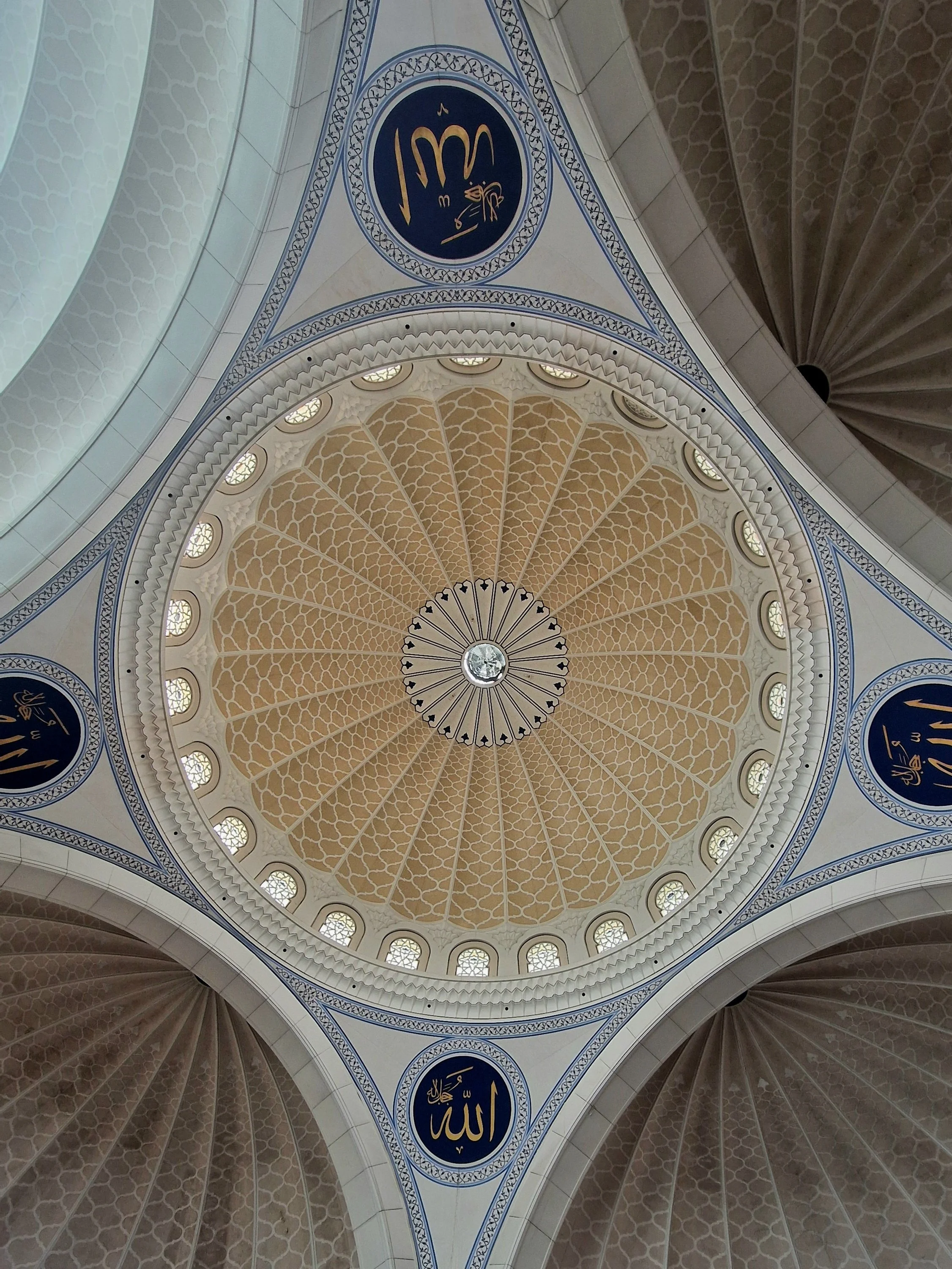
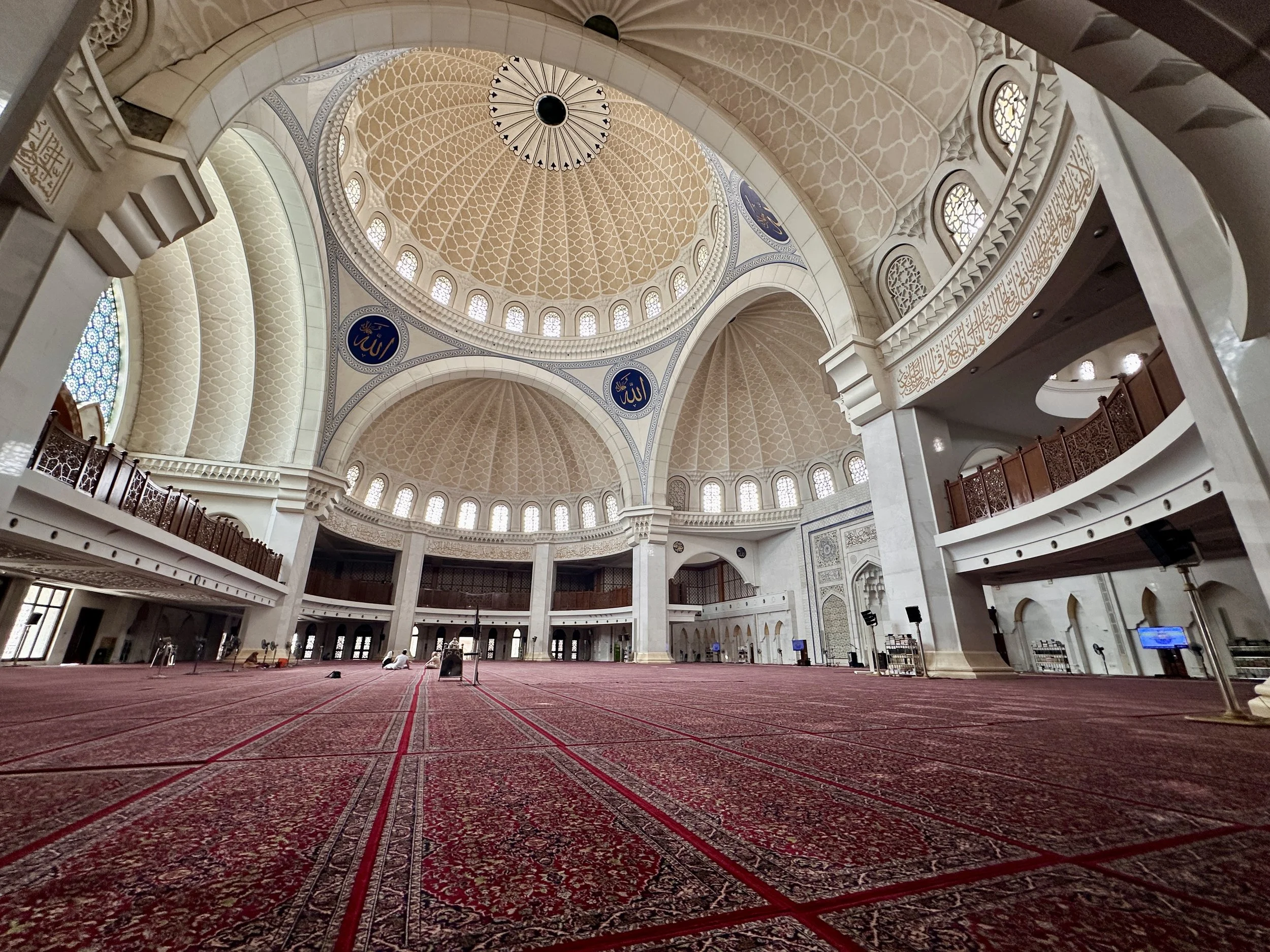
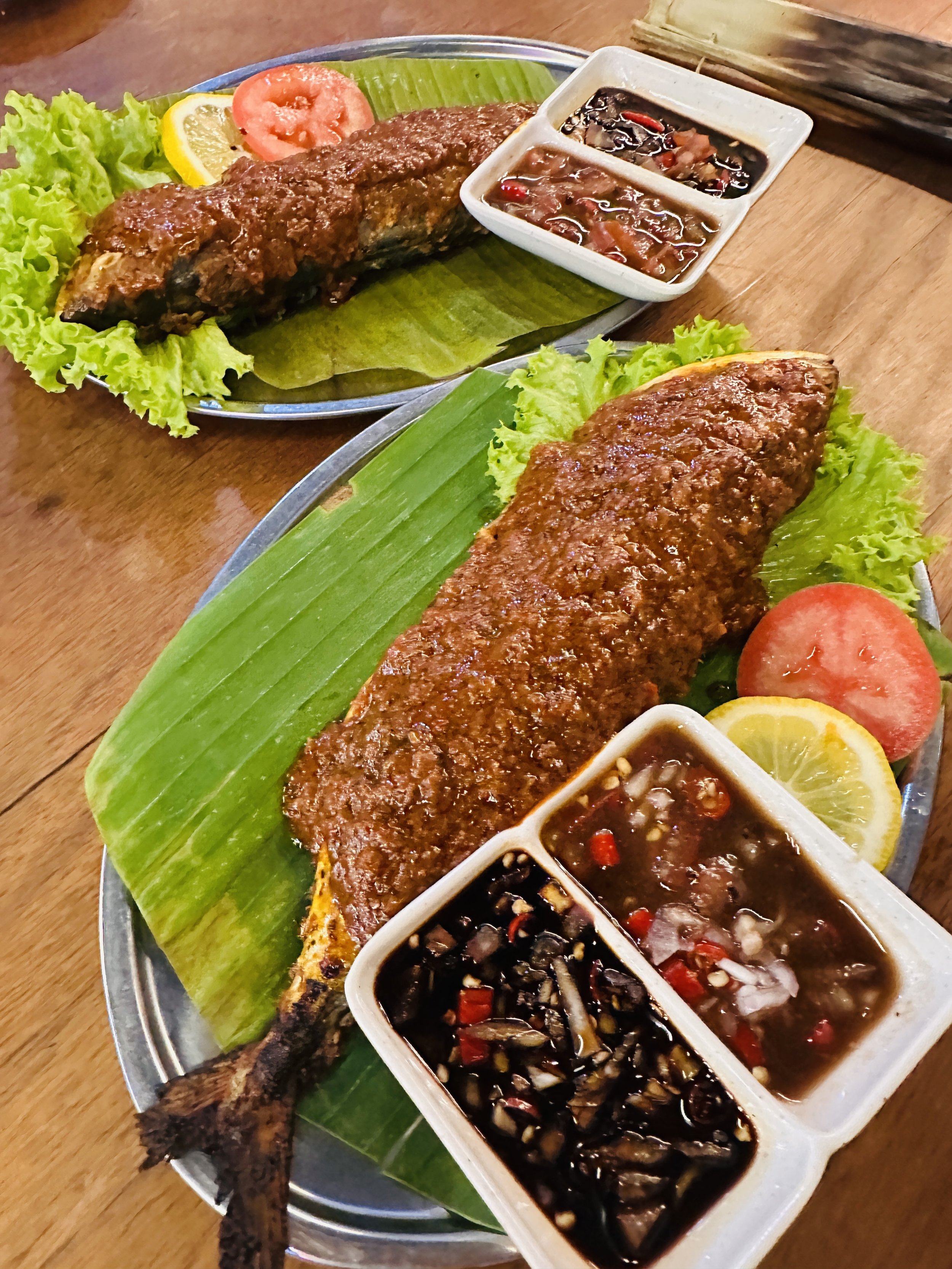
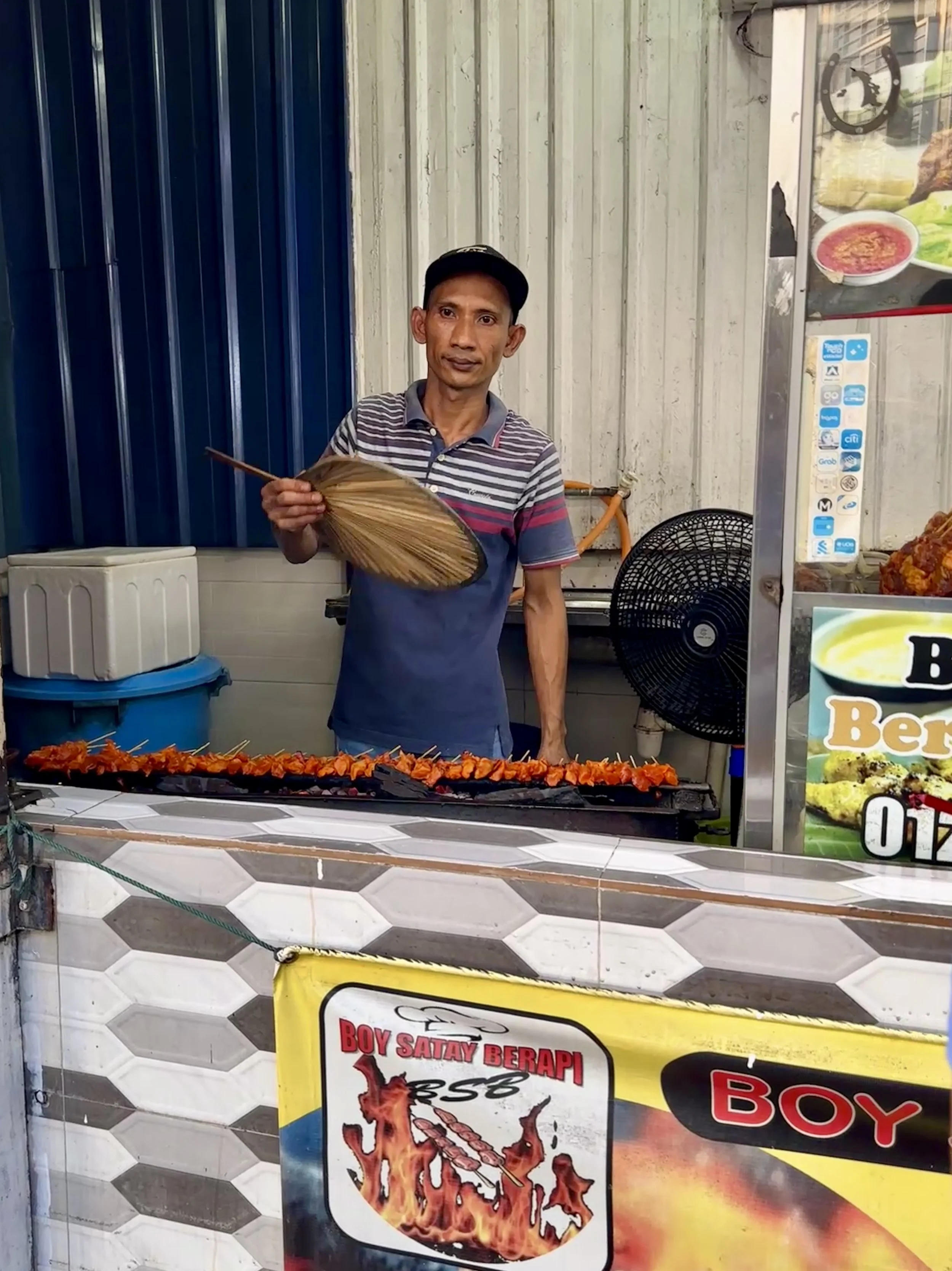
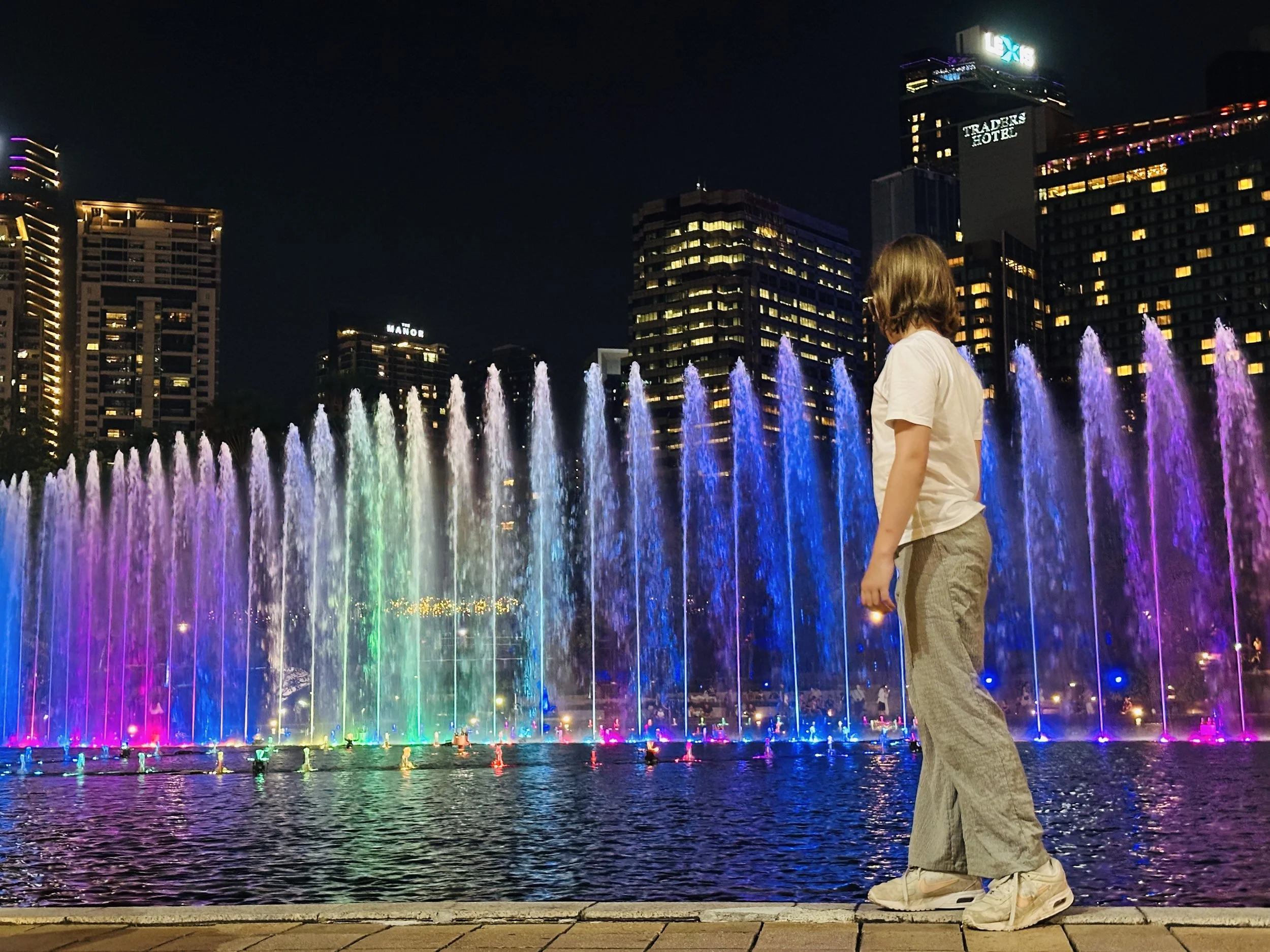
It was Claudia who warmly recommended a visit to a local mosque, and we actually took her suggestion to heart, making the trip the very next morning. The Masjid Wilayah Persekutuan holds the distinction of being the third largest mosque in Malaysia, capable of accommodating up to 17,000 worshippers at a time. Its stunning architectural style is heavily influenced by Ottoman designs, with clear inspiration drawn from the famous Blue Mosque in Istanbul. After Sarah and Leni respectfully covered their hair, we were treated to a detailed and insightful tour of this impressive building. While I certainly do not consider myself particularly religious, I believe it’s always enriching to approach other people’s beliefs with openness and respect. It was especially fascinating to discover the many parallels between the teachings of the Bible and the Quran, which offered a new perspective for me. The afternoon, however, was probably tailored more to my personal interests. We embarked on a fantastic food tour through the bustling streets of Kuala Lumpur. Over the course of about three hours, we strolled through various neighborhoods, sampling around ten different dishes. From beloved classics like Nasi Goreng and chicken Satay, to a variety of flavourful Sambal, Indian Roti, and freshly grilled fish, the culinary experience was exceptional. We even braved the infamous and quite pungent Durian fruit, which was a unique adventure in itself. Everyone enjoyed this afternoon thoroughly, and it truly highlighted the incredible cultural and culinary diversity of the city, with influences from across the region beautifully interwoven throughout its diverse neighborhoods. After watching the water play at the petronas towers, we headed back to our apartment and slept well after a busy day in the city!
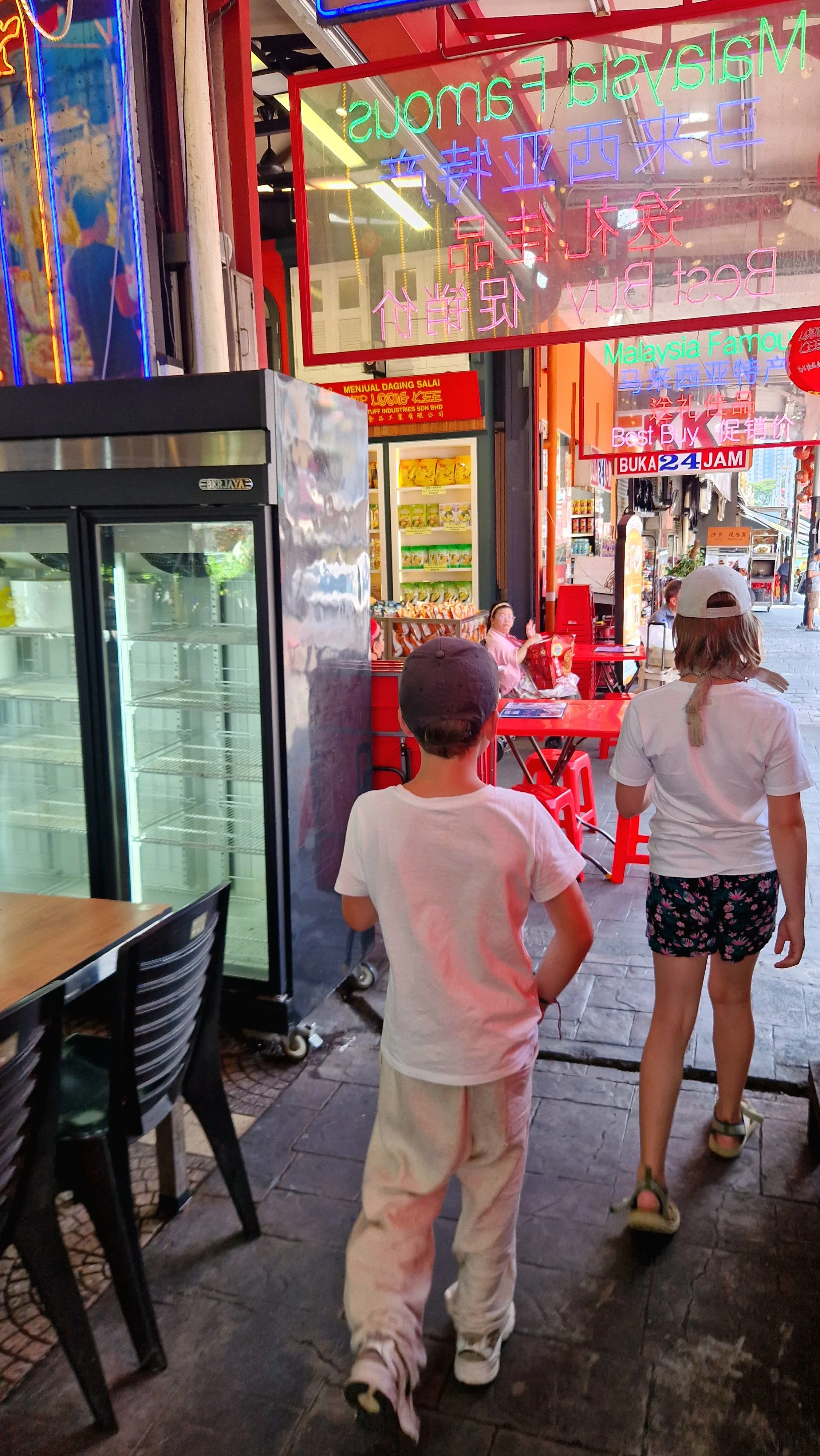
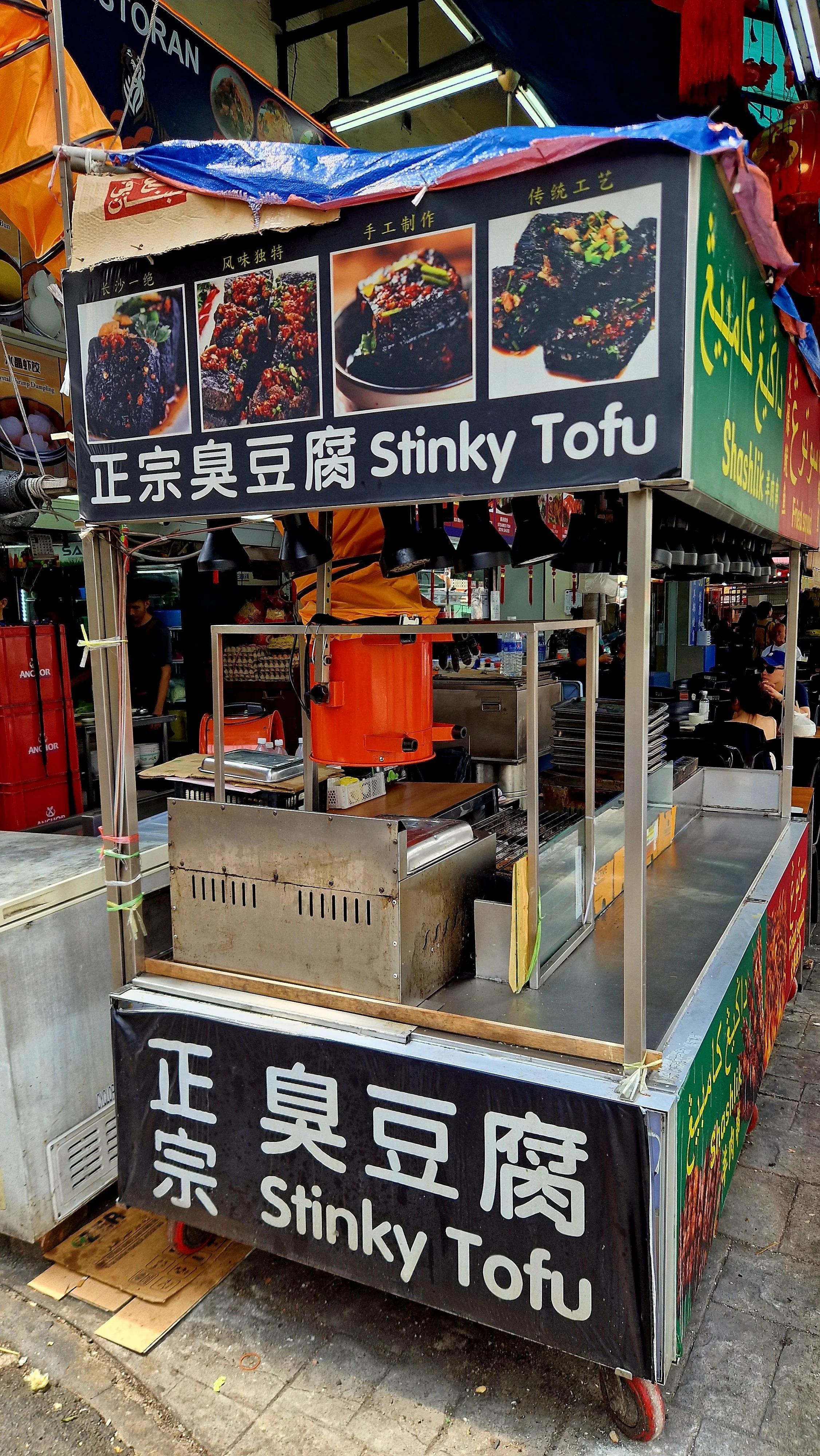
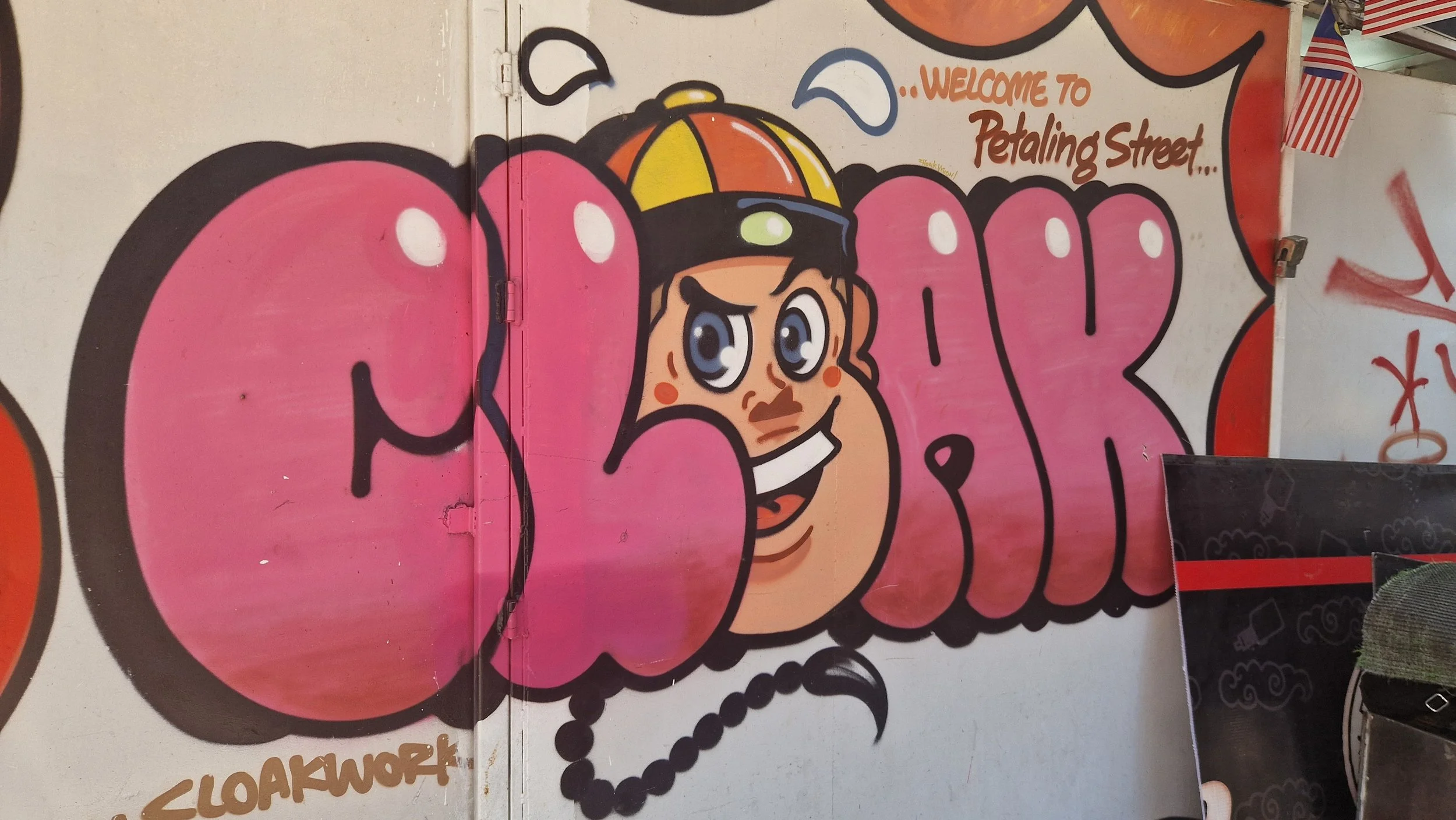
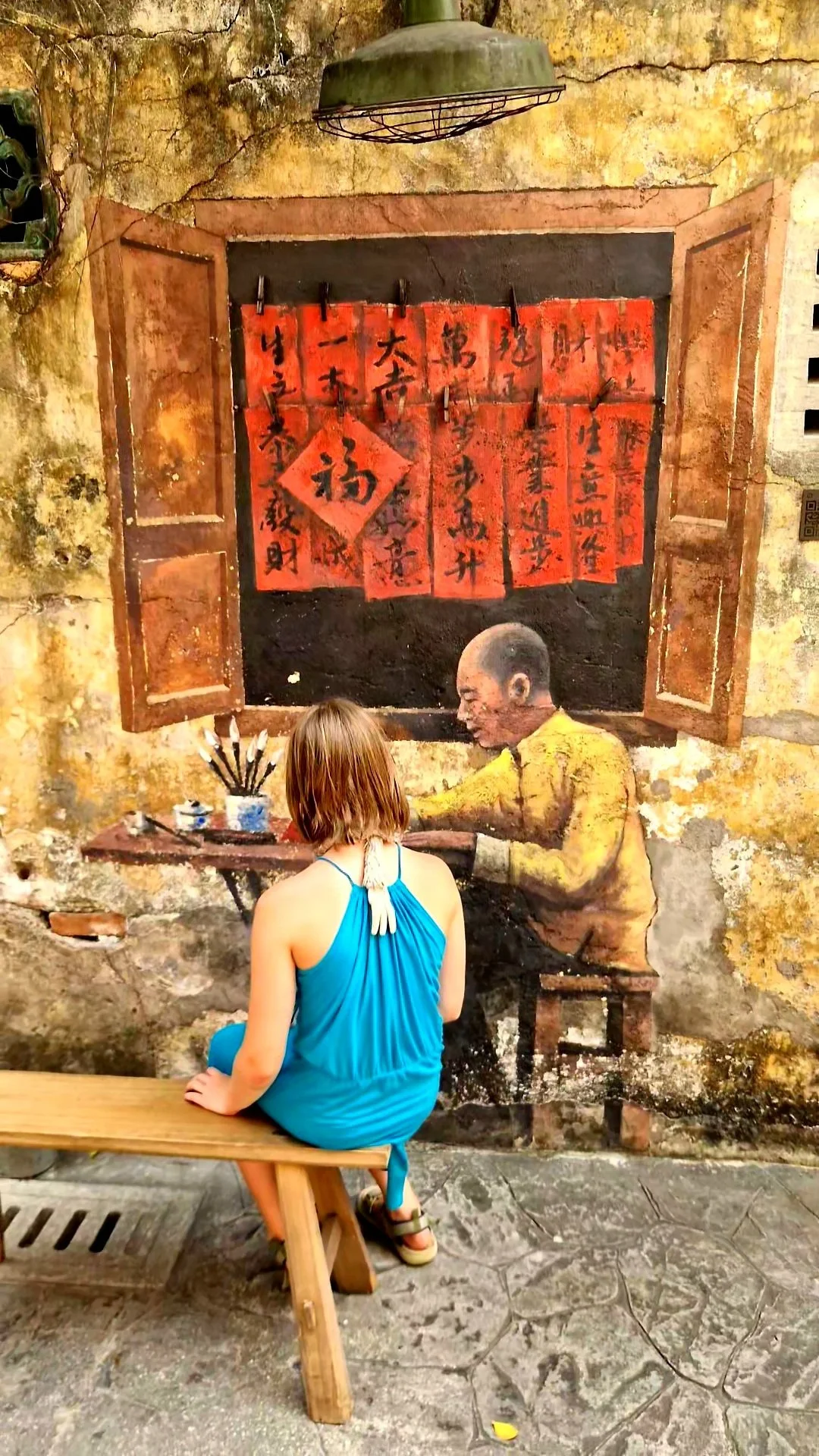
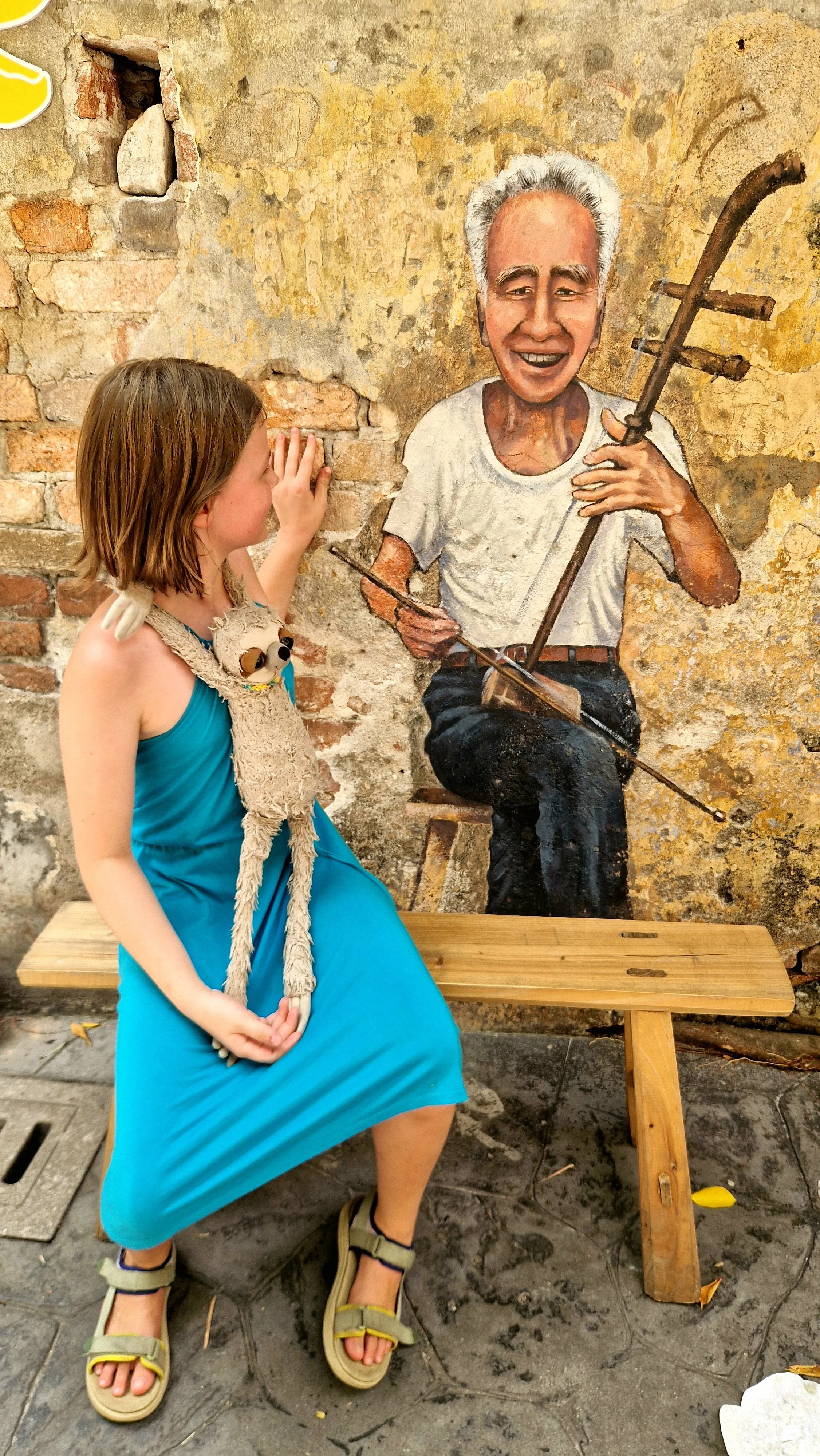
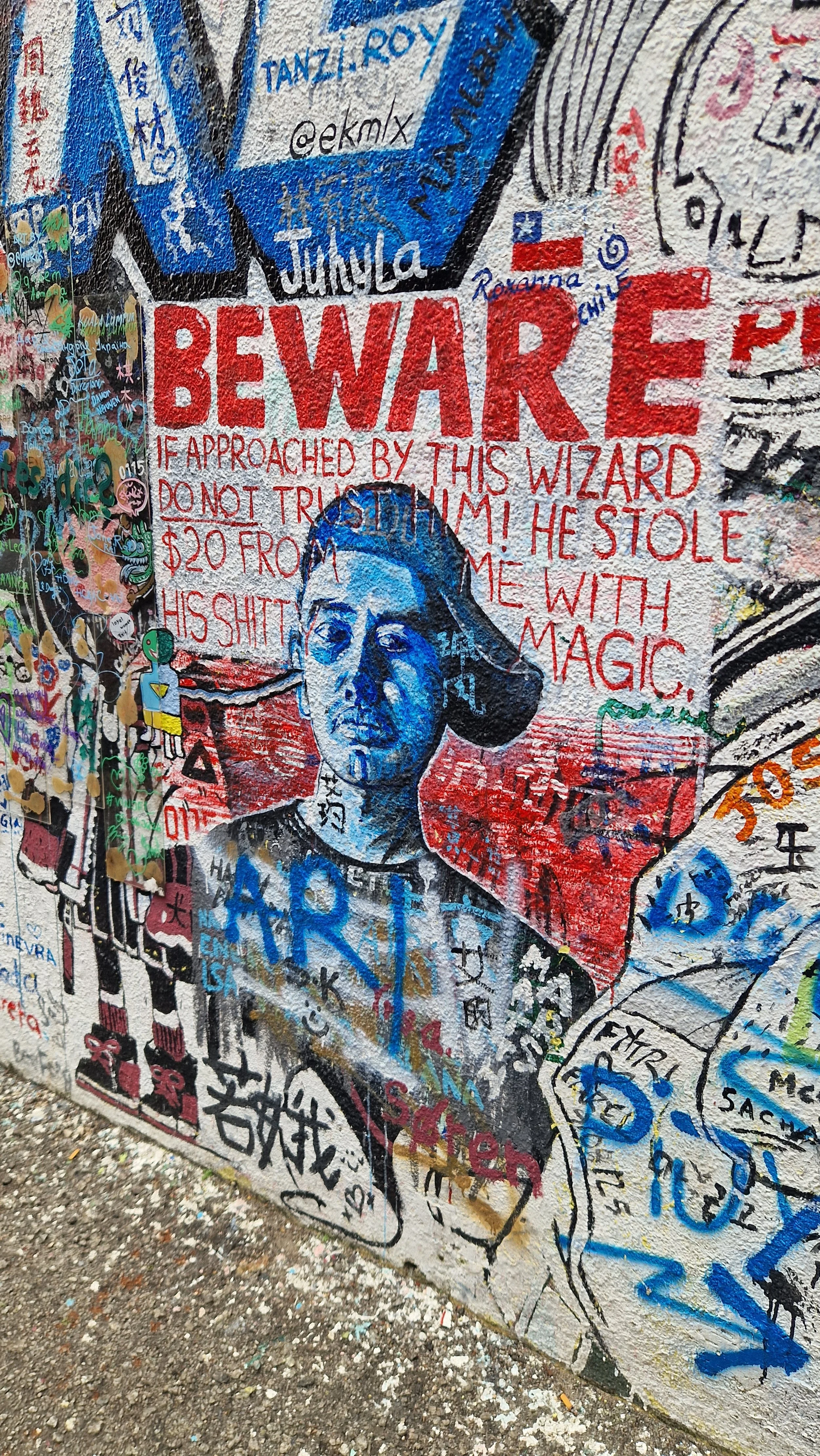
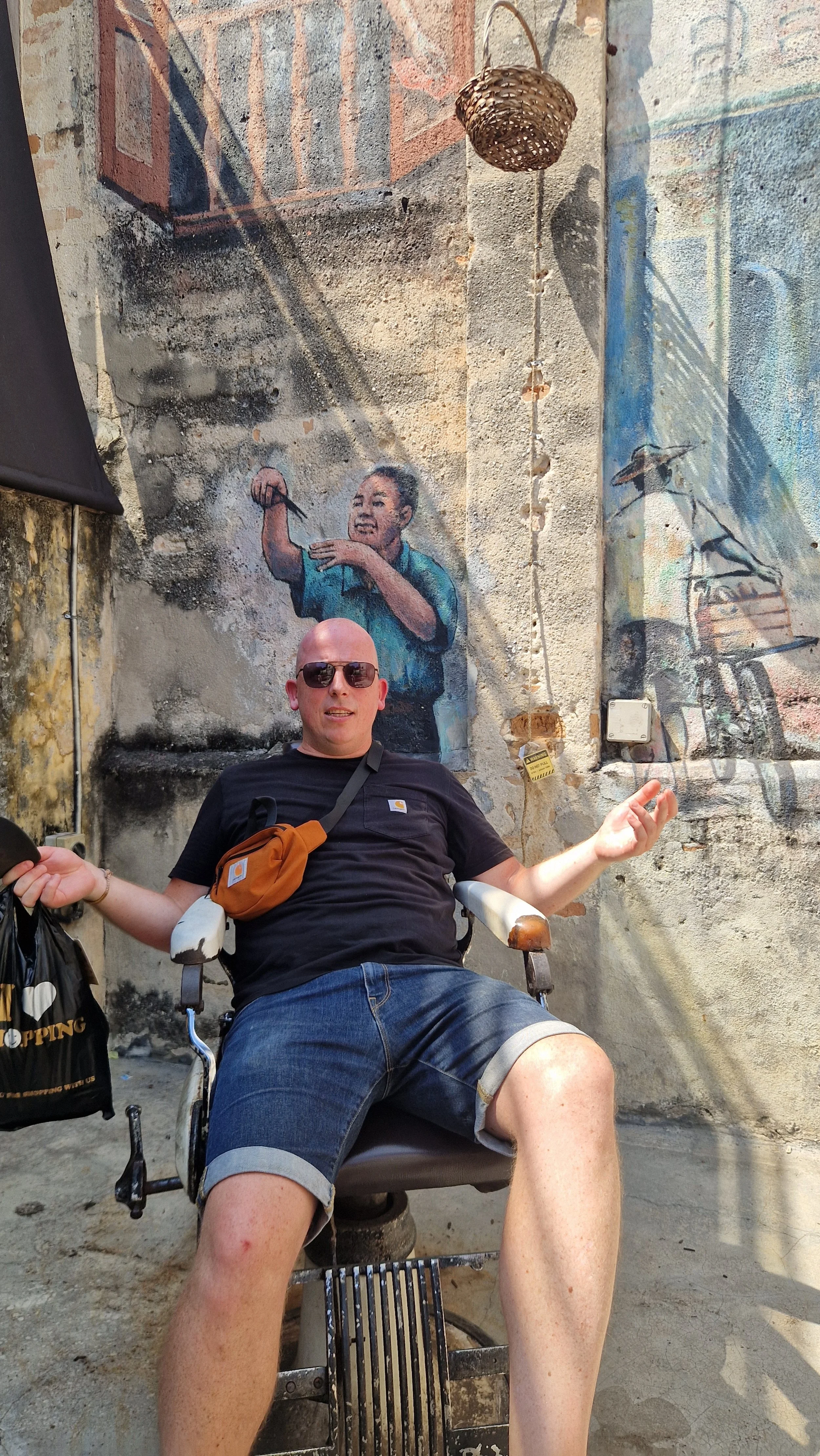
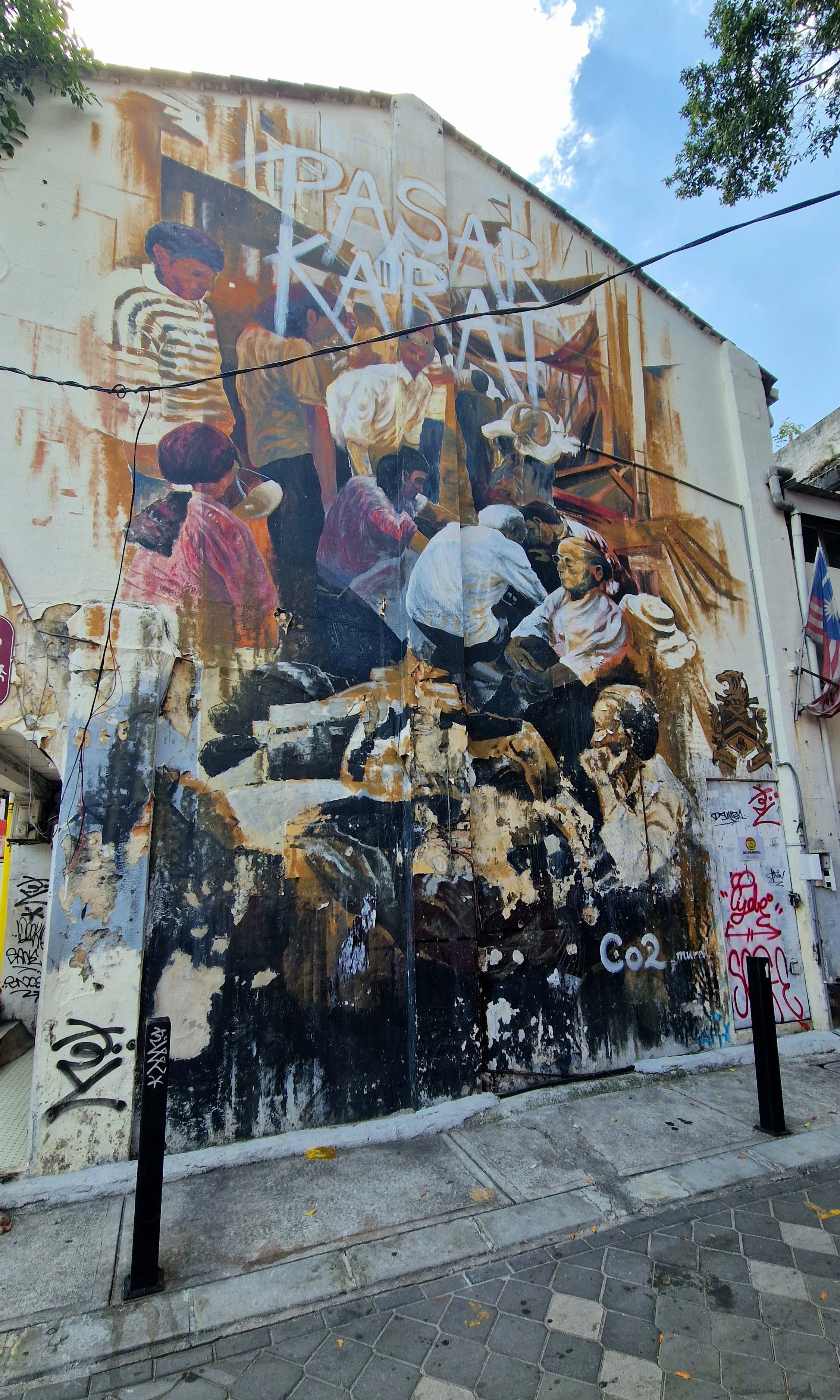
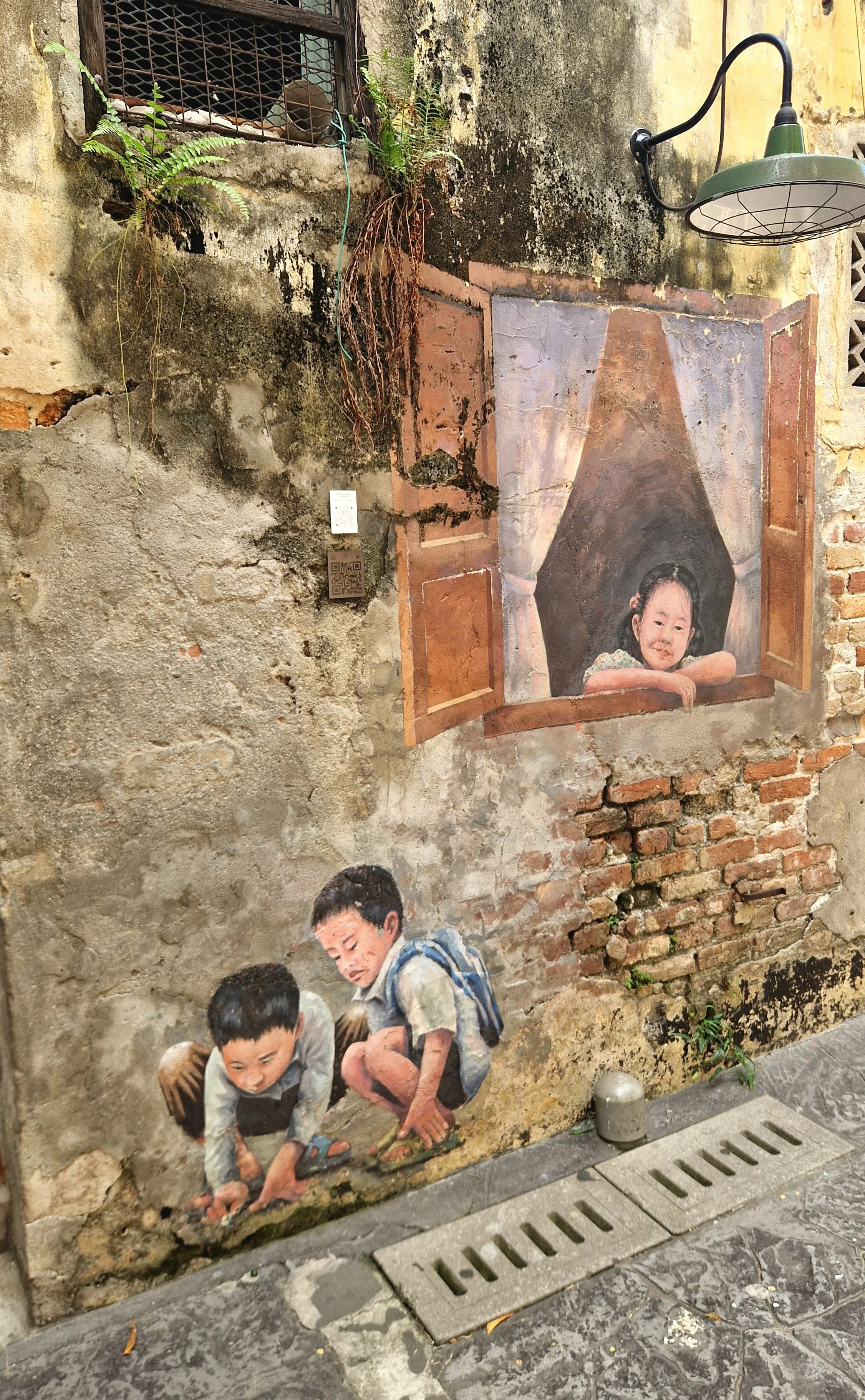
OOn our final day, we ventured out to explore the very lively and artsy Chinatown in Kuala Lumpur. Petaling Street and the Central Market truly form the heart of KL’s Chinatown district, and we thoroughly enjoyed our time immersing ourselves in the vibrant atmosphere. We started the day with a great breakfast at “LOKL,” a cozy café known for its great food and its welcoming ambiance (https://www.instagram.com/loklcoffee/?hl=en). Once we felt sufficiently strengthened, we continued to explore the neighborhood, indulging in some shopping, admiring the numerous captivating street art pieces, and soaking up the unique cultural vibe. Naturally, once our appetites returned, we couldn’t resist trying a variety of local dishes from the many street vendors. The Chinese Beef Roti, in particular, stood out as especially delicious!
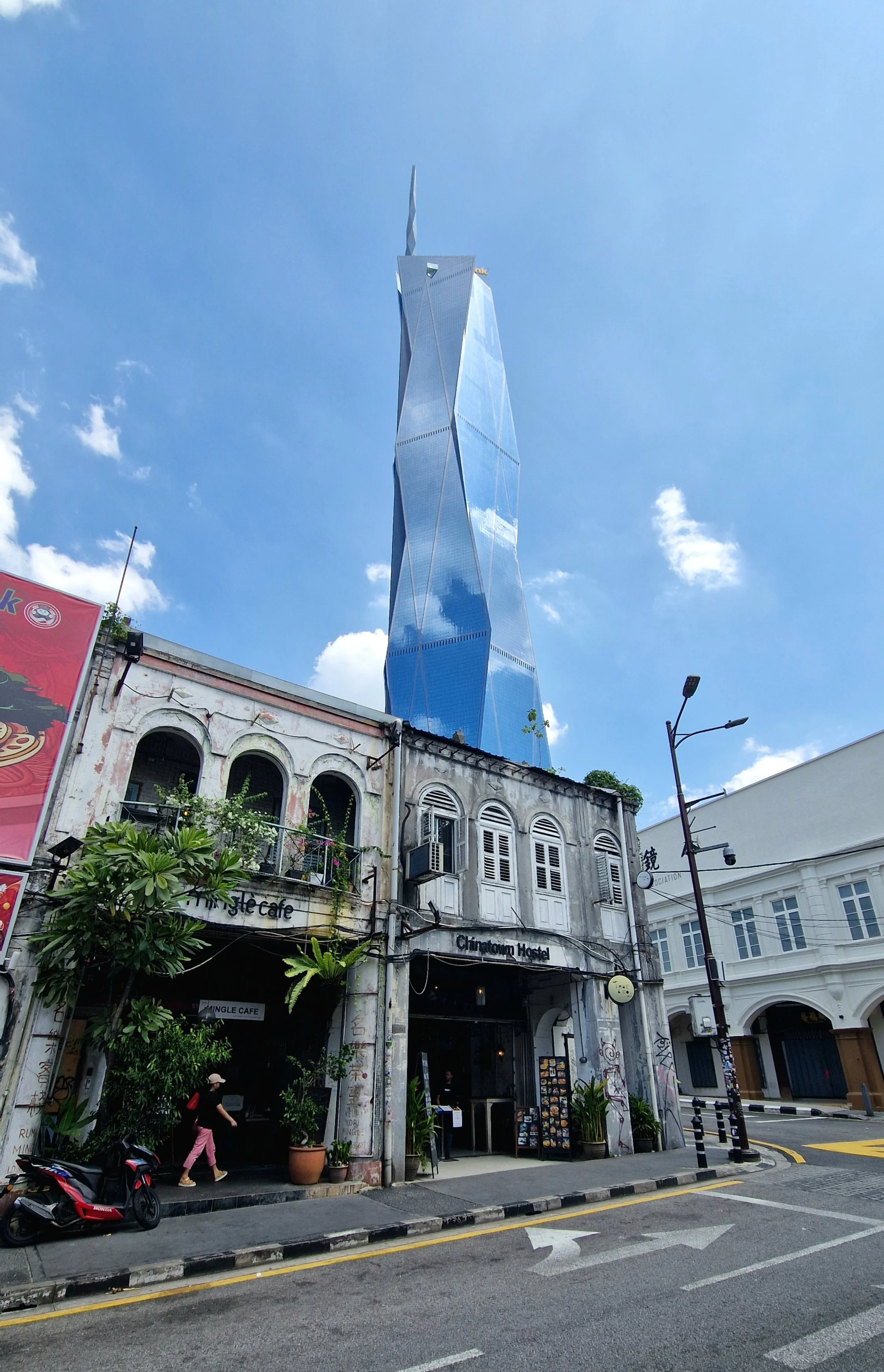
Petaling Street dates back to the late 1800s when the first Chinese tin miners settled in this area, planting the roots for what would become a bustling community. During the British colonial period, the district thrived as a commercial hub, where traditional shophouses sold everything from herbs and textiles to gold. Today, Chinatown is a remarkable blend of old and new, much like many other parts of Kuala Lumpur. Restored Chinese shophouses and temples sit side by side with trendy boutique cafes, creating a fascinating contrast. At the southern end of Petaling Street, you get a clear view of the iconic Merdeka 118 tower. This imposing structure, standing at an impressive height of 678.9 meters, is currently the second tallest building in the world, dramatically shaping the modern KL skyline and making you crane your neck just to admire its spire.
We still have one more evening to enjoy in this fantastic city before a bus will take us to Melaka tomorrow, on the 1st of November. It will mark day 120 of our journey, and Kuala Lumpur has truly given me a real push to make the absolute most of the remaining time we have left. Melaka will certainly offer a more laidback and relaxed pace compared to the bustling energy of KL, but with Singapore and Ho Chi Minh City still ahead, we have two more vibrant mega cities lined up. We can hardly wait to dive into the experiences and adventures they have in store for us!