Bacalar & Xul-Ha, Mexico
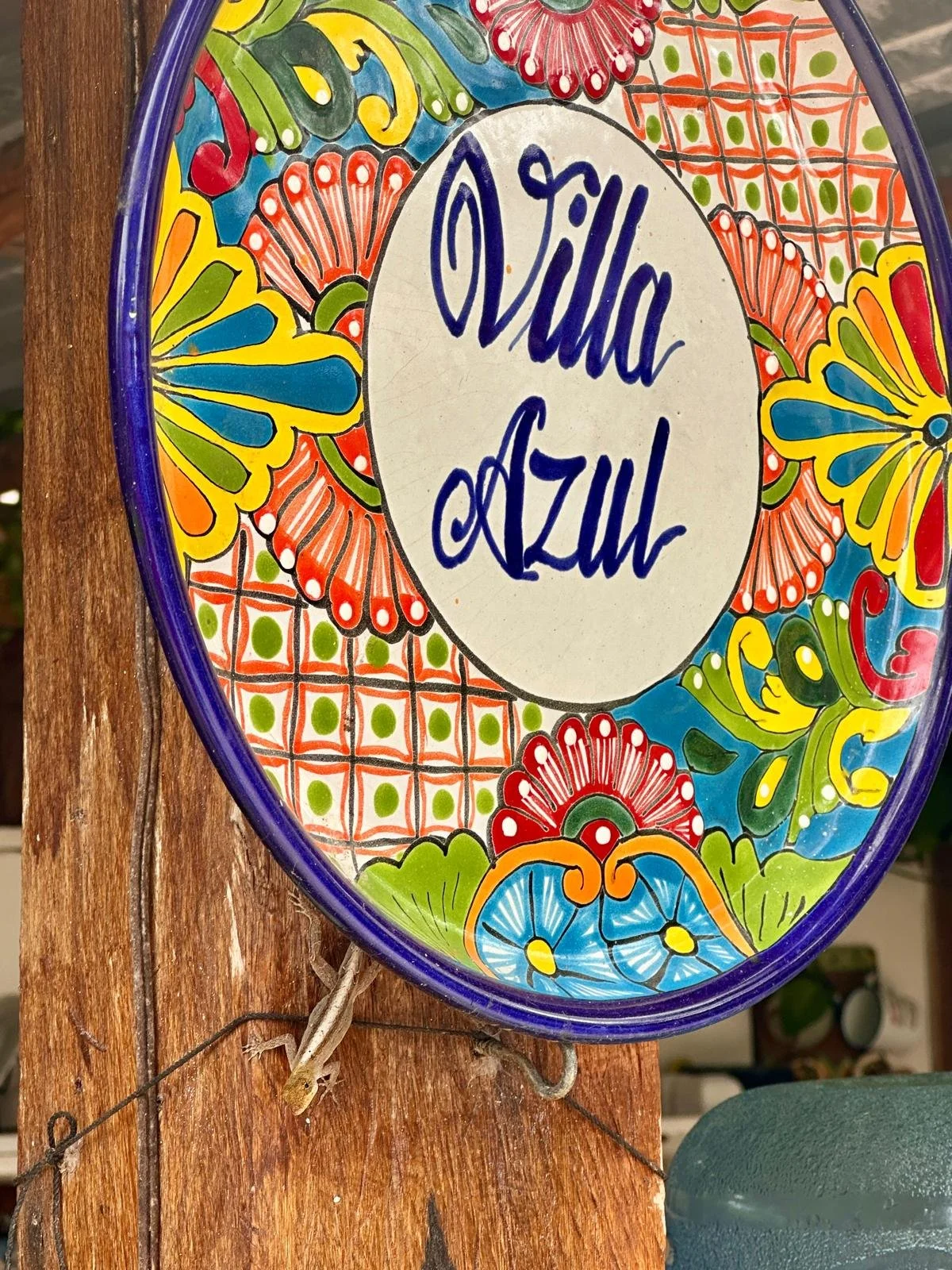
Our journey through Mexico continues, and after we had left Tulum by bus on the 5th of April, we arrived in Xul-Ha some three hours later. Xul-Ha, a neighbouring town of the more popular Bacalar, which is predominantly known today for its lagoons and cenotes but also has a rich history as one of the oldest continuously inhabited places on the Yucatán peninsula. We found a small hotel in Xul-Ha and planned to stay there for two weeks. Staying true to our wish to travel slowly, two weeks in this quiet town felt like the right choice after several busy weeks with family and friends. Admittedly, when we first arrived we had some doubts about whether the place might be a bit too quiet, but after the first couple of days passed we all realised it was exactly the right decision. As so often, we discovered the hotel via one of the popular booking platforms, then contacted them directly to ask for “a special deal,” since we intended to spend 14 days - far longer than the average tourist in Xul-Ha. Direct booking meant the hotel avoided paying commission to the platform, so they were usually willing to offer a reduced rate; booking platforms typically take 15–20% commission, and Airbnb sometimes even more. Villa Azul in Xul-Ha agreed to give us 20% off the original price, which felt like a fair arrangement for both sides. After some more expensive weeks in Tulum, this discount allowed us to get back closer to our 100€ per day budget, which had been under strain since we arrived in Mexico.
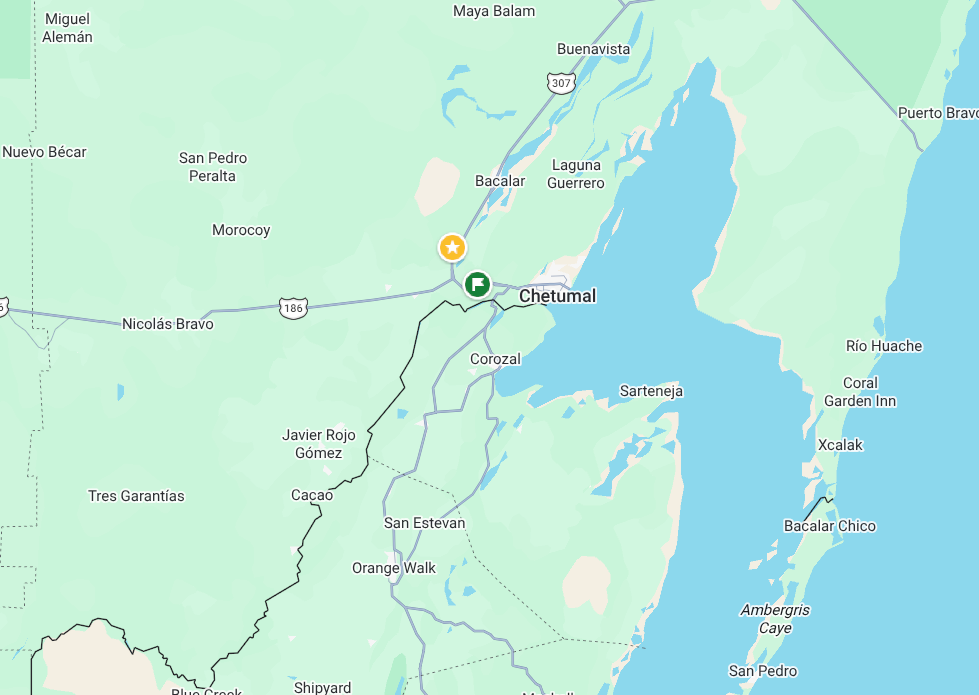
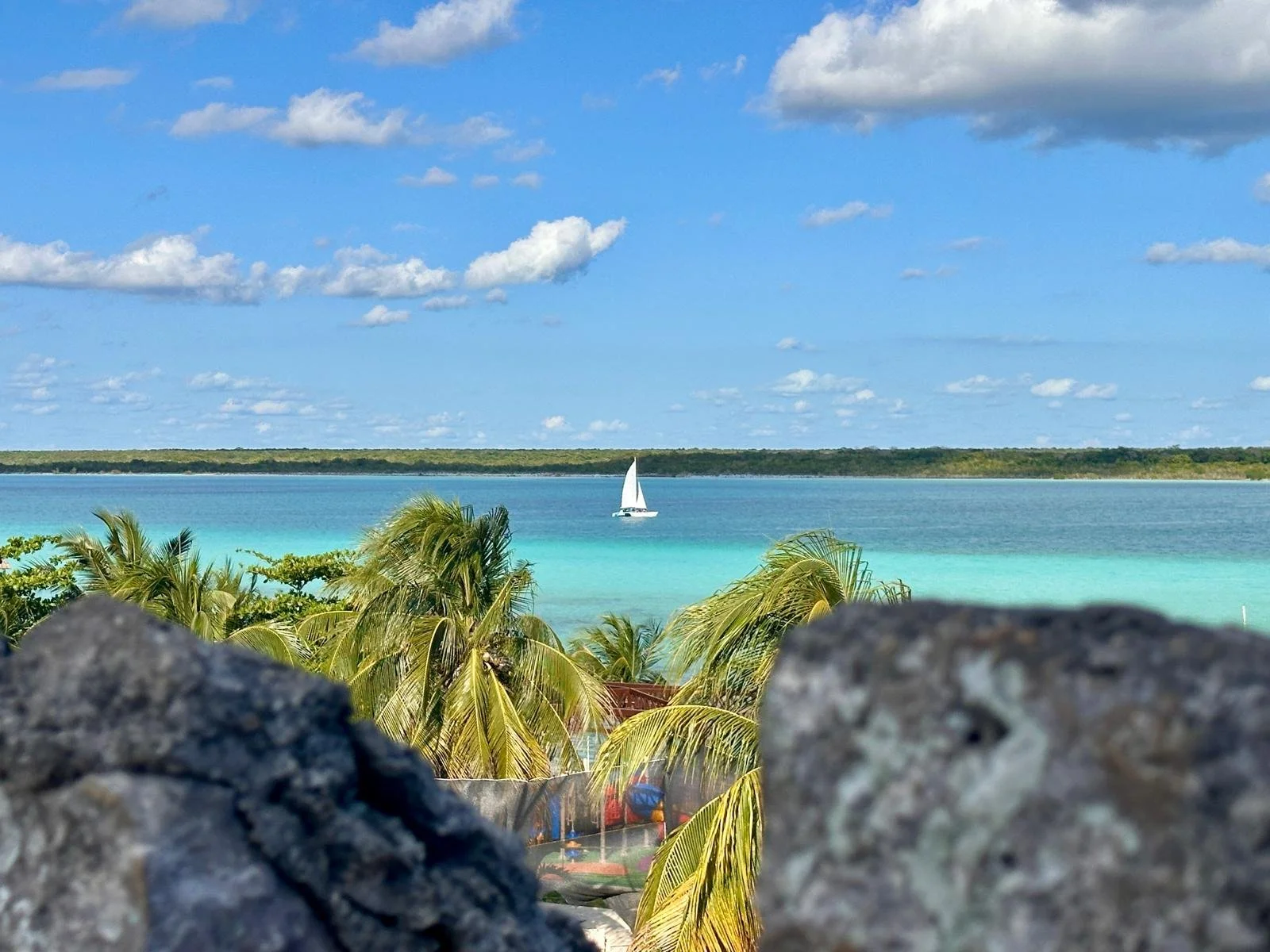
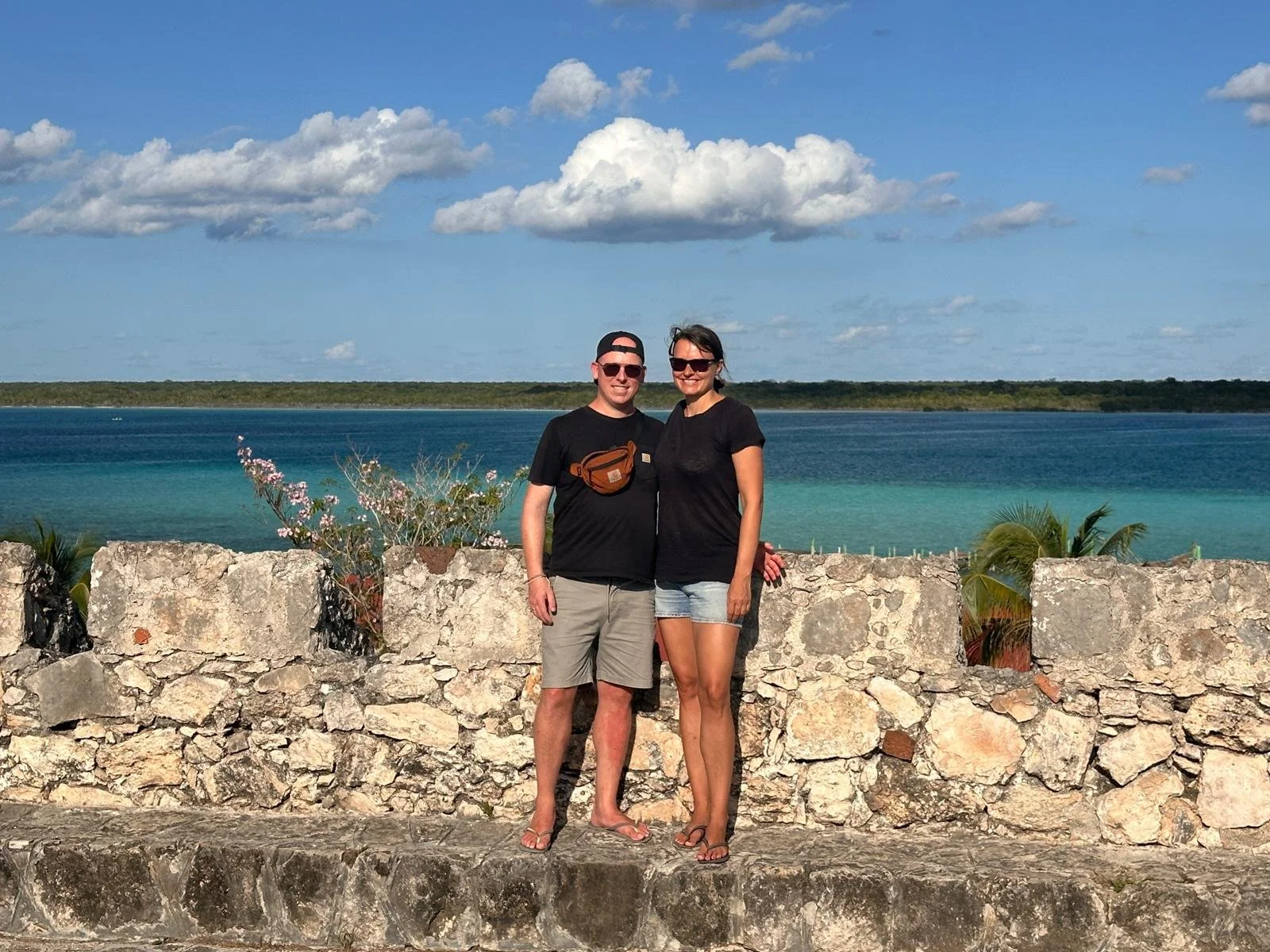
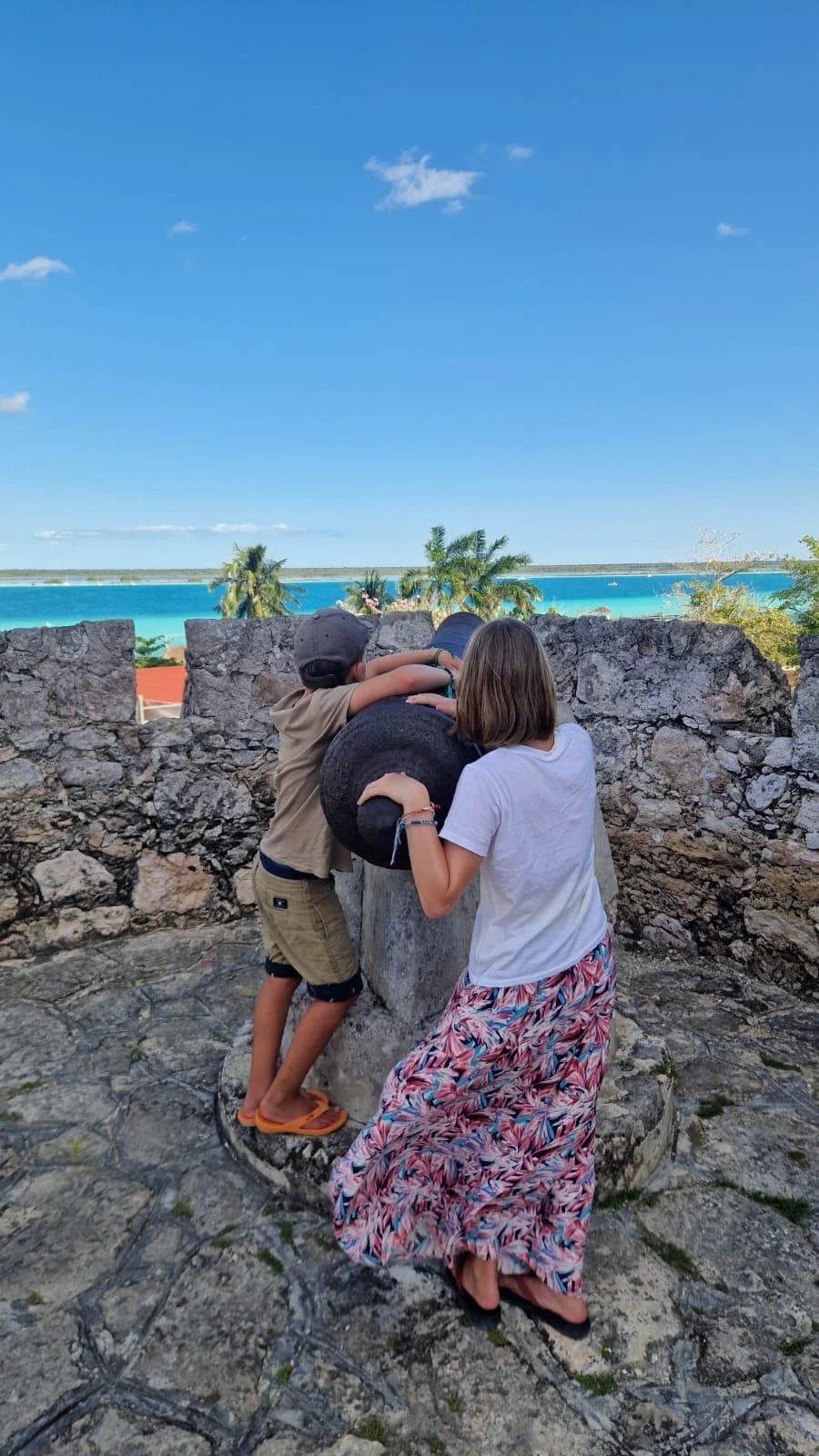
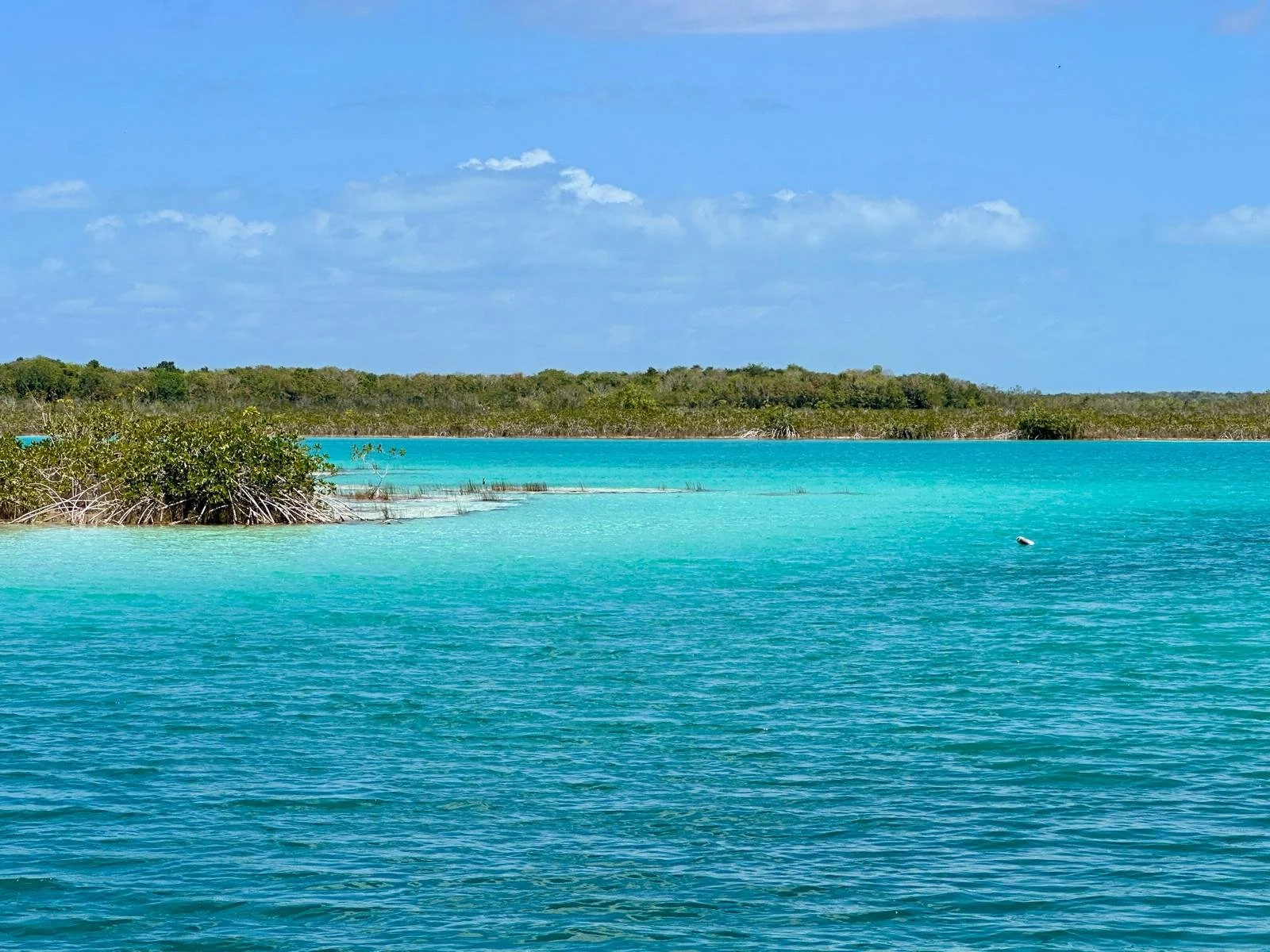
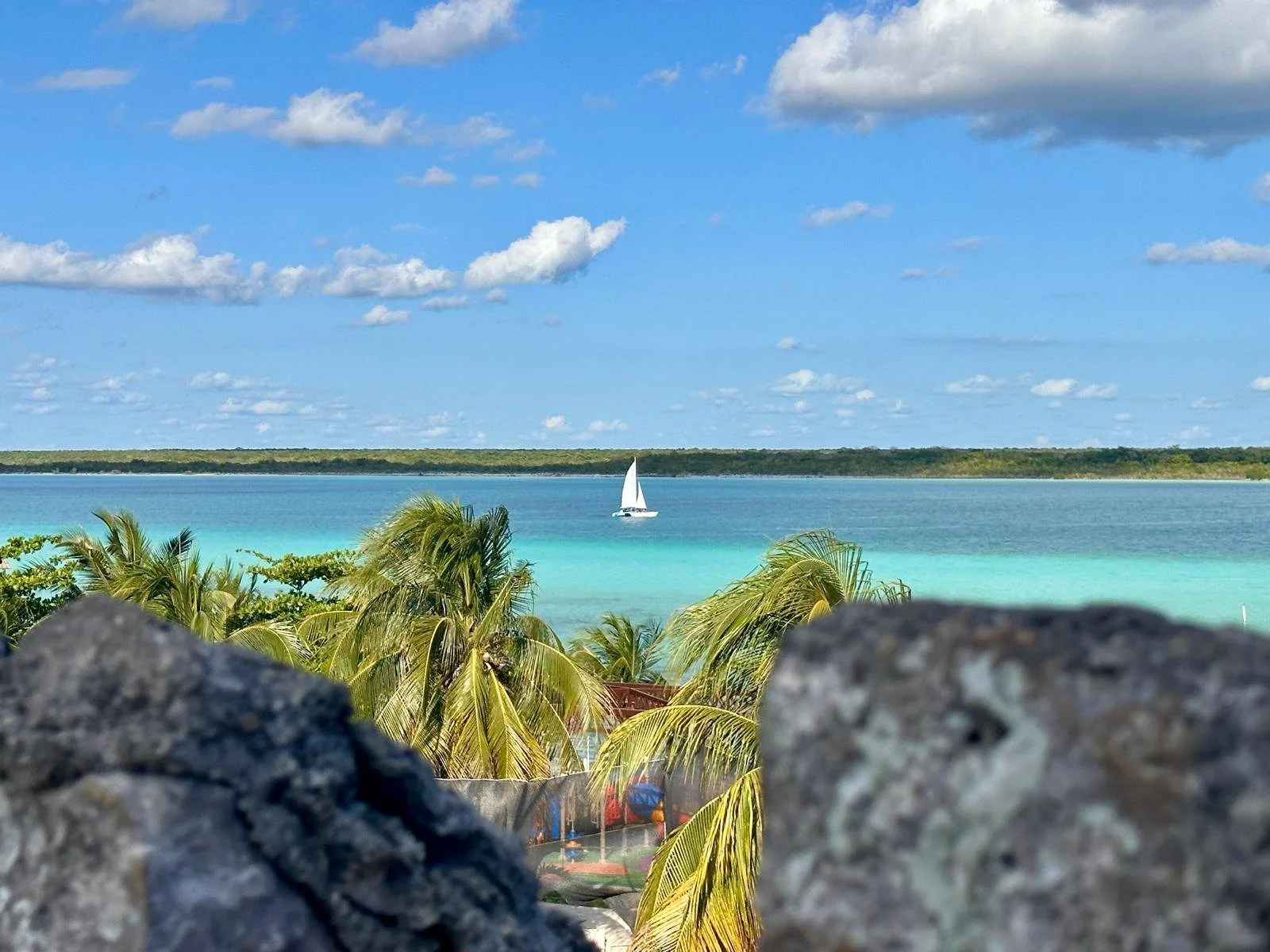
Bacalar and Xul-Ha, with the slightly more easterly Chetumal, lie in the far southeast of the Yucatán Peninsula, just a ten-minute drive from the border with Belize. We chose the Bacalar area because it is famous for its beautiful lagoons, the “Lagunas de los Siete Colores,” a freshwater lagoon with striking blue gradients. Bacalar was founded by the Maya in 415 AD and became a major regional center within the Maya political system. From its founding until it was captured by the Spanish in 1543, it served as a trading hub for jade, obsidian, salt, cacao and textiles, linking the coastal town with inland settlements. Although the eastern Yucatán often saw conflicts between rival Maya groups, Bacalar remained a steady stronghold for commerce. Everything changed with the arrival of the Spanish and especially after Bacalar was conquered in 1543. The town was rapidly transformed into a colonial settlement and, as elsewhere, the Spanish imposed harsh tribute systems on the Maya population. In addition to forced labor and taxation, introduced European diseases such as measles and smallpox devastated the indigenous inhabitants. By the late 16th and early 17th centuries a new threat emerged: the pirates of the Caribbean. Bacalar’s position, connecting the Caribbean Sea to inland waterways, made it especially vulnerable to raids that severely disrupted regional trade and drove away settlers needed to stabilize the town. In 1638 Bacalar was attacked and sacked by pirates; the settlement was largely destroyed and ceased to function as a Spanish town for decades. Eventually the Spanish reasserted control, and in 1729 they built the Fort San Felipe, which still stands prominently along Bacalar’s coastline. By the late 1840s, conditions for the indigenous Maya population had become so severe that they launched a wide-reaching social revolt that became known as the “War of the Castes.” Beginning in 1847, Maya forces destroyed numerous colonial towns, killed or expelled many non-Maya inhabitants, and by late 1848 came dangerously close to overturning colonial authority in the region. The Mayan armies were forced, however, to withdraw temporarily from the battlefields—partly because fighters had to return to plant crops and secure food for their communities—which gave government forces time to regroup and counterattack. Although the intensity of fighting diminished after the late 1840s, the conflict persisted sporadically for decades until Mexican federal troops captured Chan Santa Cruz in 1901, an event that marked the military defeat of the organized Maya resistance. The War of the Castes remains one of the most sustained and significant indigenous resistance movements in the Americas.
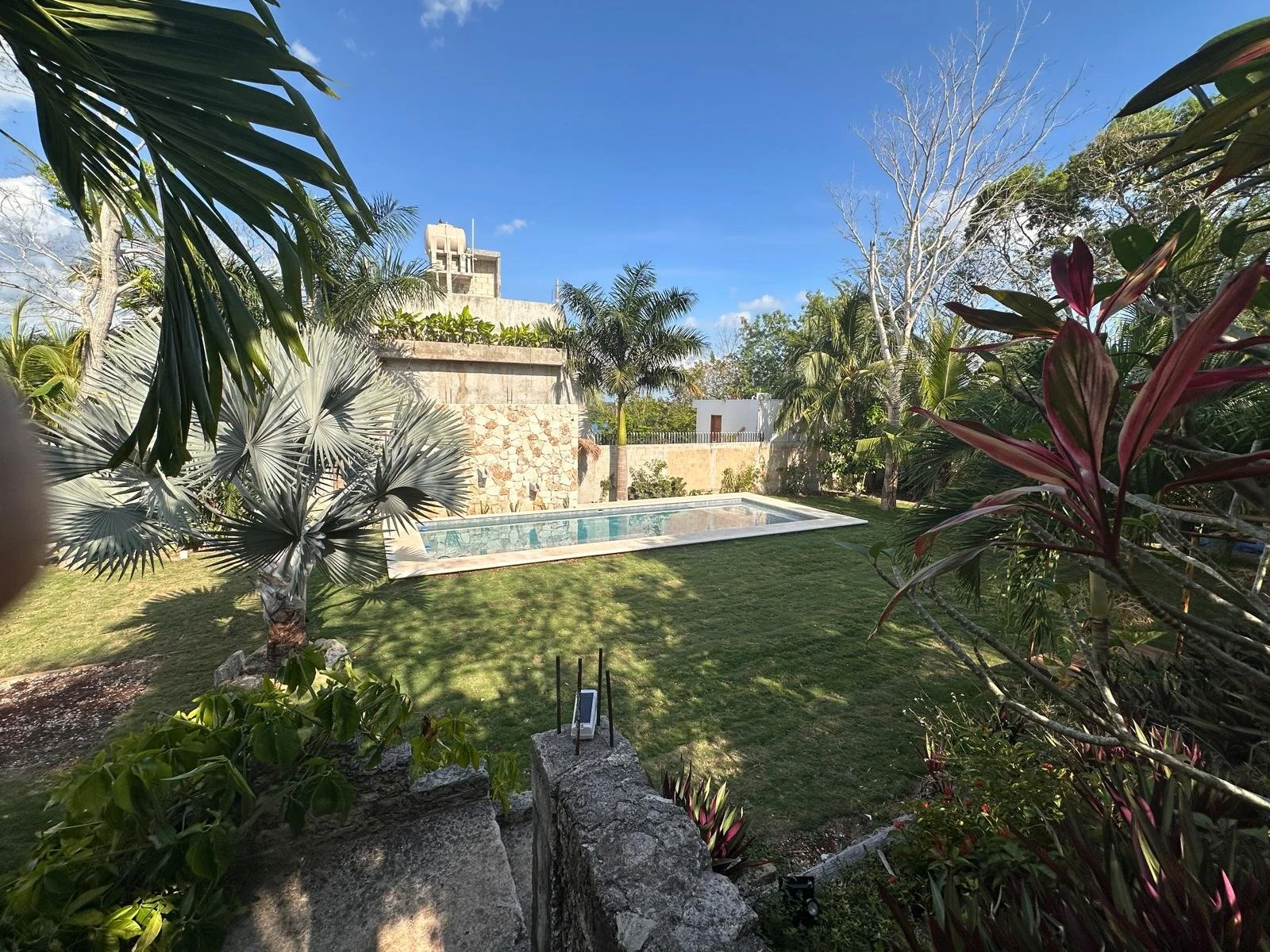
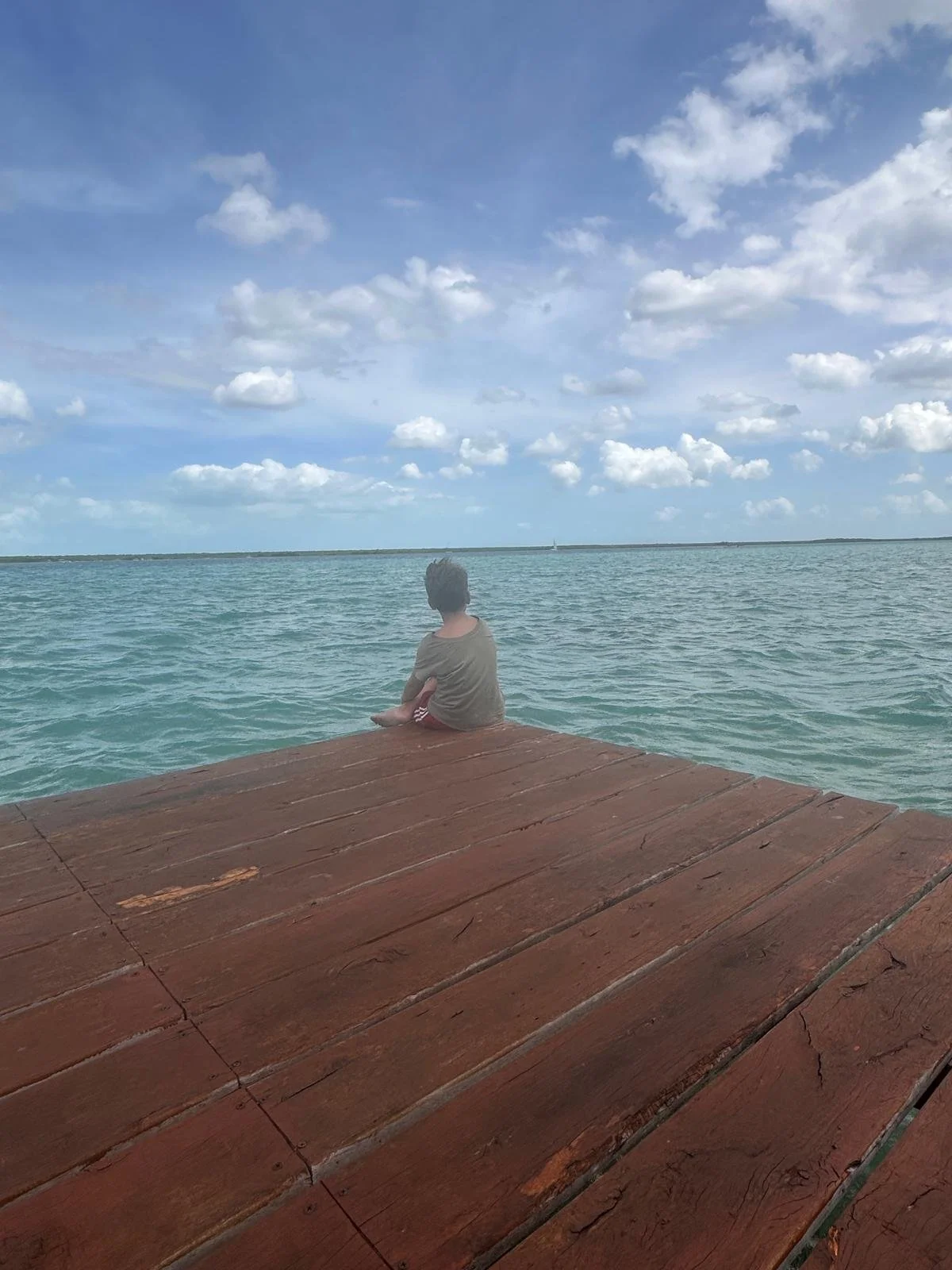
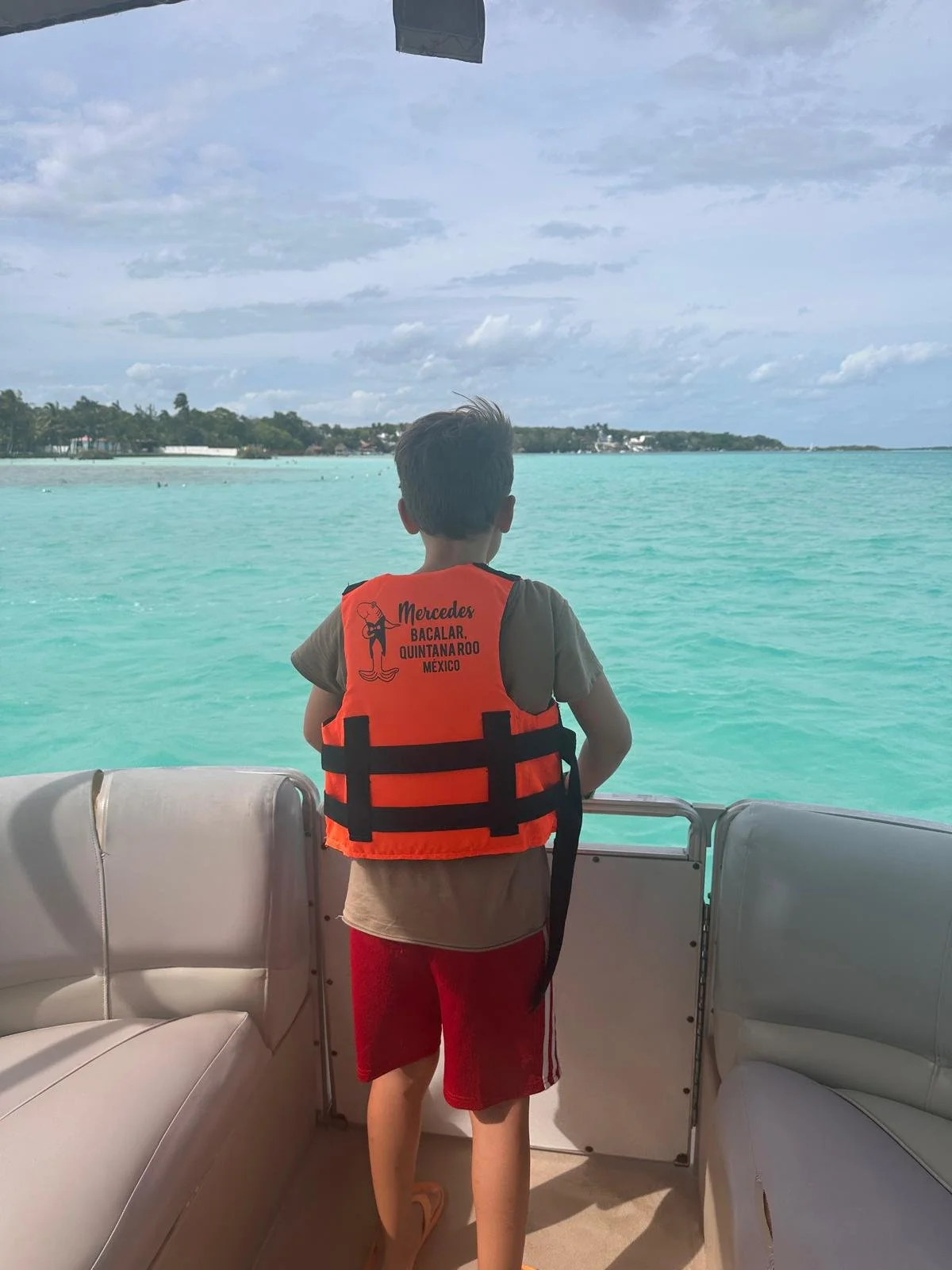
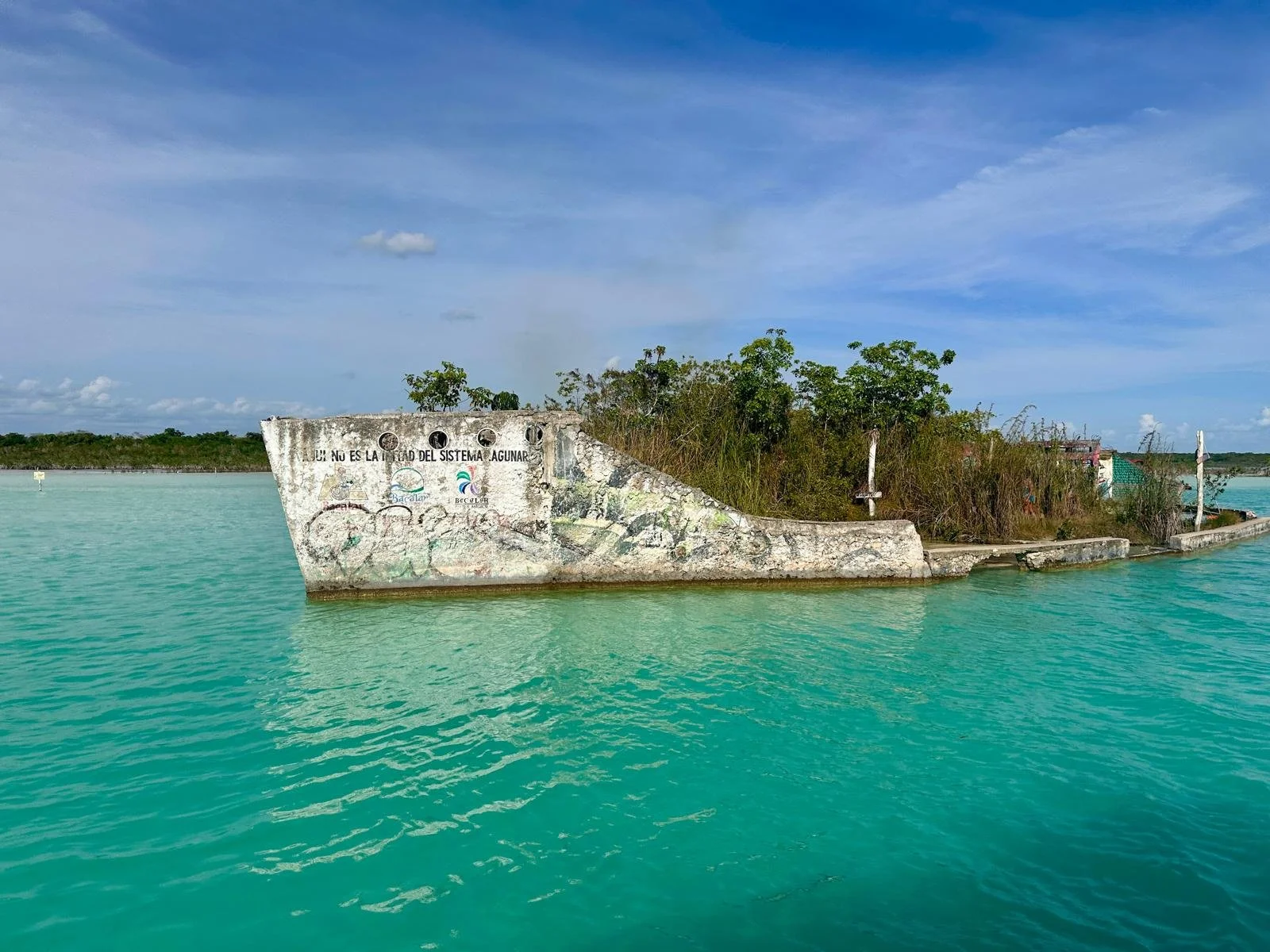
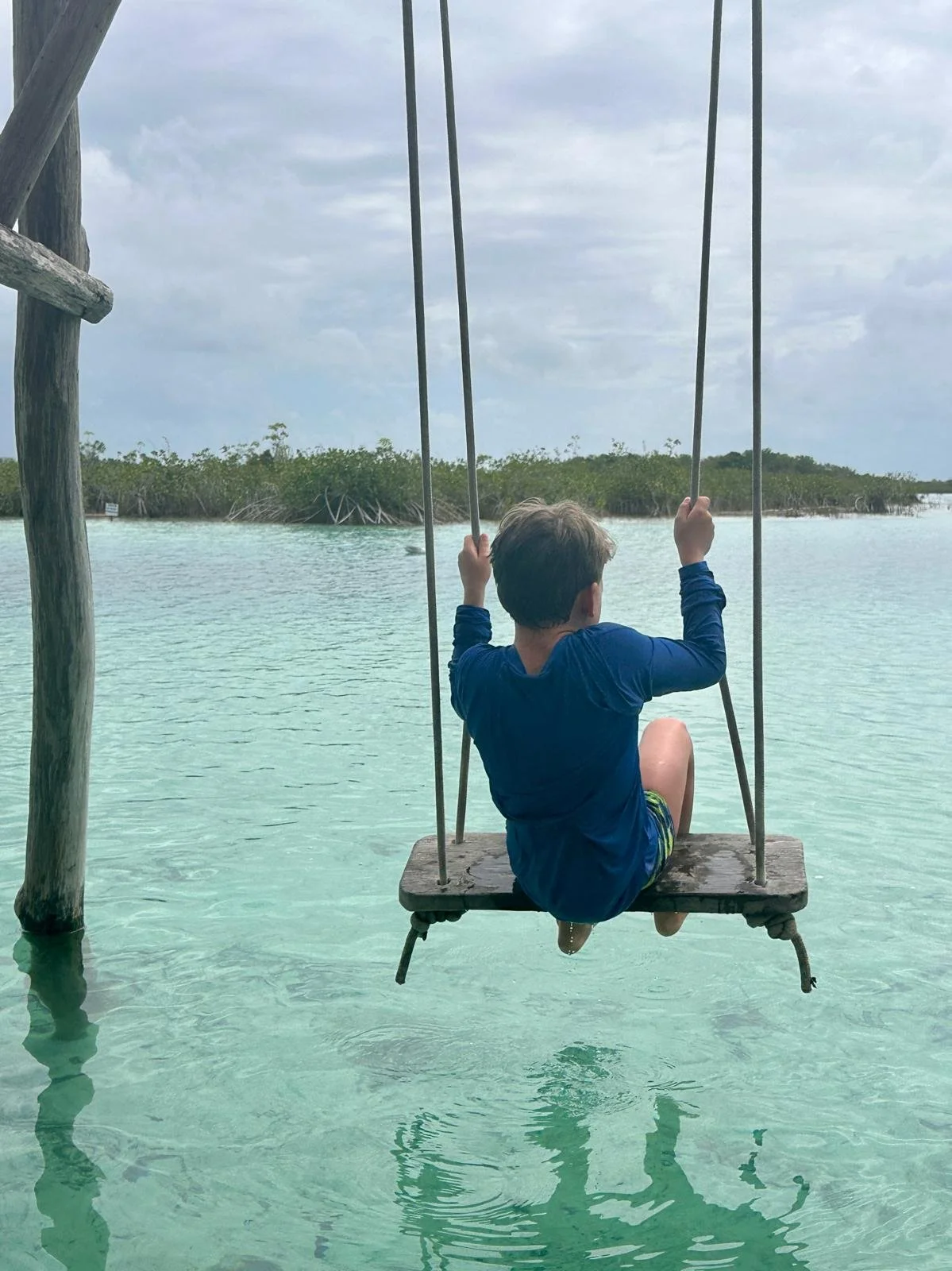
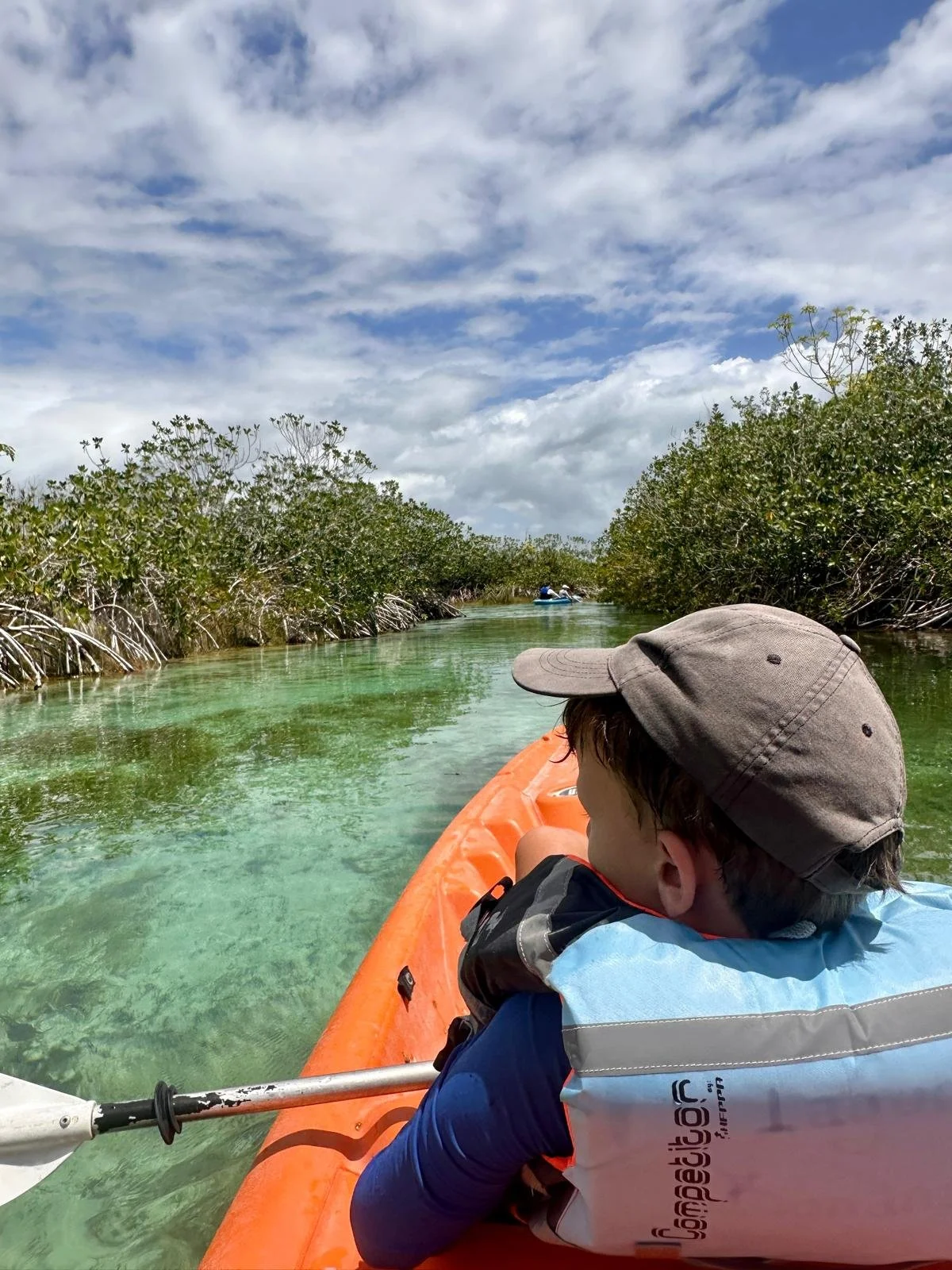
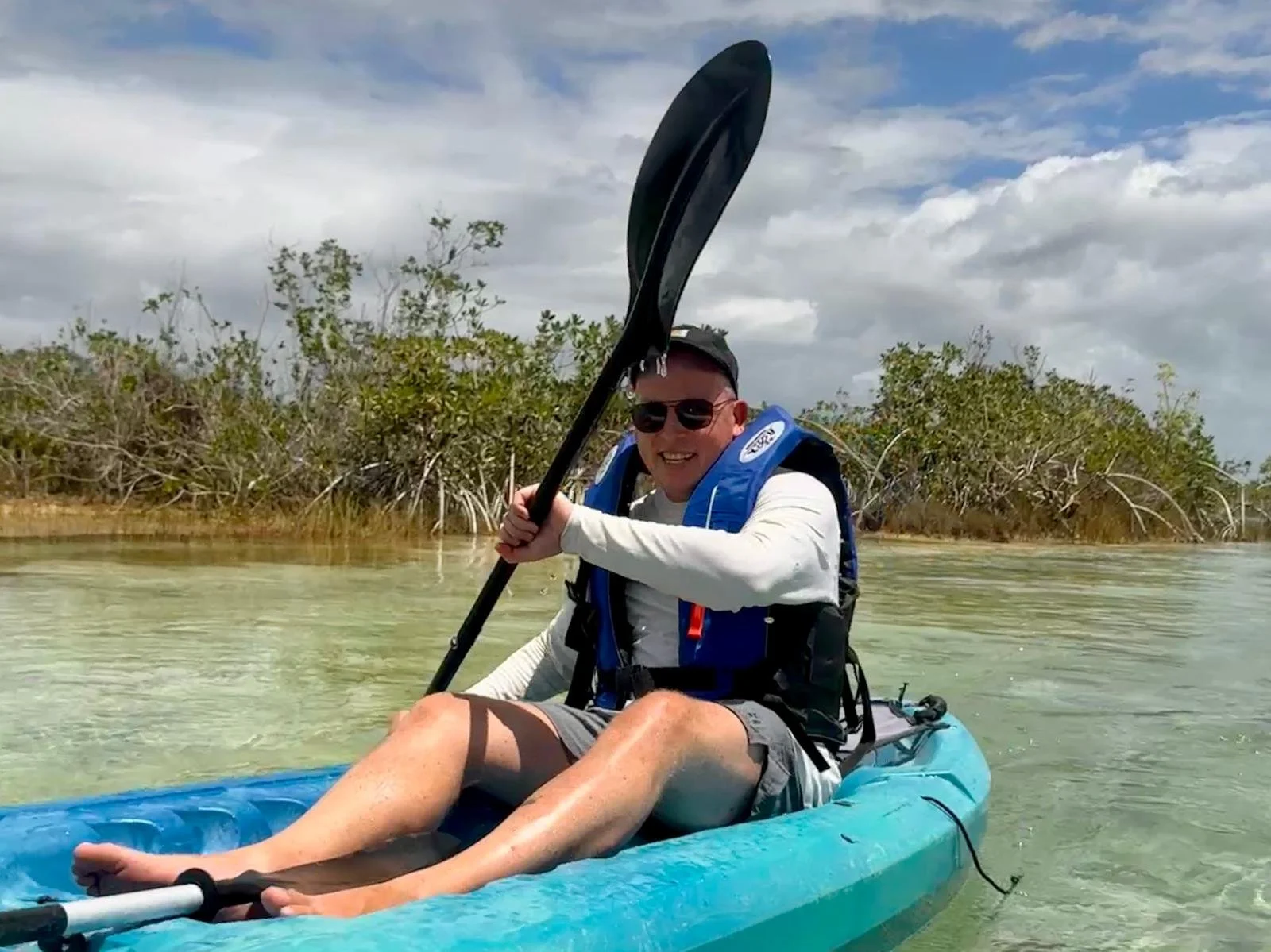
Our time here in Villa Azul in Xul-Ha can best be described as a welcome period of deceleration. After several busy weeks spent with family and friends and a string of fairly frequent moves, we truly appreciated staying in one place for 14 days, especially a spot that offered only a few distractions. Xul-Ha is a tiny village - apart from a handful of small restaurants and a couple of tiendas with very limited selections, there really isn’t much here. Well, there’s the stunning lagoon, of course, and our cozy little hotel with a very nice swimming pool that we used often. We made a couple of trips to Bacalar, enjoyed a fabulous boat tour of the nearby cenotes, and rented kayaks from a local beach club to paddle through the strong currents of “Los Rápidos,” but beyond those outings we mostly savored the tranquil pace of life in this small Mexican village. In the last days, Sarah and I spent a lot of time planning the next week of our travels, since getting around here isn’t always straightforward. Distances are long and the infrastructure is somewhat limited, which makes logistics more time-consuming than we’d like. To be honest, we’ve both begun to feel a bit weary of the constant travel planning - not tired of traveling itself, not at all, but the organizing and coordinating side is something we’d happily hand off right now. I also think that with only six weeks left of our long journey, certain issues related to what comes after the trip are becoming more pressing and require a little more attention and mental space. That, however, doesn’t change the fact that we are still thoroughly enjoying our life on the road, and with so many incredible experiences collected over the last nine months, we naturally want to ensure that our journey concludes exactly as it deserves - on a high note.
Tomorrow, we will move on to Chetumal, a small coastal town even closer to the border with Belize, from where we will take a bus on Monday the 20th to Flores in Guatemala (via Belize), a gateway to the impressive and mysterious Maya ruins of Tikal. Although we visited Guatemala some years ago, we only explored the Pacific side of the country then, so this time we’ll have the chance to experience some of the most awe-inspiring and well-preserved ruins in Central America. I’ll include details and photos as part of my next update. Until then: be well!