Tulum, Mexico
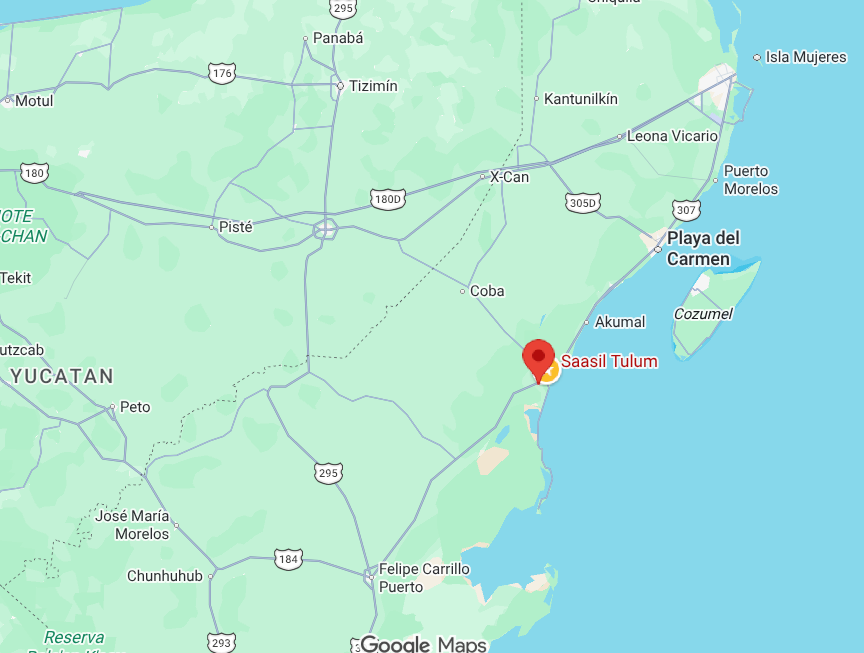
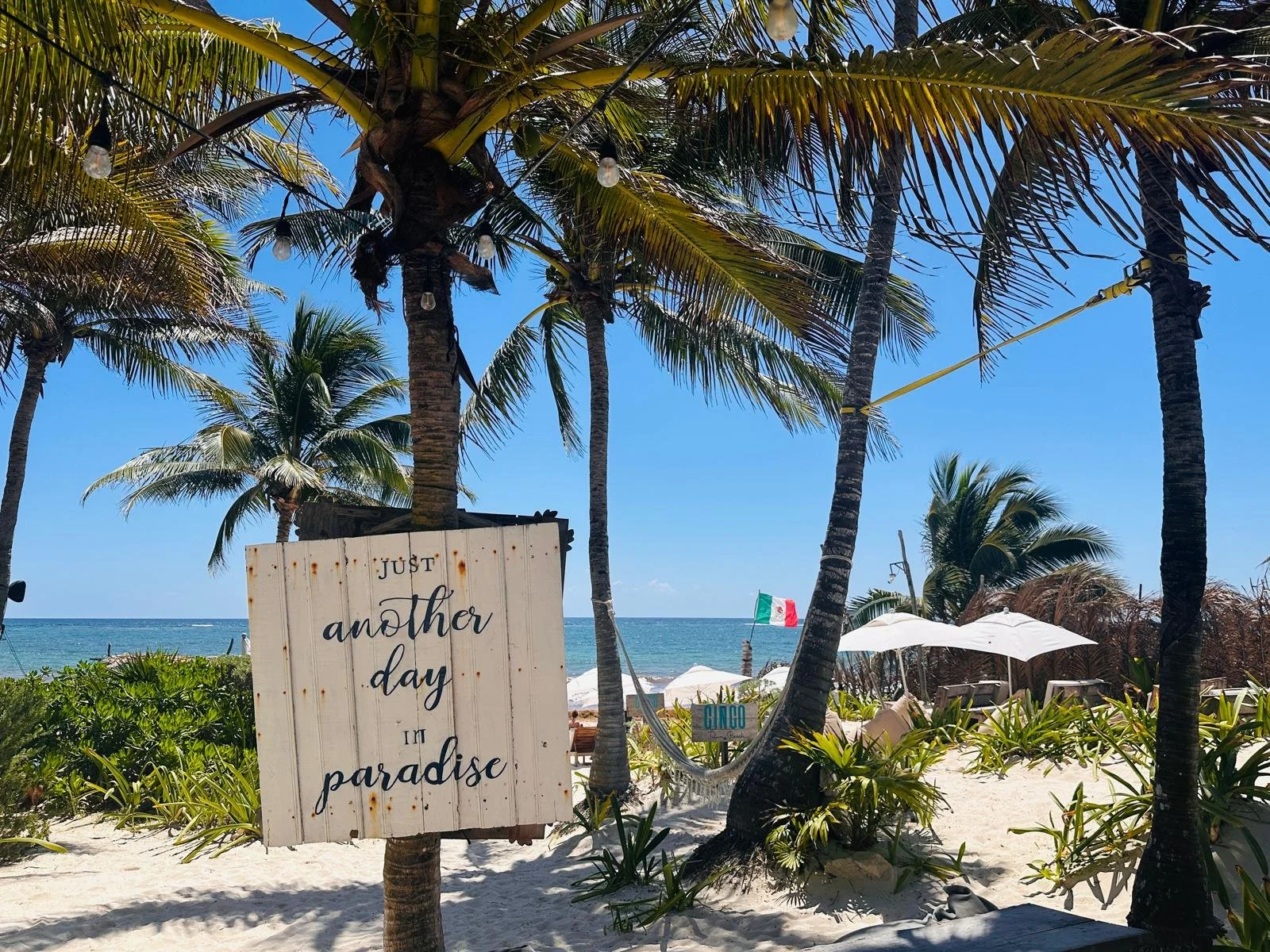
We left Guadalajara on the 22nd of March and took - together with my brother and his family - a flight to Cancun, in order to get from there to the more southern located coastal town of Tulum. Tulum is located on the eastern coast of Mexico on the Yucatan Island, directly facing the Carribean Sea. It is part of the stretch that is known as the Riviera Maya. The idea was to spent some extended time with the family, and my brother was kind enough to rent a place for 4 nights that would fit all 8 of us. We had really enjoyed our time with Irais’ family in Guadelajara, as we felt very welcomed by everyone and after 8 months on the road with only temporary connections, the “family connection” was something we had throughly enjoyed.
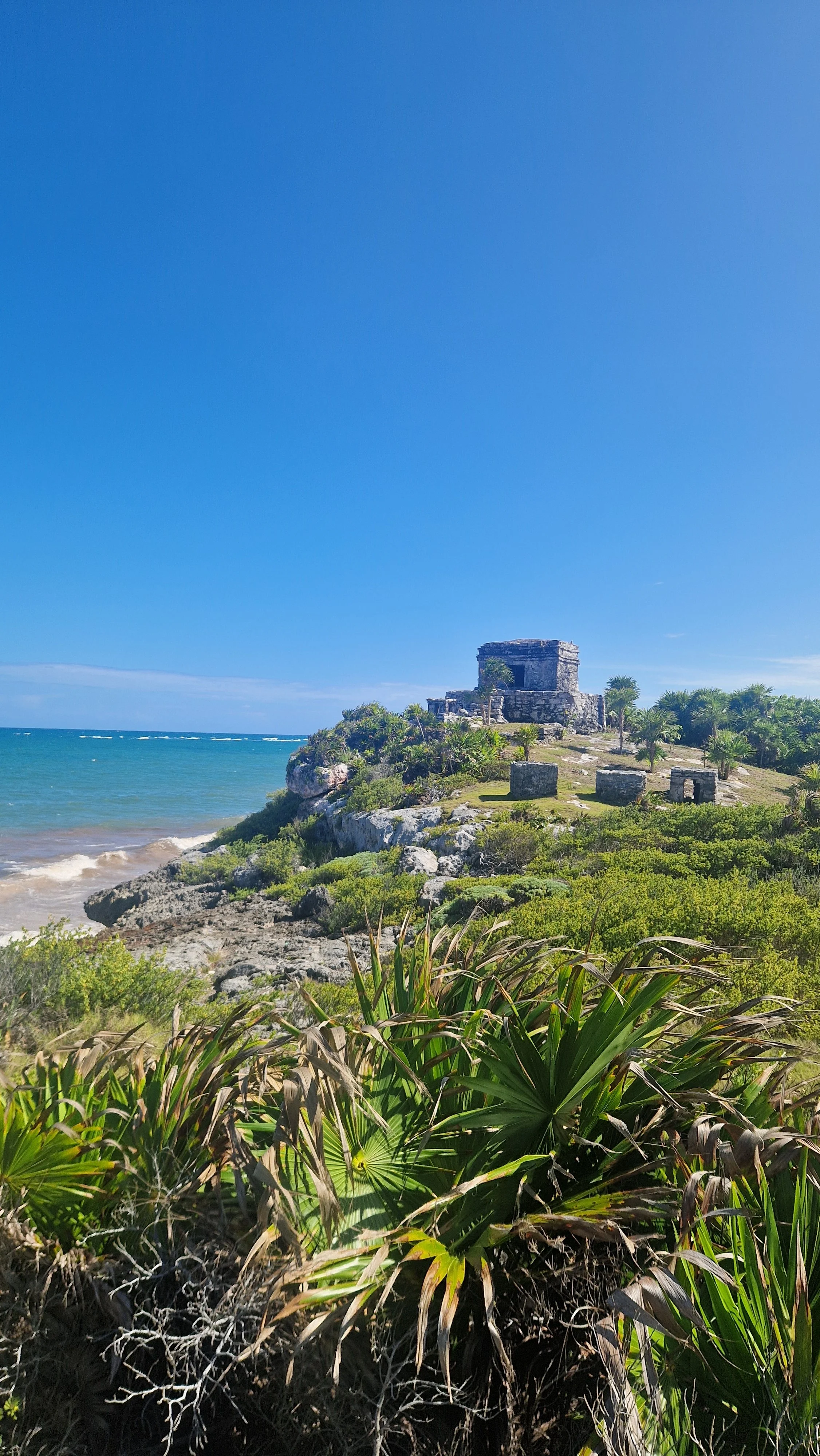
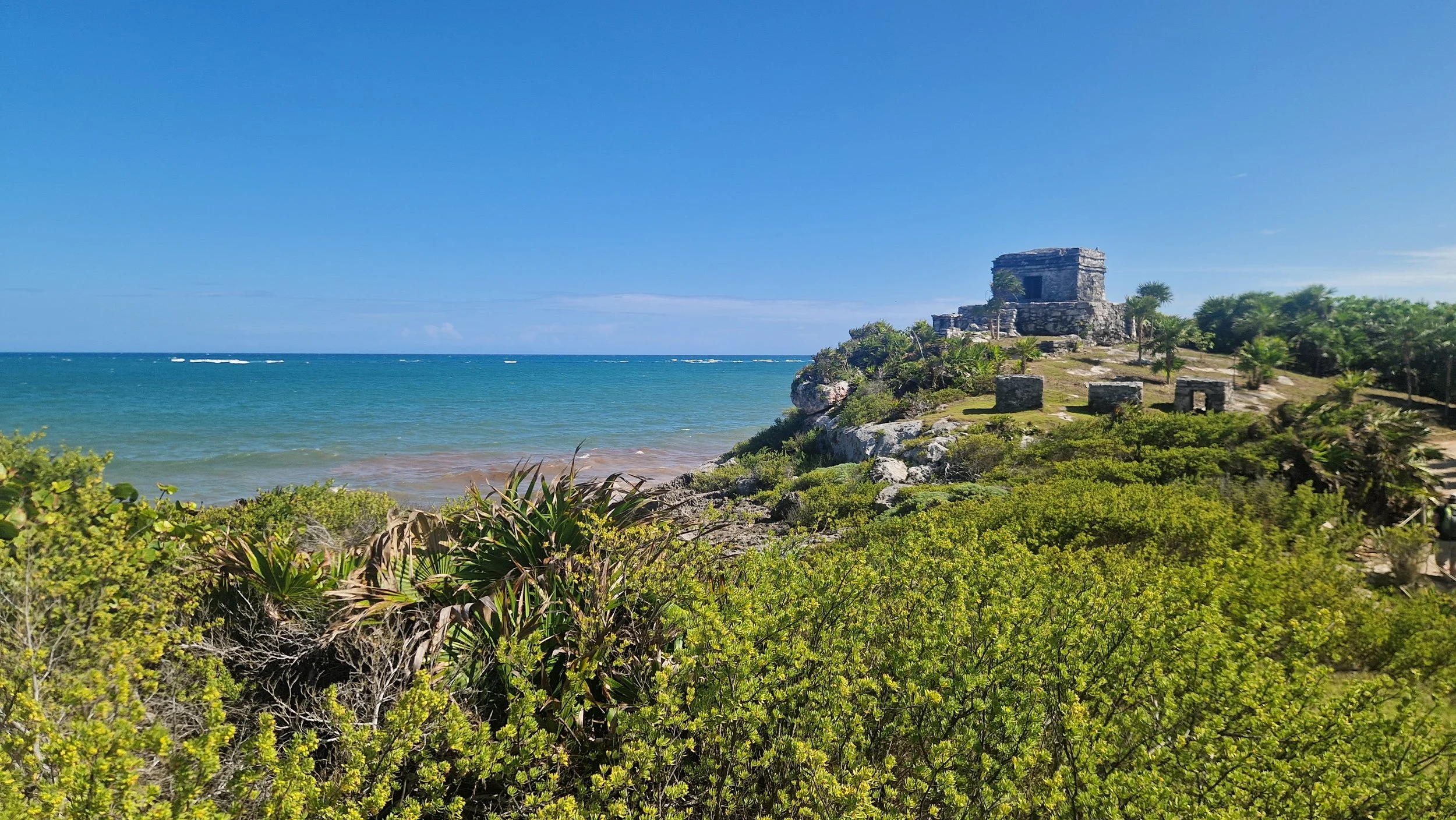
Tulum was originally called “Zama,” the “City of Dawn,” because it faces the sunrise over the Caribbean Sea; the Maya used it as a fortified port city, establishing an important trading hub and linking inland centers like Cobá to maritime routes. Its fortunes declined after the Spanish arrived in the early 16th century: like much of the remarkable Maya world, Tulum suffered from foreign diseases, the disruption of trade networks and the wider effects of colonization. By the late 1500s the site was largely abandoned and little visited compared with larger archaeological centers such as the world-famous Chichén Itzá. It was not until the 19th century that archaeologists began to systematically document Maya ruins, and for decades Tulum remained a place reached only by the most adventurous travelers. Beginning in the 1970s it slowly emerged as a more widely known destination, and between 2000 and 2020 it transformed from a small fishing village into a global hotspot. Today Tulum is famous for its eco-luxury hotels, wellness culture and yoga retreats, drawing visitors interested in both its archaeological heritage and its contemporary lifestyle offerings.
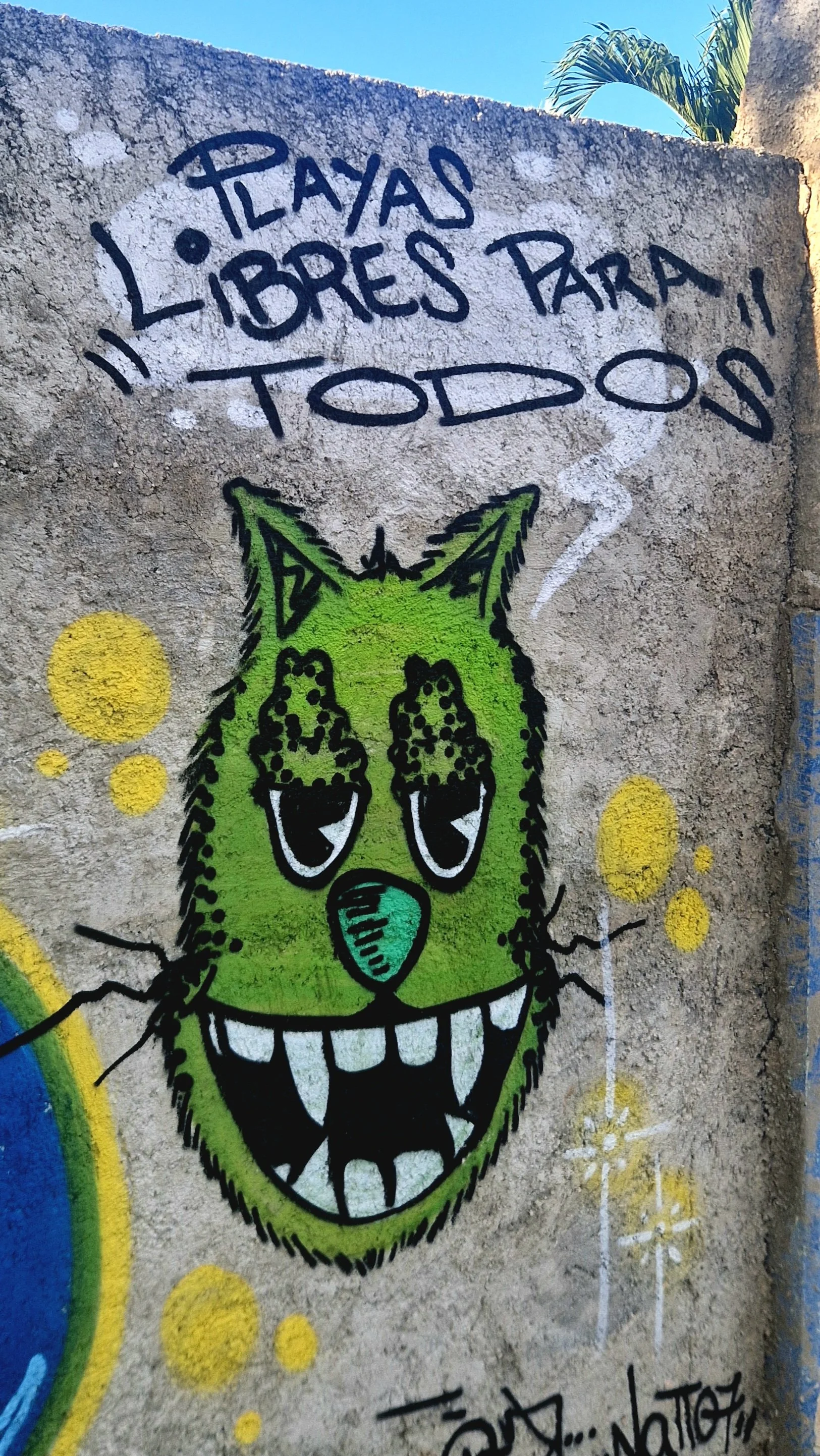
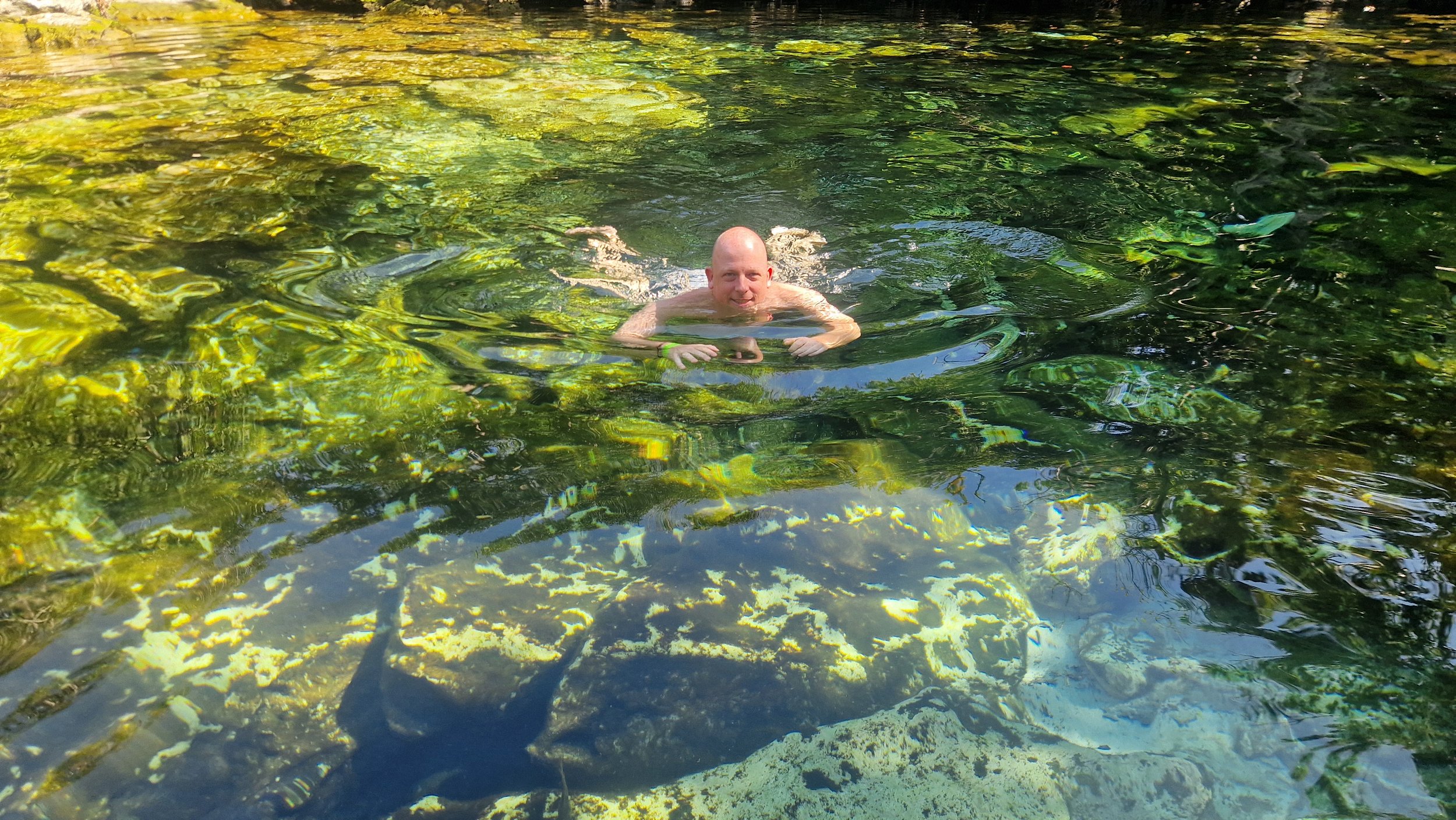
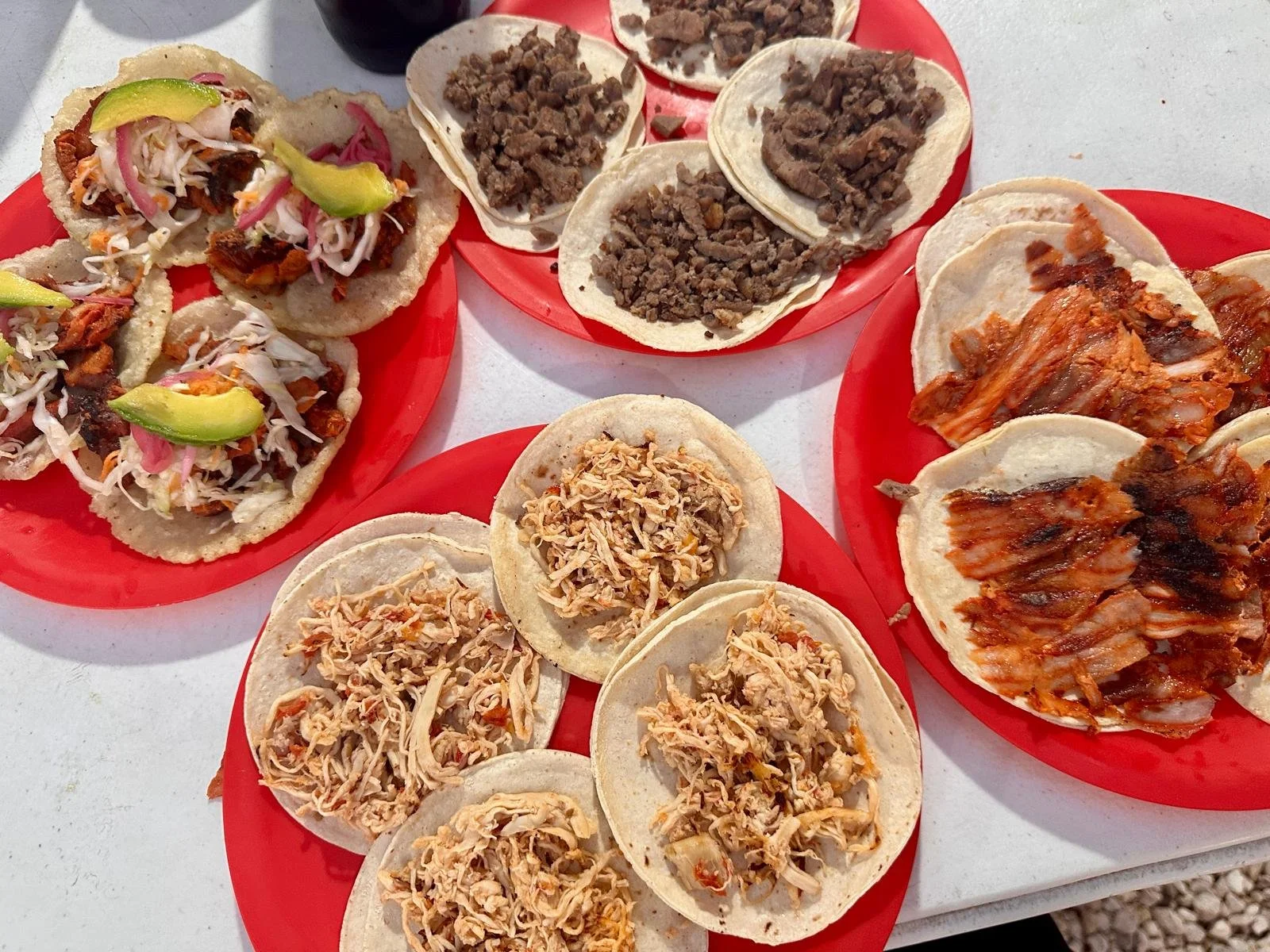
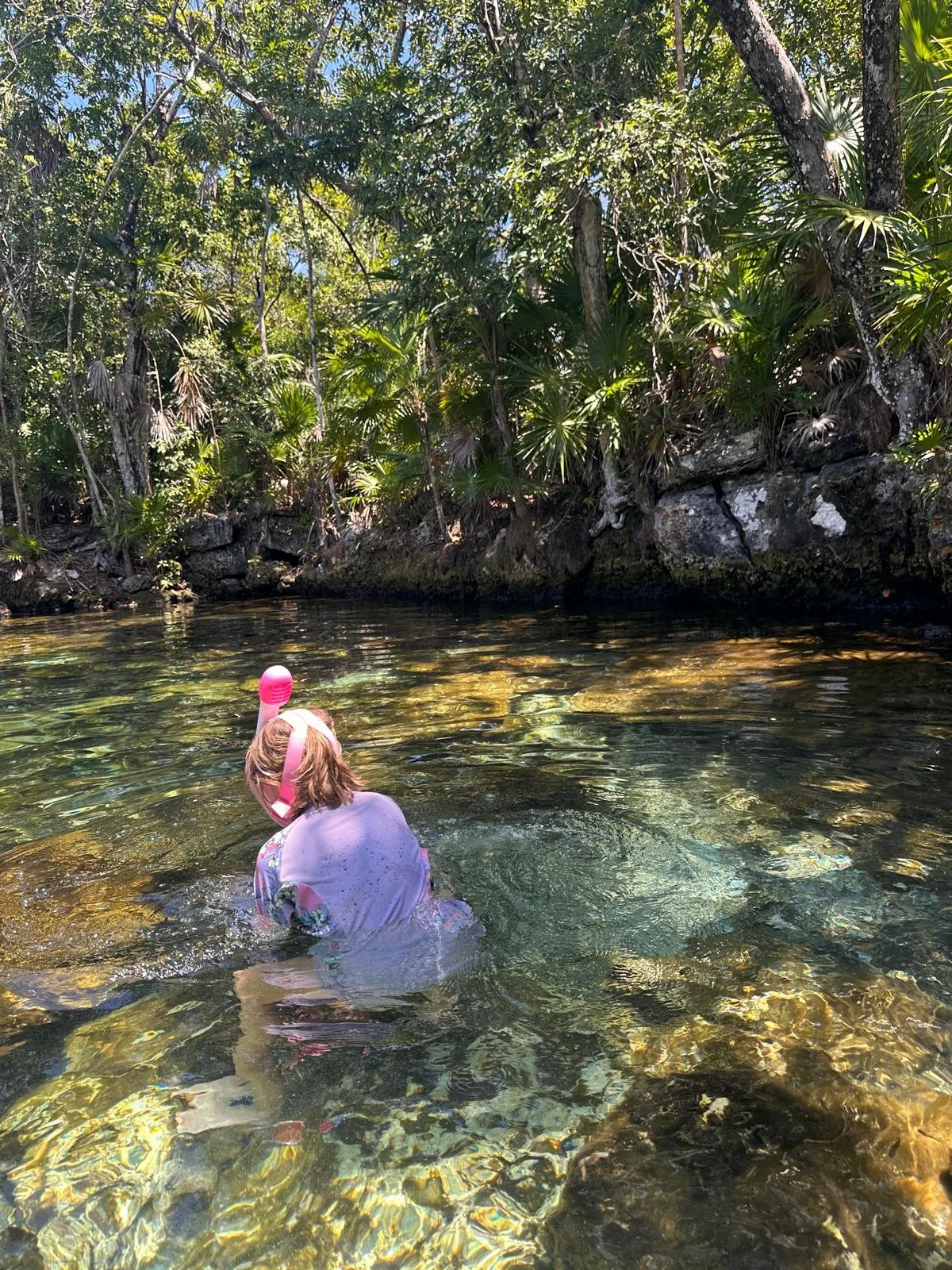
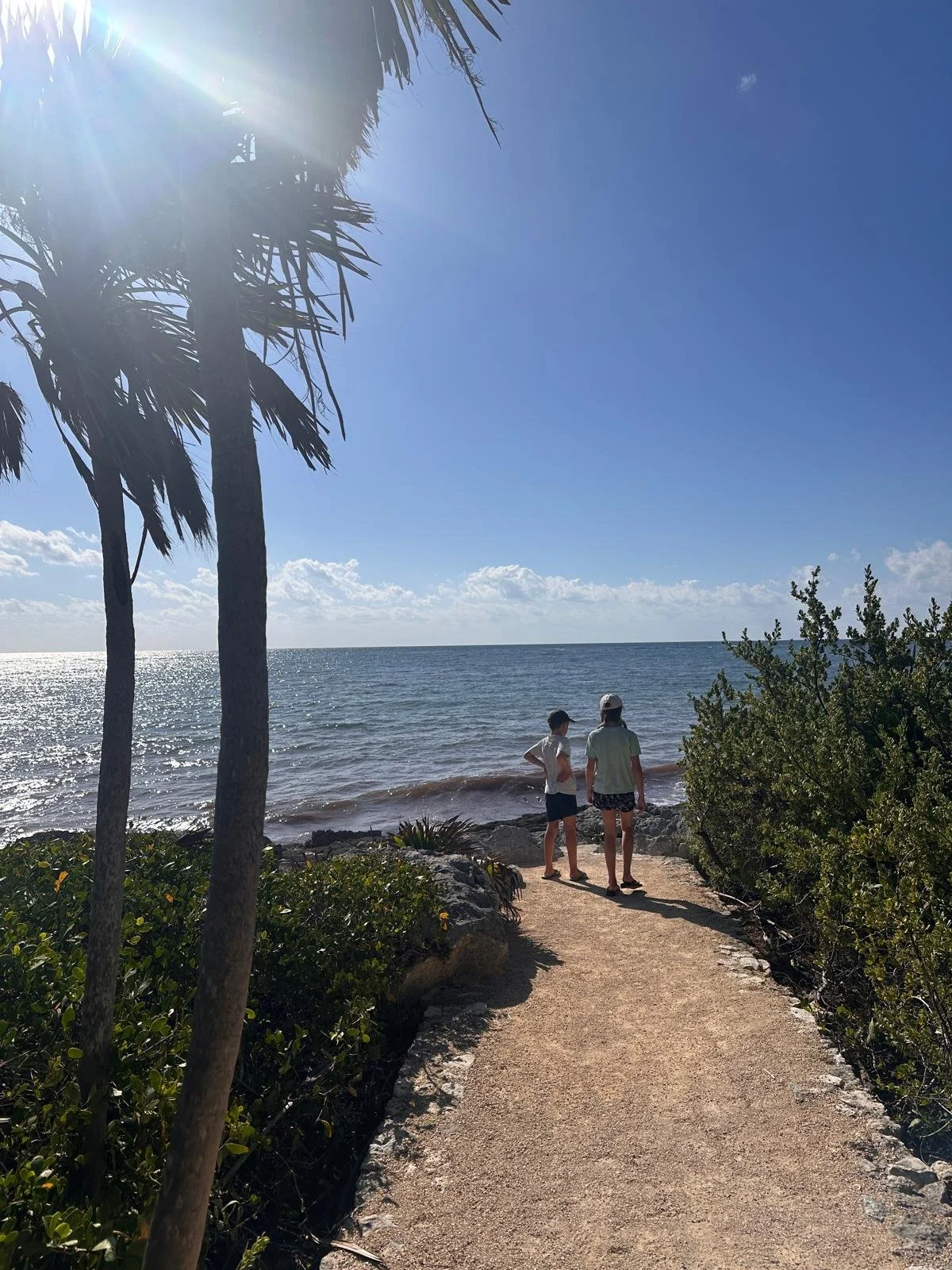
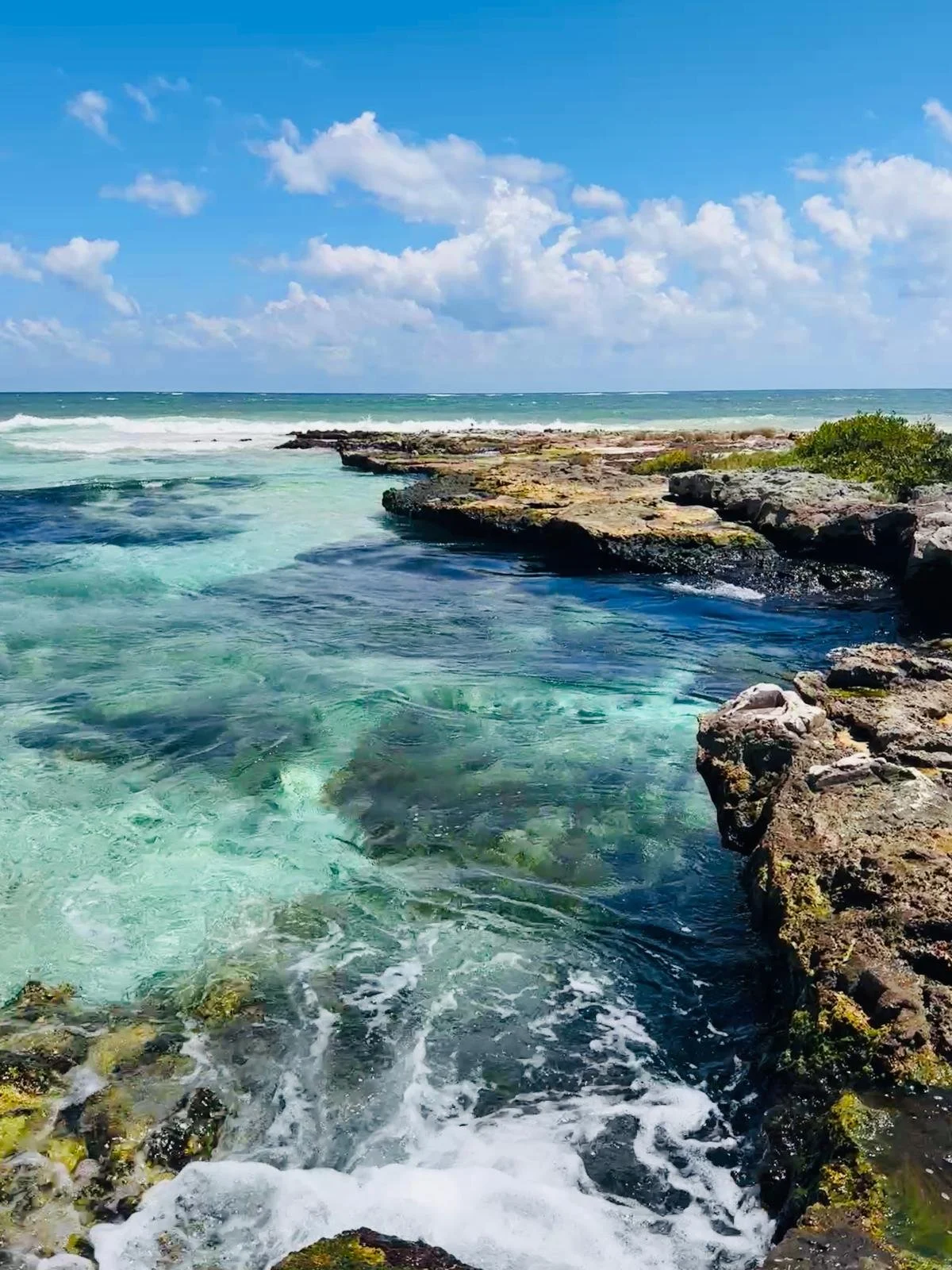
One thing we only discovered after we arrived is that there are hardly any public beaches despite the long coastline. Many stretches have been privatized, and the beach clubs charge an entry fee for access. Those fees have certainly climbed to European levels. Another noteworthy issue is the seaweed, which piles up on the shore in places to almost a metre high and makes swimming virtually impossible, even after you’ve paid to enter a private beach club. Needless to say, that isn’t the most pleasant setup. Fortunately, most apartments offer private pools, which allow you to escape the blistering heat and still go for a swim. With the seaweed problem in mind, the smaller lagoons and cenotes become the best options if you want to swim in clear water. We found a nice beach club that offered both a small cenote with crystal-clear water and a lagoon free of seaweed. With an entrance fee of 300 Mexican pesos per person (around 15 euros), it felt much more reasonable than what other establishments charged. Not only have entrance fees reached European levels, but the taxi drivers will also charge you an arm and a leg - well, actually both arms and both legs - to take you from A to B. When Uber entered the state, strong taxi unions reacted violently and effectively forced Uber out of the market. While the app still works for food and grocery delivery, you can’t use it as a ride-hailing tool. Consequently, even a short 10-minute ride with a local taxi company can cost you 10 to 15 euros. Part of that may have been a “gringo surcharge”; we’ll never know. All in all, it wasn’t exactly within our travel budget, but we decided to make the most of our time in Tulum, discovered quite a lot, and tried to avoid some of the cost traps by, for example, eating at the great little street food stalls.
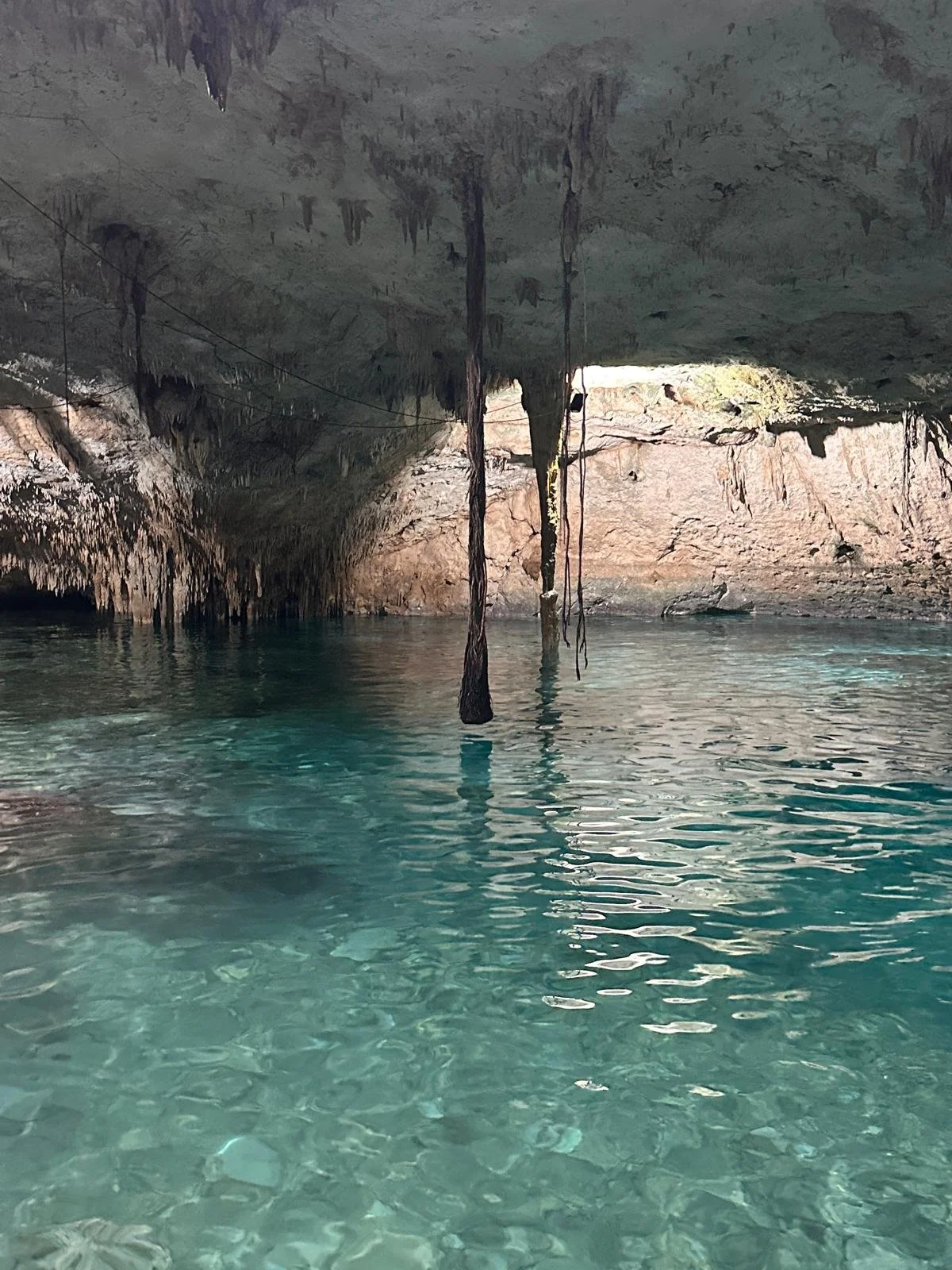
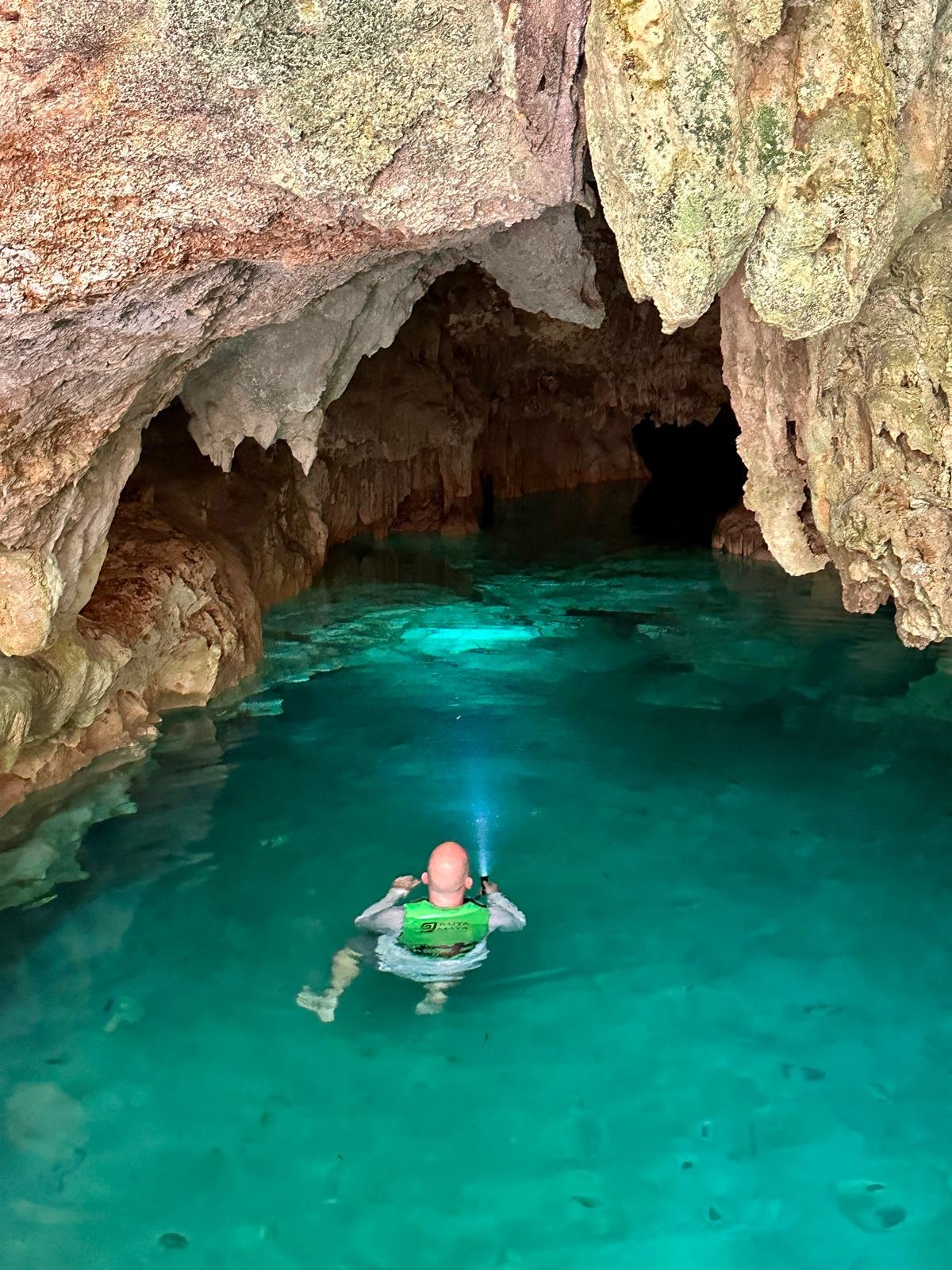
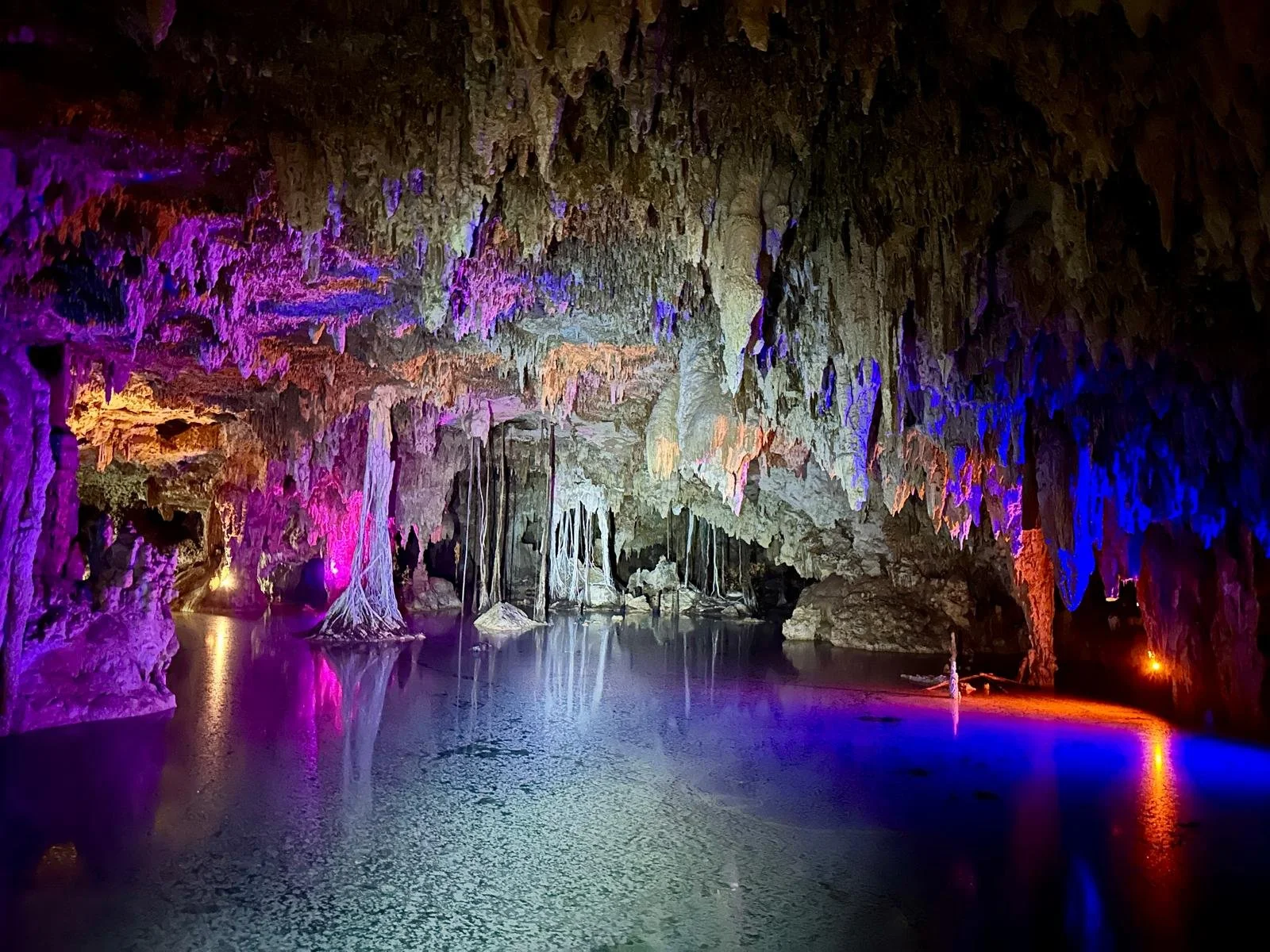
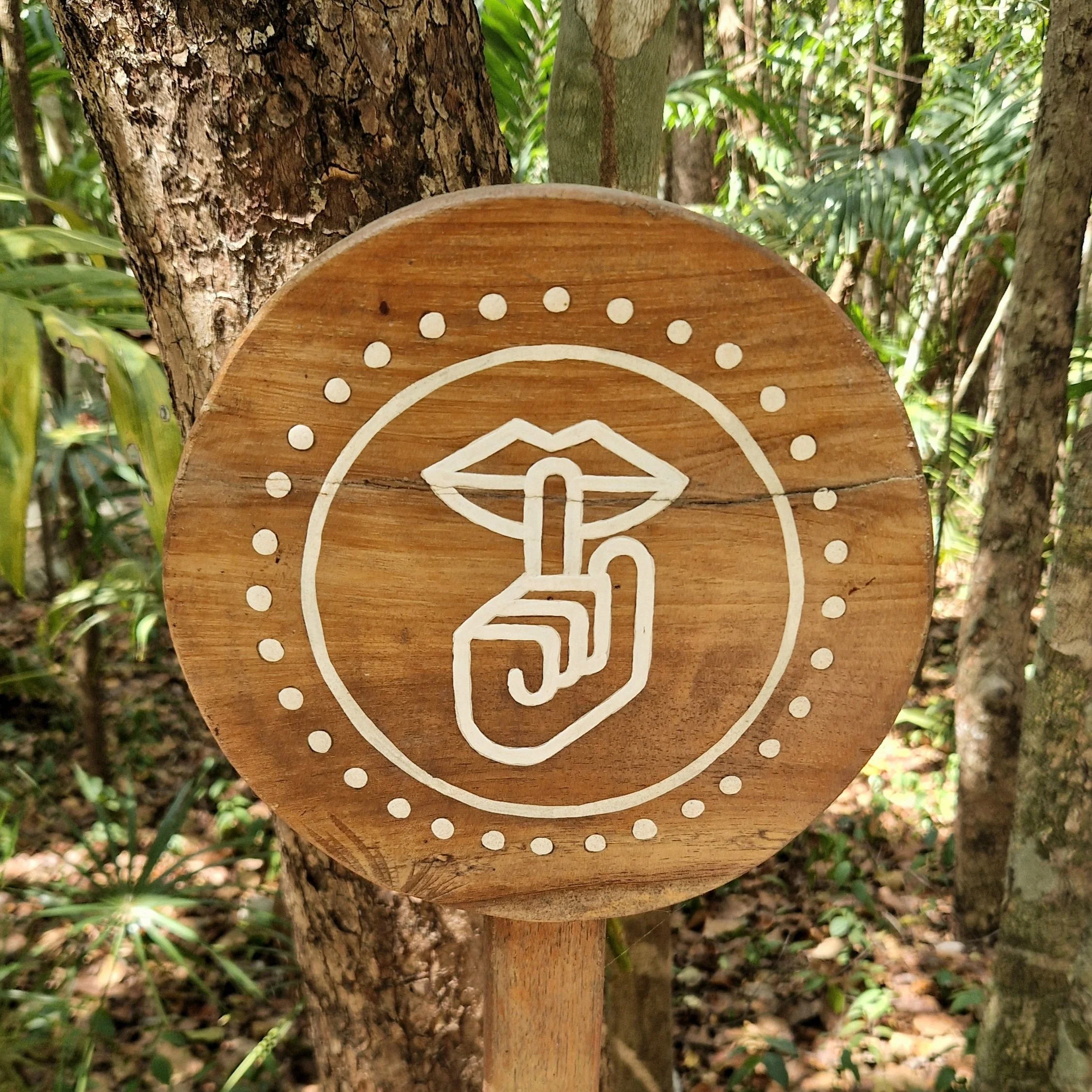
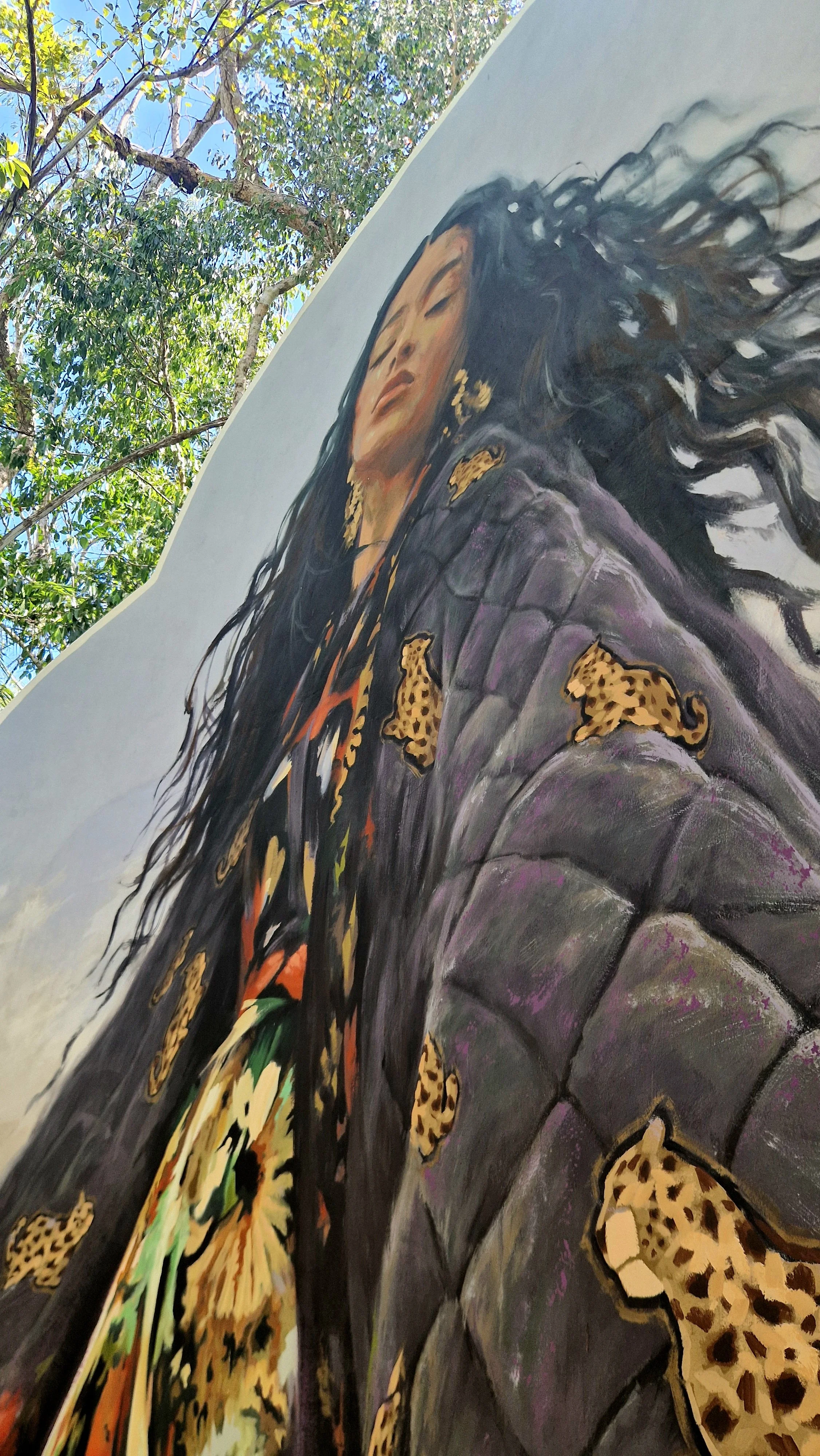
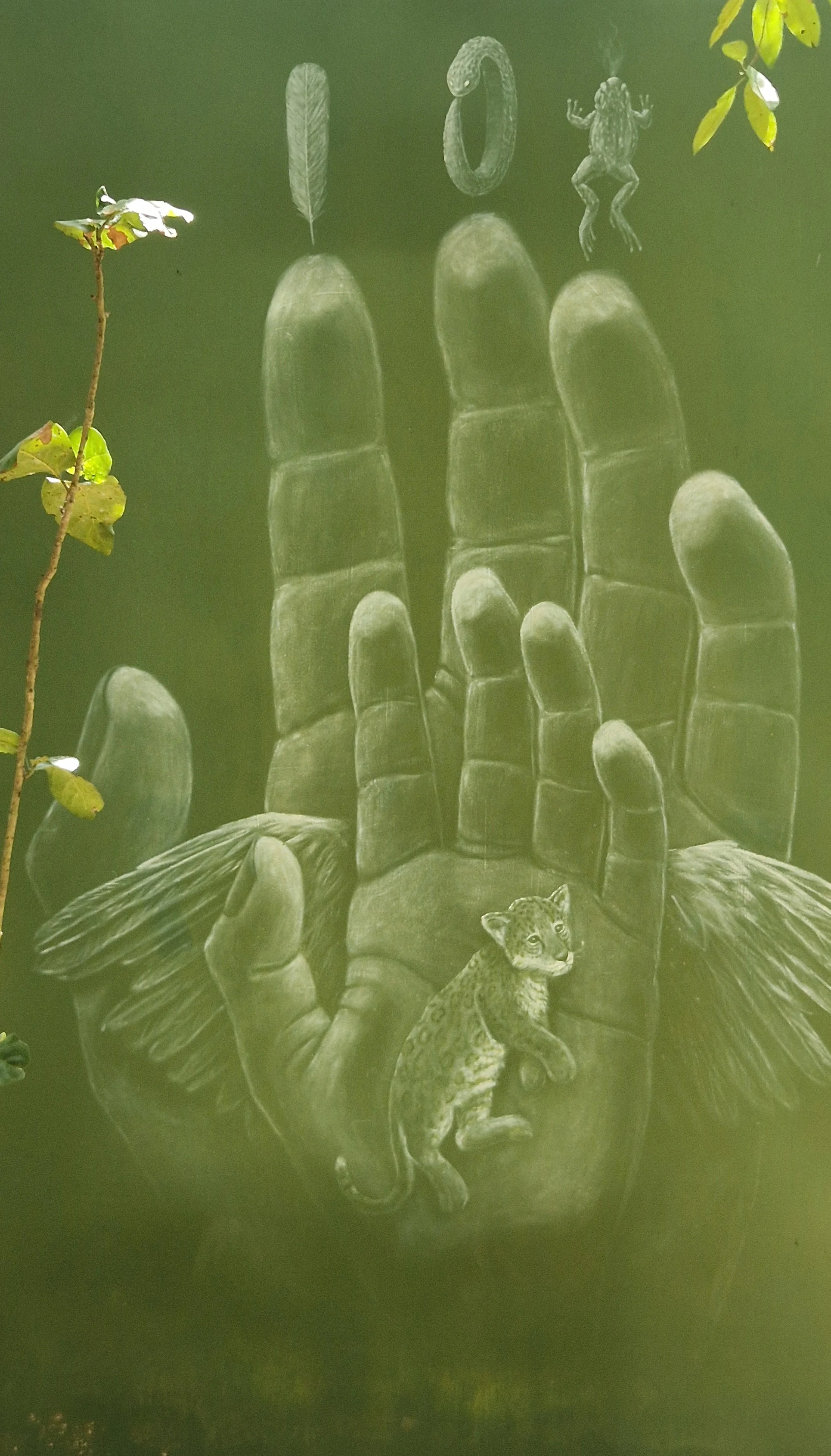
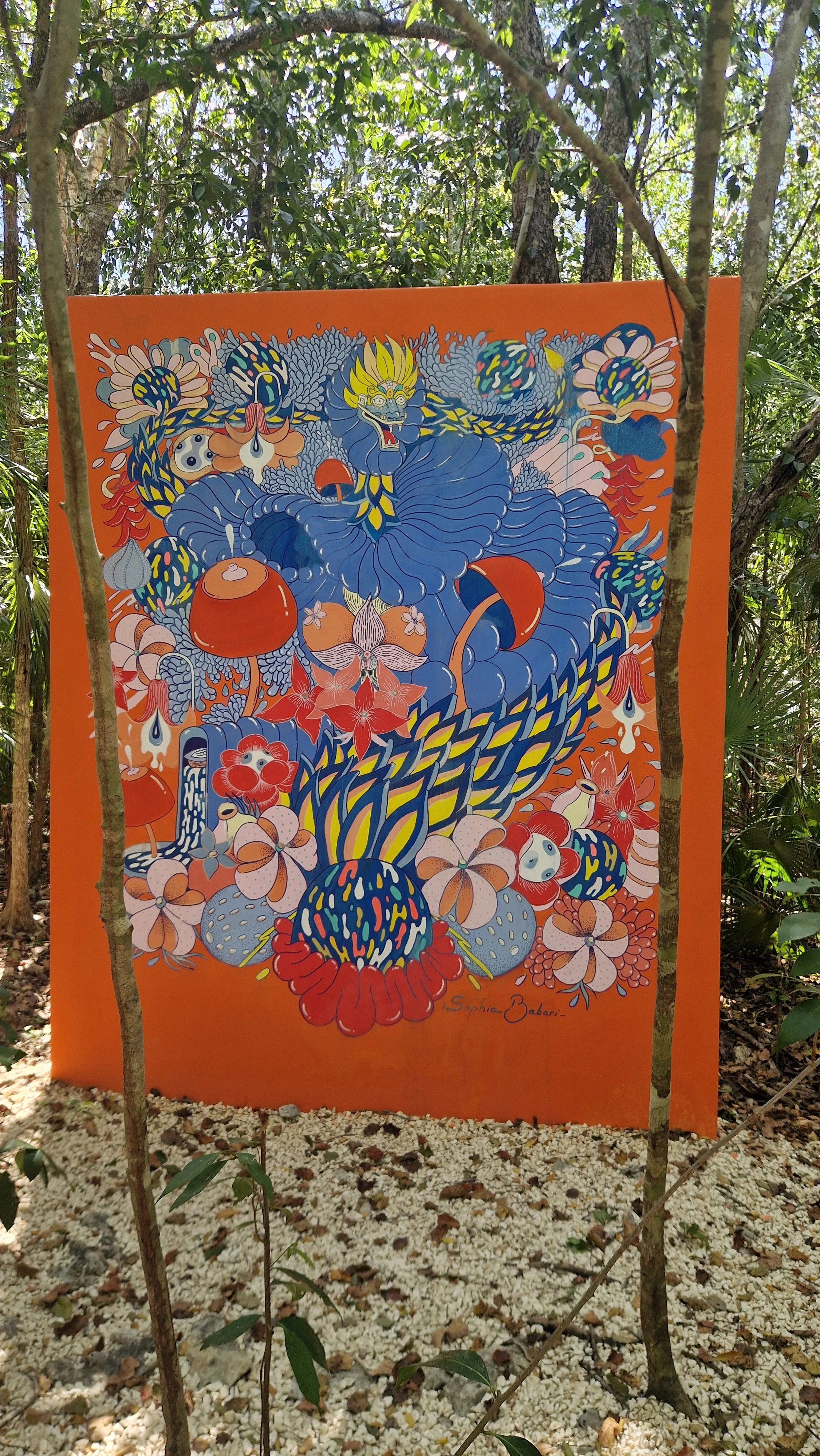
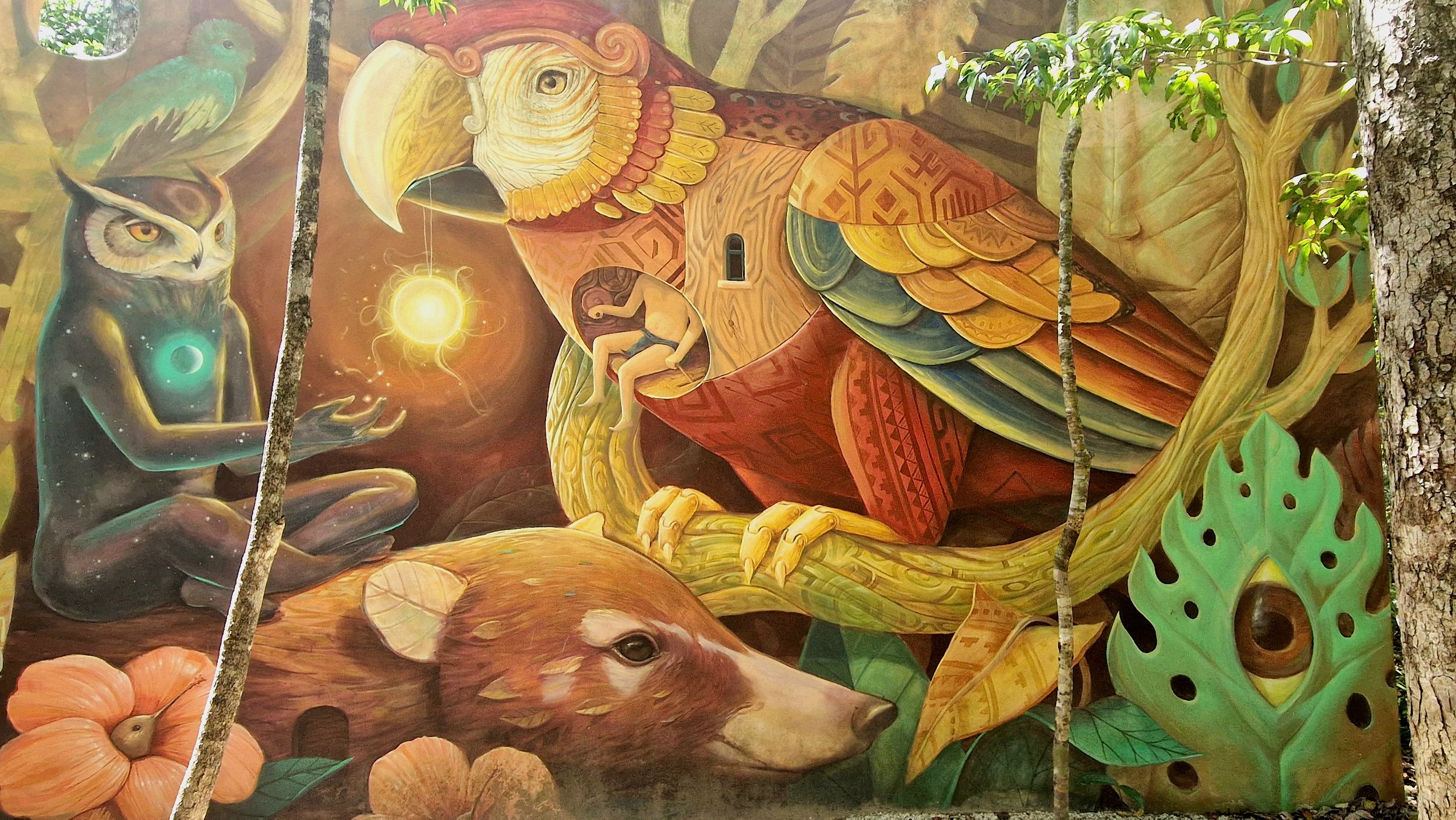
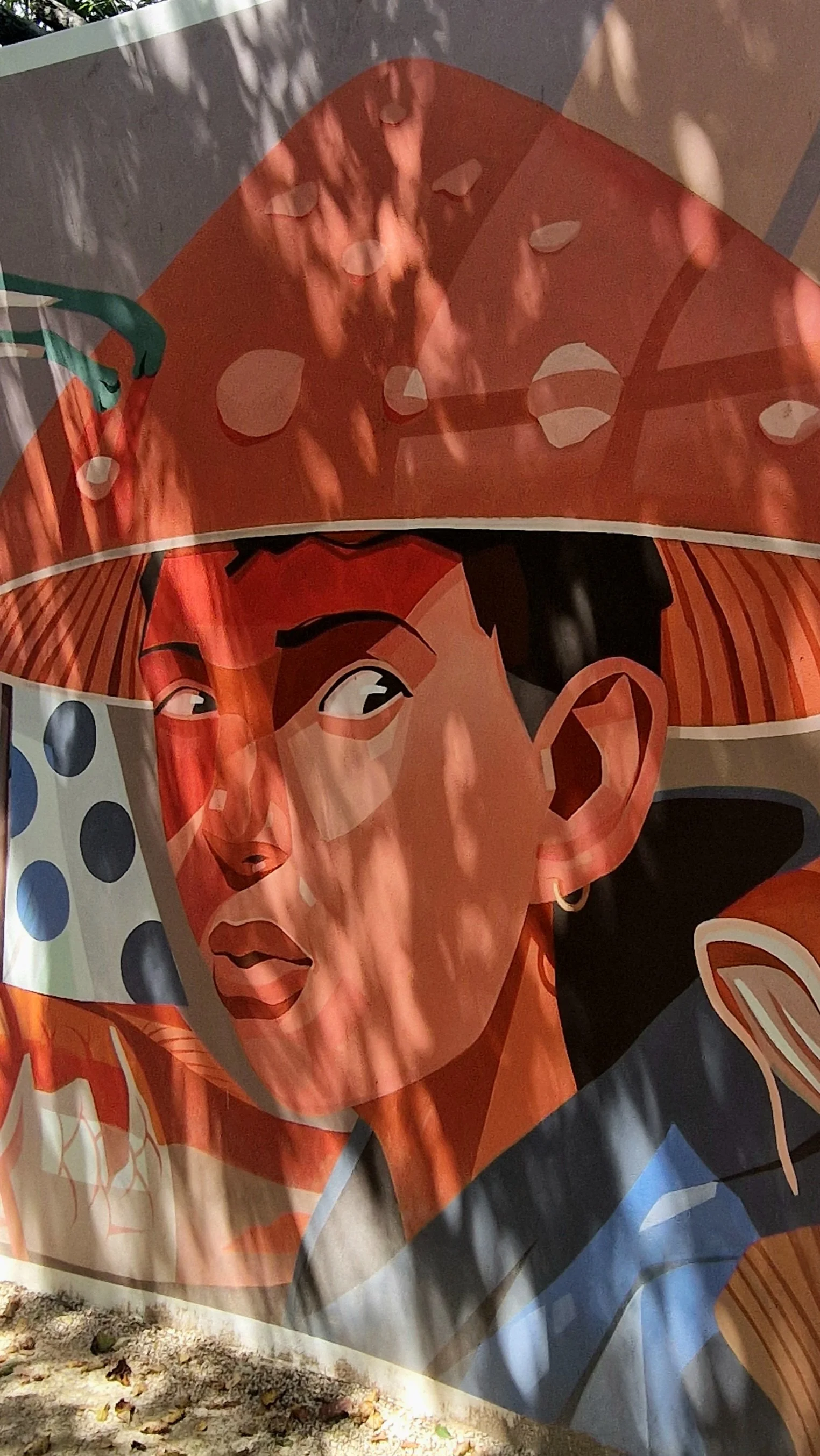
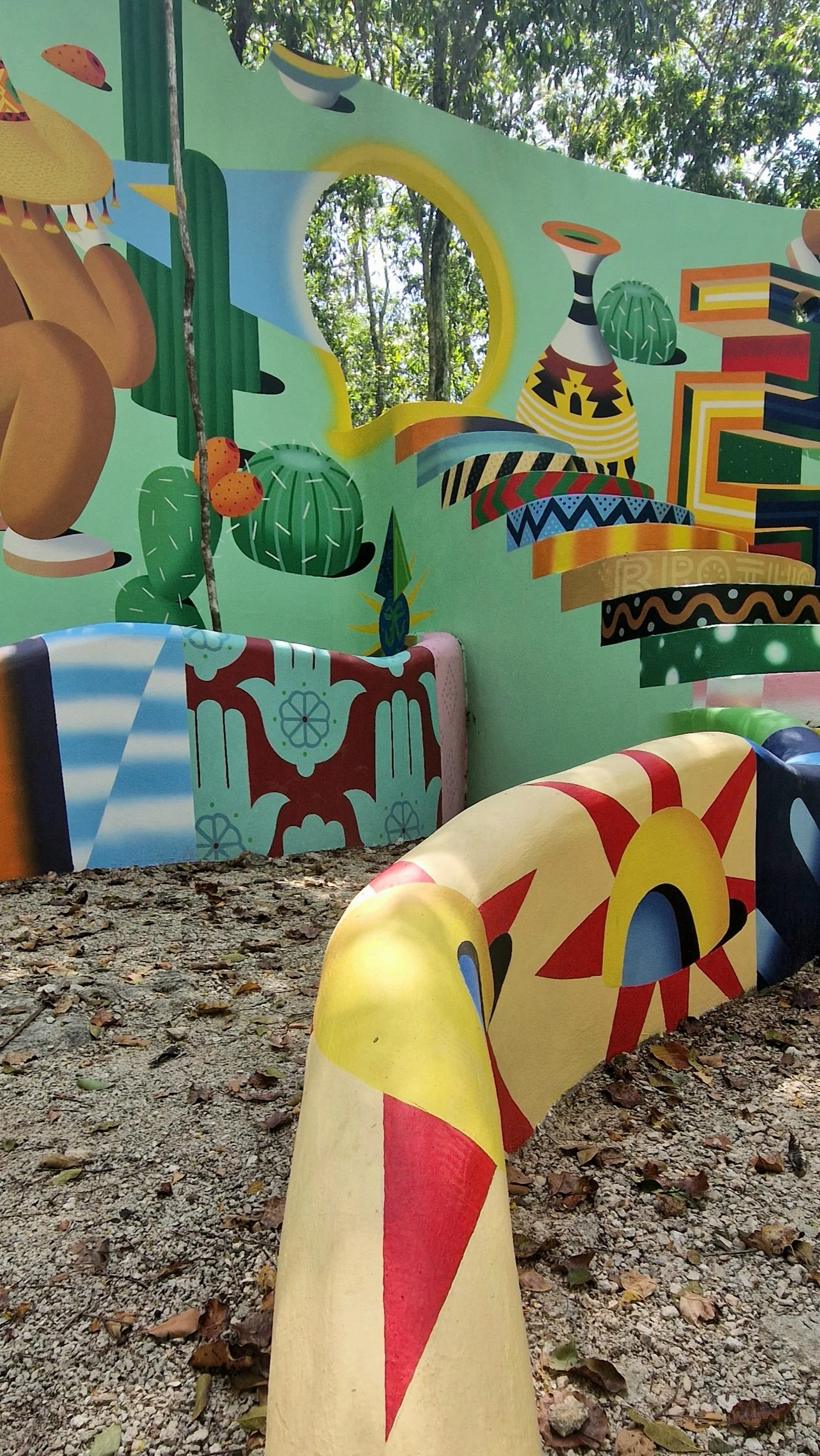
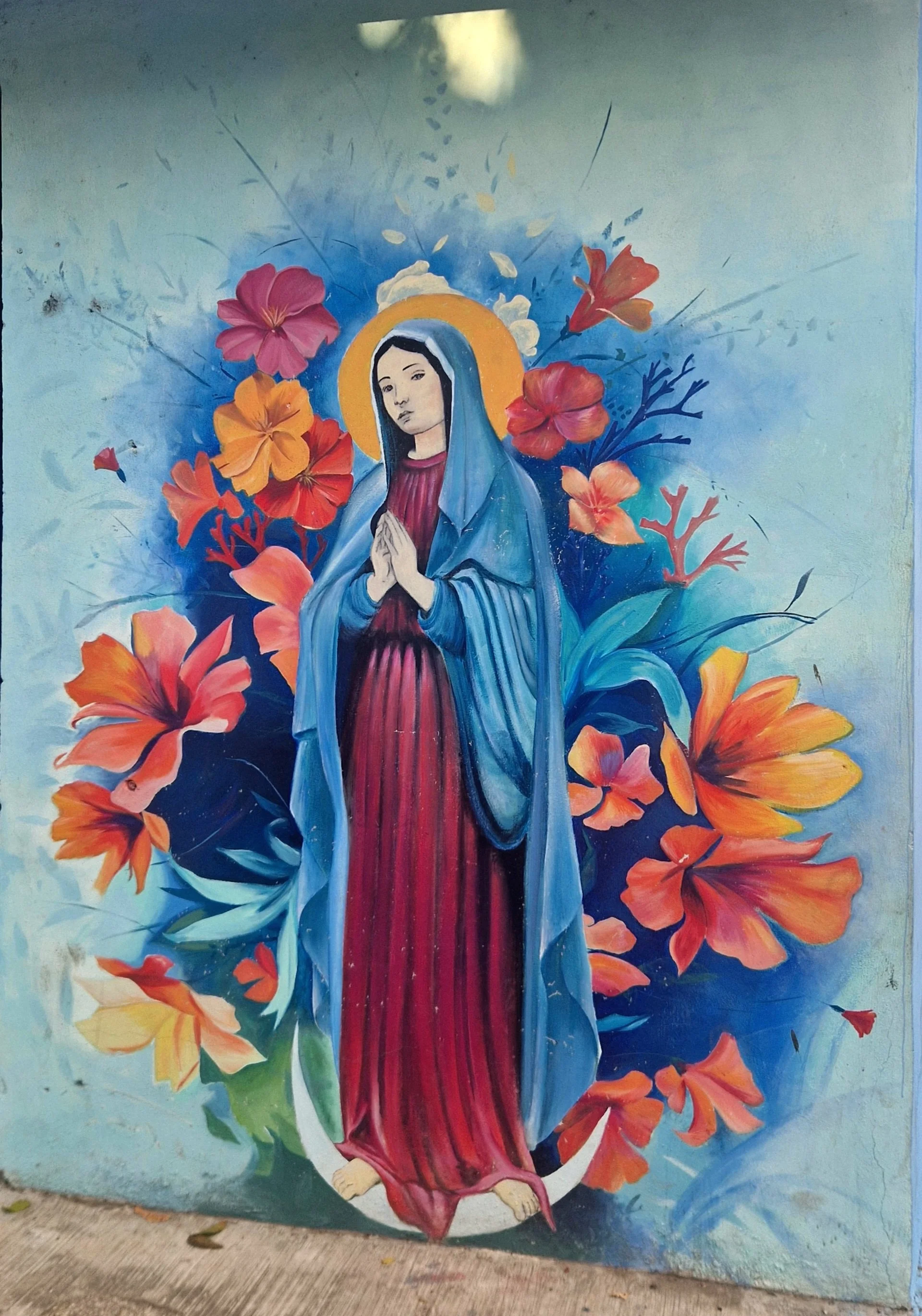
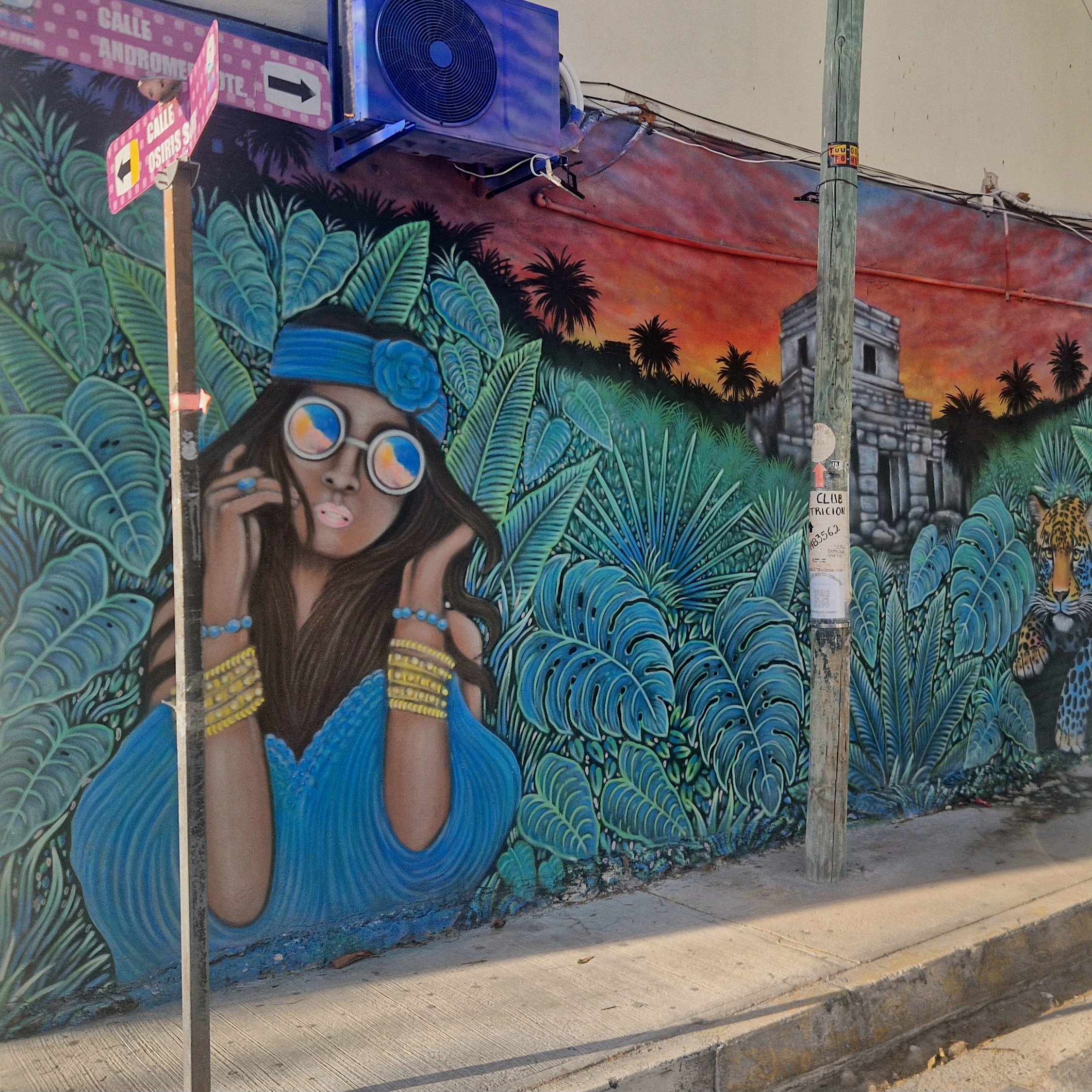
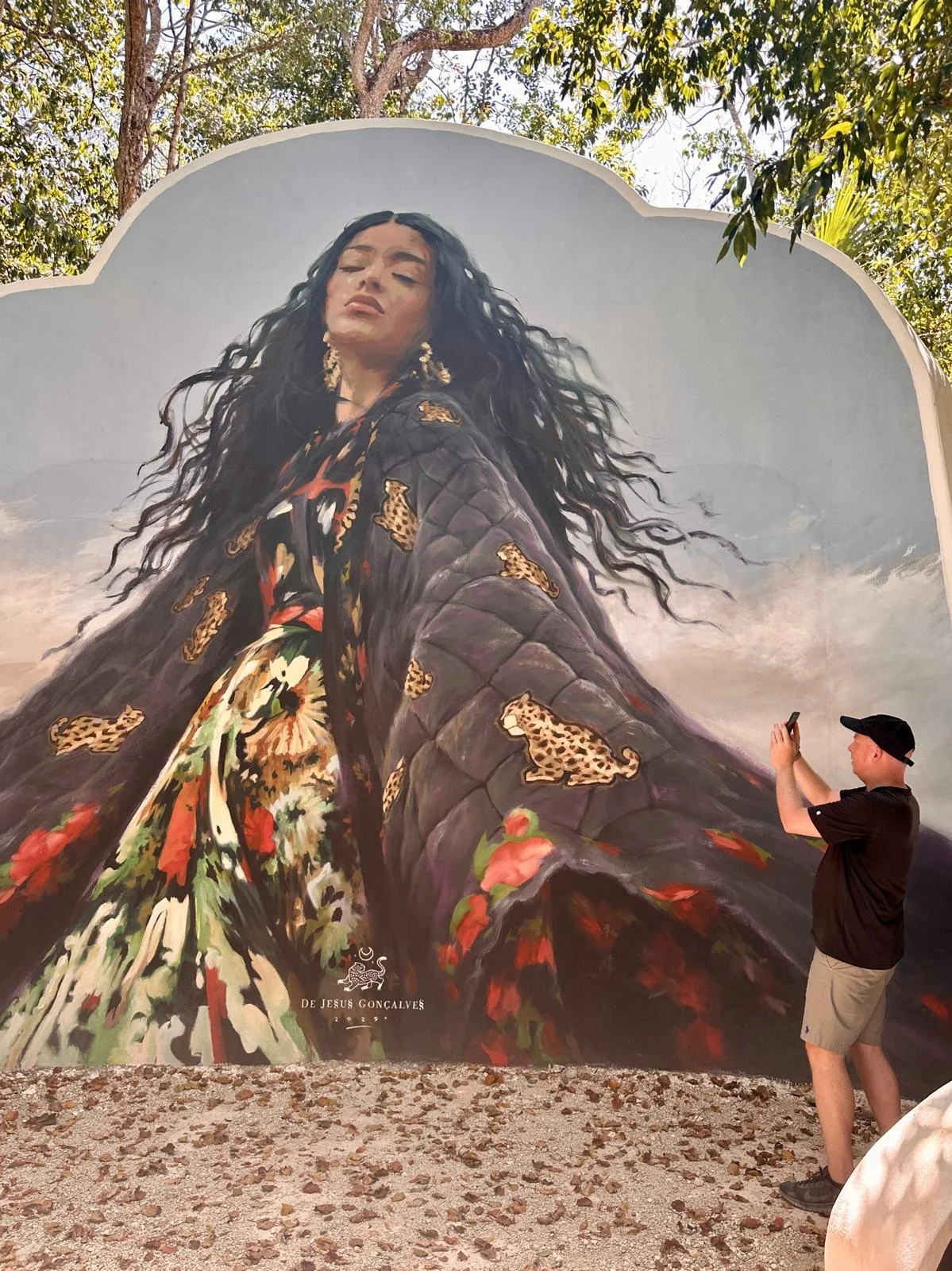
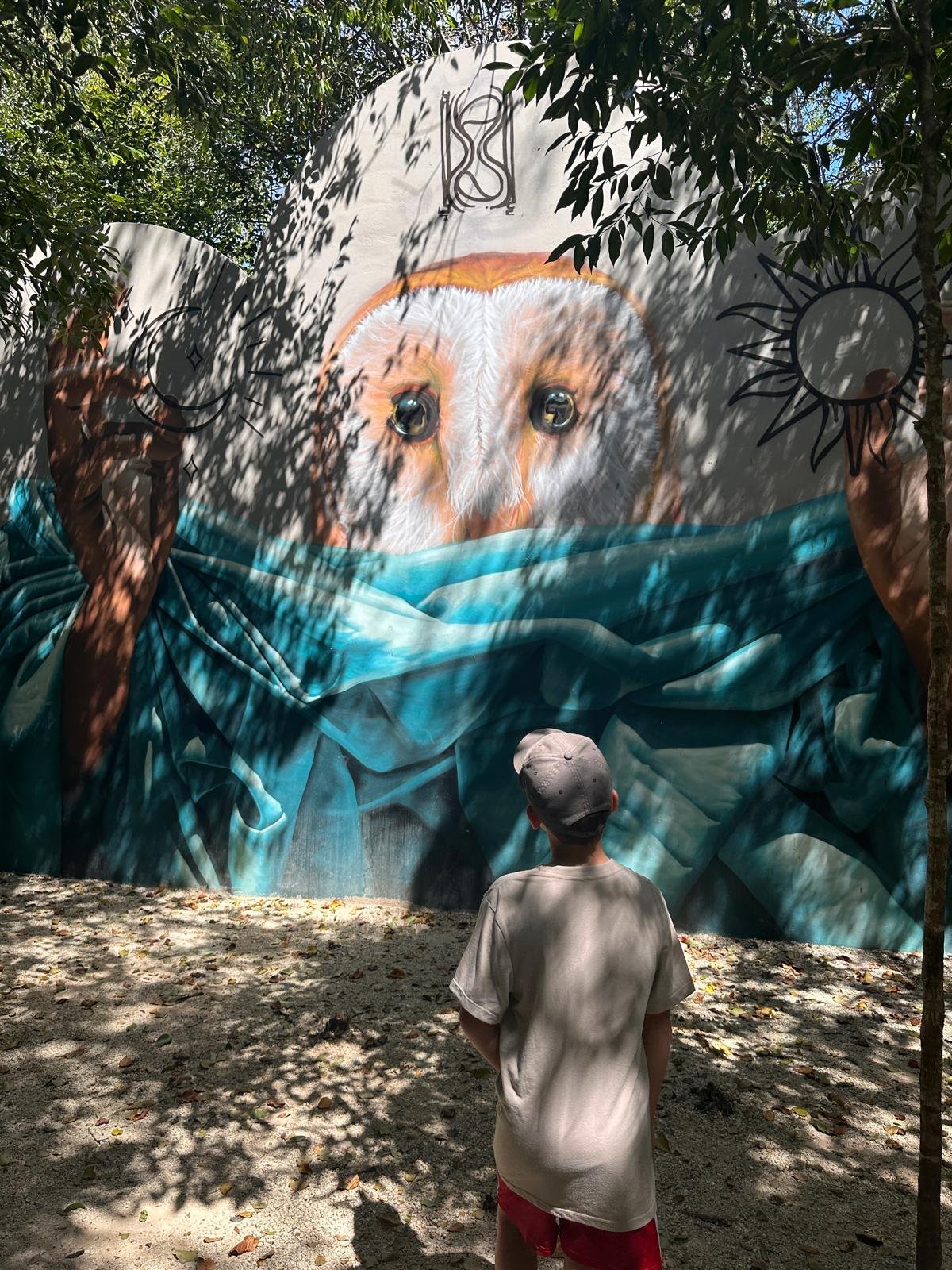
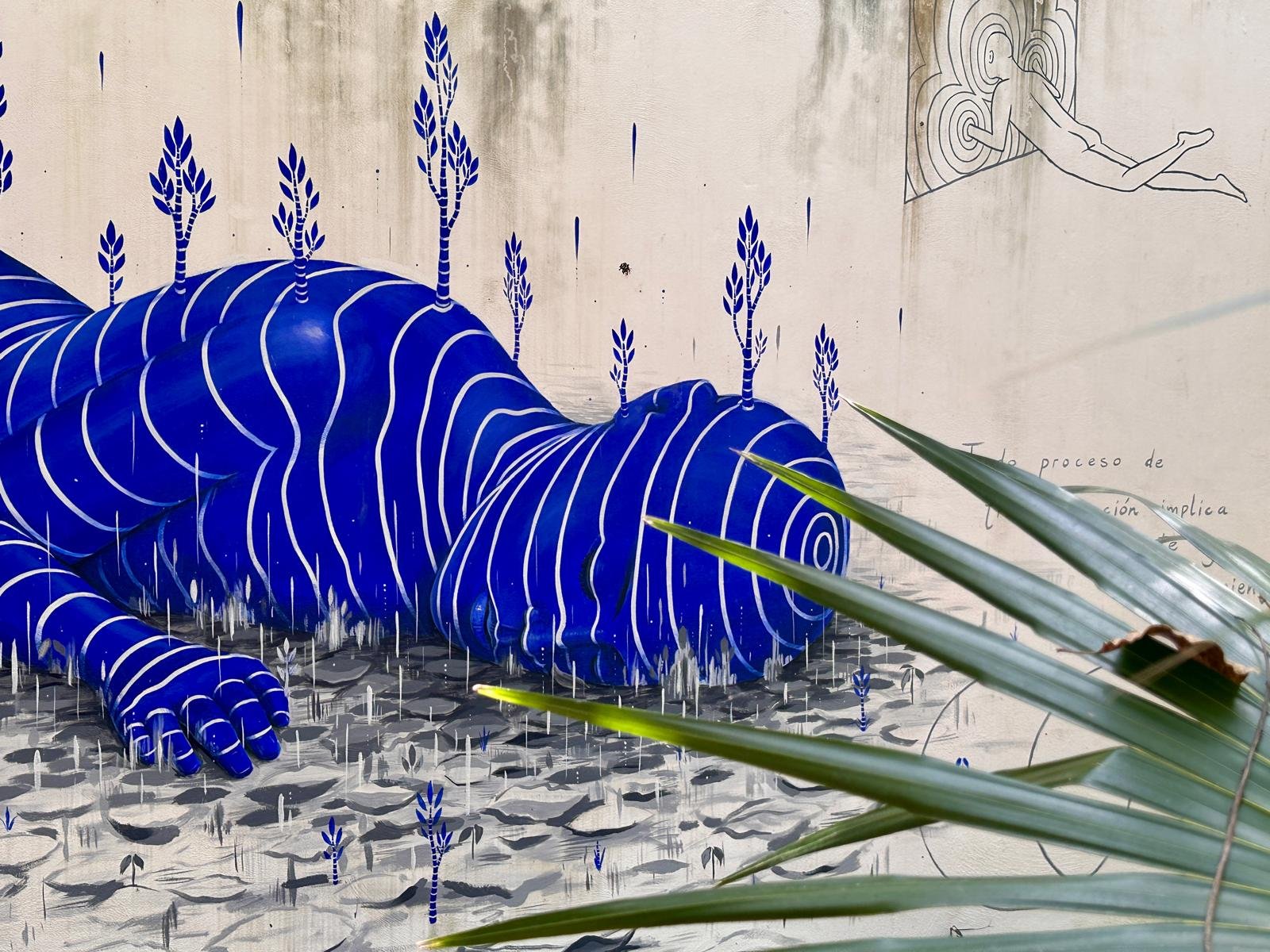
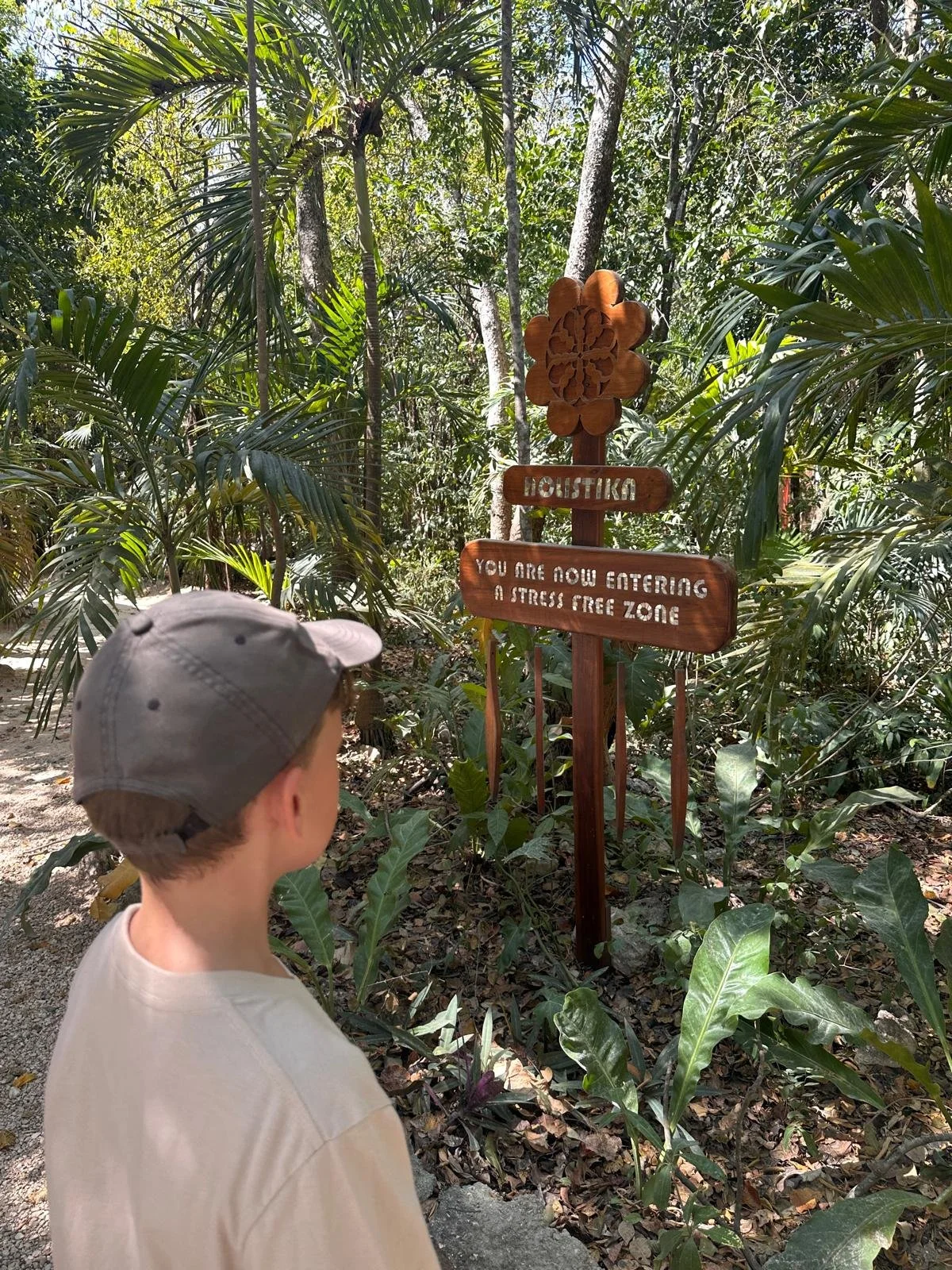
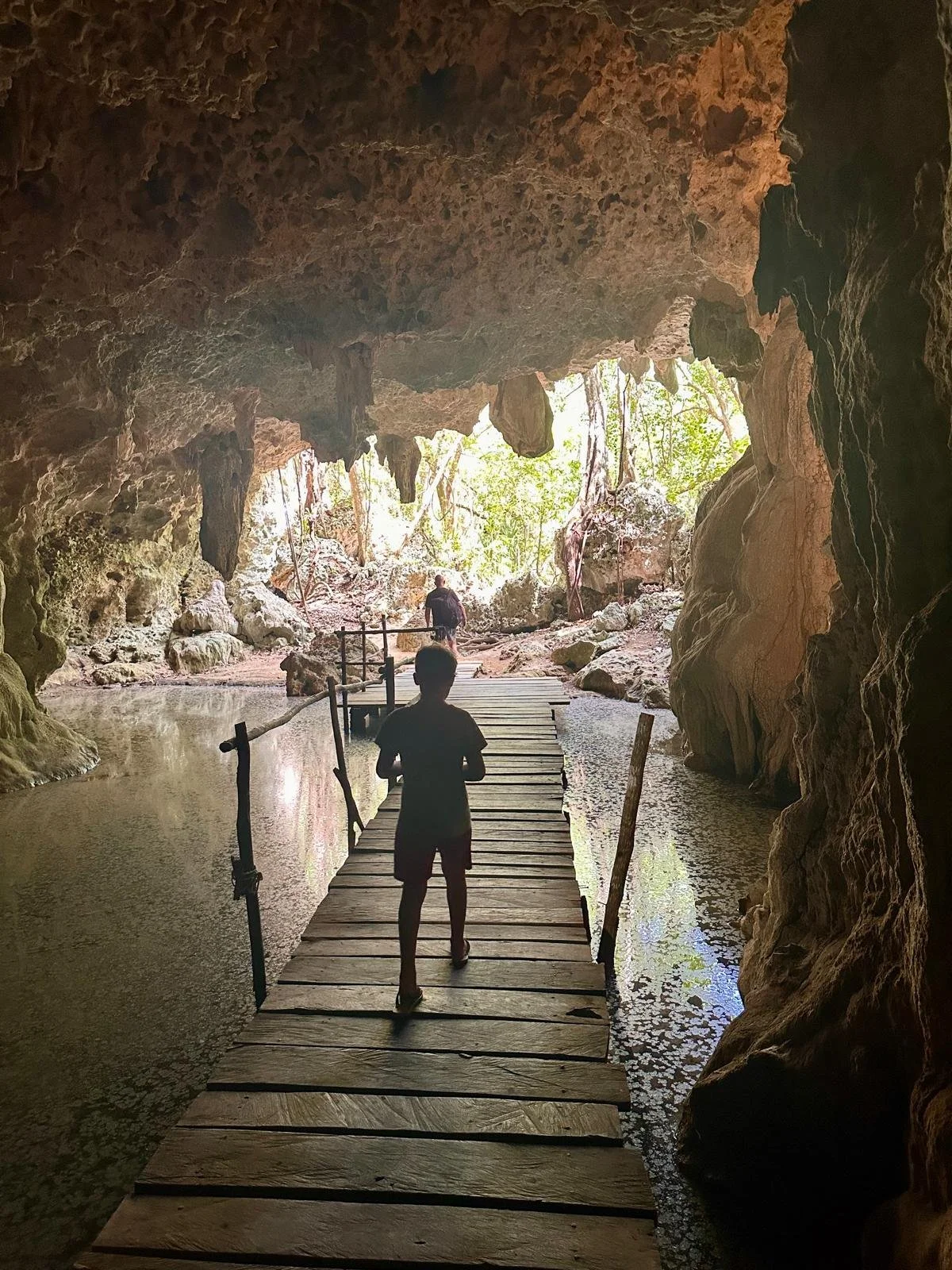
Jan and his family left back to cold Vienna on the 26th of March; we moved on to a smaller apartment that still had a little rooftop pool and we enjoyed a few more relaxed days in Tulum. We discovered a charming local art walk that belonged to a hotel but was open to the public, which felt like a delightful surprise. A beautiful path wound through the jungle, lined with numerous large murals painted by international artists. It turned into a thoroughly enjoyable, unexpectedly peaceful afternoon. One highlight was our visit to the Cenote Caracol, which quickly became one of our favourite activities during the stay. It’s not one of the polished “Instagram cenotes,” but a much more hidden, raw and authentic experience. Caracol is largely subterranean: you descend into a cave and swim beneath stalactites hanging from the ceiling. While some sections of the cave are lit, other parts are pitch black and require a torch to find your way. The very best part was that we had both caves entirely to ourselves, which made the visit feel very private. A truly grandiös experience. (https://cenotesmexico.org/cenote-caracol/).
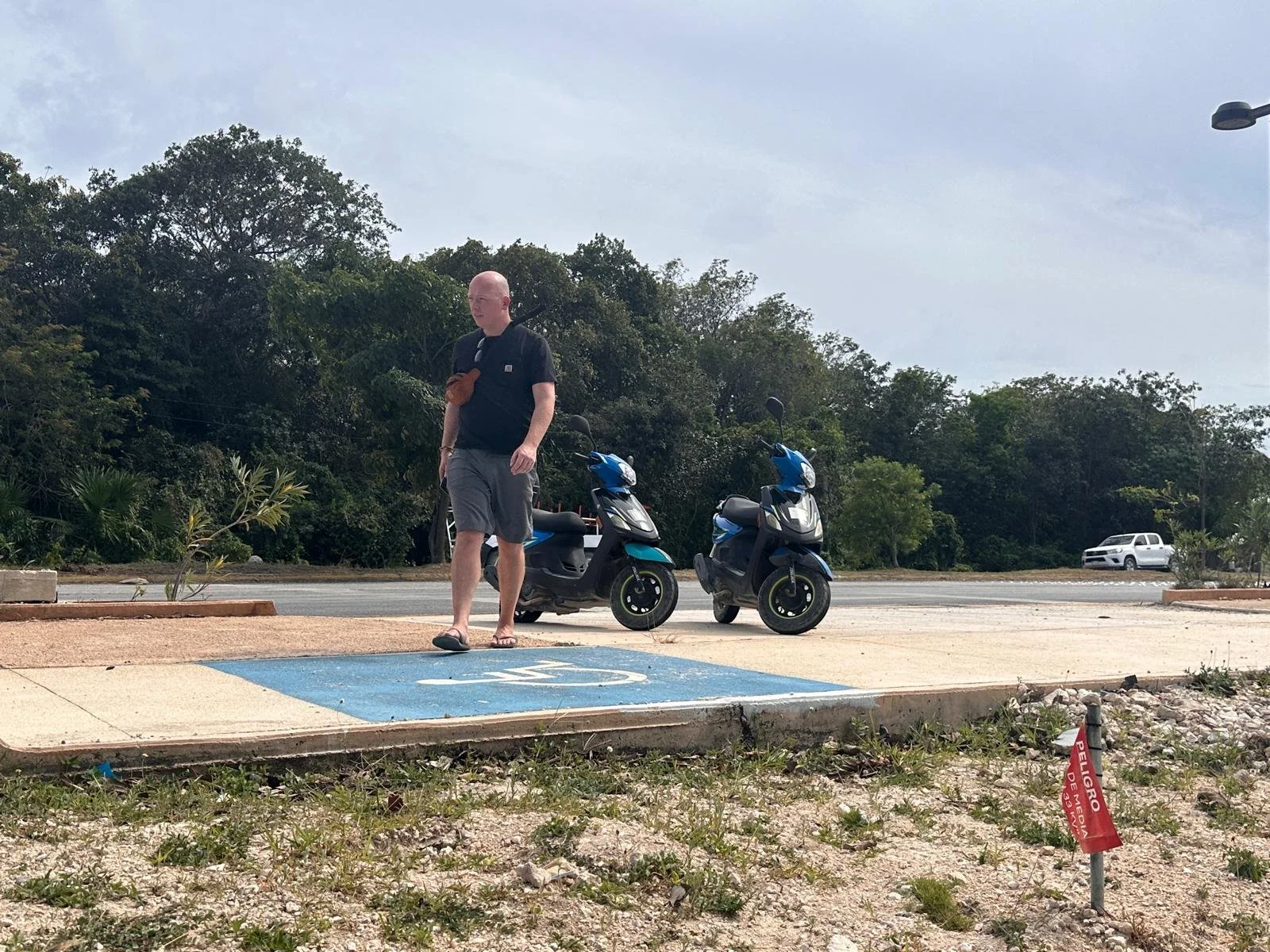
We had rented scooters for the day, partly because they were a little cheaper than the taxi offered to us and partly because we were missing the days zipping around on scooters during the Asian leg of our trip. Unfortunately, we had a bit of an “oopsie” moment when my rear tire suddenly exploded while I was doing about 65 km/h on a Mexican highway. The rear wheel began to swerve and I ended up riding on the rim, and the terrifying sensation of your own back wheel trying to overtake you is something I would not recommend to anyone. Thankfully, I managed to get the scooter under control without falling, but the shock was huge - especially for Oskar, who was sitting on the back. This was probably our final scooter ride of the journey, and honestly, I feel that’s a bit of a pity to end it on a bad note, as they have served us so well for so long.
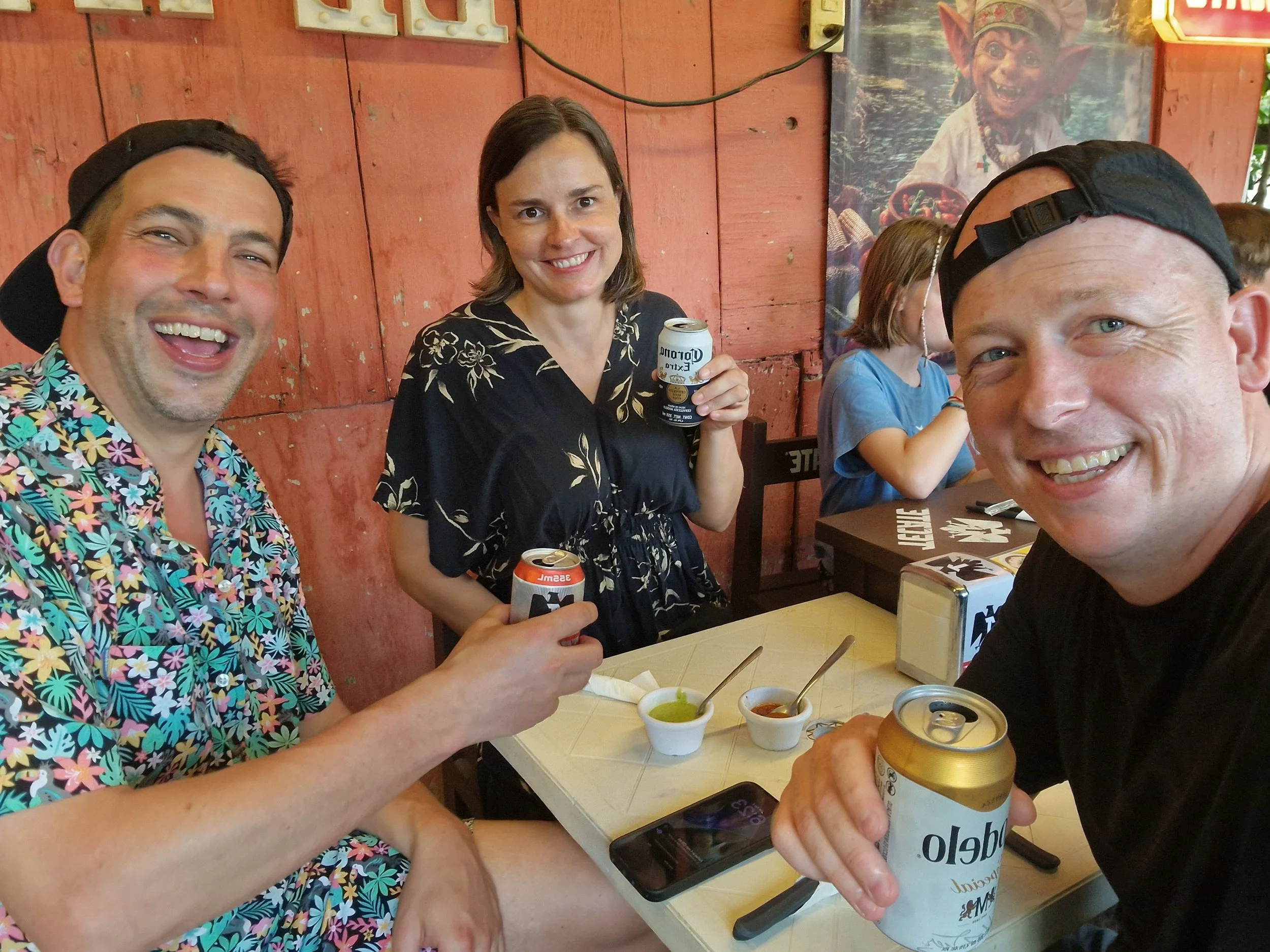
Another highlight followed shortly after, when our good friend Eric spontaneously decided to visit us in Tulum. We’ve known Eric since our study days in Bad Honnef, Germany, and although a decade had passed without seeing each other in person, our bond never fractured. Living in Florida with his ten-year-old twins, he hopped on a flight with the boys and joined us for a long Easter weekend - what a delight! We were incredibly happy to see him again. Sarah had lived with him in L.A. for half a year, and Sarah and I actually first met each other in his flat in Bad Honnef nearly twenty years ago. Needless to say, Eric plays a significant role in our lives, and we thoroughly enjoyed the long weekend together, swapping stories over the one or the other cerveza. We also visited another cave cenote, the cenote “Taak Bi Ha,” which proved to be another impressive and memorable experience during our Tulum stay. Between outings we sampled tacos at various local spots and enjoyed what was easily the best shrimp ceviche I have ever had. Eric, in case you read this: Thanks for joining us! We’ll make sure it won’t take another decade until we see each other again!
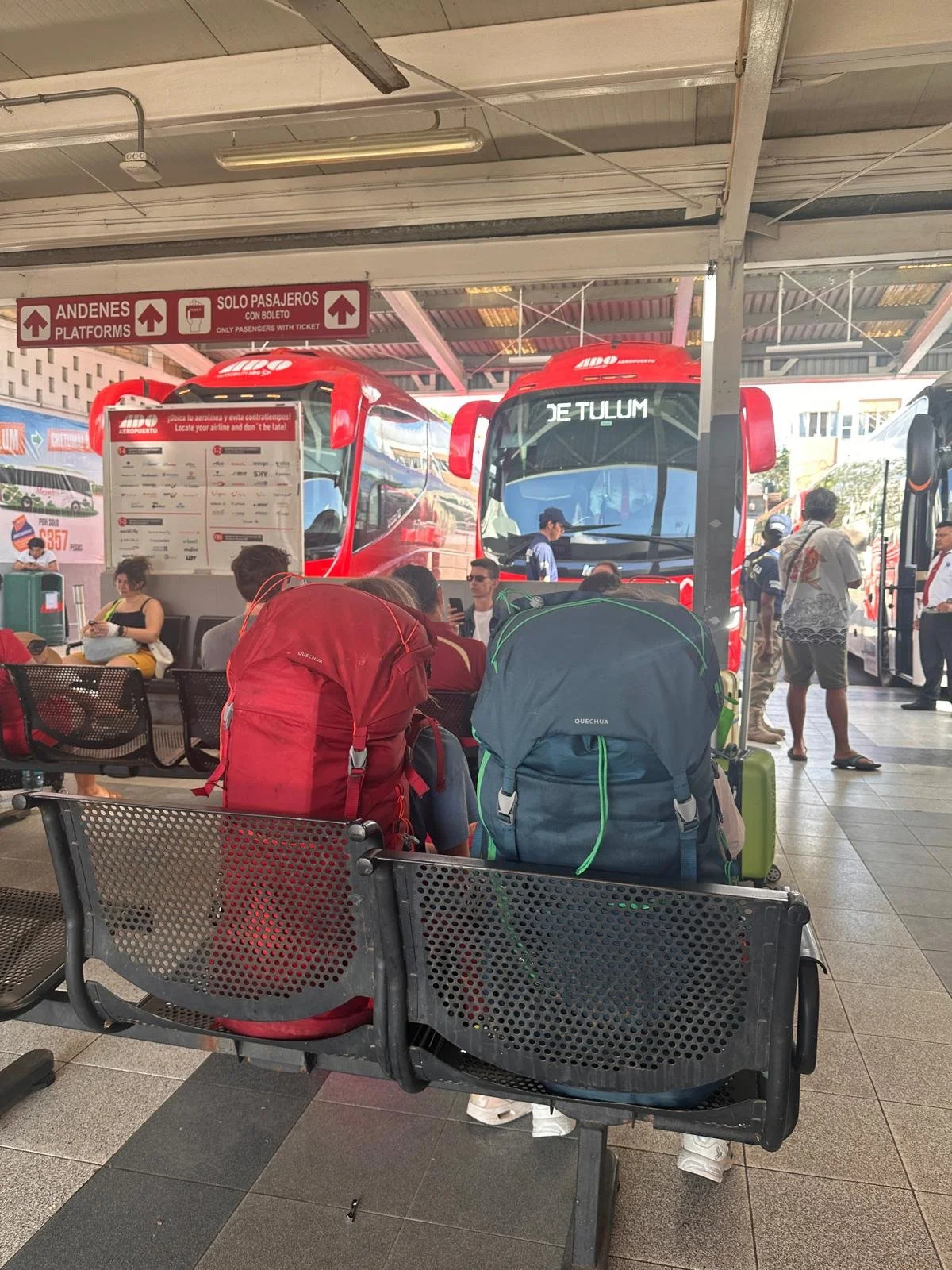
In the meantime, we have left Tulum and taken a bus to a place called “Xul-Ha”, close to the border of Belize. The plan is to stay here for 2 weeks before leaving Mexico towards Belize, but that will be part of my next update. Until then: Be well!